Spieske Alexander, Birkel Hendrik
Chair of Supply Chain Management, Friedrich-Alexander University Erlangen-Nuremberg, Lange Gasse 20, 90403 Nuremberg, Germany.
Comput Ind Eng. 2021 Aug;158:107452. doi: 10.1016/j.cie.2021.107452. Epub 2021 Jun 8.
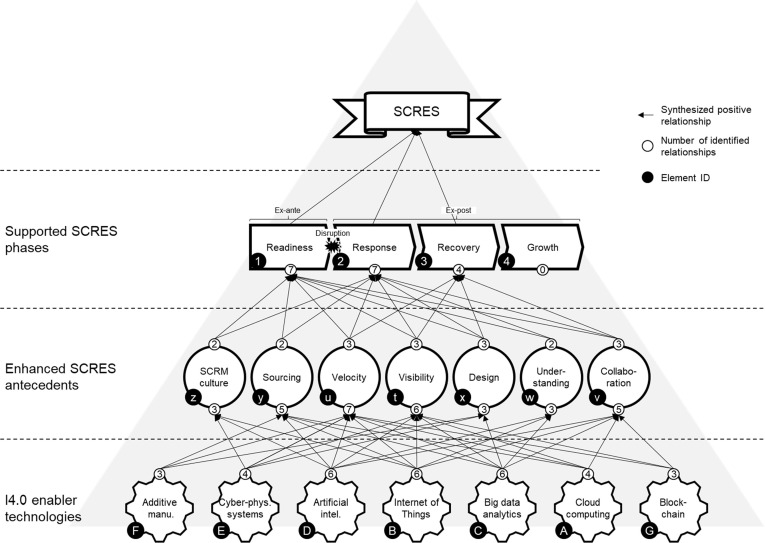
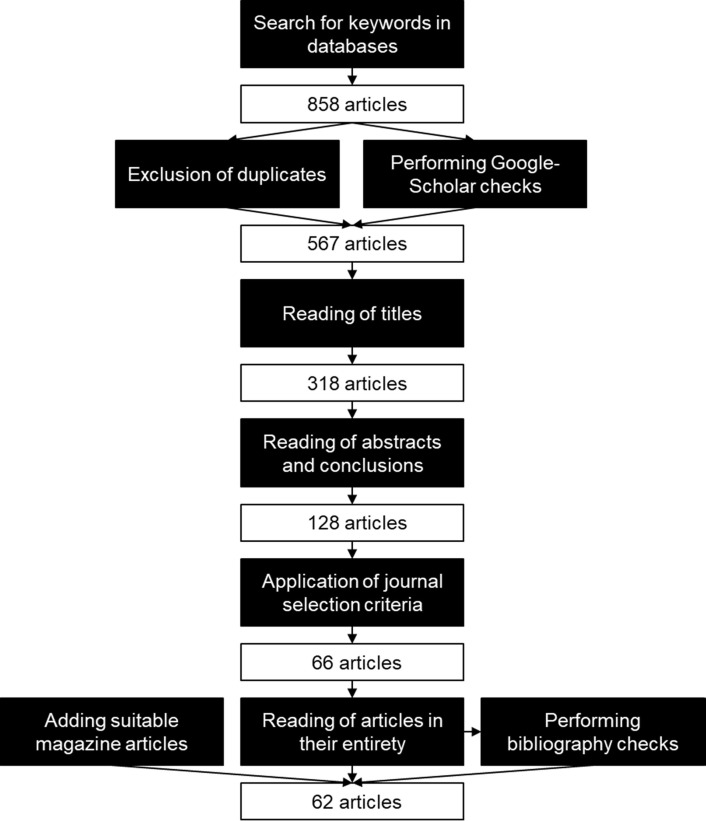
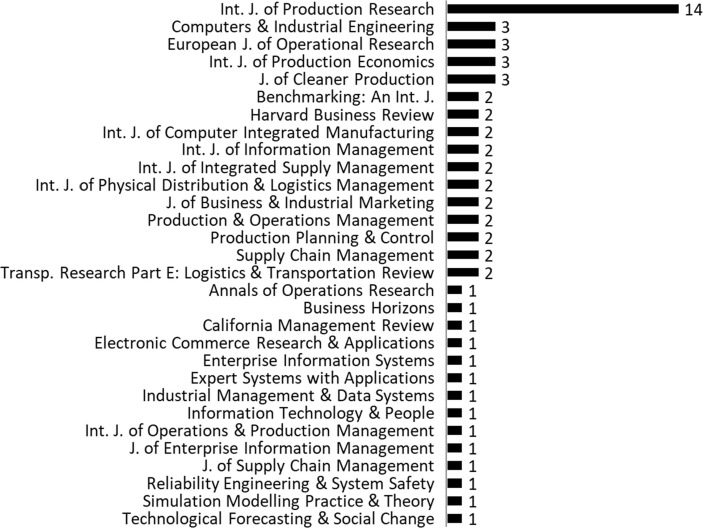
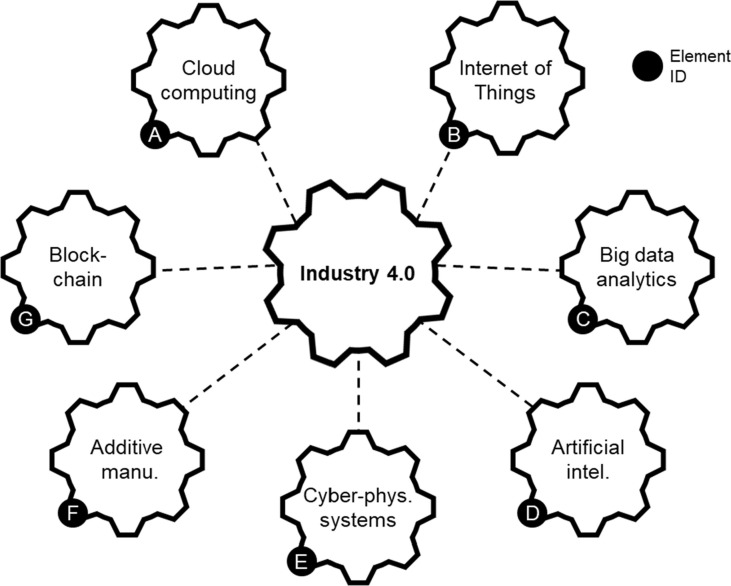
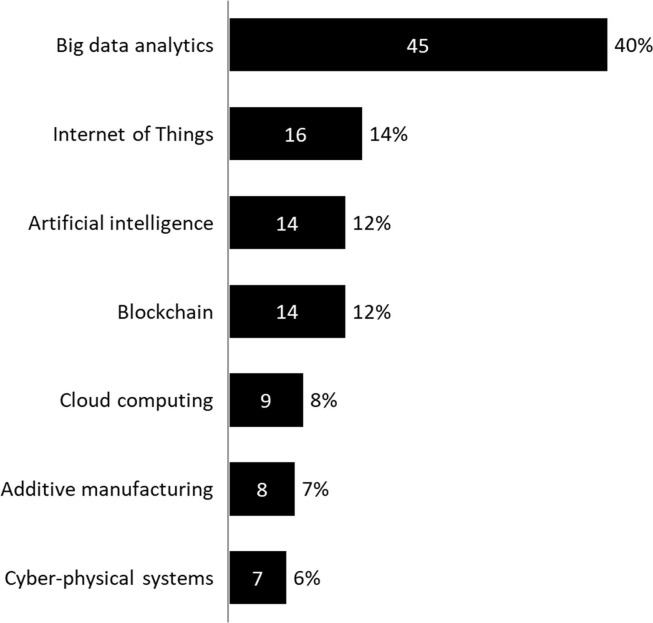
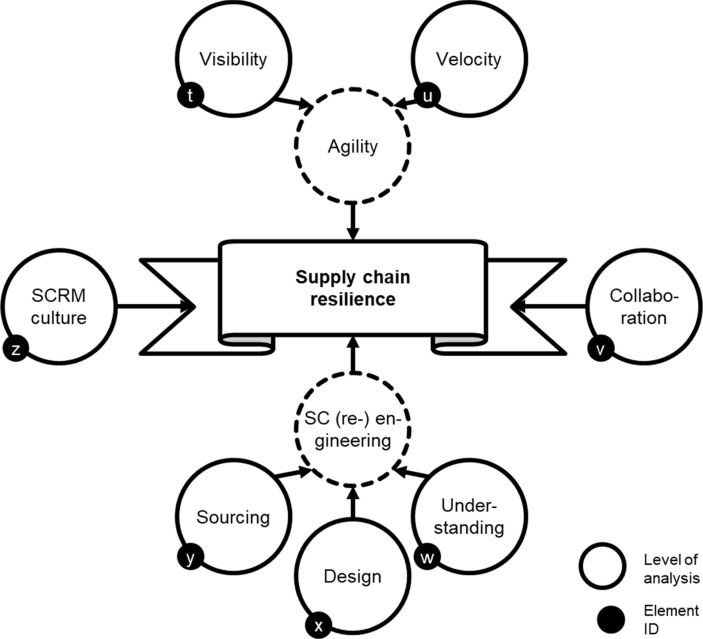
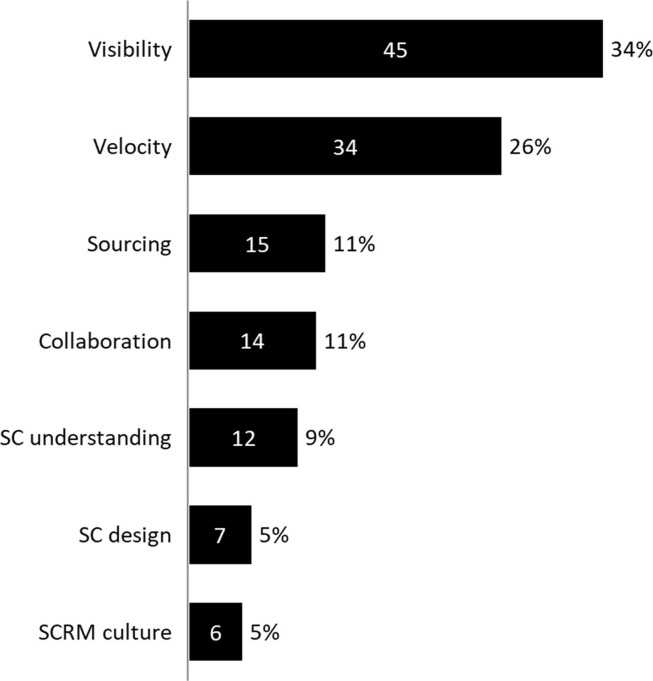
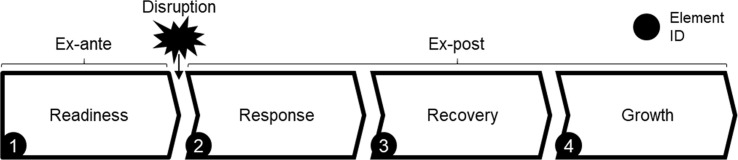
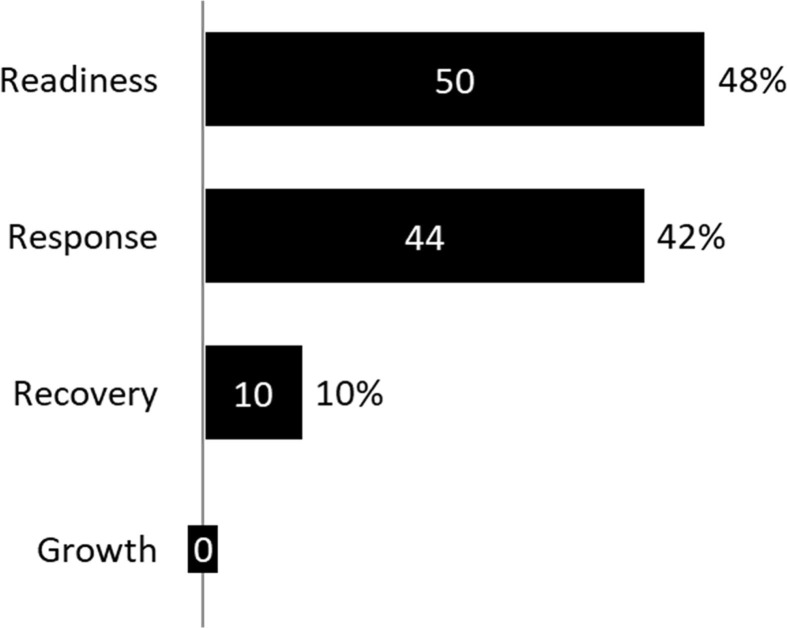
The COVID-19 pandemic is one of the most severe supply chain disruptions in history and has challenged practitioners and scholars to improve the resilience of supply chains. Recent technological progress, especially industry 4.0, indicates promising possibilities to mitigate supply chain risks such as the COVID-19 pandemic. However, the literature lacks a comprehensive analysis of the link between industry 4.0 and supply chain resilience. To close this research gap, we present evidence from a systematic literature review, including 62 papers from high-quality journals. Based on a categorization of industry 4.0 enabler technologies and supply chain resilience antecedents, we introduce a holistic framework depicting the relationship between both areas while exploring the current state-of-the-art. To verify industry 4.0's resilience opportunities in a severe supply chain disruption, we apply our framework to a use case, the COVID-19-affected automotive industry. Overall, our results reveal that big data analytics is particularly suitable for improving supply chain resilience, while other industry 4.0 enabler technologies, including additive manufacturing and cyber-physical systems, still lack proof of effectiveness. Moreover, we demonstrate that visibility and velocity are the resilience antecedents that benefit most from industry 4.0 implementation. We also establish that industry 4.0 holistically supports pre-disruption resilience measures, enabling more effective proactive risk management. Both research and practice can benefit from this study. While scholars may analyze resilience potentials of under-explored enabler technologies, practitioners can use our findings to guide industry 4.0 investment decisions.
新冠疫情是历史上最严重的供应链中断事件之一,它向从业者和学者提出了提高供应链韧性的挑战。近期的技术进步,尤其是工业4.0,为缓解诸如新冠疫情这类供应链风险带来了充满希望的可能性。然而,文献中缺乏对工业4.0与供应链韧性之间联系的全面分析。为了填补这一研究空白,我们通过一项系统的文献综述提供证据,该综述涵盖了来自高质量期刊的62篇论文。基于对工业4.0使能技术和供应链韧性前因的分类,我们引入了一个整体框架,描绘这两个领域之间的关系,同时探索当前的技术水平。为了验证工业4.0在严重供应链中断情况下的韧性机会,我们将我们的框架应用于一个实际案例,即受新冠疫情影响的汽车行业。总体而言,我们的结果表明,大数据分析特别适合提高供应链韧性,而其他工业4.0使能技术,包括增材制造和网络物理系统,仍缺乏有效性证明。此外,我们证明了可视性和速度是从工业4.0实施中受益最大的韧性前因。我们还确定,工业4.0从整体上支持中断前的韧性措施,实现更有效的主动风险管理。研究和实践都可以从这项研究中受益。学者们可以分析未充分探索的使能技术的韧性潜力,而从业者可以利用我们的研究结果来指导工业4.0投资决策。