Arji Goli, Ahmadi Hossein, Avazpoor Pejman, Hemmat Morteza
Health Information Management, School of Nursing and Midwifery, Saveh University of Medical Sciences, Iran.
Centre for Health Technology, Faculty of Health, University of Plymouth, Plymouth, PL4 8AA, UK.
Inform Med Unlocked. 2023;38:101199. doi: 10.1016/j.imu.2023.101199. Epub 2023 Feb 25.
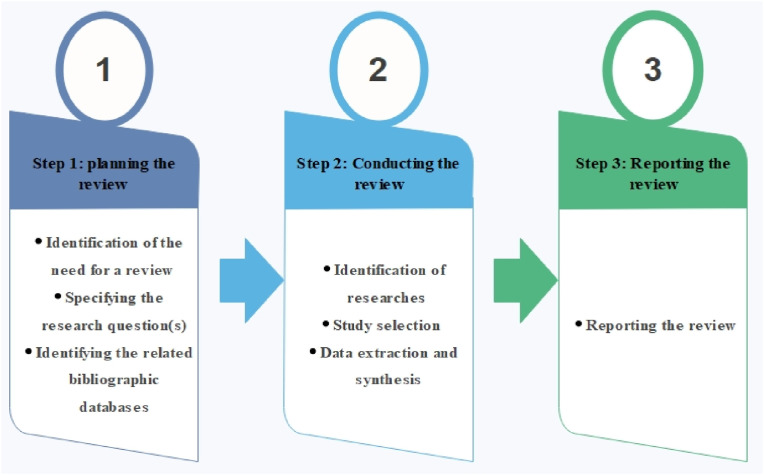
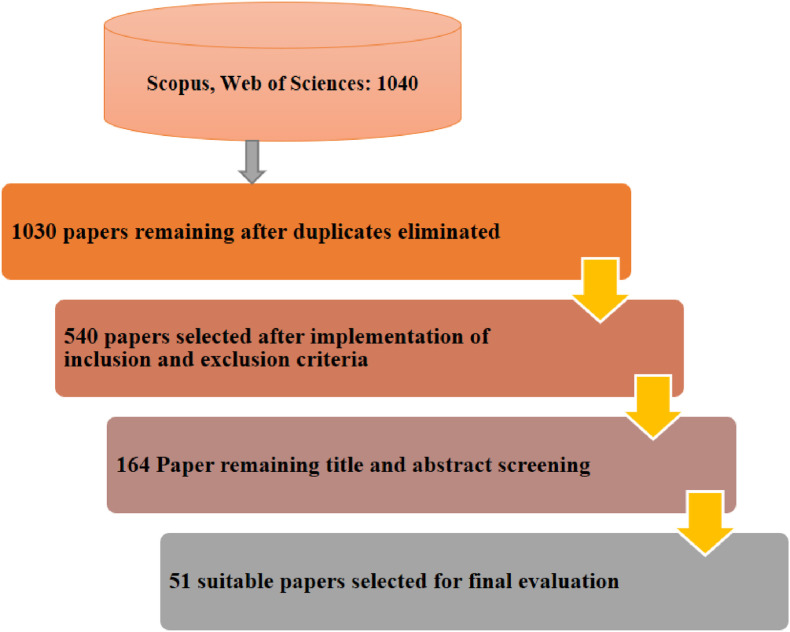
The worldwide spread of the COVID-19 disease has had a catastrophic effect on healthcare supply chains. The current manuscript systematically analyzes existing studies mitigating strategies for disruption management in the healthcare supply chain during COVID-19. Using a systematic approach, we recognized 35 related papers. Artificial intelligence (AI), block chain, big data analytics, and simulation are the most important technologies employed in supply chain management in healthcare. The findings reveal that the published research has concentrated mainly on generating resilience plans for the management of COVID-19 impacts. Furthermore, the vulnerability of healthcare supply chains and the necessity of establishing better resilience methods are emphasized in most of the research. However, the practical application of these emerging tools for managing disturbance and warranting resilience in the supply chain has been examined only rarely. This article provides directions for additional research, which can guide researchers to develop and conduct impressive studies related to the healthcare supply chain for different disasters.
COVID-19疾病在全球范围内的传播对医疗供应链产生了灾难性影响。当前的手稿系统地分析了现有研究中关于COVID-19期间医疗供应链中断管理的缓解策略。我们采用系统的方法识别出35篇相关论文。人工智能(AI)、区块链、大数据分析和模拟是医疗供应链管理中使用的最重要技术。研究结果表明,已发表的研究主要集中在制定应对COVID-19影响的恢复计划。此外,大多数研究都强调了医疗供应链的脆弱性以及建立更好恢复方法的必要性。然而,这些用于管理供应链干扰和确保恢复力的新兴工具的实际应用很少被研究。本文为进一步的研究提供了方向,可指导研究人员开展与不同灾害下医疗供应链相关的令人瞩目的研究。