Carvalho Larissa A C, Queijo Rodrigo G, Baccaro Alexandre L B, Siena Ádamo D D, Silva Wilson A, Rodrigues Tiago, Maria-Engler Silvya Stuchi
Department of Clinical and Toxicological Analysis, School of Pharmaceutical Sciences, University of São Paulo, Avenida Professor Lineu Prestes, 580, São Paulo 05508-00, SP, Brazil.
Centro de Pós-Graduação e Pesquisa Oswaldo Cruz, Faculdade Oswaldo Cruz, Rua Brigadeiro Galvão, 535, Sao Paulo 01151-000, SP, Brazil.
Antioxidants (Basel). 2022 Feb 22;11(3):438. doi: 10.3390/antiox11030438.
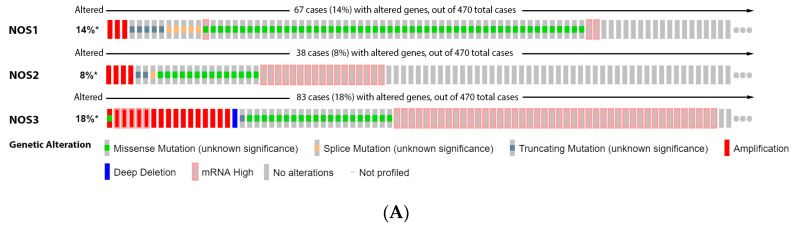
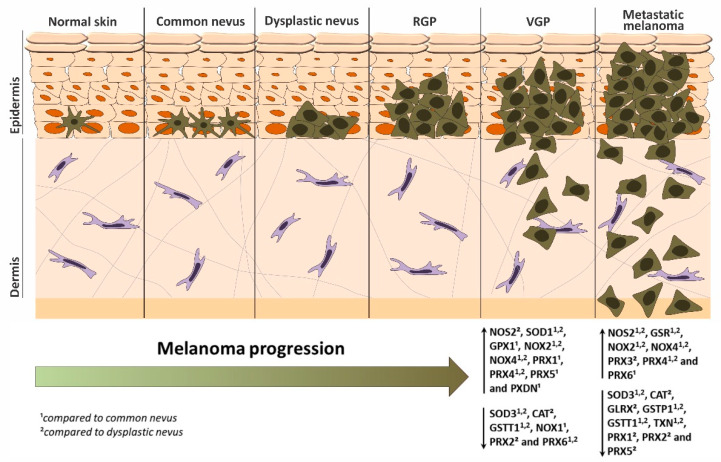
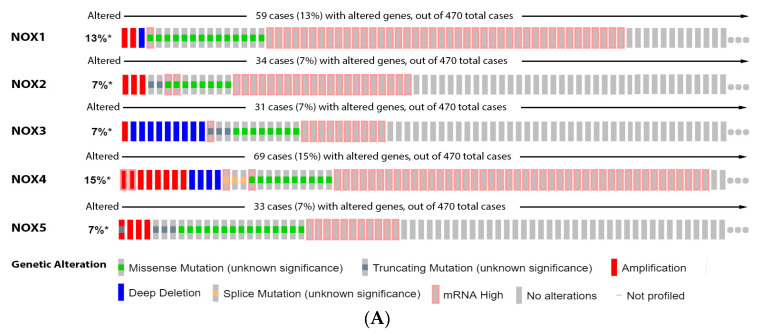
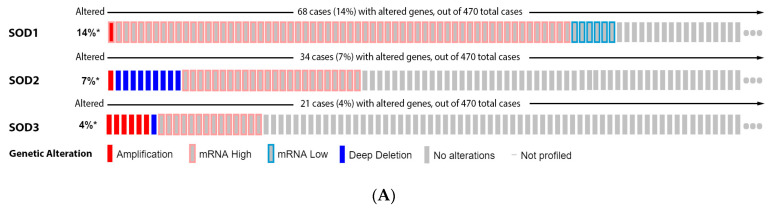
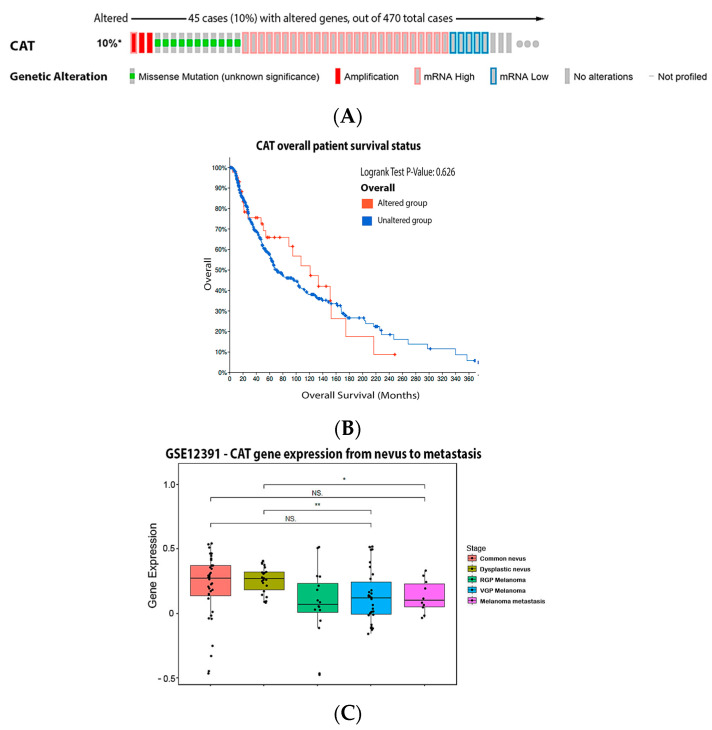
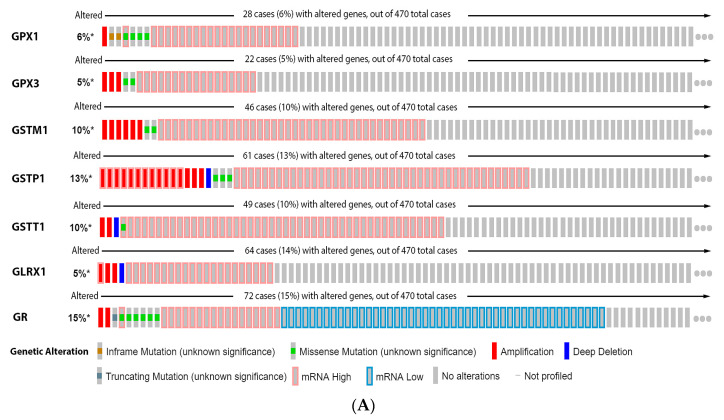
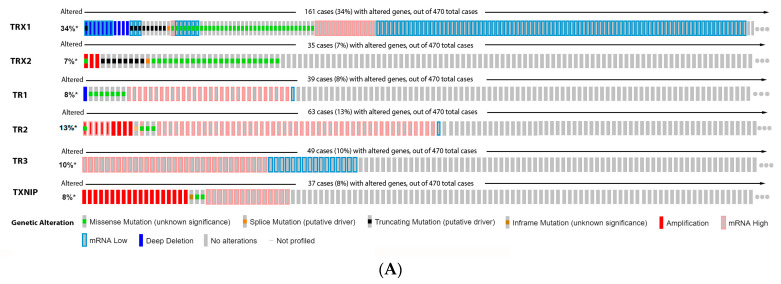
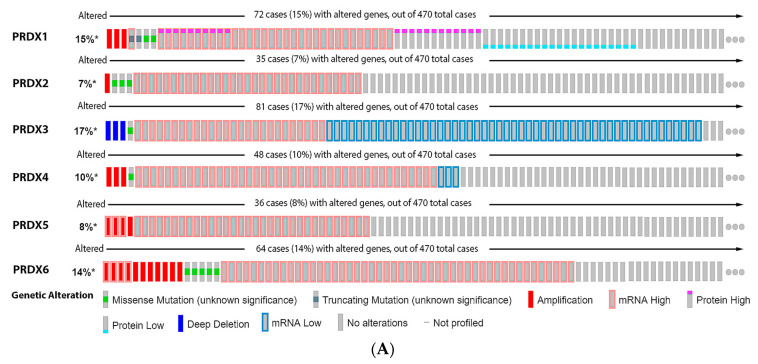
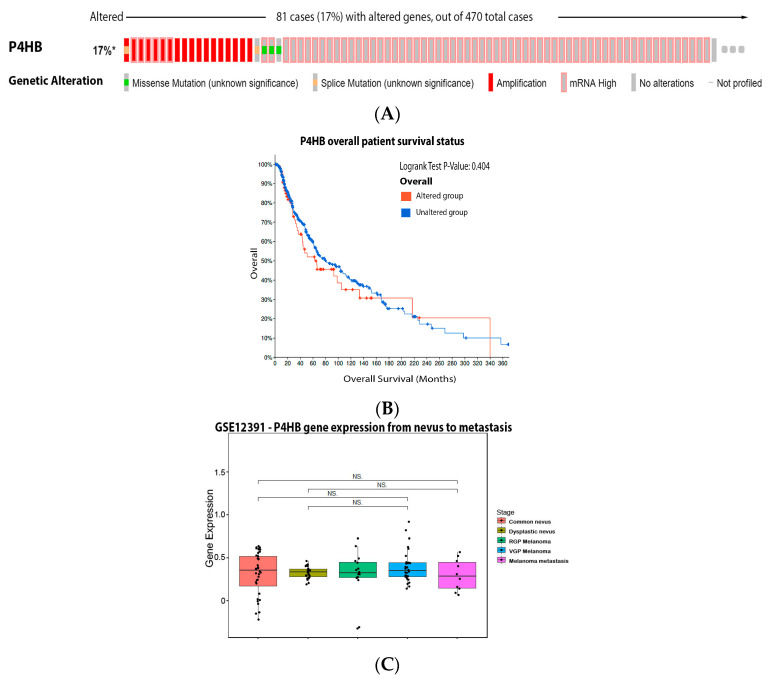
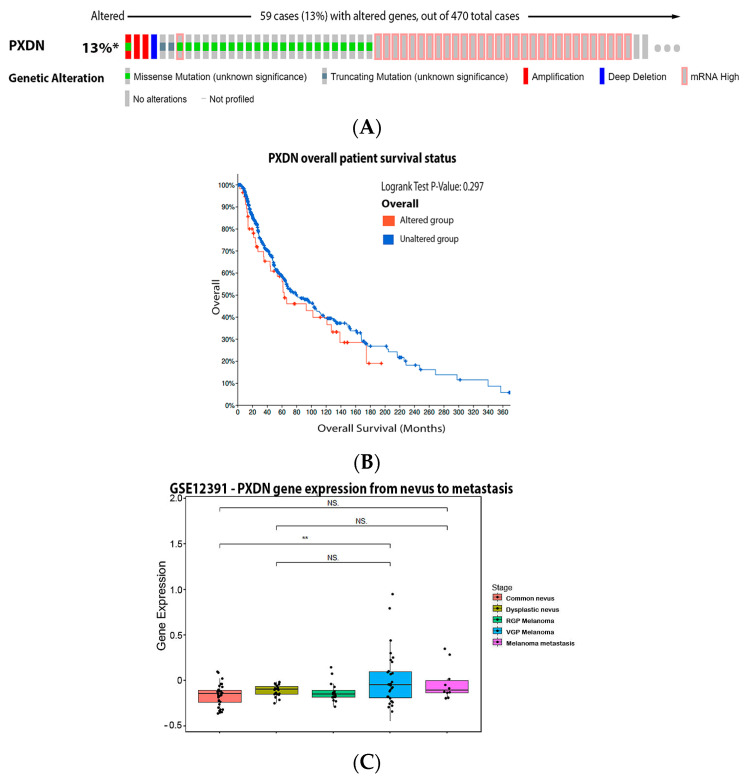
Melanoma is the most aggressive type of skin cancer. Despite the available therapies, the minimum residual disease is still refractory. Reactive oxygen and nitrogen species (ROS and RNS) play a dual role in melanoma, where redox imbalance is involved from initiation to metastasis and resistance. Redox proteins modulate the disease by controlling ROS/RNS levels in immune response, proliferation, invasion, and relapse. Chemotherapeutics such as BRAF and MEK inhibitors promote oxidative stress, but high ROS/RNS amounts with a robust antioxidant system allow cells to be adaptive and cooperate to non-toxic levels. These proteins could act as biomarkers and possible targets. By understanding the complex mechanisms involved in adaptation and searching for new targets to make cells more susceptible to treatment, the disease might be overcome. Therefore, exploring the role of redox-sensitive proteins and the modulation of redox homeostasis may provide clues to new therapies. This study analyzes information obtained from a public cohort of melanoma patients about the expression of redox-generating and detoxifying proteins in melanoma during the disease stages, genetic alterations, and overall patient survival status. According to our analysis, 66% of the isoforms presented differential expression on melanoma progression: NOS2, SOD1, NOX4, PRX3, PXDN and GPX1 are increased during melanoma progression, while CAT, GPX3, TXNIP, and PRX2 are decreased. Besides, the stage of the disease could influence the result as well. The levels of PRX1, PRX5 and PRX6 can be increased or decreased depending on the stage. We showed that all analyzed isoforms presented some genetic alteration on the gene, most of them (78%) for increased mRNA expression. Interestingly, 34% of all melanoma patients showed genetic alterations on TRX1, most for decreased mRNA expression. Additionally, 15% of the isoforms showed a significant reduction in overall patient survival status for an altered group (PRX3, PRX5, TR2, and GR) and the unaltered group (NOX4). Although no such specific antioxidant therapy is approved for melanoma yet, inhibitors or mimetics of these redox-sensitive proteins have achieved very promising results. We foresee that forthcoming investigations on the modulation of these proteins will bring significant advances for cancer therapy.
黑色素瘤是最具侵袭性的皮肤癌类型。尽管有可用的治疗方法,但最小残留疾病仍然难治。活性氧和氮物种(ROS和RNS)在黑色素瘤中发挥双重作用,从起始到转移和耐药都涉及氧化还原失衡。氧化还原蛋白通过控制免疫反应、增殖、侵袭和复发中的ROS/RNS水平来调节疾病。BRAF和MEK抑制剂等化疗药物会促进氧化应激,但高ROS/RNS量与强大的抗氧化系统使细胞具有适应性并协同至无毒水平。这些蛋白可作为生物标志物和潜在靶点。通过了解参与适应的复杂机制并寻找使细胞更易接受治疗的新靶点,或许可以攻克这种疾病。因此,探索氧化还原敏感蛋白的作用和氧化还原稳态的调节可能为新疗法提供线索。本研究分析了从黑色素瘤患者的公共队列中获得的关于疾病阶段、基因改变和患者总体生存状态期间黑色素瘤中氧化还原生成和解毒蛋白表达的信息。根据我们的分析,66%的异构体在黑色素瘤进展过程中呈现差异表达:NOS2、SOD1、NOX4、PRX3、PXDN和GPX1在黑色素瘤进展过程中增加,而CAT、GPX3、TXNIP和PRX2减少。此外,疾病阶段也可能影响结果。PRX1、PRX5和PRX6的水平可能根据阶段而增加或减少。我们表明,所有分析的异构体在基因上都存在一些基因改变,其中大多数(78%)是mRNA表达增加。有趣的是,所有黑色素瘤患者中有34%在TRX1上显示基因改变,大多数是mRNA表达降低。此外,15%的异构体在改变组(PRX3、PRX5、TR2和GR)和未改变组(NOX4)的患者总体生存状态方面显示出显著降低。尽管尚未批准针对黑色素瘤的此类特定抗氧化疗法,但这些氧化还原敏感蛋白的抑制剂或模拟物已取得非常有前景的结果。我们预计,未来对这些蛋白调节的研究将为癌症治疗带来重大进展。