Yip Ping K, Hasan Shumaila, Liu Zhuo-Hao, Uff Christopher E G
Centre for Neuroscience, Surgery & Trauma, Blizard Institute, Barts and The London School of Medicine and Dentistry, Queen Mary University of London, London E1 2AT, UK.
Department of Neurosurgery, Royal London Hospital, Whitechapel, London E1 1FR, UK.
Biomedicines. 2022 Feb 22;10(3):518. doi: 10.3390/biomedicines10030518.
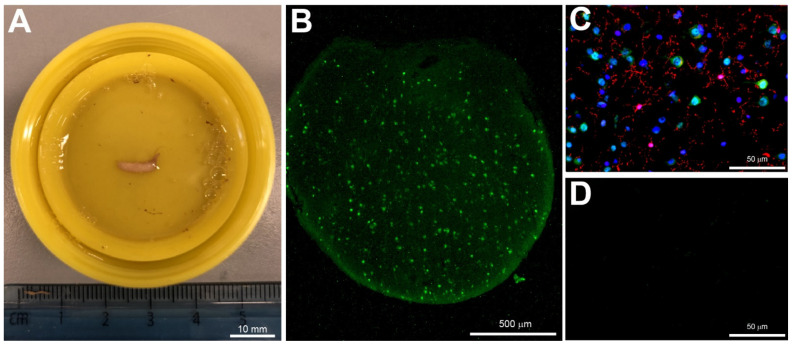
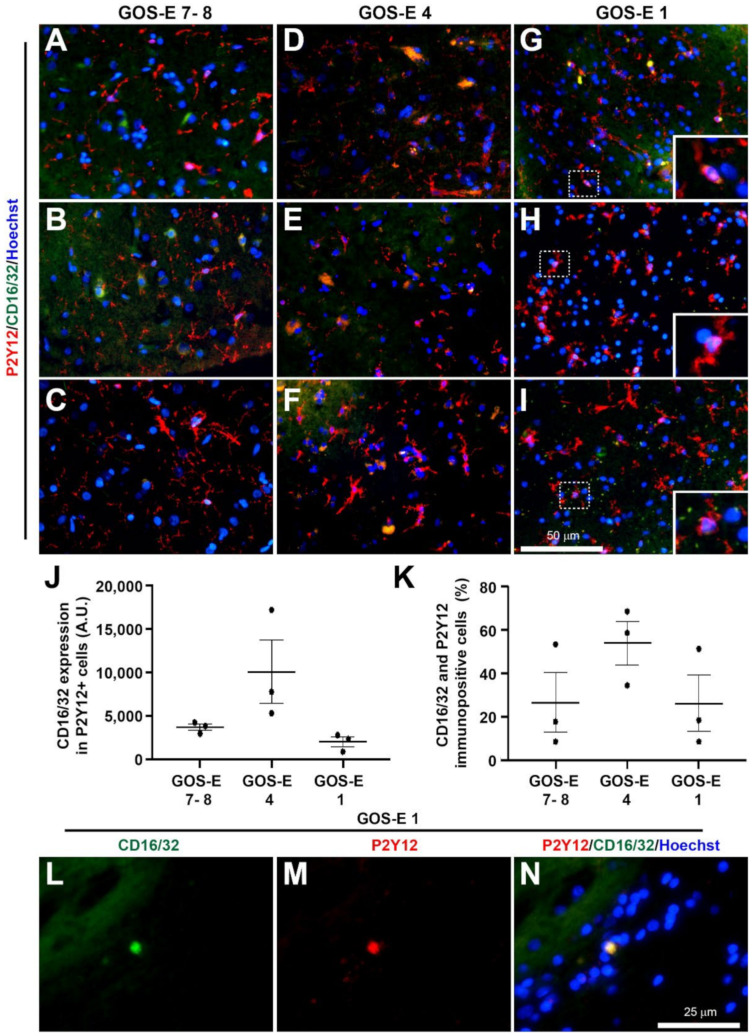
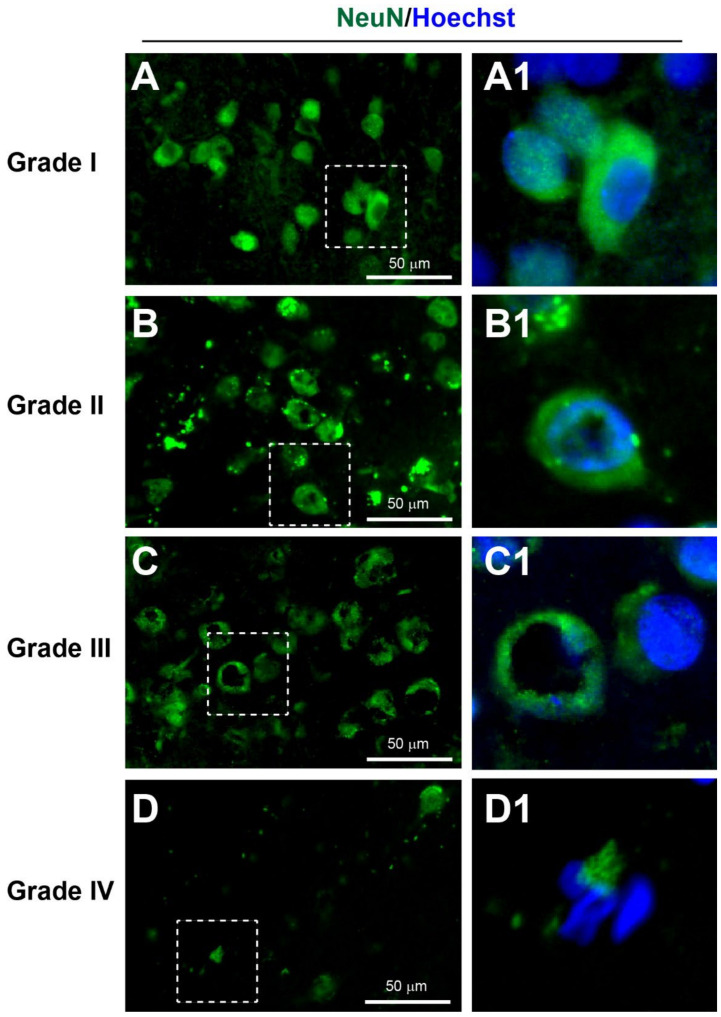
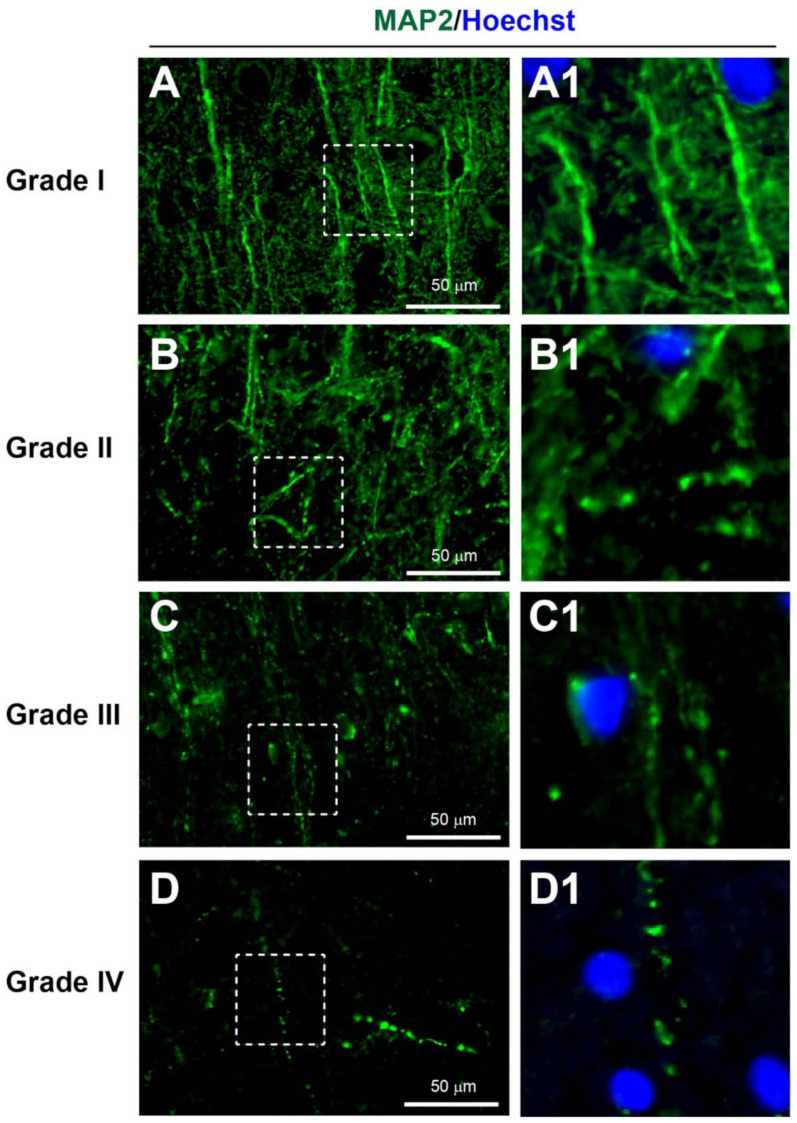
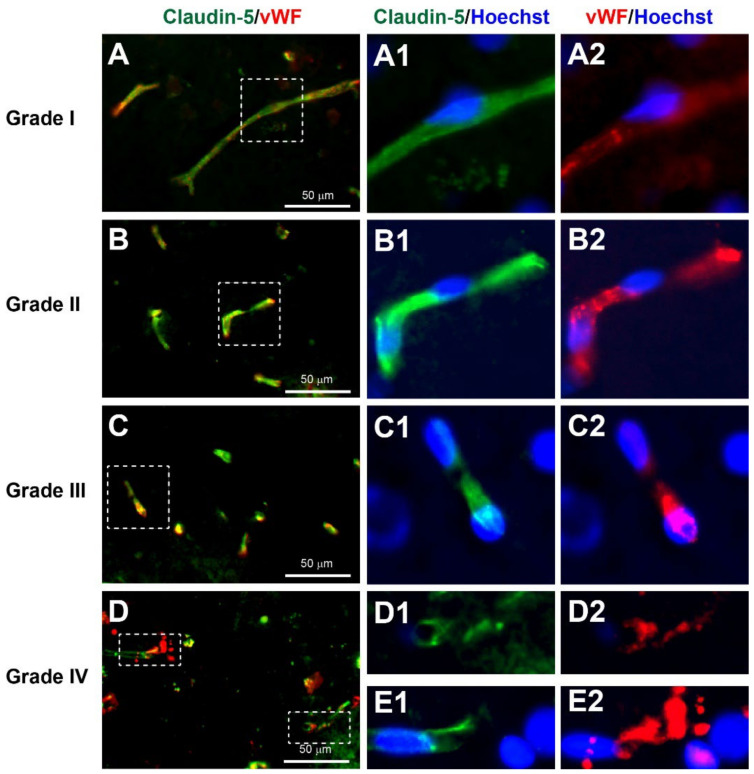
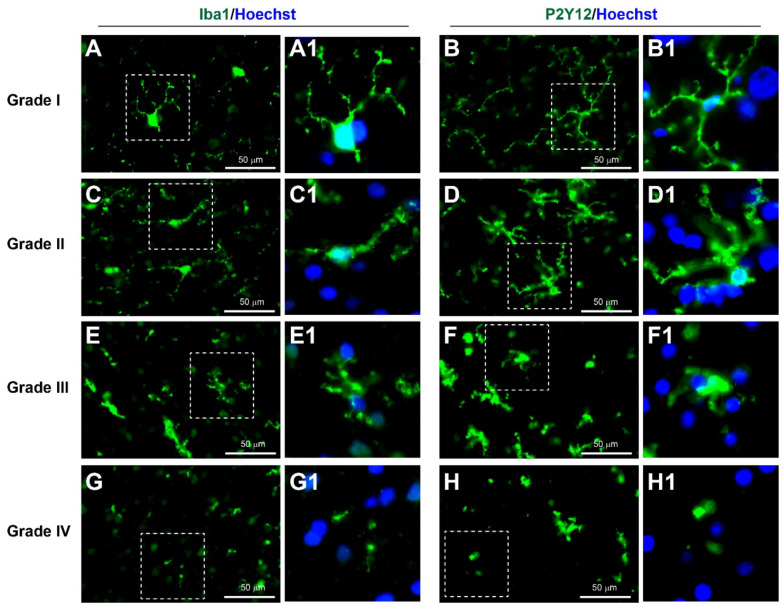
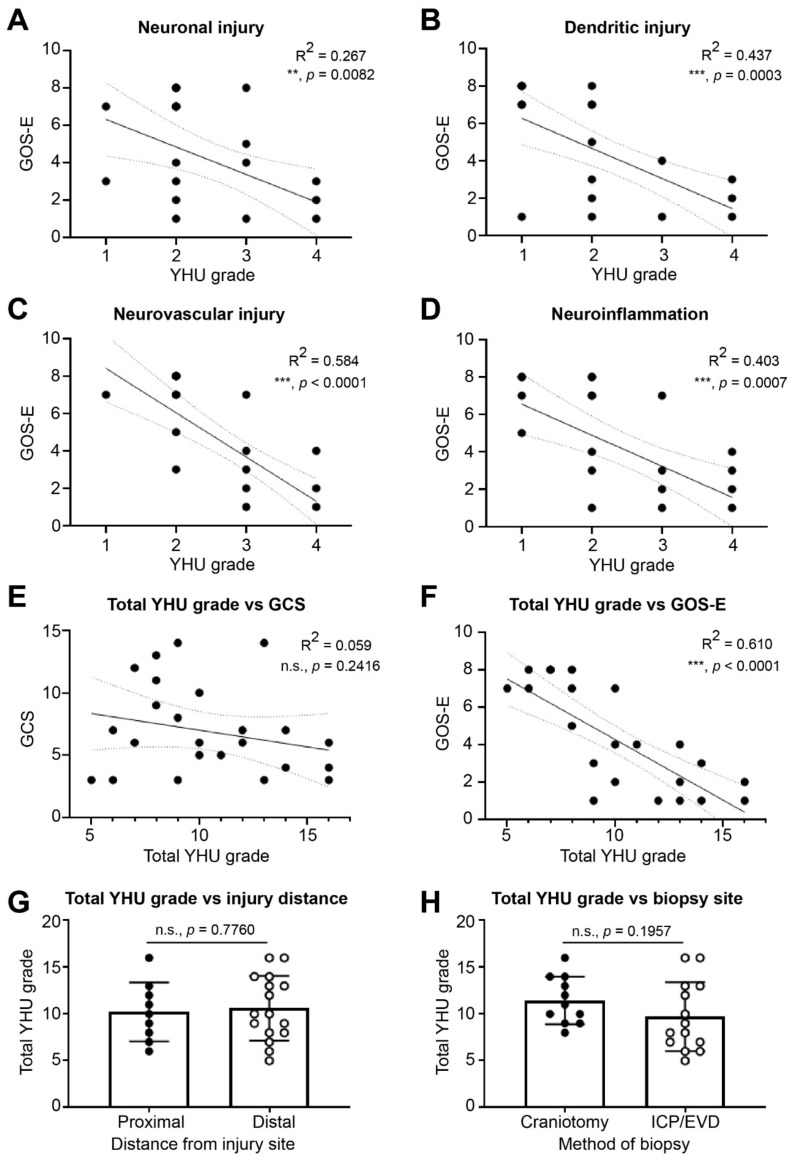
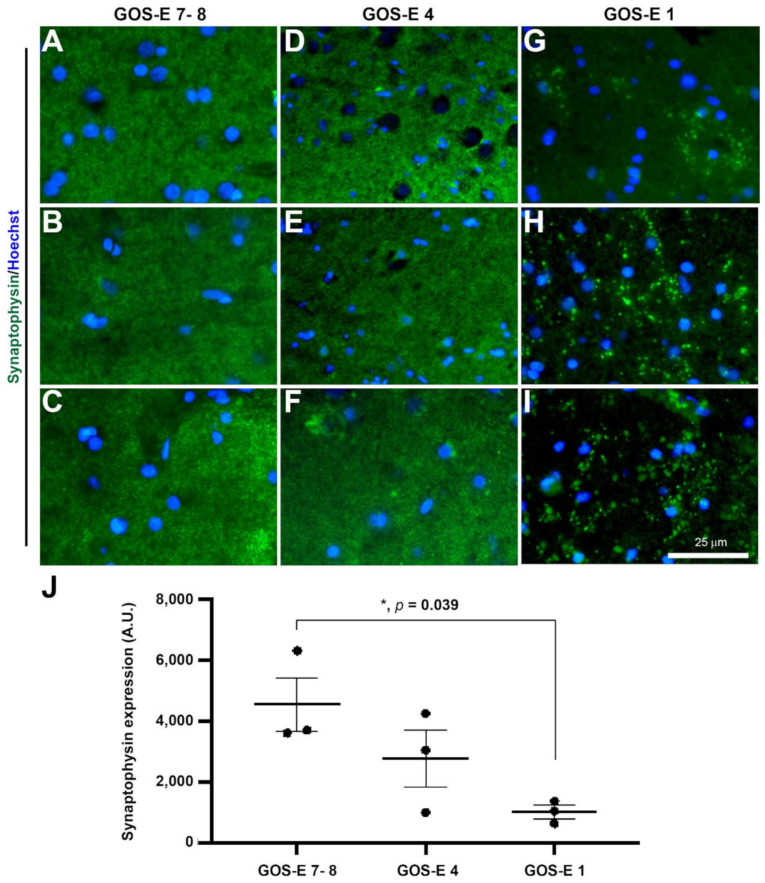
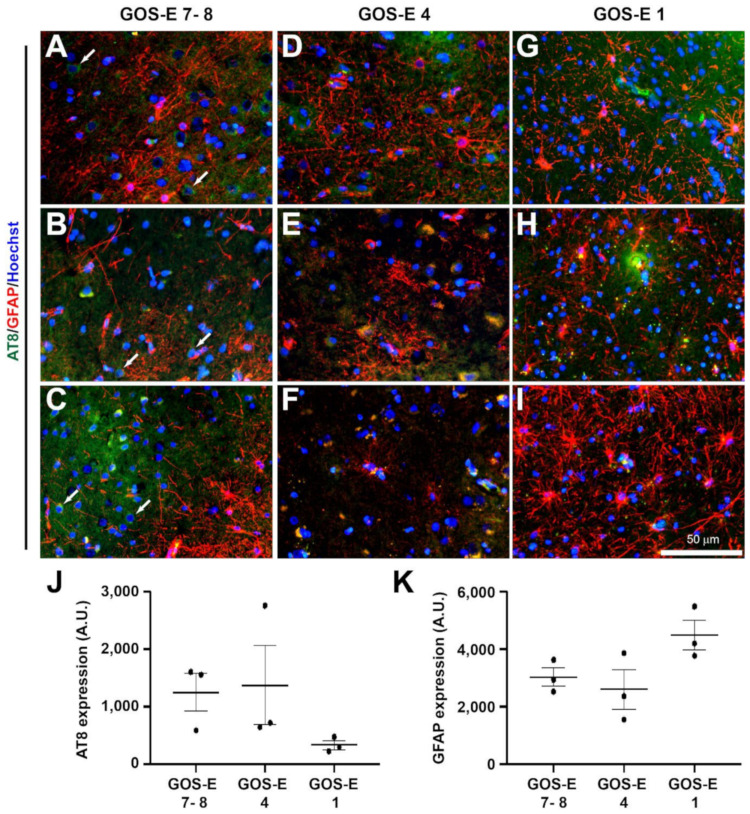
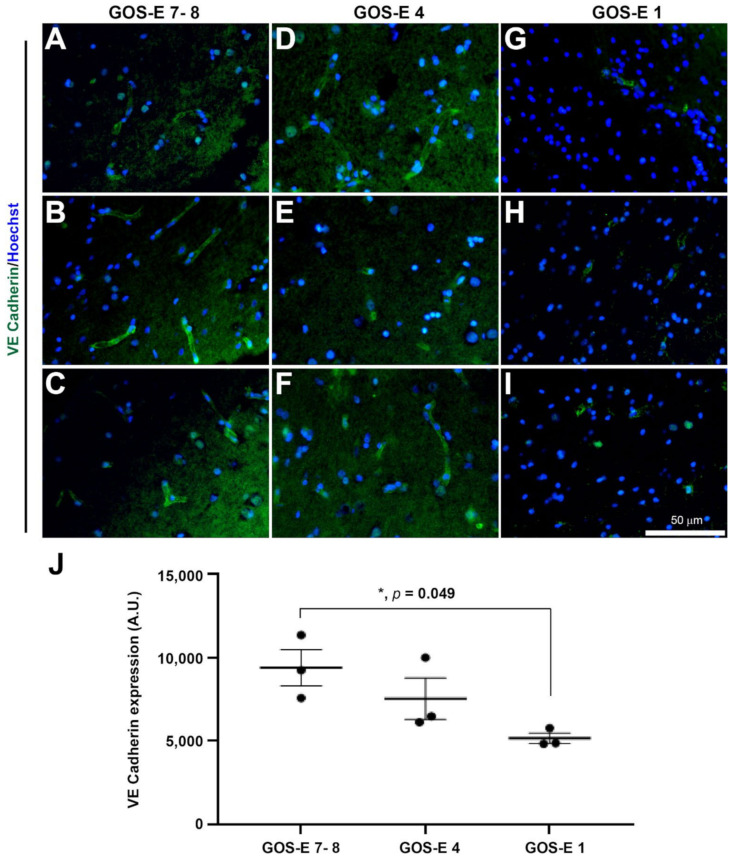
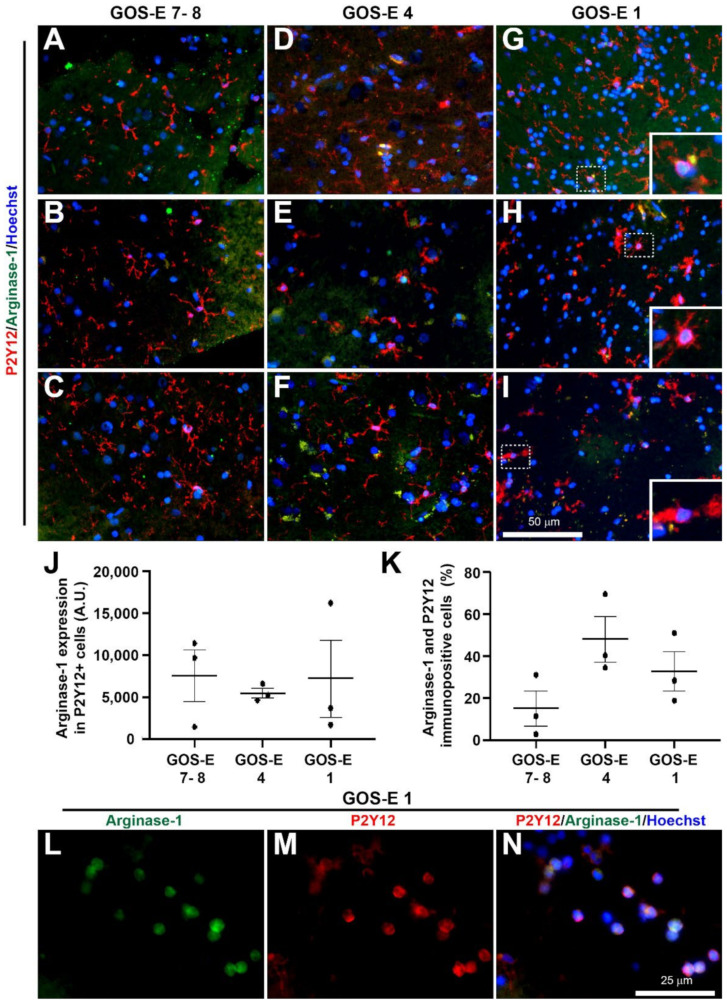
Traumatic brain injury (TBI) is an extremely complex disease and current systems classifying TBI as mild, moderate, and severe often fail to capture this complexity. Neuroimaging cannot resolve the cellular and molecular changes due to lack of resolution, and post-mortem tissue examination may not adequately represent acute disease. Therefore, we examined the cellular and molecular sequelae of TBI in fresh brain samples and related these to clinical outcomes. Brain biopsies, obtained shortly after injury from 25 living adult patients suffering severe TBI, underwent immunohistochemical analysis. There were no adverse events. Immunostaining revealed various qualitative cellular and biomolecular changes relating to neuronal injury, dendritic injury, neurovascular injury, and neuroinflammation, which we classified into 4 subgroups for each injury type using the newly devised Yip, Hasan and Uff (YHU) grading system. Based on the Glasgow Outcome Scale-Extended, a total YHU grade of ≤8 or ≥11 had a favourable and unfavourable outcome, respectively. Biomolecular changes observed in fresh brain samples enabled classification of this heterogeneous patient population into various injury severity categories based on the cellular and molecular pathophysiology according to the YHU grading system, which correlated with outcome. This is the first study investigating the acute biomolecular response to TBI.
创伤性脑损伤(TBI)是一种极其复杂的疾病,目前将TBI分为轻度、中度和重度的分类系统往往无法体现这种复杂性。由于分辨率不足,神经影像学无法解析细胞和分子层面的变化,而尸检组织检查可能无法充分反映急性疾病情况。因此,我们研究了新鲜脑样本中TBI的细胞和分子后遗症,并将其与临床结果相关联。对25名成年重度TBI患者受伤后不久获取的脑活检样本进行了免疫组织化学分析。未发生不良事件。免疫染色揭示了与神经元损伤、树突损伤、神经血管损伤和神经炎症相关的各种定性细胞和生物分子变化,我们使用新设计的叶、哈桑和乌夫(YHU)分级系统将每种损伤类型分为4个亚组。根据格拉斯哥扩展预后量表,YHU总评分≤8或≥11分别对应良好和不良预后。在新鲜脑样本中观察到的生物分子变化能够根据YHU分级系统,基于细胞和分子病理生理学将这一异质性患者群体分为不同的损伤严重程度类别,且与预后相关。这是第一项研究TBI急性生物分子反应的研究。