Schröder Heinz C, Wang Xiaohong, Neufurth Meik, Wang Shunfeng, Tan Rongwei, Müller Werner E G
ERC Advanced Investigator Group, Institute for Physiological Chemistry, University Medical Center, Johannes Gutenberg University, Duesbergweg 6, 55128 Mainz, Germany.
Shenzhen Lando Biomaterials Co., Ltd., Building B3, Unit 2B-C, China Merchants Guangming Science Park, Guangming District, Shenzhen 518107, China.
Biomedicines. 2022 Mar 11;10(3):658. doi: 10.3390/biomedicines10030658.
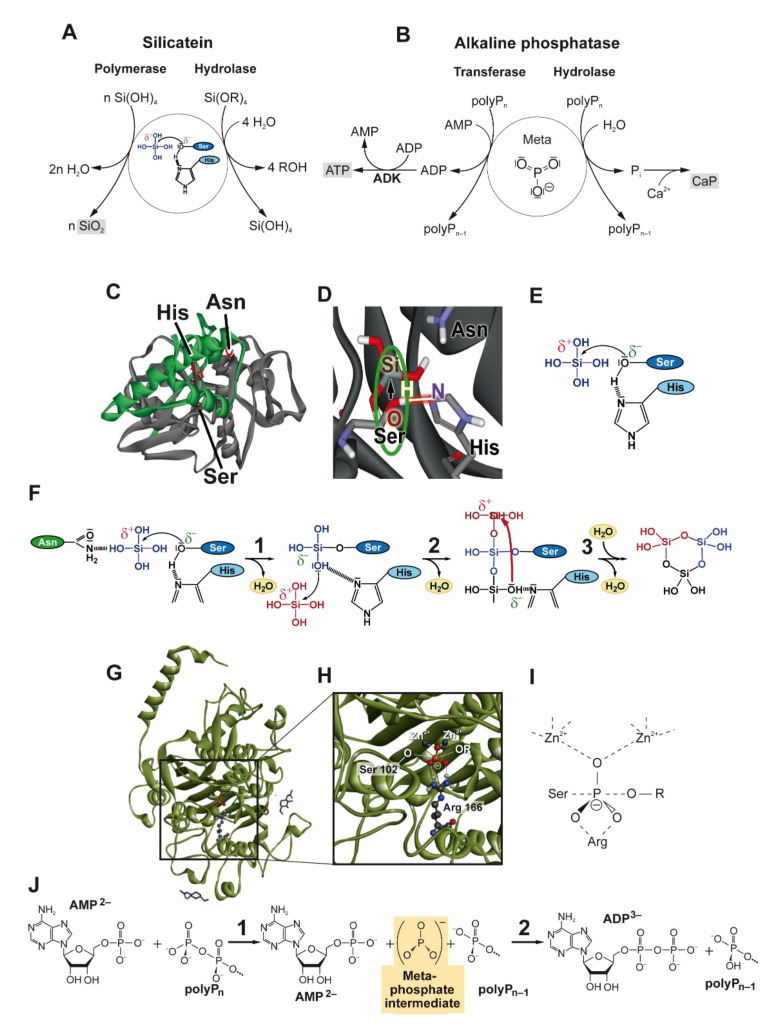
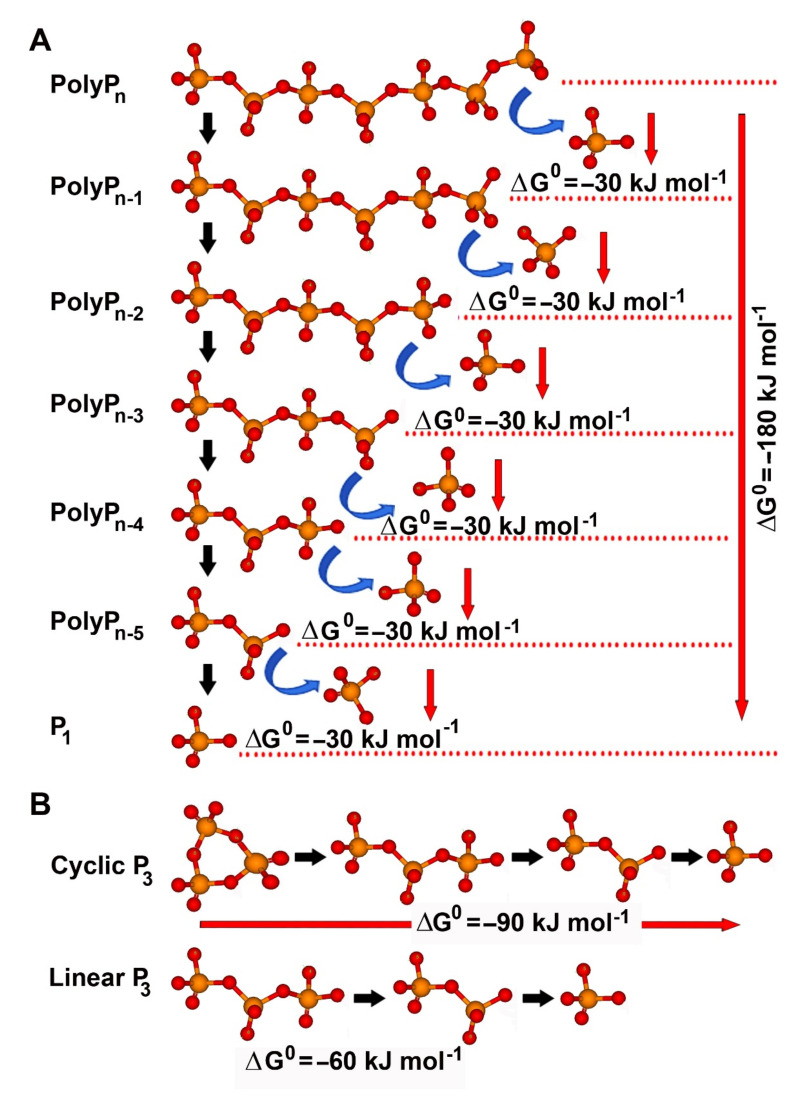
Two biocatalytically produced inorganic biomaterials show great potential for use in regenerative medicine but also other medical applications: bio-silica and bio-polyphosphate (bio-polyP or polyP). Biosilica is synthesized by a group of enzymes called silicateins, which mediate the formation of amorphous hydrated silica from monomeric precursors. The polymeric silicic acid formed by these enzymes, which have been cloned from various siliceous sponge species, then undergoes a maturation process to form a solid biosilica material. The second biomaterial, polyP, has the extraordinary property that it not only has morphogenetic activity similar to biosilica, i.e., can induce cell differentiation through specific gene expression, but also provides metabolic energy through enzymatic cleavage of its high-energy phosphoanhydride bonds. This reaction is catalyzed by alkaline phosphatase, a ubiquitous enzyme that, in combination with adenylate kinase, forms adenosine triphosphate (ATP) from polyP. This article attempts to highlight the biomedical importance of the inorganic polymeric materials biosilica and polyP as well as the enzymes silicatein and alkaline phosphatase, which are involved in their metabolism or mediate their biological activity.
生物二氧化硅和生物聚磷酸盐(生物多聚磷酸或多聚磷酸)。生物二氧化硅由一组称为硅酸酶的酶合成,这些酶介导无定形水合二氧化硅从单体前体形成。由这些已从各种硅质海绵物种中克隆出来的酶形成的聚合硅酸,随后经历成熟过程以形成固体生物二氧化硅材料。第二种生物材料多聚磷酸具有非凡的特性,它不仅具有与生物二氧化硅相似的形态发生活性,即可以通过特定基因表达诱导细胞分化,还能通过其高能磷酸酐键的酶促裂解提供代谢能量。该反应由碱性磷酸酶催化,碱性磷酸酶是一种普遍存在的酶,它与腺苷酸激酶一起,由多聚磷酸形成三磷酸腺苷(ATP)。本文试图强调无机聚合物材料生物二氧化硅和多聚磷酸以及参与它们代谢或介导其生物活性的硅酸酶和碱性磷酸酶在生物医学上的重要性。