Department of Oriental Pharmacy, Woosuk University, Jeonju 55338, Korea.
Department of Oriental Pharmaceutical Science, College of Pharmacy, Kyung Hee University, Seoul 02447, Korea.
Medicina (Kaunas). 2022 Feb 23;58(3):335. doi: 10.3390/medicina58030335.
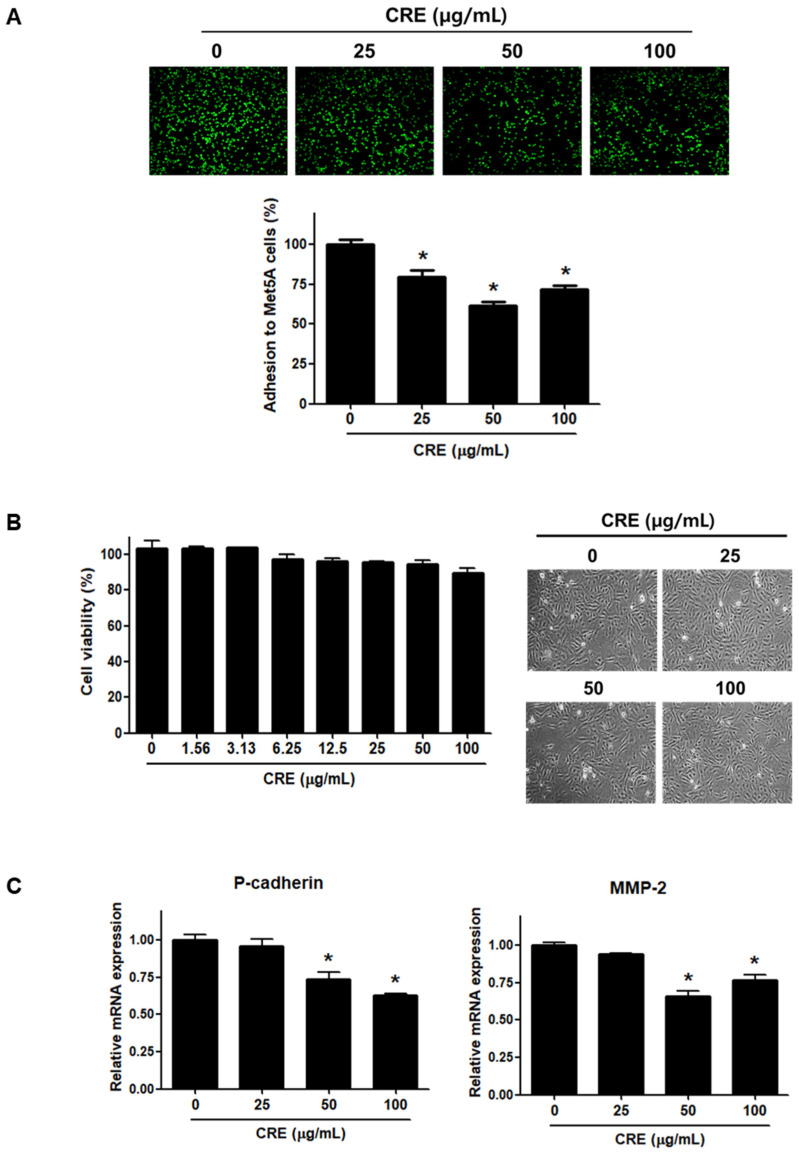
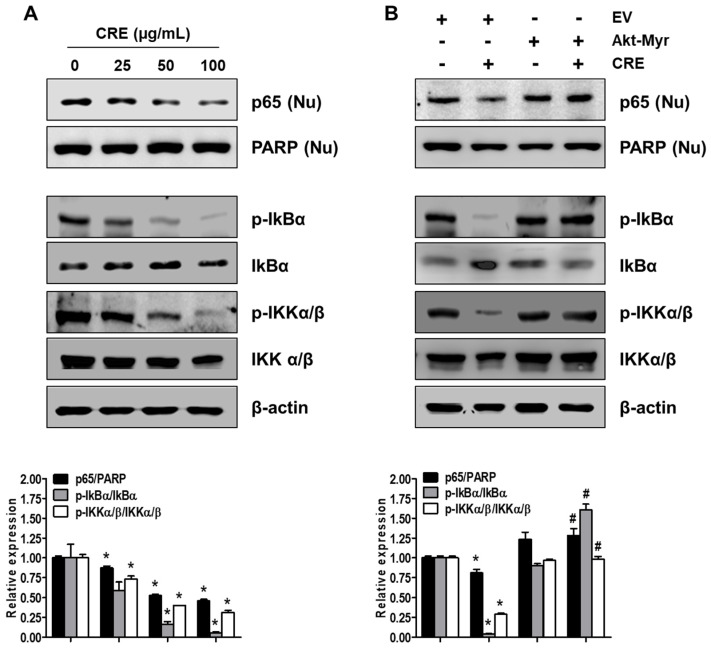
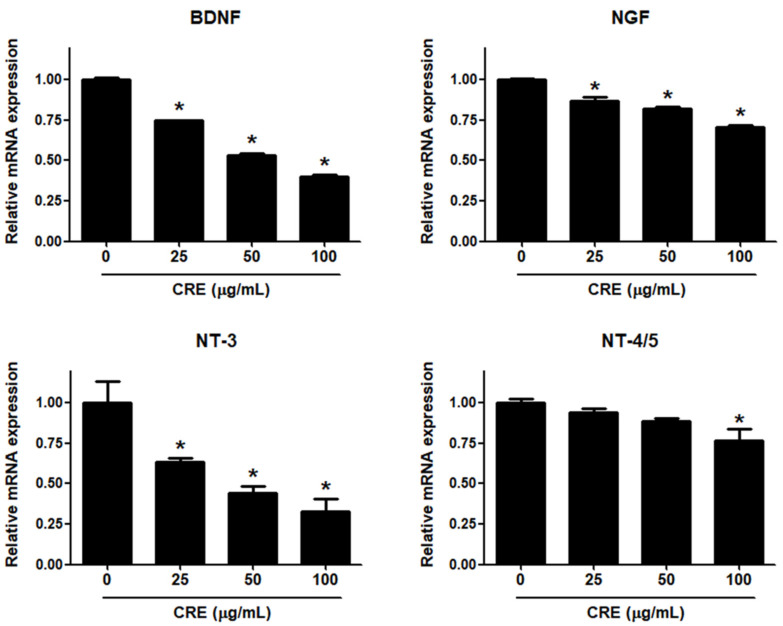
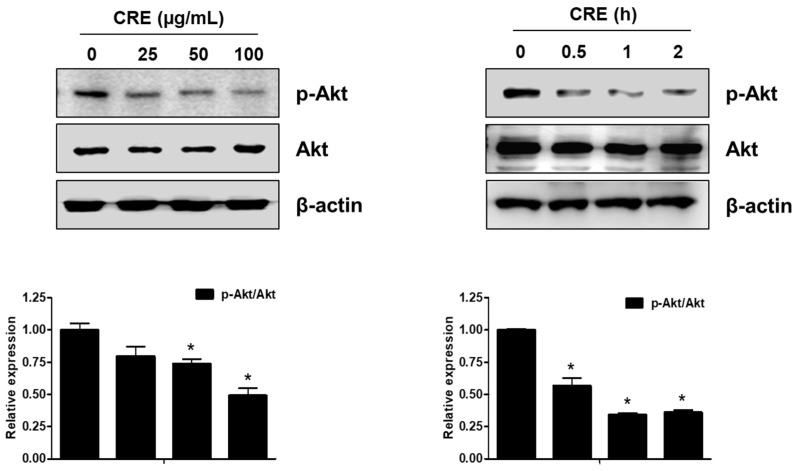
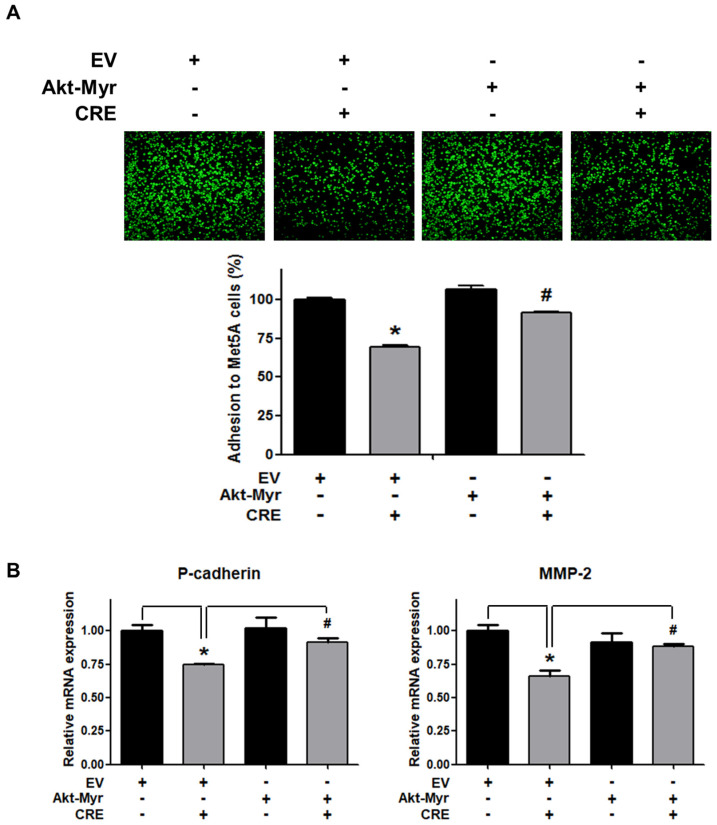
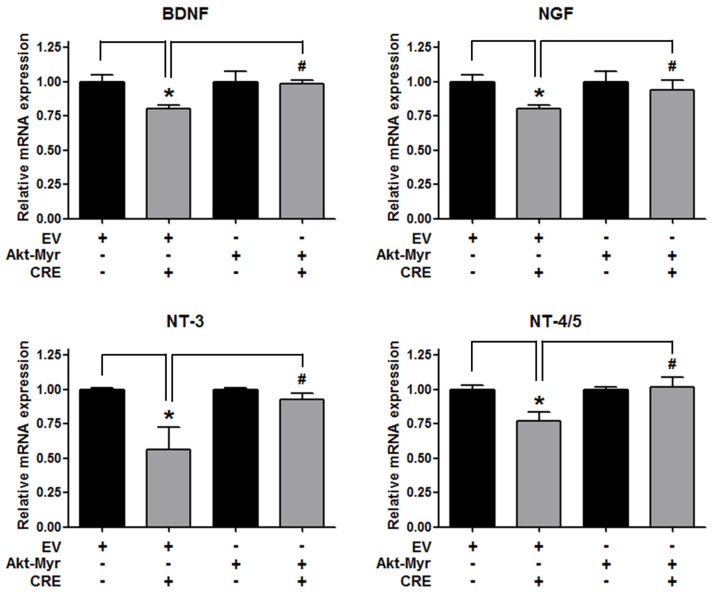
Rhizomes of have been widely used as a traditional medicine in Asia for the treatment of gynecological diseases. However, there is no scientific evidence demonstrating the effect of rhizomes on endometriosis, which is characterized by the adhesion of endometrial tissues outside the uterus, resulting in chronic and severe pelvic pain. The aim of this study was to investigate the effects of Cyperi rhizoma extract (CRE) on cell adhesion and the expression of pain-related factors (neurotrophins) in endometriotic cells, and to elucidate the underlying molecular mechanisms. CRE inhibited the adhesion of human endometriotic 12Z cells to peritoneal mesothelial Met5A cells using by adhesion assays. The mRNA expression of adhesion molecules [P-cadherin and matrix metalloproteinase (MMP)-2] was downregulated by CRE treatment. In addition, CRE significantly inhibited the mRNA expression of neurotrophins (BDNF, NGF, NT-3 and NT-4/5) in 12Z cells. Moreover, Akt overexpression markedly neutralized the inhibition of cell adhesion by CRE and expression of neurotrophins in 12Z cells. Furthermore, it was found that CRE suppressed NF-kB activation through the Akt pathway. These data suggest that CRE exerts anti-endometriotic activities by the inhibition of cell adhesion and neurotrophin expression, through the negative regulation of the Akt and NF-kB pathways in endometriotic cells.
莪术根茎在亚洲被广泛用作传统药物,用于治疗妇科疾病。然而,目前尚无科学证据表明莪术根茎对子宫内膜异位症有治疗作用,子宫内膜异位症的特征是子宫内膜组织在子宫外黏附,导致慢性和严重的盆腔疼痛。本研究旨在探讨莪术根茎提取物(CRE)对子宫内膜异位症细胞黏附和与疼痛相关因子(神经营养因子)表达的影响,并阐明其潜在的分子机制。CRE 通过黏附试验抑制人子宫内膜异位症 12Z 细胞与腹膜间皮 Met5A 细胞的黏附。CRE 处理后黏附分子(P-钙黏蛋白和基质金属蛋白酶[MMP]-2)的 mRNA 表达下调。此外,CRE 还显著抑制了 12Z 细胞中神经营养因子(BDNF、NGF、NT-3 和 NT-4/5)的 mRNA 表达。此外,Akt 过表达明显中和了 CRE 对 12Z 细胞黏附及神经营养因子表达的抑制作用。此外,还发现 CRE 通过 Akt 通路抑制 NF-kB 的激活。这些数据表明,CRE 通过抑制子宫内膜异位症细胞的黏附和神经营养因子的表达,以及负调控 Akt 和 NF-kB 通路,发挥抗子宫内膜异位症活性。