Batteux Eleonore, Mills Freya, Jones Leah Ffion, Symons Charles, Weston Dale
Behavioural Science and Insights Unit, UK Health Security Agency, Salisbury SP4 0JG, UK.
Centre for the Study of Decision-Making Uncertainty, University College London, London WC1E 6BT, UK.
Vaccines (Basel). 2022 Mar 3;10(3):386. doi: 10.3390/vaccines10030386.
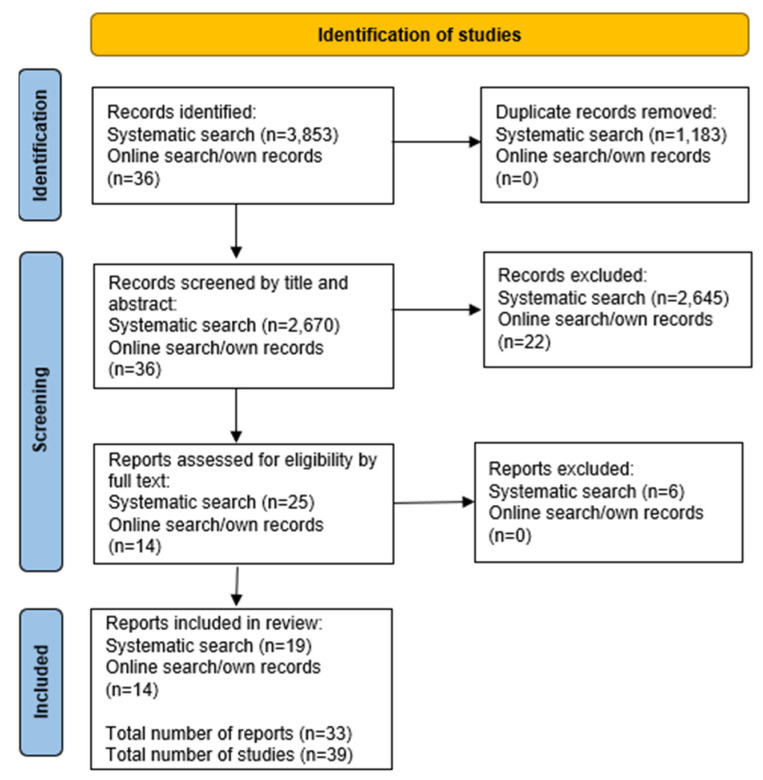
Vaccination is vital to protect the public against COVID-19. The aim of this systematic review is to identify and evaluate the effectiveness of interventions to increase COVID-19 vaccine uptake. We searched a range of databases (Embase, Medline, Psychology & Behavioral Science, PsycInfo, Web of Science and NIH Preprints Portfolio) from March 2020 to July 2021 for studies which reported primary quantitative or qualitative research on interventions to increase COVID-19 vaccine uptake. Outcome measures included vaccination uptake and reported intention to vaccinate. Reviews, position papers, conference abstracts, protocol papers and papers not in English were excluded. The NHLBI quality assessment was used to assess risk of bias. In total, 39 studies across 33 papers met the inclusion criteria. A total of 28 were assessed as good quality. They included interventions relating to communication content, communication delivery, communication presentation, policy or vaccination delivery, with 7 measuring vaccination uptake and 32 measuring vaccination intention. A narrative synthesis was conducted, which highlighted that there is reasonable evidence from studies investigating real behaviour suggesting that personalising communications and sending booking reminders via text message increases vaccine uptake. Findings on vaccination intention are mixed but suggest that communicating uncertainty about the vaccine does not decrease intention, whereas making vaccination mandatory could have a negative impact. Although much of the research used experimental designs, very few measured real behavioural outcomes. Understanding which interventions are most effective amongst vaccine-hesitant populations and in the context of booster vaccinations will be important as vaccine roll outs continue across the world.
接种疫苗对于保护公众免受新冠病毒感染至关重要。本系统综述的目的是识别和评估旨在提高新冠疫苗接种率的干预措施的有效性。我们检索了一系列数据库(Embase、Medline、心理学与行为科学、PsycInfo、科学网和美国国立卫生研究院预印本数据库),时间跨度为2020年3月至2021年7月,以查找报告了关于提高新冠疫苗接种率干预措施的主要定量或定性研究的文献。结果指标包括疫苗接种率和报告的接种意愿。综述、立场文件、会议摘要、方案文件和非英文文献被排除在外。采用美国国立心肺血液研究所质量评估工具来评估偏倚风险。共有33篇论文中的39项研究符合纳入标准。其中28项被评估为高质量研究。这些研究包括与沟通内容、沟通方式、沟通呈现、政策或疫苗接种实施相关的干预措施,其中7项研究测量了疫苗接种率,32项研究测量了接种意愿。进行了叙述性综合分析,结果突出表明,来自调查实际行为的研究有合理证据表明,个性化沟通和通过短信发送预约提醒可提高疫苗接种率。关于接种意愿的研究结果不一,但表明传达疫苗的不确定性不会降低接种意愿,而强制接种可能会产生负面影响。尽管大部分研究采用了实验设计,但很少有研究测量实际行为结果。随着全球范围内疫苗接种工作的持续推进,了解哪些干预措施在对疫苗持犹豫态度的人群以及加强针接种背景下最为有效将非常重要。