Fernandes Marta, Padrão Jorge, Ribeiro Ana I, Fernandes Rui D V, Melro Liliana, Nicolau Talita, Mehravani Behnaz, Alves Cátia, Rodrigues Rui, Zille Andrea
Centre for Textile Science and Technology (2C2T), Campus de Azurém, Universidade do Minho, 4800-058 Guimarães, Portugal.
Nanomaterials (Basel). 2022 Mar 18;12(6):1006. doi: 10.3390/nano12061006.
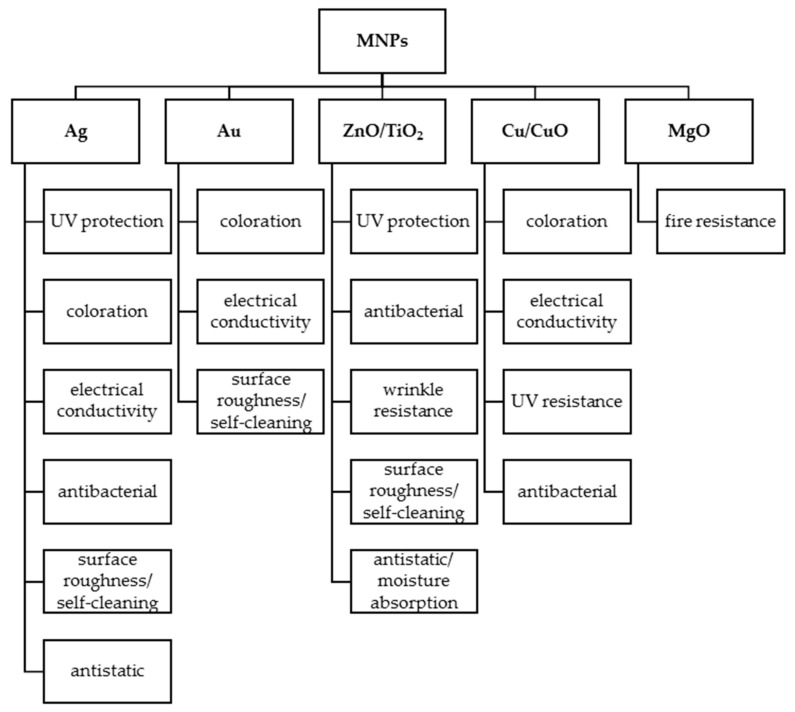
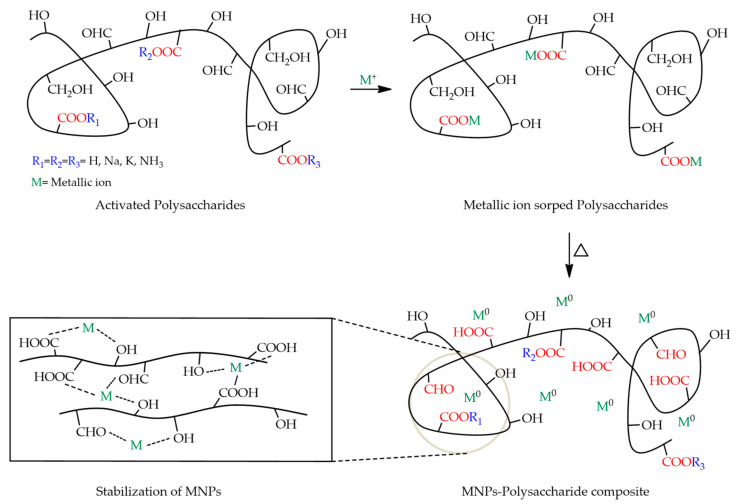
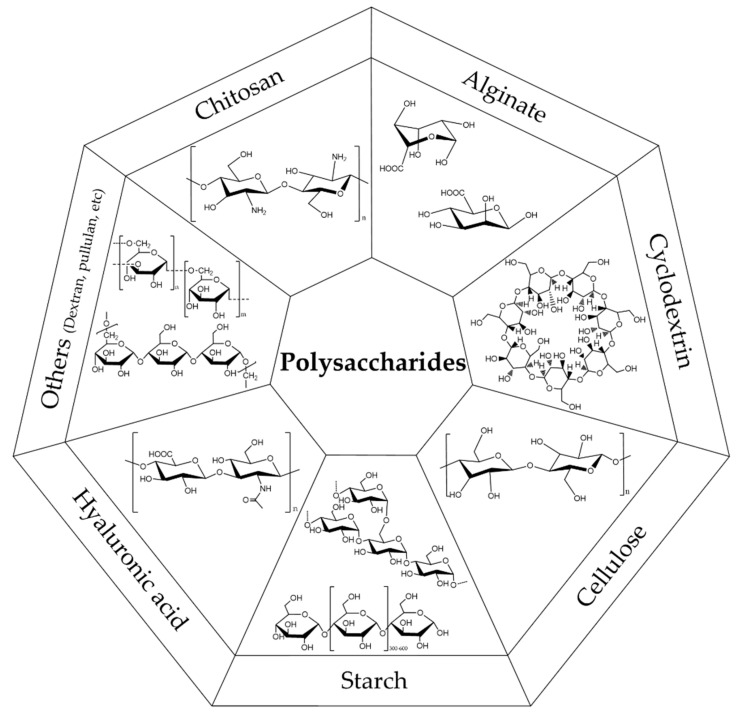
Nanotechnology is a powerful tool for engineering functional materials that has the potential to transform textiles into high-performance, value-added products. In recent years, there has been considerable interest in the development of functional textiles using metal nanoparticles (MNPs). The incorporation of MNPs in textiles allows for the obtention of multifunctional properties, such as ultraviolet (UV) protection, self-cleaning, and electrical conductivity, as well as antimicrobial, antistatic, antiwrinkle, and flame retardant properties, without compromising the inherent characteristics of the textile. Environmental sustainability is also one of the main motivations in development and innovation in the textile industry. Thus, the synthesis of MNPs using ecofriendly sources, such as polysaccharides, is of high importance. The main functions of polysaccharides in these processes are the reduction and stabilization of MNPs, as well as the adhesion of MNPs onto fabrics. This review covers the major research attempts to obtain textiles with different functional properties using polysaccharides and MNPs. The main polysaccharides reported include chitosan, alginate, starch, cyclodextrins, and cellulose, with silver, zinc, copper, and titanium being the most explored MNPs. The potential applications of these functionalized textiles are also reported, and they include healthcare (wound dressing, drug release), protection (antimicrobial activity, UV protection, flame retardant), and environmental remediation (catalysts).
纳米技术是一种用于工程功能材料的强大工具,有潜力将纺织品转变为高性能、高附加值产品。近年来,人们对使用金属纳米颗粒(MNPs)开发功能性纺织品产生了浓厚兴趣。在纺织品中加入MNPs可获得多种功能特性,如紫外线(UV)防护、自清洁、导电性,以及抗菌、抗静电、抗皱和阻燃特性,同时又不影响纺织品的固有特性。环境可持续性也是纺织行业发展与创新的主要动力之一。因此,利用多糖等环保原料合成MNPs至关重要。多糖在这些过程中的主要作用是还原和稳定MNPs,以及使MNPs附着在织物上。本综述涵盖了利用多糖和MNPs获得具有不同功能特性纺织品的主要研究尝试。报道的主要多糖包括壳聚糖、藻酸盐、淀粉、环糊精和纤维素,而银、锌、铜和钛是研究最多的MNPs。还报道了这些功能化纺织品的潜在应用,包括医疗保健(伤口敷料、药物释放)、防护(抗菌活性、紫外线防护、阻燃)和环境修复(催化剂)。