
一种通过鼻内给予载有木犀草素的纳米脂质体改善散发性阿尔茨海默病小鼠模型记忆障碍的脑靶向方法。
A Brain-Targeted Approach to Ameliorate Memory Disorders in a Sporadic Alzheimer's Disease Mouse Model via Intranasal Luteolin-Loaded Nanobilosomes.
作者信息
Elsheikh Manal A, El-Feky Yasmin A, Al-Sawahli Majid Mohammad, Ali Merhan E, Fayez Ahmed M, Abbas Haidy
机构信息
Department of Pharmaceutics, Faculty of Pharmacy, Damanhour University, Damanhour 22511, Egypt.
Department of Pharmaceutics, Faculty of Pharmacy, Modern University for Technology and Information (MTI), Cairo 11571, Egypt.
出版信息
Pharmaceutics. 2022 Mar 5;14(3):576. doi: 10.3390/pharmaceutics14030576.
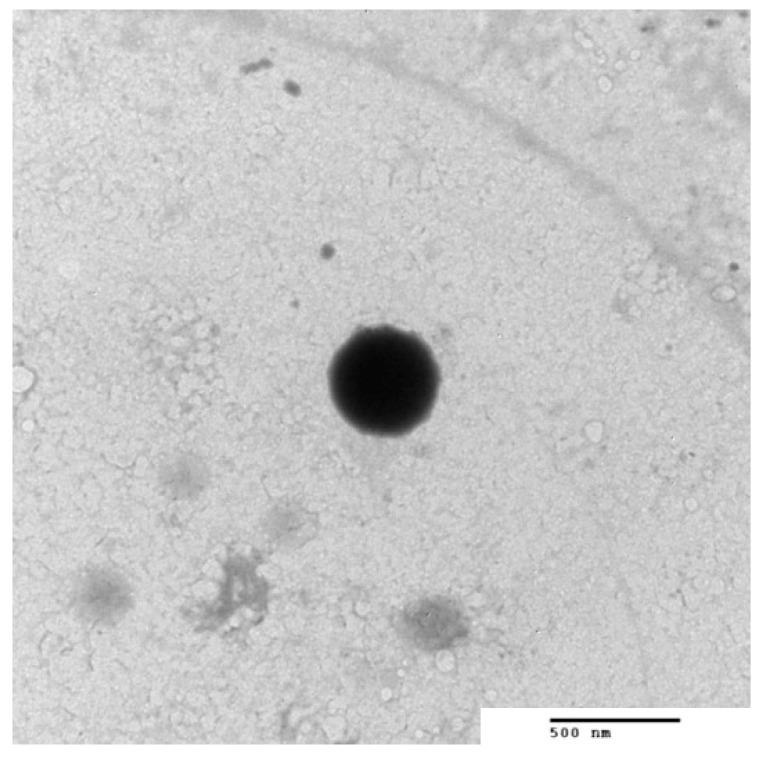
Impaired memory and cognitive function are the main features of Alzheimer's disease (AD). Unfortunately, currently available treatments cannot cure or delay AD progression. Moreover, the blood-brain barrier hampers effective delivery of treatment to the brain. Therefore, we aimed to evaluate the impact of intranasally delivered luteolin on AD using bile-salt-based nano-vesicles (bilosomes). Different bilosomes were prepared using 2-factorial design. The variables were defined by the concentration of surfactant, the molar ratio of cholesterol:phospholipid, and the concentration of bile salt. Results demonstrated optimized luteolin-loaded bilosomes with particle size (153.2 ± 0.98 nm), zeta potential (-42.8 ± 0.24 mV), entrapment efficiency% (70.4 ± 0.77%), and % drug released after 8 h (80.0 ± 1.10%). In vivo experiments were conducted on an AD mouse model via intracerebroventricular injection of 3 mg/kg streptozotocin. We conducted behavioral, biochemical marker, histological, and immune histochemistry assays after administering a luteolin suspension or luteolin bilosomes (50 mg/kg) intranasally for 21 consecutive days. Luteolin bilosomes improved short-term and long-term spatial memory. They also exhibited antioxidant properties and reduced levels of proinflammatory mediators. They also suppressed both amyloid β aggregation and hyperphosphorylated Tau protein levels in the hippocampus. In conclusion, luteolin bilosomes are an effective, safe, and non-invasive approach with superior cognitive function capabilities compared to luteolin suspension.
记忆力和认知功能受损是阿尔茨海默病(AD)的主要特征。不幸的是,目前可用的治疗方法无法治愈或延缓AD的进展。此外,血脑屏障阻碍了治疗药物向大脑的有效递送。因此,我们旨在评估经鼻递送的木犀草素使用基于胆盐的纳米囊泡(双分子层脂质体)对AD的影响。采用二因素设计制备了不同的双分子层脂质体。变量由表面活性剂浓度、胆固醇与磷脂的摩尔比以及胆盐浓度定义。结果表明,优化后的载木犀草素双分子层脂质体的粒径为(153.2±0.98nm),zeta电位为(-42.8±0.24mV),包封率为(70.4±0.77%),8小时后药物释放率为(80.0±1.10%)。通过脑室内注射3mg/kg链脲佐菌素在AD小鼠模型上进行体内实验。在连续21天经鼻给予木犀草素悬浮液或木犀草素双分子层脂质体(50mg/kg)后,我们进行了行为学、生化标志物、组织学和免疫组织化学分析。木犀草素双分子层脂质体改善了短期和长期空间记忆。它们还表现出抗氧化特性并降低了促炎介质的水平。它们还抑制了海马体中淀粉样β蛋白的聚集和过度磷酸化的Tau蛋白水平。总之,与木犀草素悬浮液相比,木犀草素双分子层脂质体是一种有效、安全且非侵入性的方法,具有卓越的认知功能能力。




 Zotero 插件