Kamo Naoki, Kujirai Tomoya, Kurumizaka Hitoshi, Murakami Hiroshi, Hayashi Gosuke, Okamoto Akimitsu
Department of Chemistry and Biotechnology, Graduate School of Engineering, The University of Tokyo 7-3-1 Hongo, Bunkyo-ku Tokyo 113-8656 Japan
Laboratory of Chromatin Structure and Function, Institute for Quantitative Biosciences, The University of Tokyo Bunkyo-ku Tokyo 113-0032 Japan.
Chem Sci. 2021 Mar 22;12(16):5926-5937. doi: 10.1039/d1sc00731a. eCollection 2021 Apr 28.
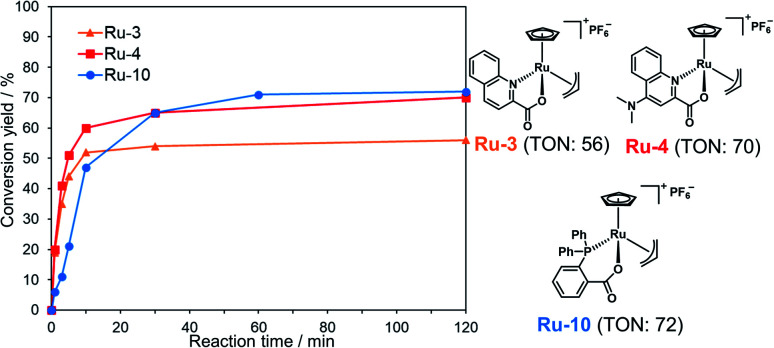
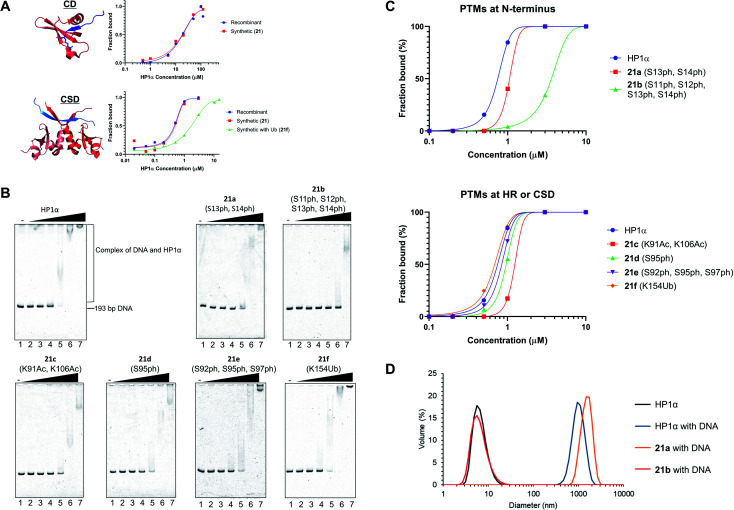
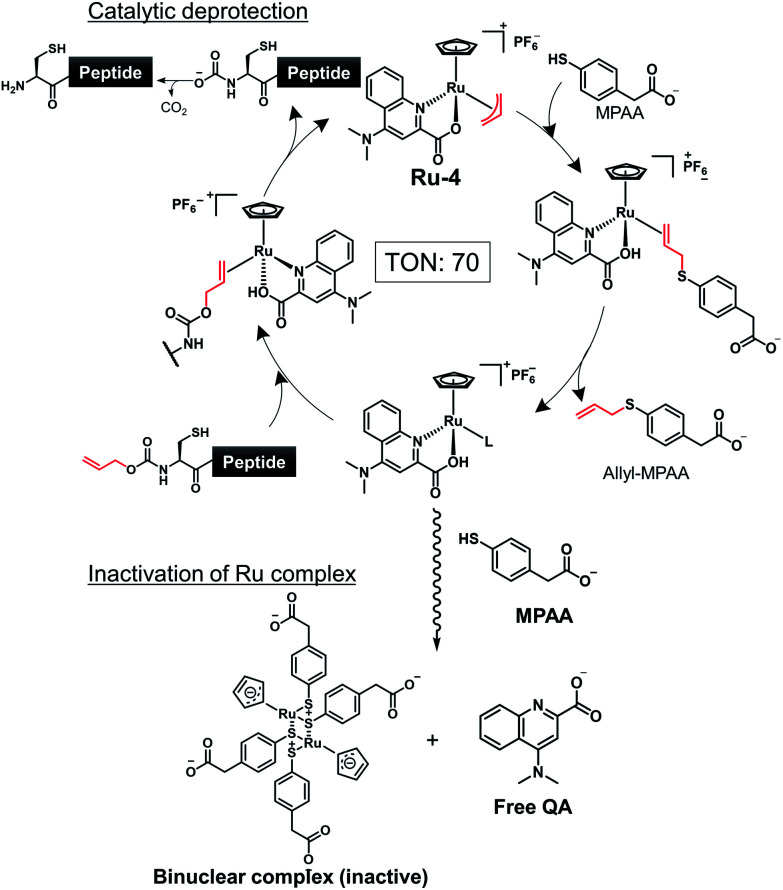
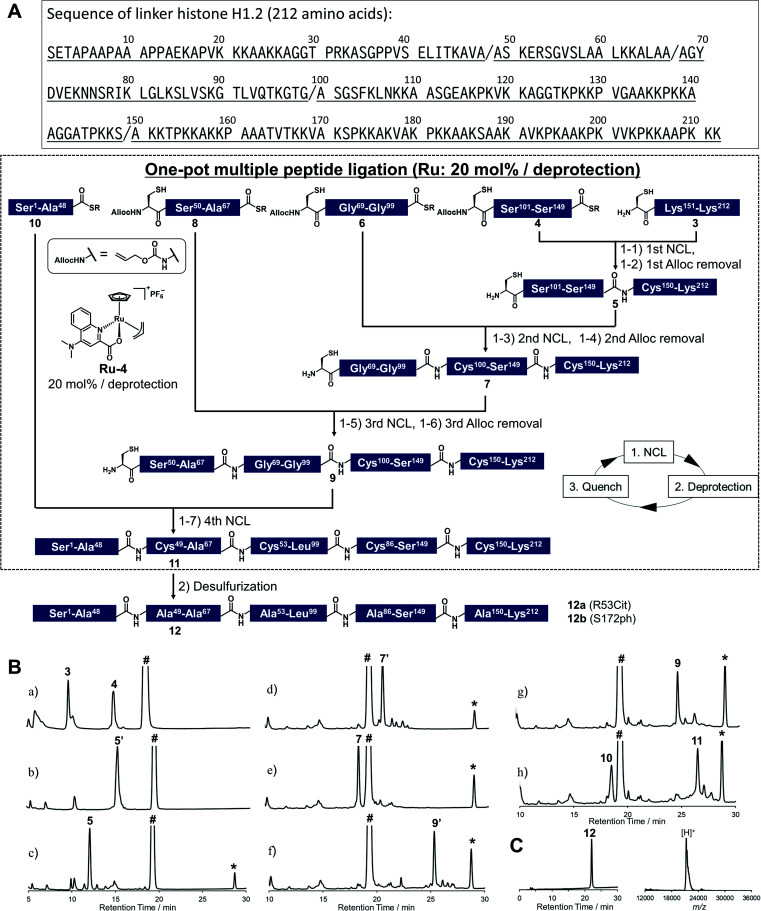
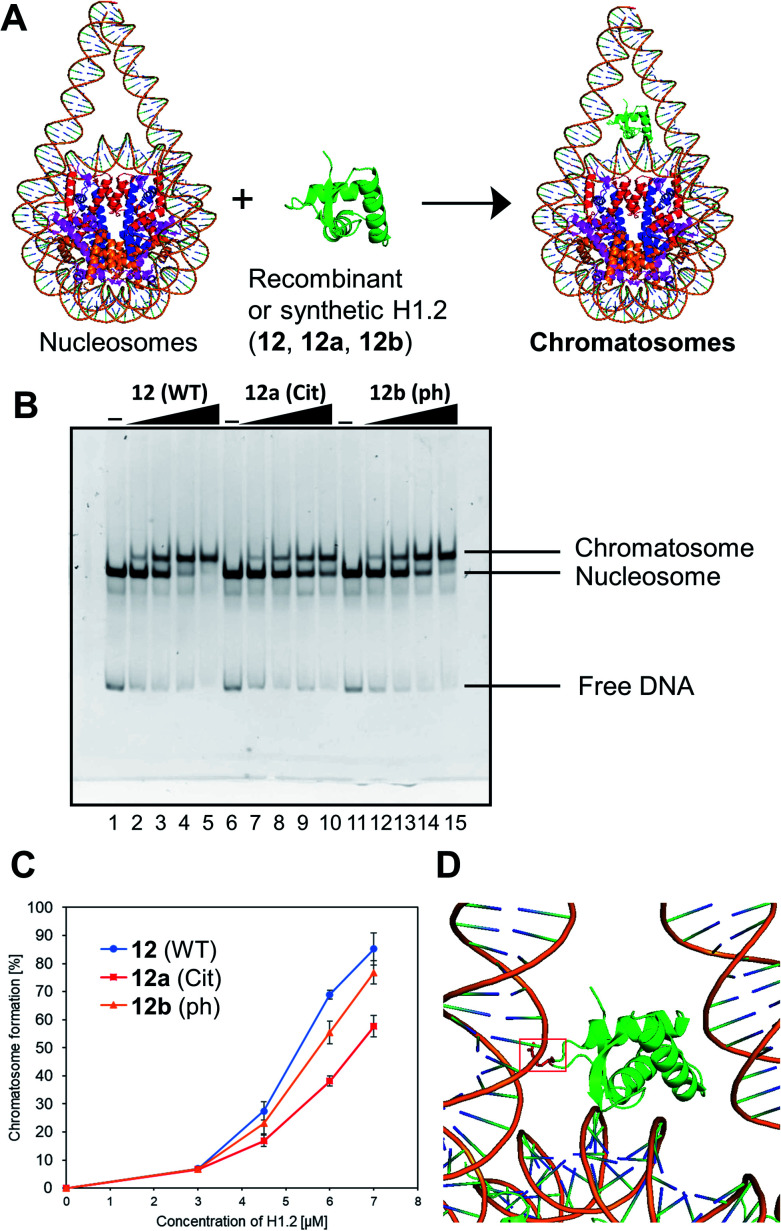
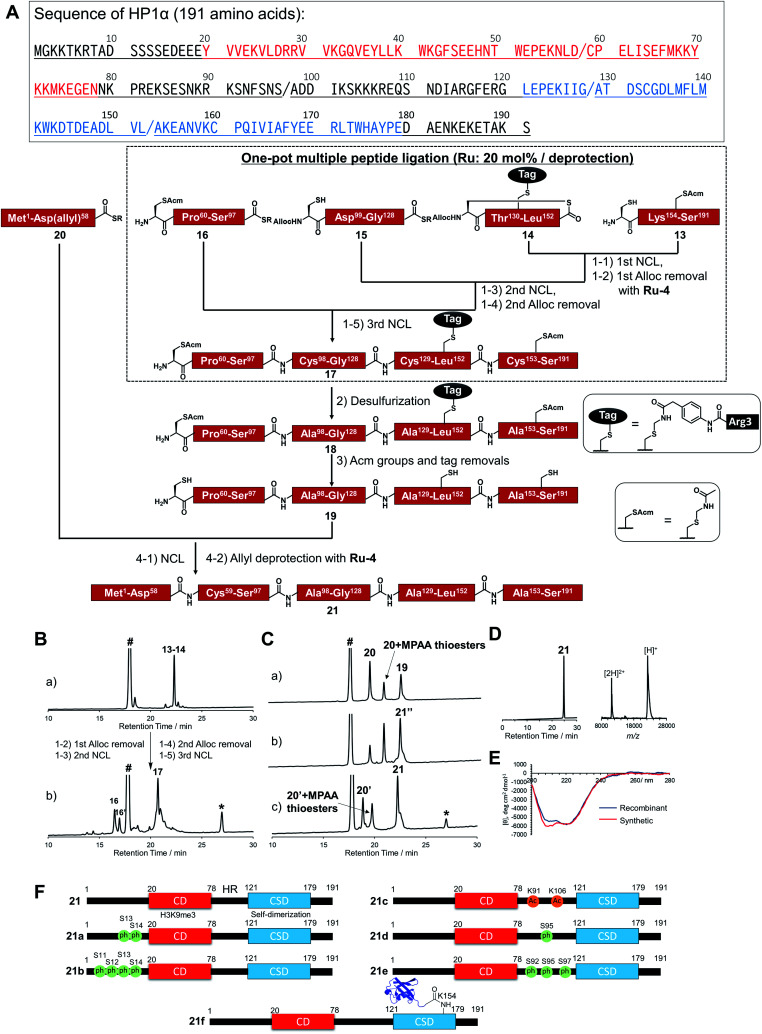
The application of organometallic compounds for protein science has received attention. Recently, total chemical protein synthesis using transition metal complexes has been developed to produce various proteins bearing site-specific posttranslational modifications (PTMs). However, in general, significant amounts of metal complexes were required to achieve chemical reactions of proteins bearing a large number of nucleophilic functional groups. Moreover, syntheses of medium-size proteins (>20 kDa) were plagued by time-consuming procedures due to cumbersome purification and isolation steps, which prevented access to variously decorated proteins. Here, we report a one-pot multiple peptide ligation strategy assisted by an air-tolerant organoruthenium catalyst that showed more than 50-fold activity over previous palladium complexes, leading to rapid and quantitative deprotection on a protein with a catalytic amount (20 mol%) of the metal complex even in the presence of excess thiol moieties. Utilizing the organoruthenium catalyst, heterochromatin factors above 20 kDa, such as linker histone H1.2 and heterochromatin protein 1α (HP1α), bearing site-specific PTMs including phosphorylation, ubiquitination, citrullination, and acetylation have been synthesized. The biochemical assays using synthetic proteins revealed that the citrullination at R53 in H1.2 resulted in the reduced electrostatic interaction with DNA and the reduced binding affinity to nucleosomes. Furthermore, we identified a key phosphorylation region in HP1α to control its DNA-binding ability. The ruthenium chemistry developed here will facilitate the preparation of a variety of biologically and medically significant proteins containing PTMs and non-natural amino acids.
有机金属化合物在蛋白质科学中的应用已受到关注。最近,利用过渡金属配合物进行的全化学蛋白质合成已得到发展,以生产具有位点特异性翻译后修饰(PTM)的各种蛋白质。然而,一般来说,需要大量的金属配合物才能实现含有大量亲核官能团的蛋白质的化学反应。此外,由于繁琐的纯化和分离步骤,中等大小蛋白质(>20 kDa)的合成受到耗时程序的困扰,这阻碍了获得各种修饰的蛋白质。在此,我们报告了一种由耐空气的有机钌催化剂辅助的一锅多肽连接策略,该催化剂的活性比以前的钯配合物高50倍以上,即使在存在过量硫醇部分的情况下,用催化量(20 mol%)的金属配合物也能对蛋白质进行快速定量脱保护。利用有机钌催化剂,已合成了分子量超过20 kDa的异染色质因子,如连接组蛋白H1.2和异染色质蛋白1α(HP1α),它们带有包括磷酸化、泛素化、瓜氨酸化和乙酰化在内的位点特异性PTM。使用合成蛋白质的生化分析表明,H1.2中R53处的瓜氨酸化导致与DNA的静电相互作用降低以及与核小体的结合亲和力降低。此外,我们确定了HP1α中控制其DNA结合能力的关键磷酸化区域。这里开发的钌化学将有助于制备各种含有PTM和非天然氨基酸的具有生物学和医学意义的蛋白质。