Department of Surgery, Li Ka Shing Faculty of Medicine, The University of Hong Kong, Pofulam Road, Pok Fu Lam, Hong Kong.
School of Public Health, Li Ka Shing Faculty of Medicine, The University of Hong Kong, Sassoon Road, Pok Fu Lam, Hong Kong.
Sci Rep. 2022 Mar 30;12(1):5375. doi: 10.1038/s41598-022-09306-6.
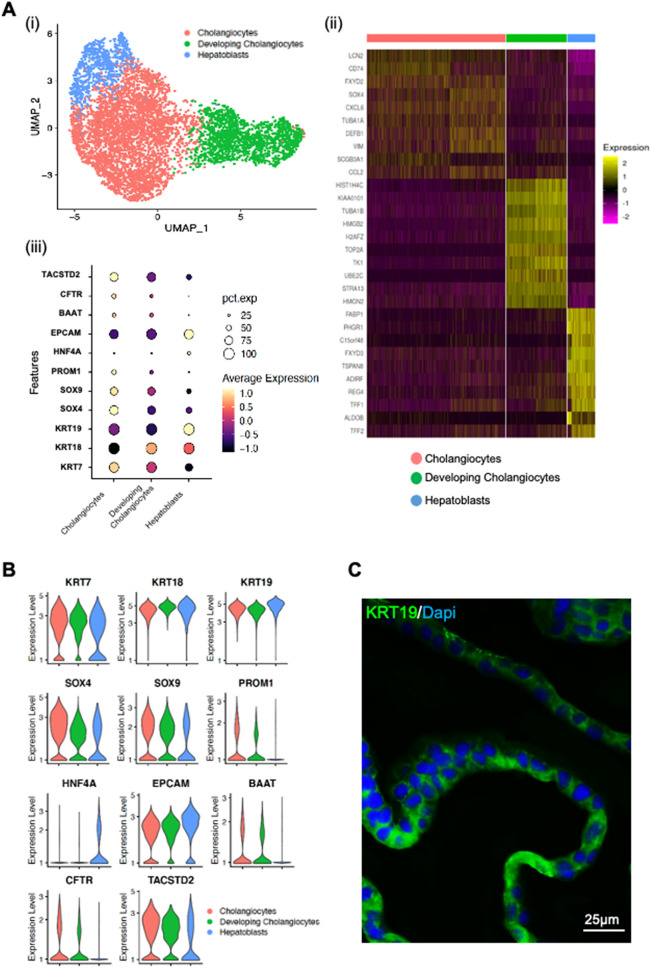
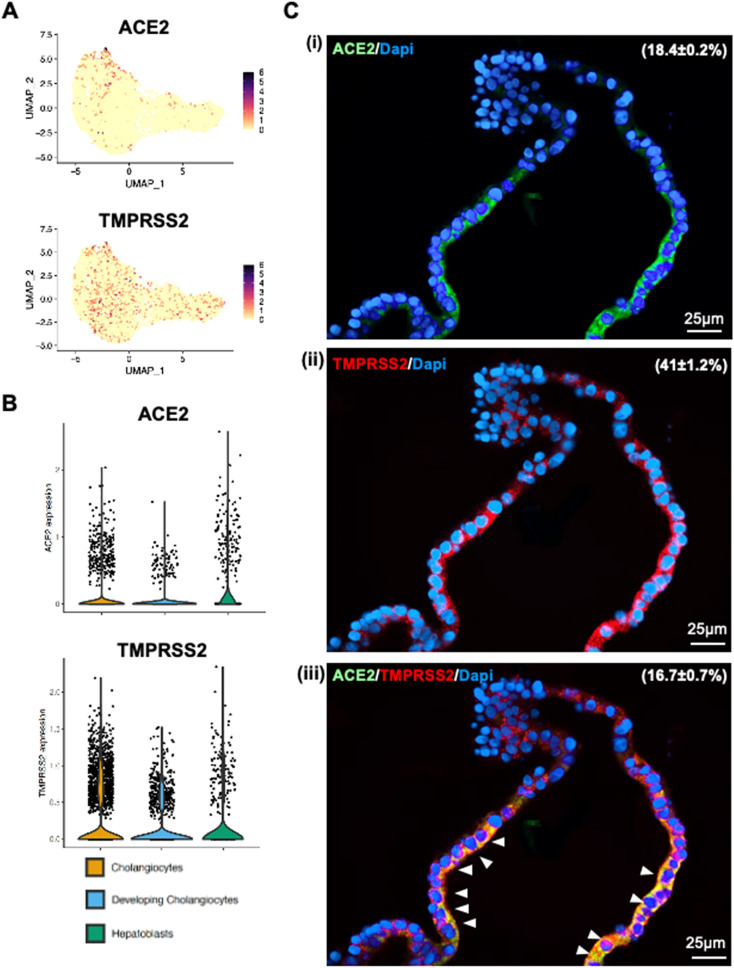
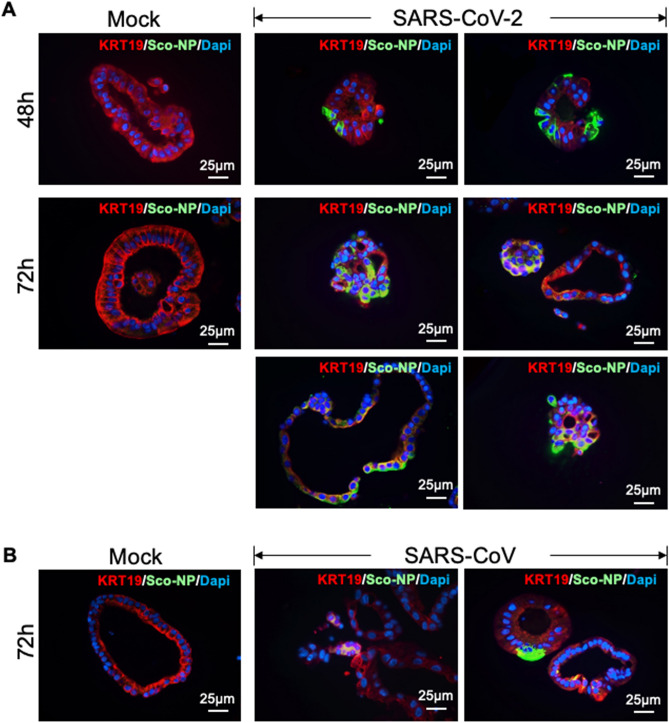
Although the main route of infection for severe acute respiratory syndrome coronavirus 2 (SARS-CoV-2) is the respiratory tract, liver injury is also commonly seen in many patients, as evidenced by deranged parenchymal liver enzymes. Furthermore, the severity of liver damage has been shown to correlate with higher mortality. Overall, the mechanism behind the liver injury remains unclear. We showed in this study that intra-hepatic bile duct cells could be grown using a human liver organoid platform. The cholangiocytes were not only susceptible to SARS-CoV-2 infection, they also supported efficient viral replication. We also showed that SARS-CoV-2 replication was much higher than SARS-CoV. Our findings suggested direct cytopathic viral damage being a mechanism for SARS-CoV-2 liver injury.
虽然严重急性呼吸综合征冠状病毒 2(SARS-CoV-2)的主要感染途径是呼吸道,但许多患者也常出现肝损伤,表现为实质肝酶谱紊乱。此外,肝损伤的严重程度与更高的死亡率相关。总的来说,肝损伤的机制仍不清楚。我们在这项研究中表明,可以使用人类肝类器官平台来培养肝内胆管细胞。胆管细胞不仅易感染 SARS-CoV-2,而且还支持有效的病毒复制。我们还表明,SARS-CoV-2 的复制量远高于 SARS-CoV。我们的研究结果表明,直接的细胞病变病毒损伤是 SARS-CoV-2 肝损伤的一种机制。