Yang Ni, Xu Jun, Wang Xuemei, Chen Ning, Su Lin, Liu Yulan
Department of Gastroenterology, Peking University People's Hospital, Beijing, China.
Clinical Center of Immune-Mediated Digestive Diseases, Peking University People's Hospital, Beijing, China.
Front Microbiol. 2022 Mar 9;13:835310. doi: 10.3389/fmicb.2022.835310. eCollection 2022.
Bile reflux can lead to inflammation and increased intestinal metaplasia. Since bile acids can influence the gastrointestinal environment, it is possible that bile reflux may alter the gastric microbiota and potentially the oral or gut microbiota. Bile acids have a very complex interrelationship with microbiota. We aimed to explore the characteristics of the digestive tract microbiota and bile acids profile in bile reflux patients.
This study included 20 chronic gastritis patients with bile reflux and 20 chronic gastritis patients without bile reflux. Saliva, gastric fluid, and fecal samples were collected for bile acid testing. Buccal mucosal swabs, gastric mucosal tissues, and feces were collected for bacteria detection. The UPLC-MS/MS examined bile acids profiles. 16S rRNA gene sequencing was used to analyze the bacterial profile.
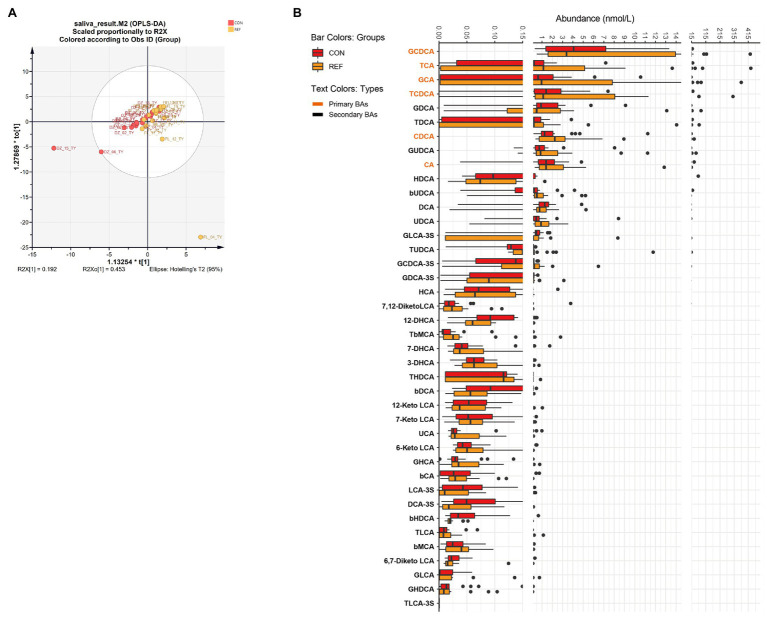
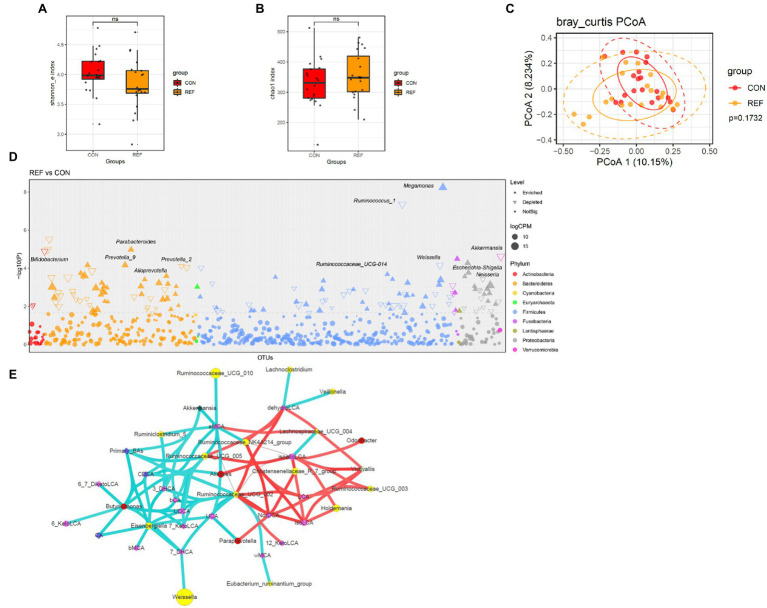
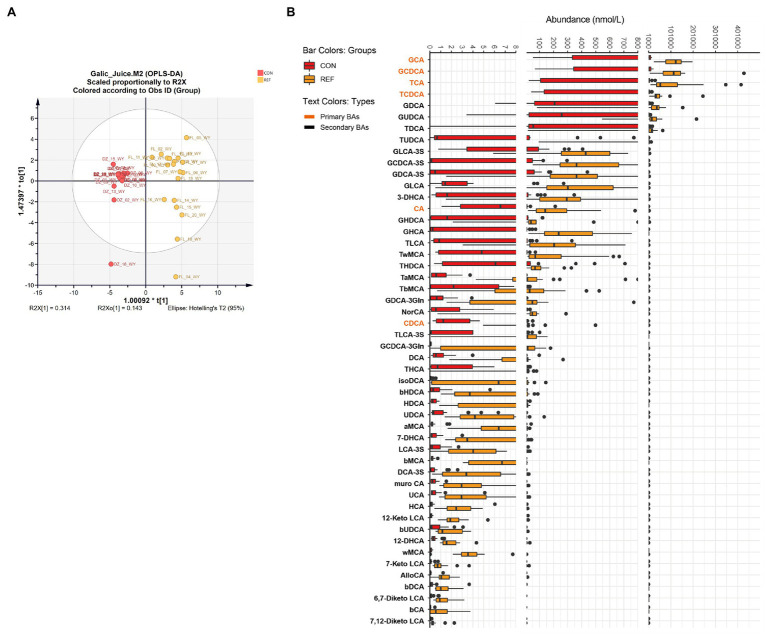
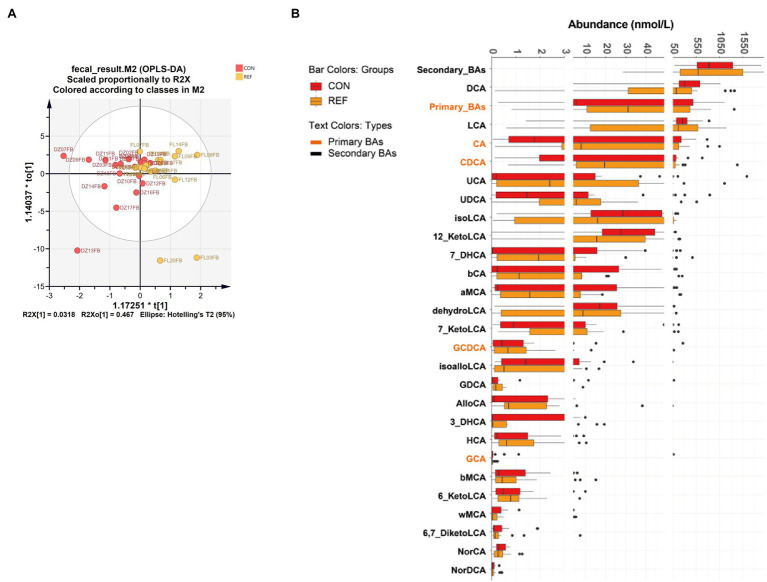
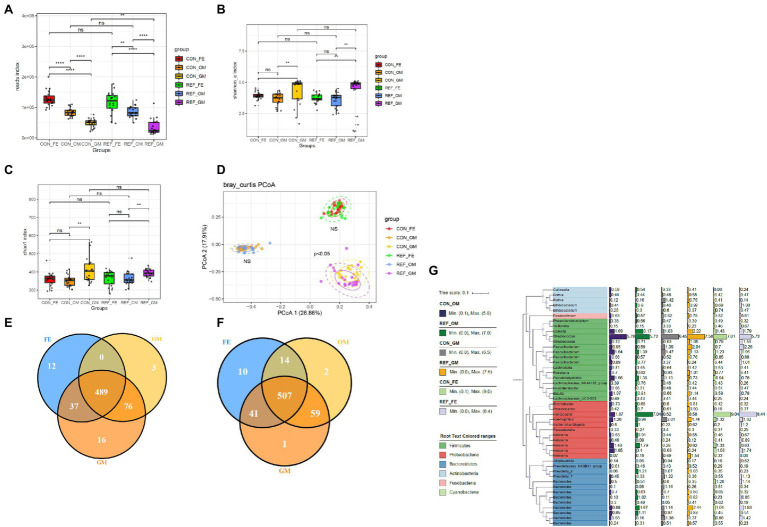
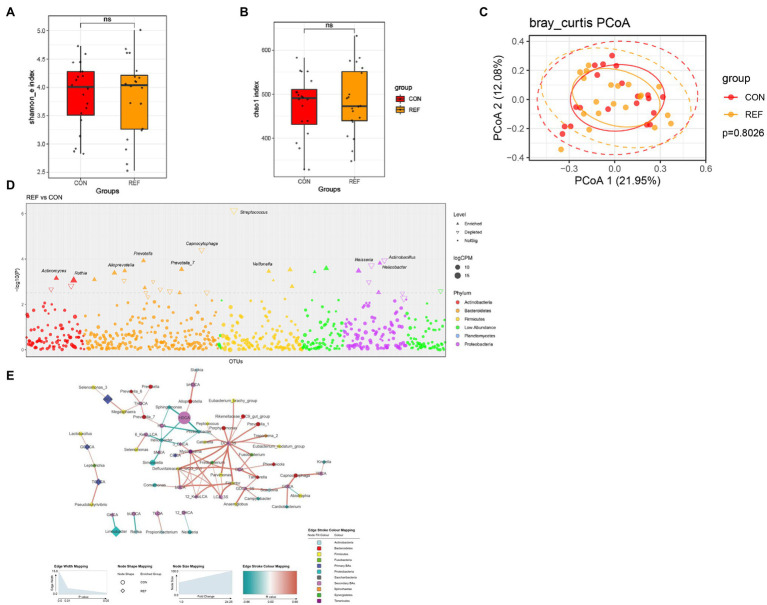
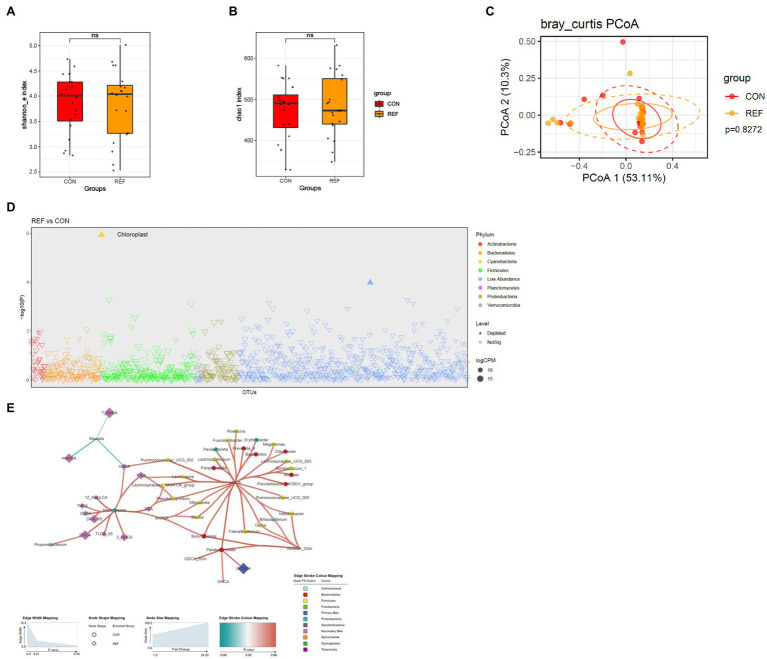
Bilirubin in the blood increased in bile reflux patients. No other clinical factors were identified to be significantly associated with bile reflux. 12-DHCA, 6,7-diketo LCA, and βHDCA decreased while TUDCA increased in saliva of bile reflux patients. , , , and decreased in oral mucosa of bile reflux patients while , , and increased. Gastric bile acid levels were generally higher in bile reflux patients. Gastric mucosal microbiota was highly stable. The changes in fecal bile acids were insignificant. , , , , , and decreased in fecal samples from bile reflux patients; while , , , and increased.
Our results demonstrate that bile reflux significantly alters the oral, gastric, and intestinal bile acids profiles but only influences the oral and gut microbiota composition. These findings indicate that bile reflux can modulate the gastrointestinal microbiota in a site-specific manner.
胆汁反流可导致炎症并增加肠化生。由于胆汁酸可影响胃肠道环境,胆汁反流有可能改变胃微生物群,甚至可能改变口腔或肠道微生物群。胆汁酸与微生物群之间存在非常复杂的相互关系。我们旨在探讨胆汁反流患者消化道微生物群的特征和胆汁酸谱。
本研究纳入20例胆汁反流性慢性胃炎患者和20例无胆汁反流的慢性胃炎患者。收集唾液、胃液和粪便样本进行胆汁酸检测。收集颊黏膜拭子、胃黏膜组织和粪便进行细菌检测。采用超高效液相色谱-串联质谱法检测胆汁酸谱。采用16S rRNA基因测序分析细菌谱。
胆汁反流患者血液中的胆红素升高。未发现其他临床因素与胆汁反流有显著相关性。胆汁反流患者唾液中的12-二羟基胆酸、6,7-二酮石胆酸和β-羟基脱氧胆酸降低,而牛磺熊去氧胆酸升高。胆汁反流患者口腔黏膜中的[具体物质1]、[具体物质2]、[具体物质3]和[具体物质4]降低,而[具体物质5]、[具体物质6]和[具体物质7]升高。胆汁反流患者胃胆汁酸水平总体较高。胃黏膜微生物群高度稳定。粪便胆汁酸的变化不显著。胆汁反流患者粪便样本中的[具体物质8]、[具体物质9]、[具体物质10]、[具体物质11]、[具体物质12]、[具体物质13]和[具体物质14]降低;而[具体物质15]、[具体物质16]、[具体物质17]和[具体物质18]升高。
我们的结果表明,胆汁反流显著改变口腔、胃和肠道胆汁酸谱,但仅影响口腔和肠道微生物群组成。这些发现表明胆汁反流可通过位点特异性方式调节胃肠道微生物群。