McNeil Aliya, Hicks Lydia, Yalcinoz-Ucan Busra, Browne Dillon T
Department of Psychology, University of Waterloo, 200 University Ave West, Waterloo, Ontario N2L 3G1 Canada.
J Fam Violence. 2023;38(2):241-261. doi: 10.1007/s10896-022-00386-6. Epub 2022 Mar 29.
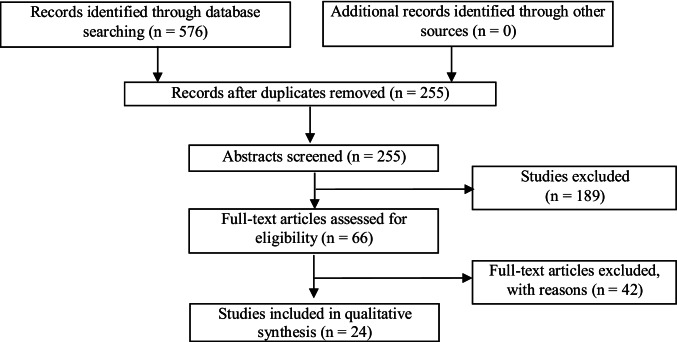
In response to the COVID-19 pandemic, governments enacted a range of public health measures aimed at preventing the spread of the virus. These measures resulted in school closures, social isolation, and job loss, which all contributed to increased psychosocial stress, particularly among families with pre-existing vulnerability factors. Given the relationship between increased psychosocial stress and intimate partner violence (IPV), this rapid review investigated change in the prevalence and correlates of IPV victimization during the first six months of the pandemic. PsycINFO, MEDLINE, Embase, PubMed, Scopus, and the Cochrane COVID-19 registry were reviewed. This search resulted in 255 unique results, of which 24 studies were included. There were 19 studies that examined changes in the rate of IPV from before the COVID-19 pandemic to during the pandemic. Of the studies examining changes in the rate of IPV, 11 found a significant increase. Key vulnerability factors contributing to the increase include low socioeconomic status, unemployment, a personal or familial COVID-19 diagnosis, family mental illness, or overcrowding. Six studies examined whether the presence of children in the home was associated with IPV, but the direction of this relationship was inconsistent. This review finds preliminary evidence of a relationship between COVID-19 induced stressors, pre-existing vulnerabilities, and increased IPV, which present important implications for policy and practice.
为应对新冠疫情,各国政府制定了一系列旨在防止病毒传播的公共卫生措施。这些措施导致学校关闭、社会隔离和失业,所有这些都加剧了心理社会压力,尤其是在那些原本就存在脆弱因素的家庭中。鉴于心理社会压力增加与亲密伴侣暴力(IPV)之间的关系,本次快速综述调查了疫情头六个月IPV受害率及其相关因素的变化情况。对PsycINFO、MEDLINE、Embase、PubMed、Scopus和Cochrane新冠病毒注册库进行了检索。此次检索共得到255条独特结果,其中纳入了24项研究。有19项研究考察了新冠疫情之前到疫情期间IPV发生率的变化。在考察IPV发生率变化的研究中,有11项发现显著增加。导致这种增加的关键脆弱因素包括社会经济地位低、失业、个人或家庭成员新冠病毒检测呈阳性、家庭精神疾病或居住空间拥挤。有六项研究考察了家中有儿童是否与IPV有关,但这种关系的方向并不一致。本综述发现了初步证据,表明新冠疫情引发的压力源、既存的脆弱因素与IPV增加之间存在关联,这对政策和实践具有重要意义。