Soffritti Irene, D'Accolti Maria, Cason Carolina, Lanzoni Luca, Bisi Matteo, Volta Antonella, Campisciano Giuseppina, Mazzacane Sante, Bini Francesca, Mazziga Eleonora, Toscani Paola, Caselli Elisabetta, Comar Manola
Section of Microbiology, Department of Chemical, Pharmaceutical and Agricultural Sciences, and LTTA, University of Ferrara, Ferrara, 44121, Italy.
CIAS Research Center, University of Ferrara, Ferrara, 44122, Italy.
Infect Drug Resist. 2022 Mar 30;15:1399-1410. doi: 10.2147/IDR.S356740. eCollection 2022.
Antimicrobial resistance (AMR) represents a major threat to public health, especially in the hospital environment, and the massive use of disinfectants to prevent COVID-19 transmission might intensify this risk, possibly leading to future AMR pandemics. However, the control of microbial contamination is crucial in hospitals, since hospital microbiomes can cause healthcare-associated infections (HAIs), which are particularly frequent and severe in pediatric wards due to children having high susceptibility.
We have previously reported that probiotic-based sanitation (PCHS) could stably decrease pathogens and their AMR in the hospital environment, reduce associated HAIs in adult hospitals, and inactivate enveloped viruses. Here, we aimed to test the effect of PCHS in the emergency room (ER) of a children's hospital during the COVID-19 pandemic.
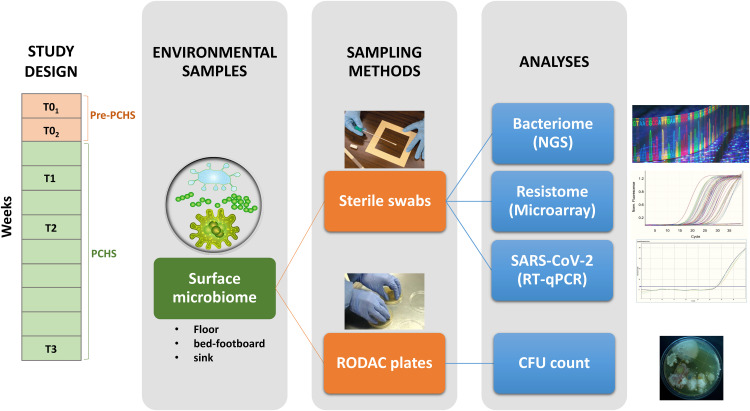
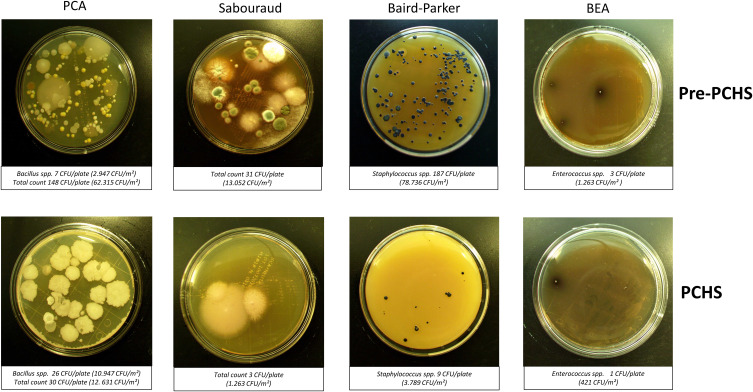
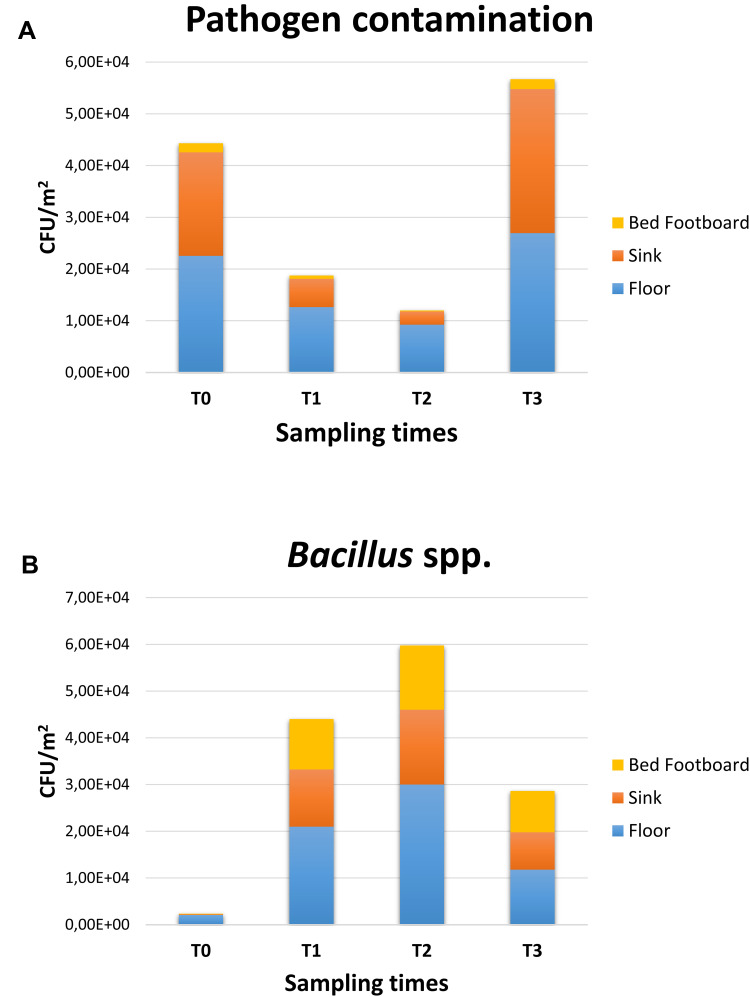
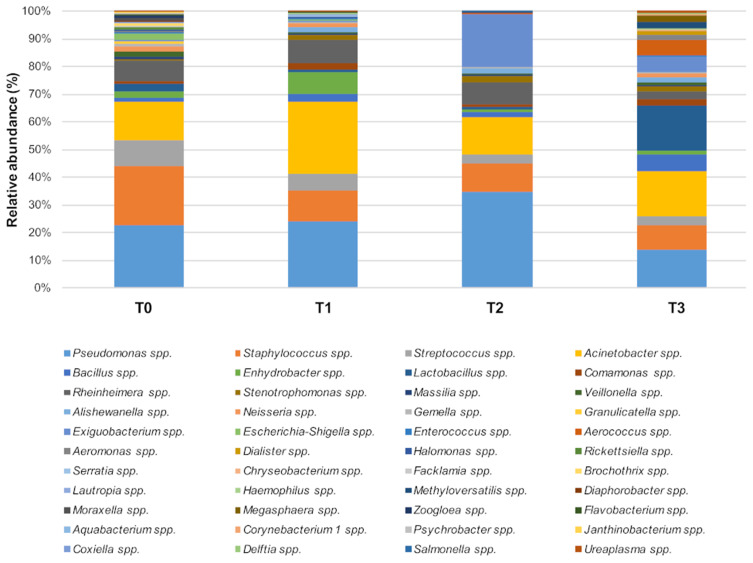
Conventional chemical disinfection was replaced by PCHS for 2 months during routine ER sanitation; the level of environmental bioburden was characterized before and at 2, 4, and 9 weeks after the introduction of PCHS. Microbial contamination was monitored simultaneously by conventional culture-based CFU count and molecular assays, including 16S rRNA NGS for bacteriome characterization and microarrays for the assessment of the resistome of the contaminating population. The presence of SARS-CoV-2 was also monitored by PCR.
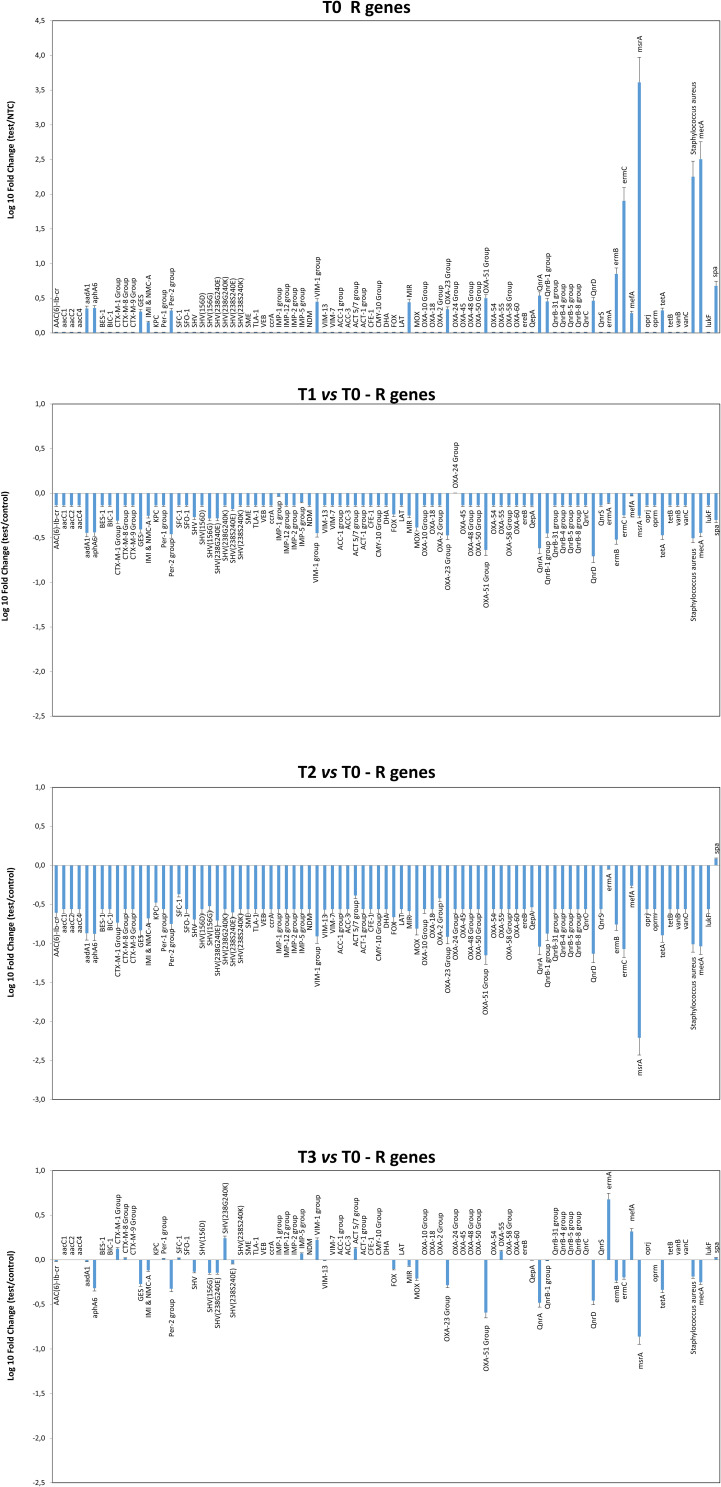
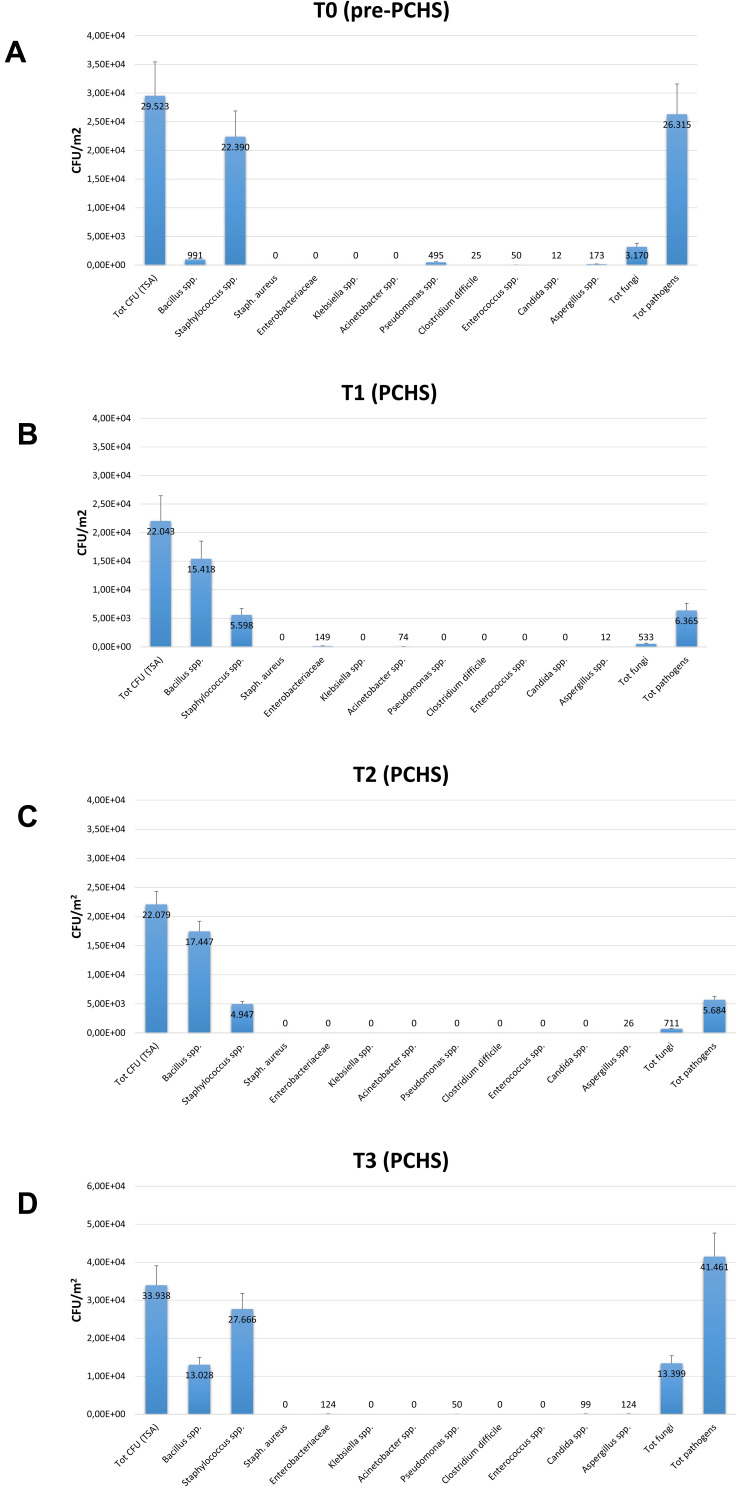
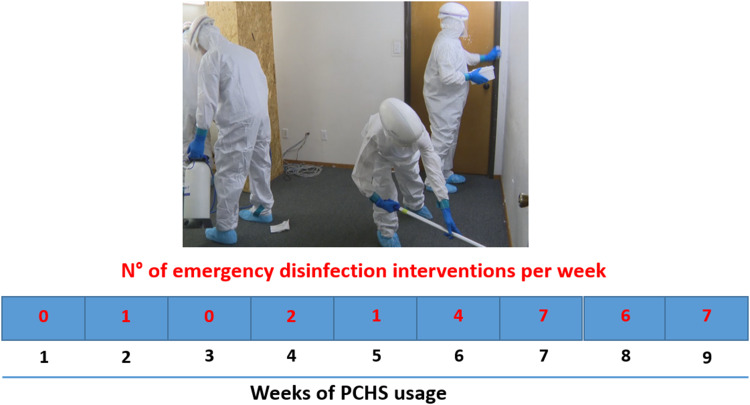
PCHS usage was associated with a stable 80% decrease in surface pathogens compared to levels detected for chemical disinfection ( < 0.01), accompanied by an up to 2 log decrease in resistance genes ( < 0.01). The effects were reversed when reintroducing chemical disinfection, which counteracted the action of the PCHS. SARS-CoV-2 was not detectable in both the pre-PCHS and PCHS periods. As the control of microbial contamination is a major issue, especially during pandemic emergencies, collected data suggest that PCHS may be successfully used to control virus spread without simultaneous worsening of the AMR concern.
抗菌药物耐药性(AMR)对公共卫生构成重大威胁,尤其是在医院环境中,而大量使用消毒剂来预防新冠病毒传播可能会加剧这种风险,有可能导致未来的AMR大流行。然而,控制微生物污染在医院中至关重要,因为医院微生物群落可引发医疗保健相关感染(HAIs),由于儿童易感性高,这类感染在儿科病房尤为常见且严重。
我们之前曾报道,基于益生菌的卫生清洁方法(PCHS)可在医院环境中稳定减少病原体及其AMR,降低成人医院中的相关HAIs,并使包膜病毒失活。在此,我们旨在测试PCHS在新冠疫情期间儿童医院急诊室(ER)中的效果。
在急诊室常规卫生清洁期间,用PCHS替代传统化学消毒2个月;在引入PCHS之前以及之后的第2、4和9周对环境生物负荷水平进行表征。通过基于传统培养的CFU计数和分子检测同时监测微生物污染,包括用于细菌群落表征的16S rRNA NGS和用于评估污染菌群耐药组的微阵列。还通过PCR监测新冠病毒的存在。
与化学消毒检测水平相比,使用PCHS可使表面病原体稳定减少80%(<0.01),同时耐药基因最多减少2个对数(<0.01)。重新引入化学消毒时效果逆转,化学消毒抵消了PCHS的作用。在PCHS之前和期间均未检测到新冠病毒。由于控制微生物污染是一个主要问题,尤其是在大流行紧急情况下,收集的数据表明PCHS可成功用于控制病毒传播,同时不会使AMR问题恶化。