Department of Molecular Microbiology and Immunology, Johns Hopkins University, Baltimore, Maryland, USA.
Department of Defense Biotechnology High Performance Computing Software Applications Institute, Telemedicine and Advanced Technology Research Center, U.S. Army Medical Research and Development Command, Ft. Detrick, Maryland, USA; The Henry M. Jackson Foundation for the Advancement of Military Medicine, Inc, Bethesda, Maryland, USA.
J Biol Chem. 2022 May;298(5):101897. doi: 10.1016/j.jbc.2022.101897. Epub 2022 Apr 6.
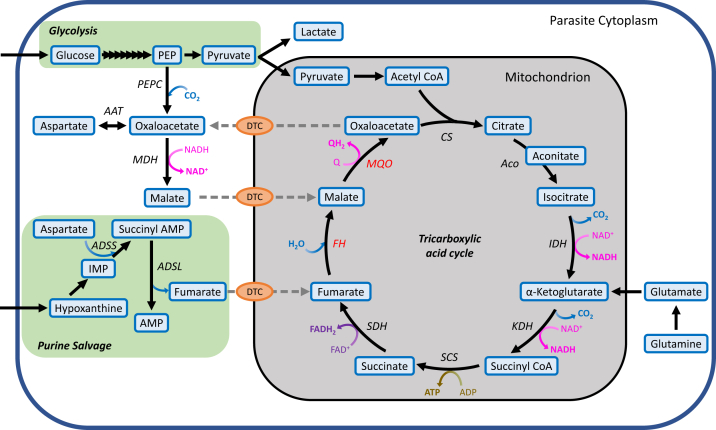
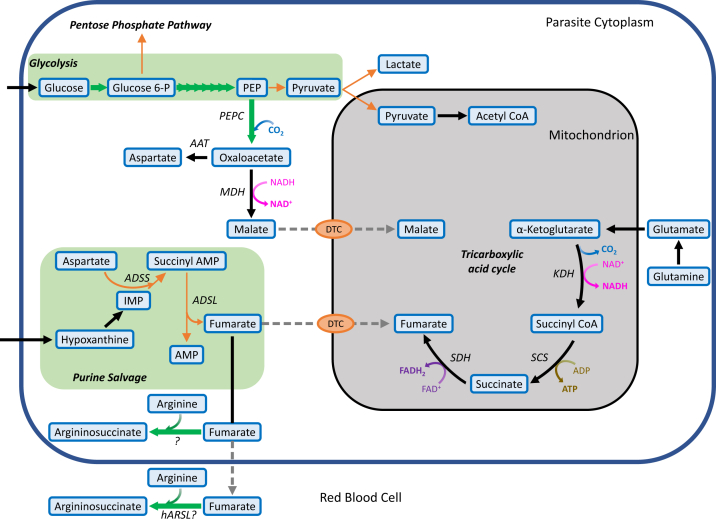
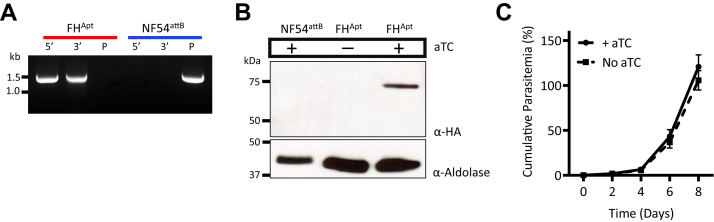
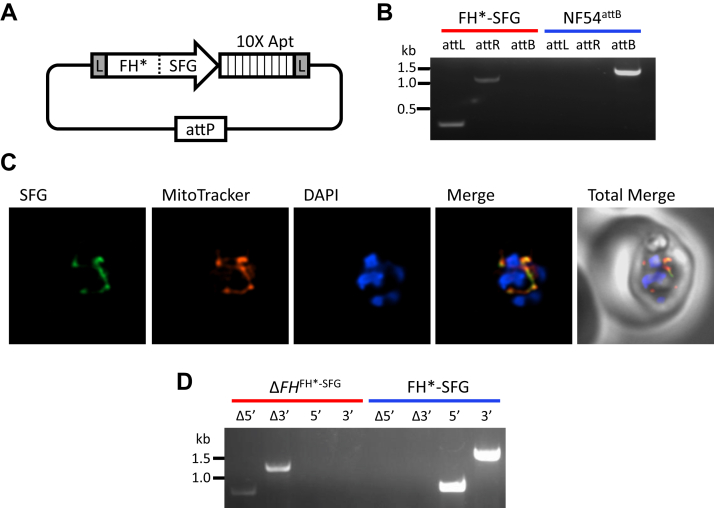
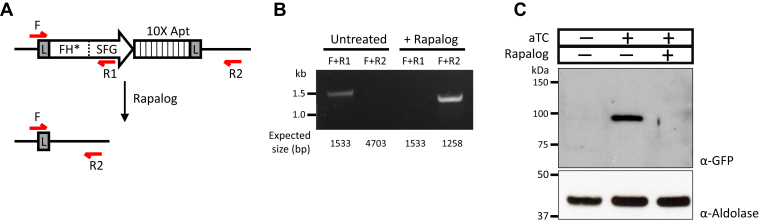
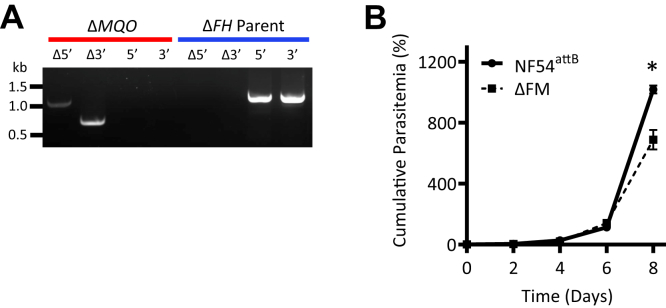
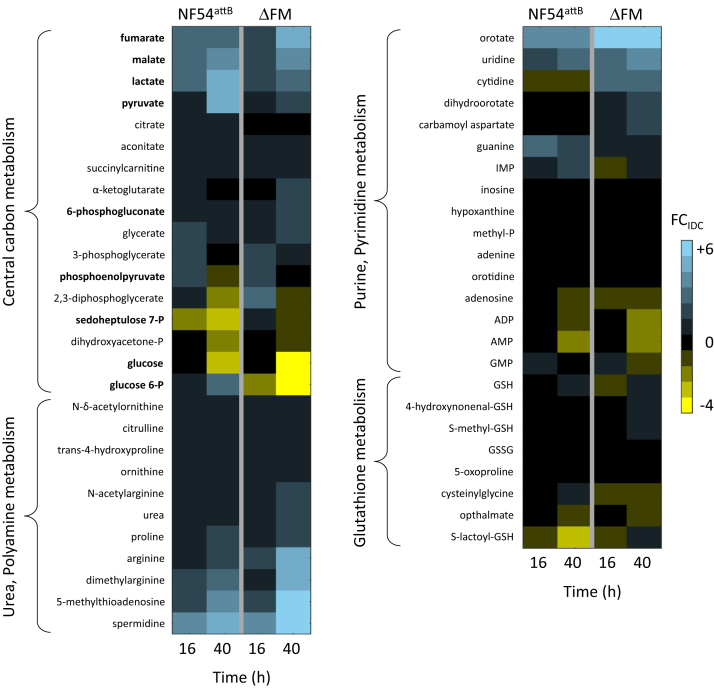
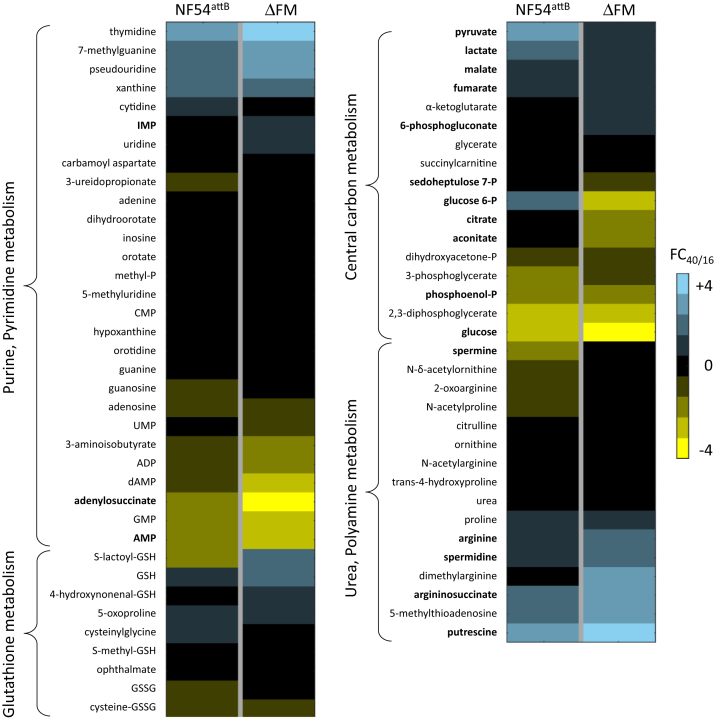
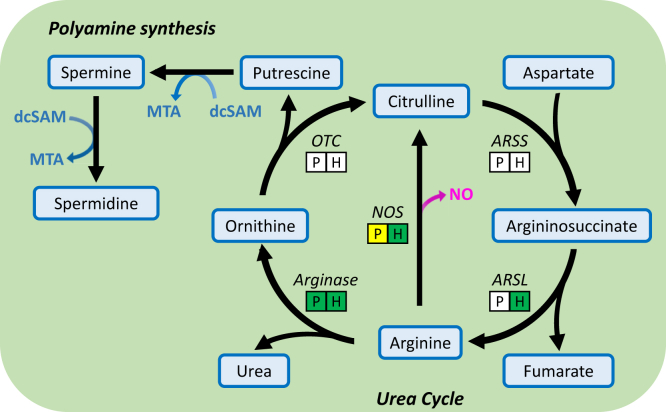
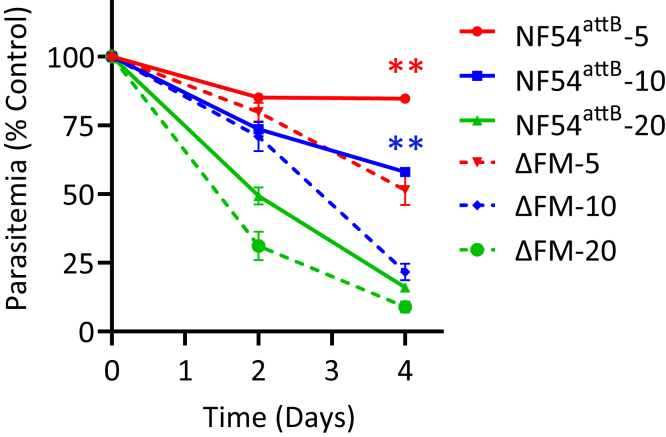
In the glucose-rich milieu of red blood cells, asexually replicating malarial parasites mainly rely on glycolysis for ATP production, with limited carbon flux through the mitochondrial tricarboxylic acid (TCA) cycle. By contrast, gametocytes and mosquito-stage parasites exhibit an increased dependence on the TCA cycle and oxidative phosphorylation for more economical energy generation. Prior genetic studies supported these stage-specific metabolic preferences by revealing that six of eight TCA cycle enzymes are completely dispensable during the asexual blood stages of Plasmodium falciparum, with only fumarate hydratase (FH) and malate-quinone oxidoreductase (MQO) being refractory to deletion. Several hypotheses have been put forth to explain the possible essentiality of FH and MQO, including their participation in a malate shuttle between the mitochondrial matrix and the cytosol. However, using newer genetic techniques like CRISPR and dimerizable Cre, we were able to generate deletion strains of FH and MQO in P. falciparum. We employed metabolomic analyses to characterize a double knockout mutant of FH and MQO (ΔFM) and identified changes in purine salvage and urea cycle metabolism that may help to limit fumarate accumulation. Correspondingly, we found that the ΔFM mutant was more sensitive to exogenous fumarate, which is known to cause toxicity by modifying and inactivating proteins and metabolites. Overall, our data indicate that P. falciparum is able to adequately compensate for the loss of FH and MQO, rendering them unsuitable targets for drug development.
在富含葡萄糖的红细胞环境中,无性繁殖的疟原虫主要依赖糖酵解来产生 ATP,只有有限的碳通量通过线粒体三羧酸(TCA)循环。相比之下,配子体和蚊子阶段的寄生虫对 TCA 循环和氧化磷酸化的依赖增加,以更经济地产生能量。先前的遗传研究通过揭示在疟原虫无性血阶段,八种 TCA 循环酶中有六种是完全可有可无的,只有延胡索酸水合酶(FH)和苹果酸-醌氧化还原酶(MQO)对缺失具有抗性,从而支持了这些阶段特异性代谢偏好。已经提出了几种假设来解释 FH 和 MQO 可能的必需性,包括它们在线粒体基质和细胞质之间的苹果酸穿梭中的参与。然而,我们使用新的遗传技术,如 CRISPR 和可二聚化 Cre,能够在疟原虫中生成 FH 和 MQO 的缺失菌株。我们采用代谢组学分析来表征 FH 和 MQO 的双缺失突变体(ΔFM),并确定嘌呤补救和尿素循环代谢的变化,这可能有助于限制延胡索酸的积累。相应地,我们发现 ΔFM 突变体对外源性延胡索酸更敏感,已知延胡索酸通过修饰和失活蛋白质和代谢物来引起毒性。总体而言,我们的数据表明,疟原虫能够充分补偿 FH 和 MQO 的缺失,使它们不适合作为药物开发的靶点。