
身体自我很重要:身体意象的双重性质如何影响智能手表购买意愿。
Physical Self Matters: How the Dual Nature of Body Image Influences Smart Watch Purchase Intention.
作者信息
Wang Teng, Sun Yongqiang, Liao Shengwu
机构信息
School of Management, Harbin Institute of Technology, Harbin, China.
School of Information Management, Wuhan University, Wuhan, China.
出版信息
Front Psychol. 2022 Mar 25;13:846491. doi: 10.3389/fpsyg.2022.846491. eCollection 2022.
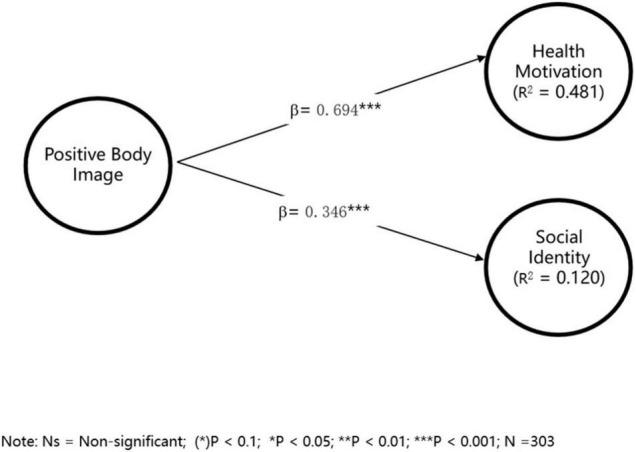
To determine the role of physical self in body-involving consumption, we explore how body image influences purchasing intention toward hybrid products with body-involving features. In this study, we establish the dual nature of body image: specifically, body image influences intention to purchase via the perception of utilitarian value and symbolic value. Further, we find a competitive mediation in which positive body image (PBI) negatively influences purchase intention (direct effect), while PBI is positively related to purchase intention via utilitarian and symbolic value (indirect effect). This indicates that without the mediation testing of the utilitarian-symbolic framework, the positive influence of body image will be "hidden." Additionally, the mediated effect of symbolic value is moderated by personal innovativeness toward technology (PITT), suggesting that a consumer's knowledge of wearables enhances the effect of body image. With the introduction of body image, this paper provides a more comprehensive model to analyze purchase intention with regard to digital products with body-involving features.
为了确定身体自我在涉及身体的消费中的作用,我们探讨了身体形象如何影响对具有身体相关特征的混合产品的购买意愿。在本研究中,我们确立了身体形象的双重性质:具体而言,身体形象通过功利价值和象征价值的感知来影响购买意愿。此外,我们发现了一种竞争性中介作用,即积极身体形象(PBI)对购买意愿有负面影响(直接效应),而PBI通过功利价值和象征价值与购买意愿呈正相关(间接效应)。这表明,如果没有功利 - 象征框架的中介检验,身体形象的积极影响将会“被隐藏”。此外,象征价值的中介效应受到对技术的个人创新性(PITT)的调节,这表明消费者对可穿戴设备的了解会增强身体形象的影响。通过引入身体形象,本文提供了一个更全面的模型来分析对具有身体相关特征的数字产品的购买意愿。


 Zotero 插件