Curandis, New York, NY, United States.
Department of Gastroenterology, Affiliated Hospital of Guizhou Medical University, Guiyang, China.
Front Immunol. 2022 Mar 24;13:831849. doi: 10.3389/fimmu.2022.831849. eCollection 2022.
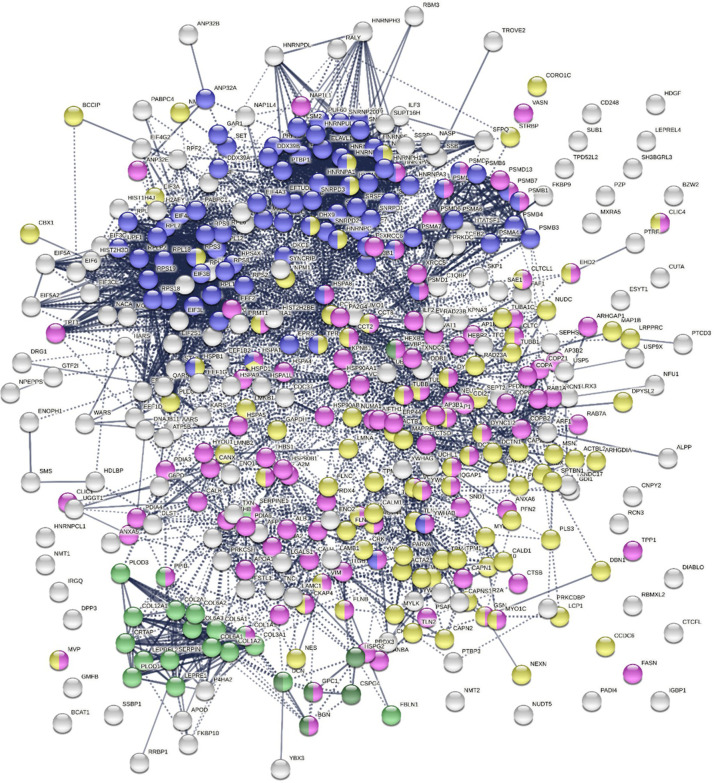
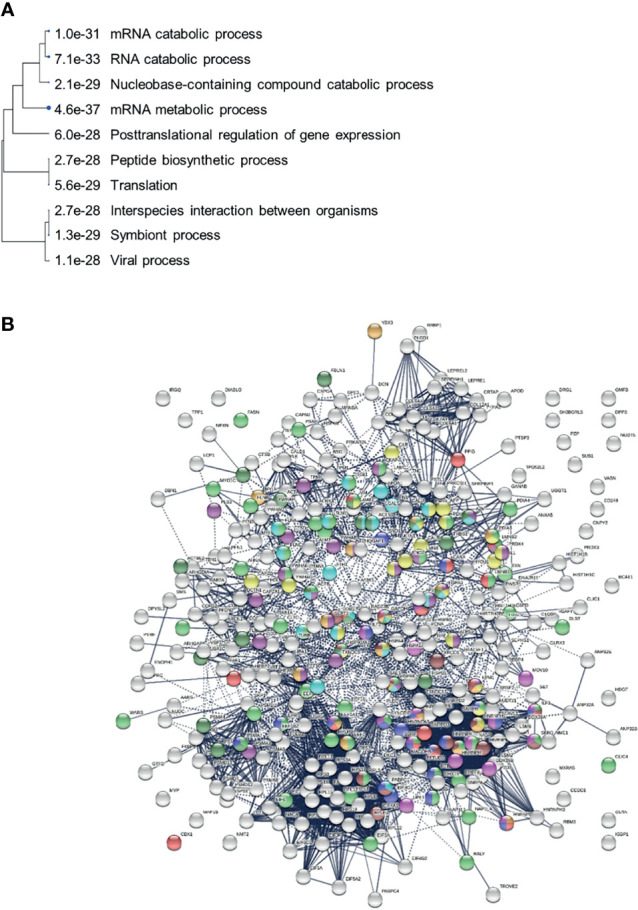
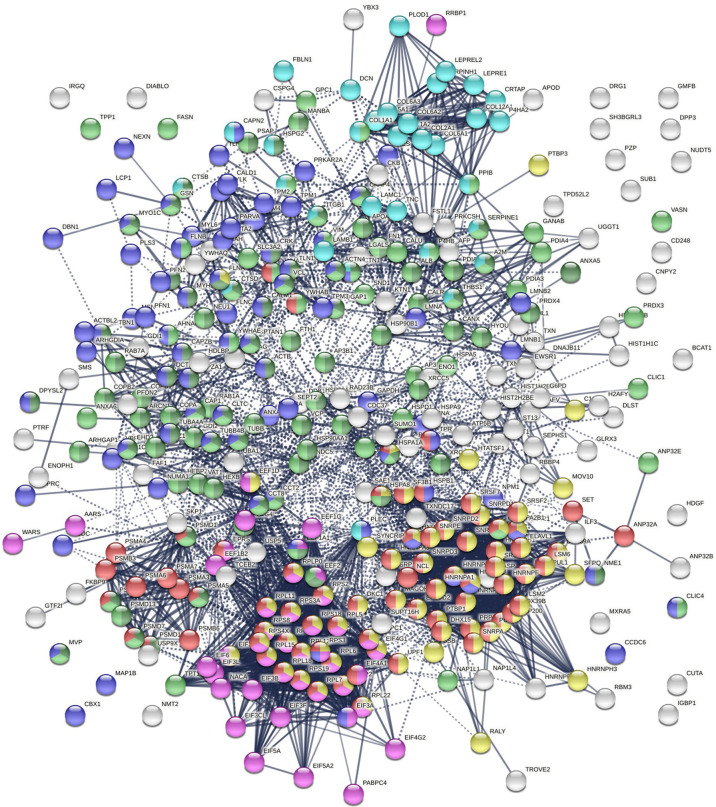
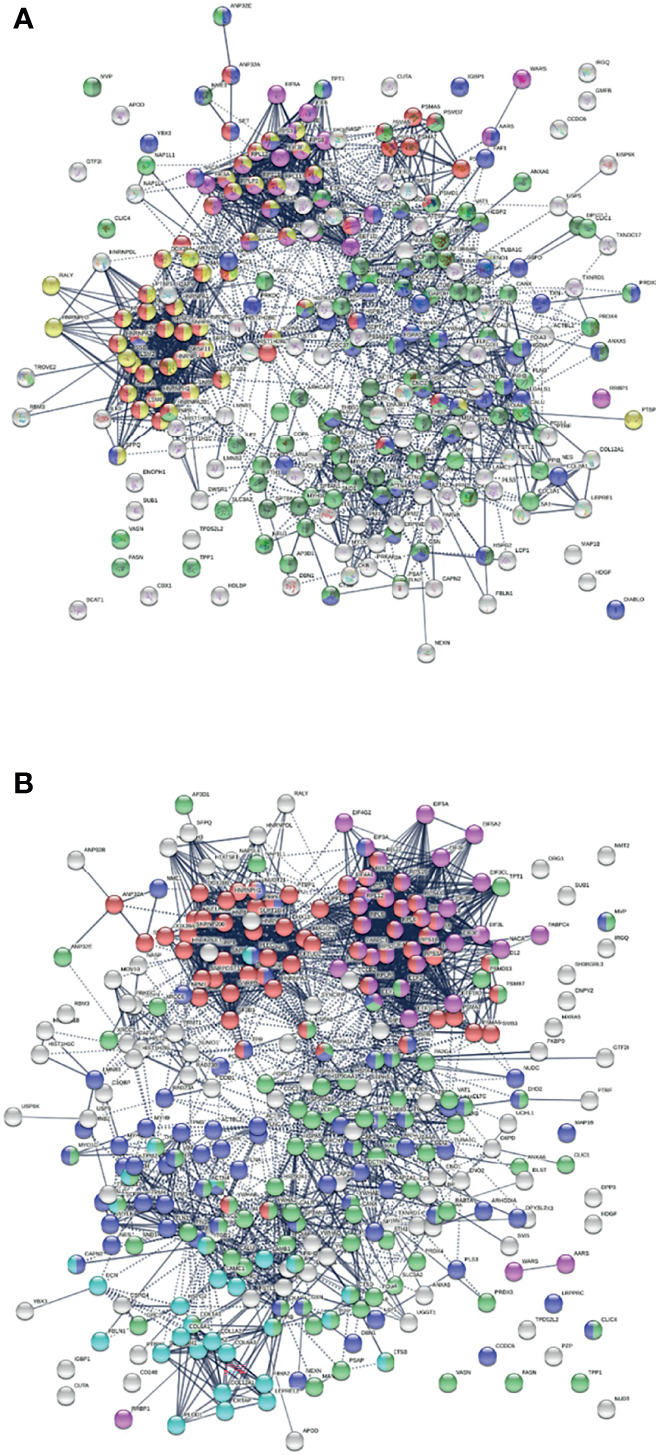
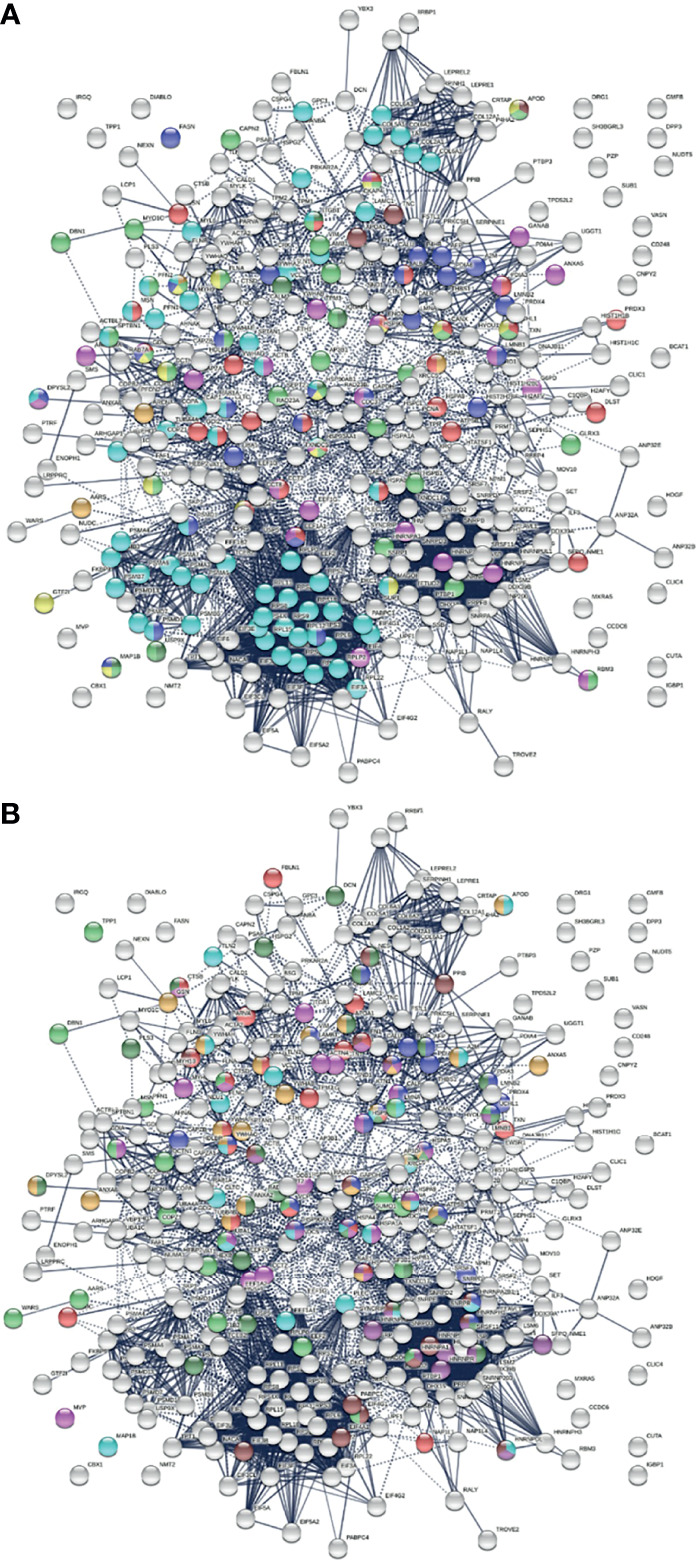
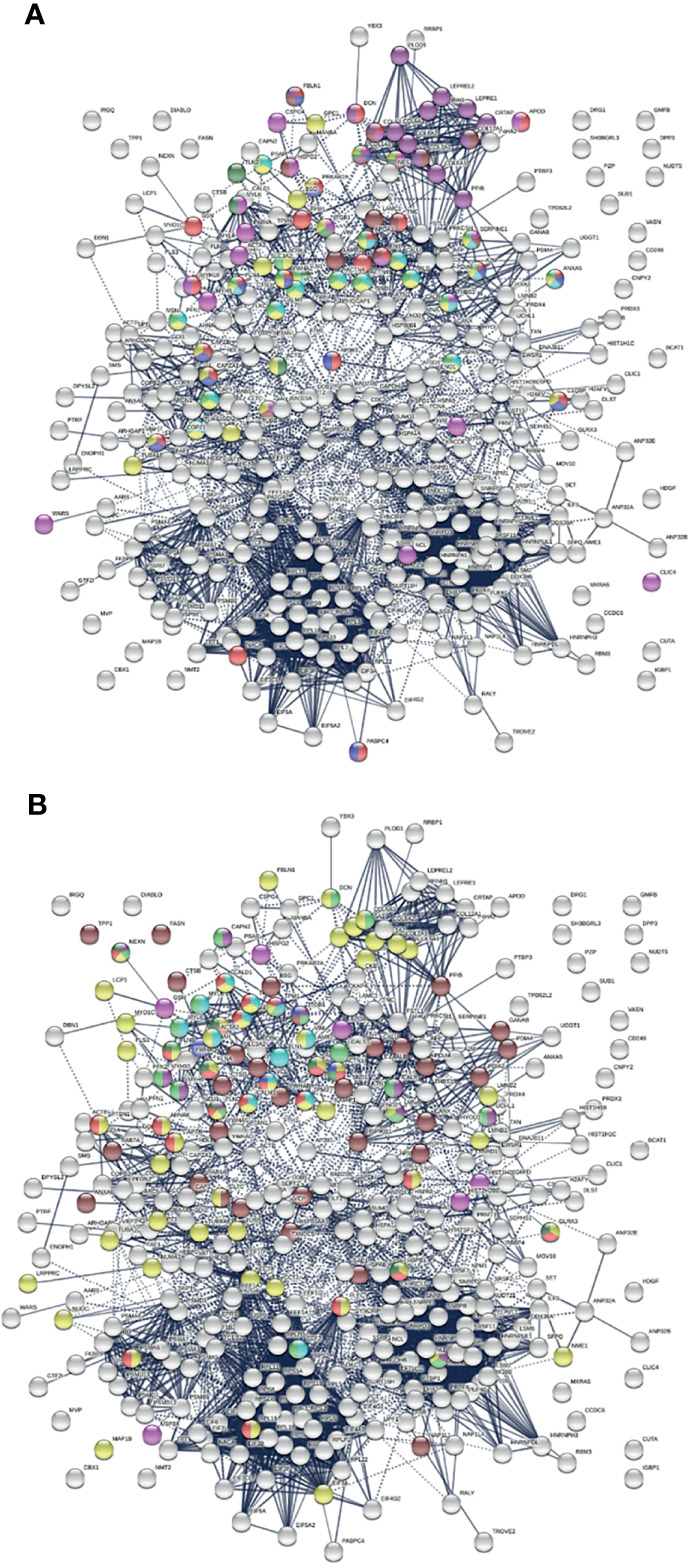
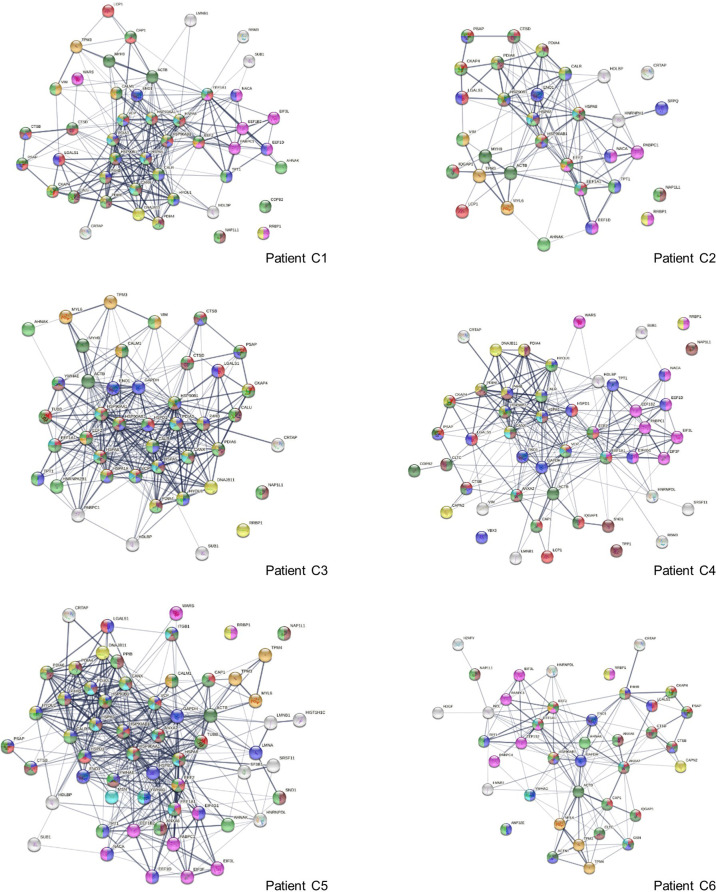
COVID-19 is accompanied by a myriad of both transient and long-lasting autoimmune responses. Dermatan sulfate (DS), a glycosaminoglycan crucial for wound healing, has unique affinity for autoantigens (autoAgs) from apoptotic cells. DS-autoAg complexes are capable of stimulating autoreactive B cells and autoantibody production. We used DS-affinity proteomics to define the autoantigen-ome of lung fibroblasts and bioinformatics analyses to study the relationship between autoantigenic proteins and COVID-induced alterations. Using DS-affinity, we identified an autoantigen-ome of 408 proteins from human HFL1 cells, at least 231 of which are known autoAgs. Comparing with available COVID data, 352 proteins of the autoantigen-ome have thus far been found to be altered at protein or RNA levels in SARS-CoV-2 infection, 210 of which are known autoAgs. The COVID-altered proteins are significantly associated with RNA metabolism, translation, vesicles and vesicle transport, cell death, supramolecular fibrils, cytoskeleton, extracellular matrix, and interleukin signaling. They offer clues to neurological problems, fibrosis, smooth muscle dysfunction, and thrombosis. In particular, 150 altered proteins are related to the nervous system, including axon, myelin sheath, neuron projection, neuronal cell body, and olfactory bulb. An association with the melanosome is also identified. The findings from our study illustrate a connection between COVID infection and autoimmunity. The vast number of COVID-altered proteins with high intrinsic propensity to become autoAgs offers an explanation for the diverse autoimmune complications in COVID patients. The variety of autoAgs related to mRNA metabolism, translation, and vesicles suggests a need for long-term monitoring of autoimmunity in COVID. The COVID autoantigen atlas we are establishing provides a detailed molecular map for further investigation of autoimmune sequelae of the pandemic, such as "long COVID" syndrome.
An autoantigen-ome by dermatan sulfate affinity from human lung HFL1 cells may explain neurological and autoimmune manifestations of COVID-19.
COVID-19 伴随着大量短暂和持久的自身免疫反应。硫酸皮肤素(DS)是一种对伤口愈合至关重要的糖胺聚糖,对来自凋亡细胞的自身抗原(autoAg)具有独特的亲和力。DS-autoAg 复合物能够刺激自身反应性 B 细胞和自身抗体的产生。我们使用 DS 亲和蛋白质组学来定义肺成纤维细胞的自身抗原组,并使用生物信息学分析来研究自身抗原蛋白与 COVID 诱导的改变之间的关系。使用 DS 亲和性,我们从人 HFL1 细胞中鉴定出一个由 408 种蛋白质组成的自身抗原组,其中至少 231 种是已知的自身抗原。与现有的 COVID 数据相比,到目前为止,在 SARS-CoV-2 感染中,自身抗原组中的 352 种蛋白质在蛋白质或 RNA 水平上发生了改变,其中 210 种是已知的自身抗原。COVID 改变的蛋白质与 RNA 代谢、翻译、囊泡和囊泡运输、细胞死亡、超分子原纤维、细胞骨架、细胞外基质和白细胞介素信号显著相关。它们为神经问题、纤维化、平滑肌功能障碍和血栓形成提供了线索。特别是,150 种改变的蛋白质与神经系统有关,包括轴突、髓鞘、神经元突起、神经元细胞体和嗅球。还确定了与黑素体的关联。我们的研究结果说明了 COVID 感染与自身免疫之间的联系。大量具有成为自身抗原高固有倾向的 COVID 改变蛋白为 COVID 患者的多种自身免疫并发症提供了解释。与 mRNA 代谢、翻译和囊泡相关的各种自身抗原表明需要长期监测 COVID 中的自身免疫。我们正在建立的 COVID 自身抗原图谱为进一步研究大流行的自身免疫后遗症(如“长 COVID”综合征)提供了详细的分子图谱。
来自人肺 HFL1 细胞的硫酸皮肤素亲和力的自身抗原组可能解释了 COVID-19 的神经和自身免疫表现。