Instituto de Investigaciones Biomédicas "Alberto Sols", Consejo Superior de Investigaciones Científicas, Universidad Autónoma de Madrid, CIBERONC and IdiPAZ, 28029 Madrid, Spain.
Sunlight, Nutrition and Health Research Center, P.O. Box 641603, San Francisco, CA 94164-1603, USA.
Nutrients. 2022 Mar 30;14(7):1448. doi: 10.3390/nu14071448.
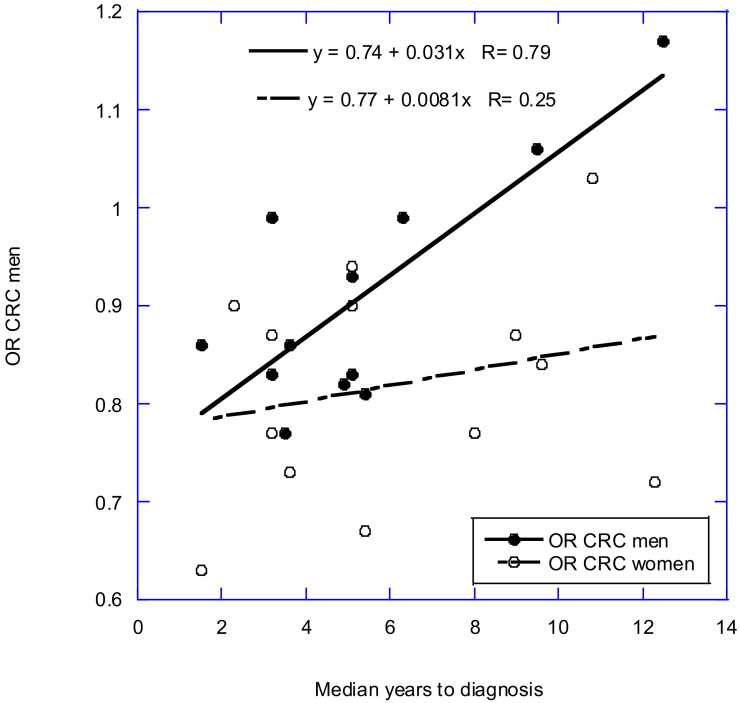
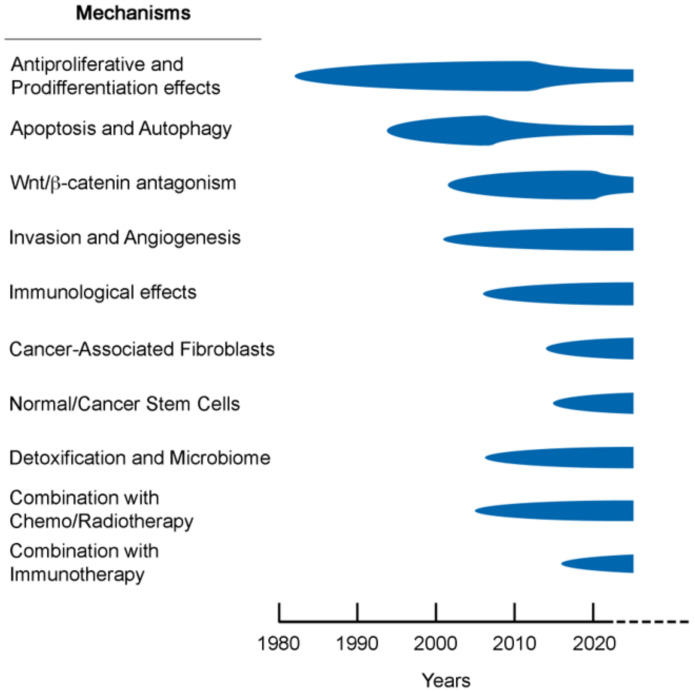
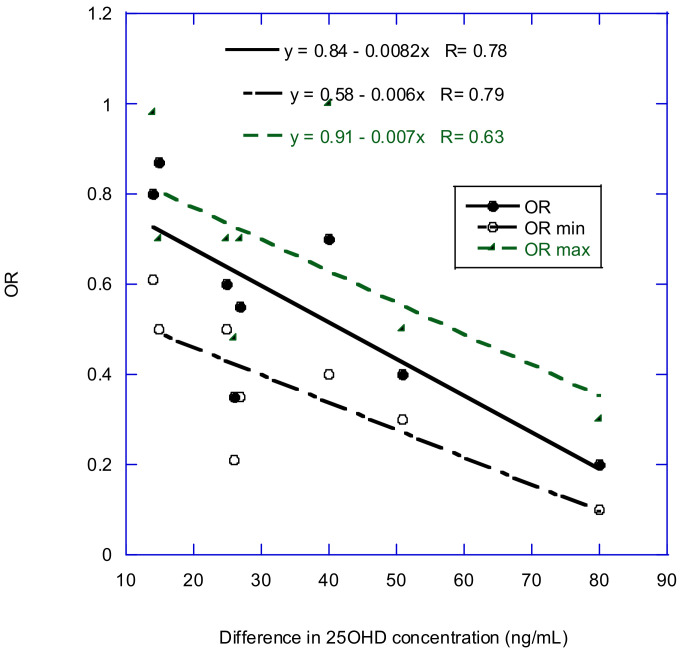
This is a narrative review of the evidence supporting vitamin D's anticancer actions. The first section reviews the findings from ecological studies of cancer with respect to indices of solar radiation, which found a reduced risk of incidence and mortality for approximately 23 types of cancer. Meta-analyses of observational studies reported the inverse correlations of serum 25-hydroxyvitamin D [25(OH)D] with the incidence of 12 types of cancer. Case-control studies with a 25(OH)D concentration measured near the time of cancer diagnosis are stronger than nested case-control and cohort studies as long follow-up times reduce the correlations due to changes in 25(OH)D with time. There is no evidence that undiagnosed cancer reduces 25(OH)D concentrations unless the cancer is at a very advanced stage. Meta-analyses of cancer incidence with respect to dietary intake have had limited success due to the low amount of vitamin D in most diets. An analysis of 25(OH)D-cancer incidence rates suggests that achieving 80 ng/mL vs. 10 ng/mL would reduce cancer incidence rates by 70 ± 10%. Clinical trials have provided limited support for the UVB-vitamin D-cancer hypothesis due to poor design and execution. In recent decades, many experimental studies in cultured cells and animal models have described a wide range of anticancer effects of vitamin D compounds. This paper will review studies showing the inhibition of tumor cell proliferation, dedifferentiation, and invasion together with the sensitization to proapoptotic agents. Moreover, 1,25-(OH)D and other vitamin D receptor agonists modulate the biology of several types of stromal cells such as fibroblasts, endothelial and immune cells in a way that interferes the apparition of metastases. In sum, the available mechanistic data support the global protective action of vitamin D against several important types of cancer.
这是一篇关于维生素 D 抗癌作用的证据的叙述性综述。第一部分回顾了癌症与太阳辐射指数的生态学研究结果,发现大约 23 种癌症的发病率和死亡率降低。观察性研究的荟萃分析报告了血清 25-羟维生素 D [25(OH)D]与 12 种癌症发病率之间的负相关关系。在癌症诊断附近测量的 25(OH)D 浓度的病例对照研究比嵌套病例对照和队列研究更强,因为随着时间的推移,25(OH)D 的变化会降低相关性。除非癌症处于非常晚期,否则没有证据表明未确诊的癌症会降低 25(OH)D 浓度。由于大多数饮食中维生素 D 的含量较低,因此关于饮食摄入与癌症发病率的荟萃分析收效甚微。对 25(OH)D-癌症发病率的分析表明,与 10ng/ml 相比,达到 80ng/ml 将使癌症发病率降低 70%±10%。由于设计和执行不佳,临床试验对 UVB-维生素 D-癌症假说提供的支持有限。近几十年来,在培养细胞和动物模型中进行的许多实验研究描述了维生素 D 化合物的广泛抗癌作用。本文将综述研究表明维生素 D 化合物抑制肿瘤细胞增殖、去分化和侵袭,并对促凋亡剂敏感。此外,1,25-(OH)D 和其他维生素 D 受体激动剂以干扰转移出现的方式调节几种类型的基质细胞(如成纤维细胞、内皮细胞和免疫细胞)的生物学特性。总之,现有的机制数据支持维生素 D 对几种重要类型癌症的全面保护作用。