Shilar Fatheali A, Ganachari Sharanabasava V, Patil Veerabhadragouda B, Khan T M Yunus, Almakayeel Naif Mana, Alghamdi Saleh
Department of Civil Engineering, Jain College of Engineering, Belagavi 590014, India.
Department of Chemistry, School of Advanced Sciences, KLE Technological University, Hubballi 580031, India.
Polymers (Basel). 2022 Mar 30;14(7):1421. doi: 10.3390/polym14071421.
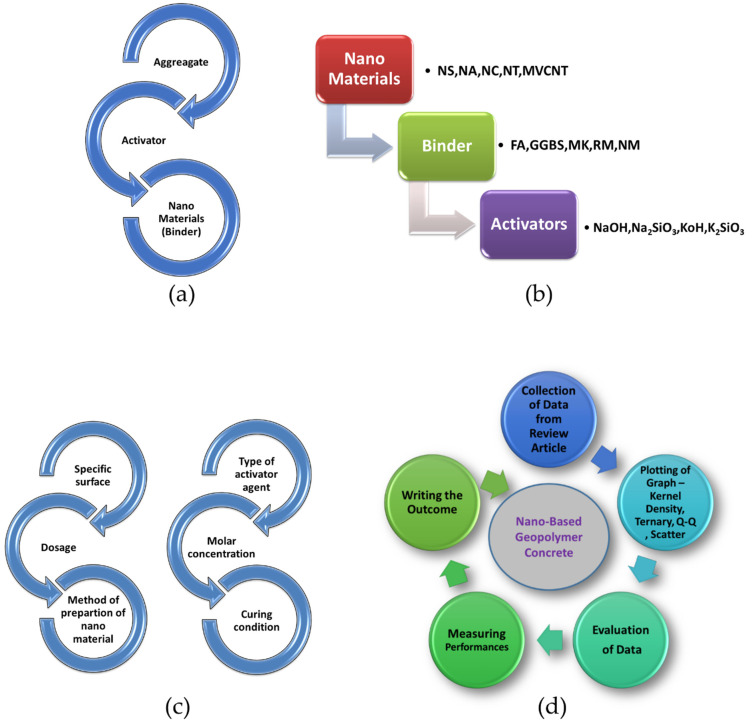
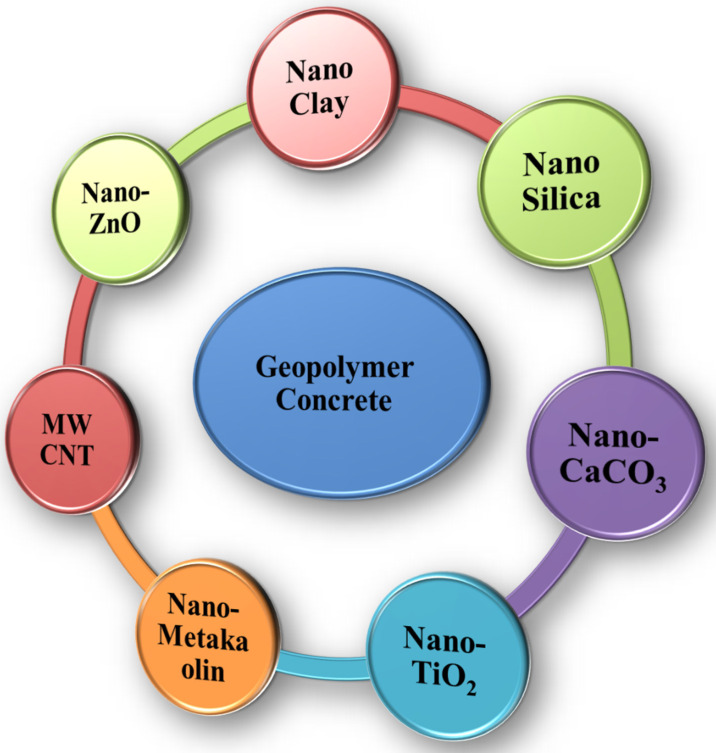
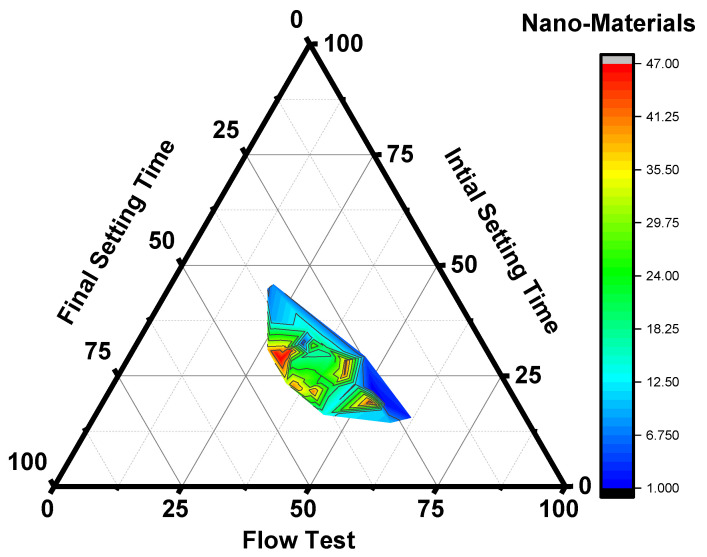
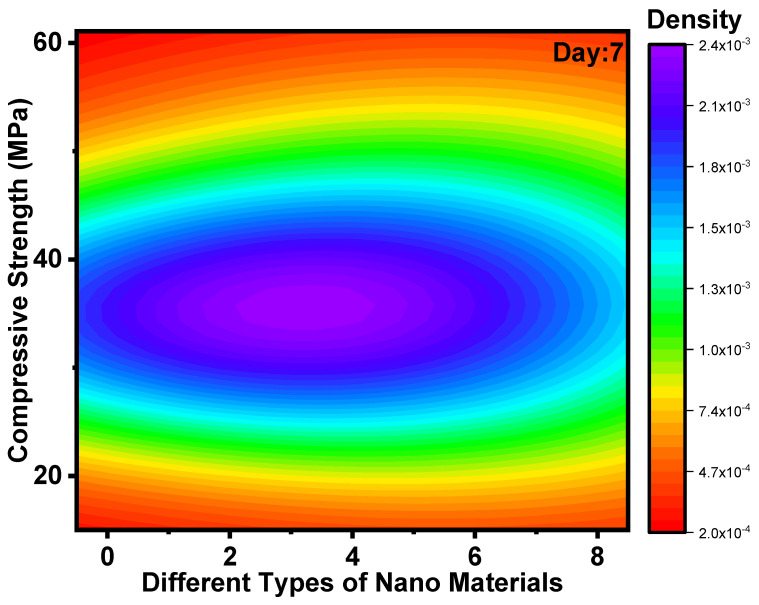
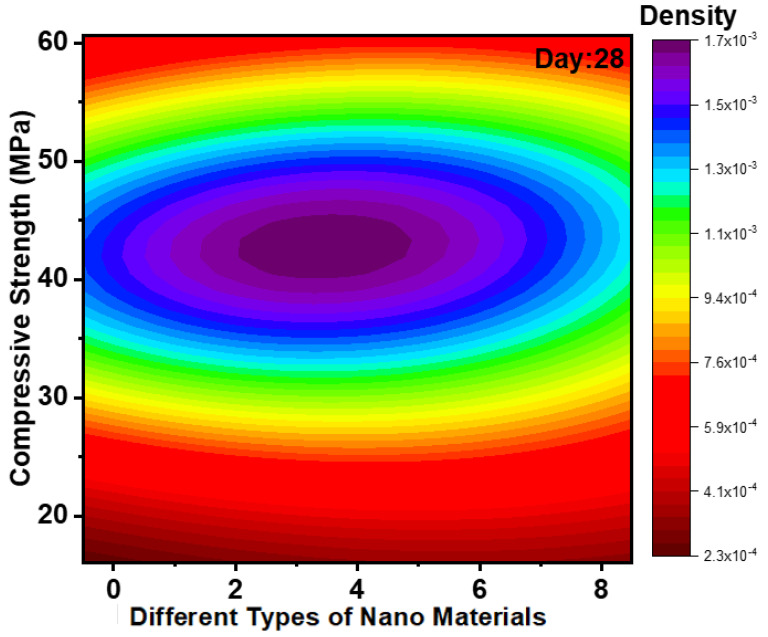
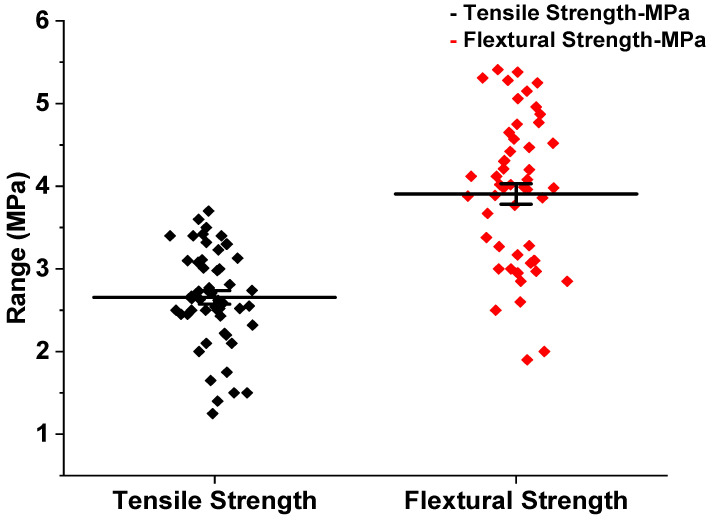
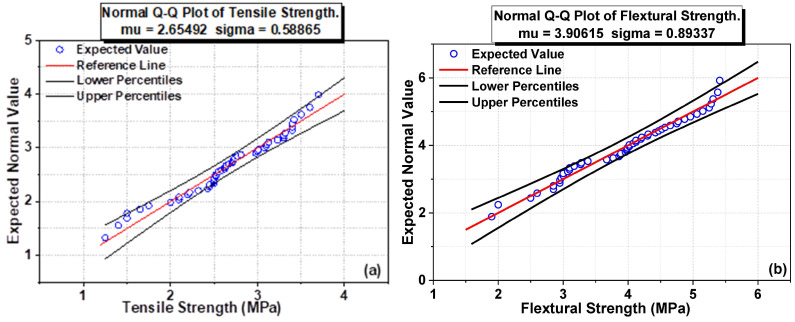
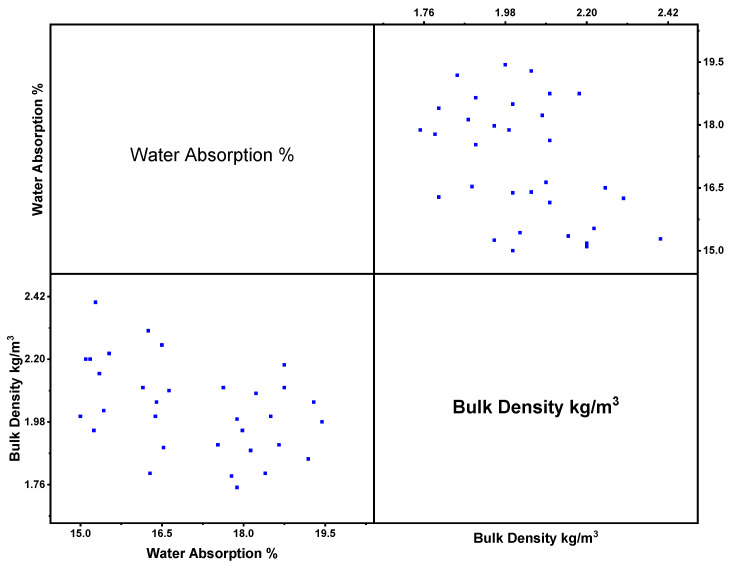
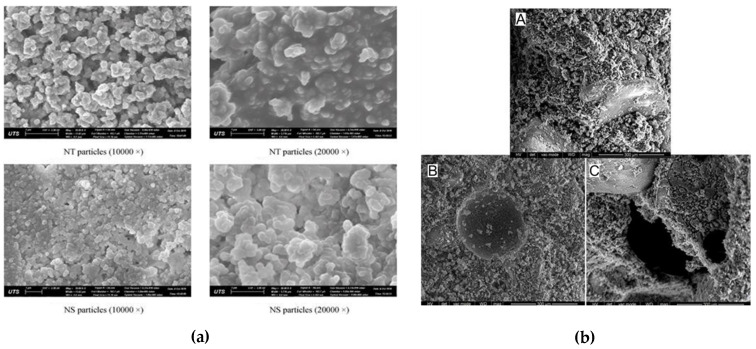
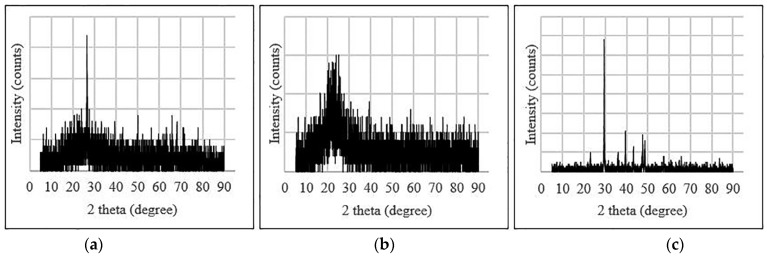
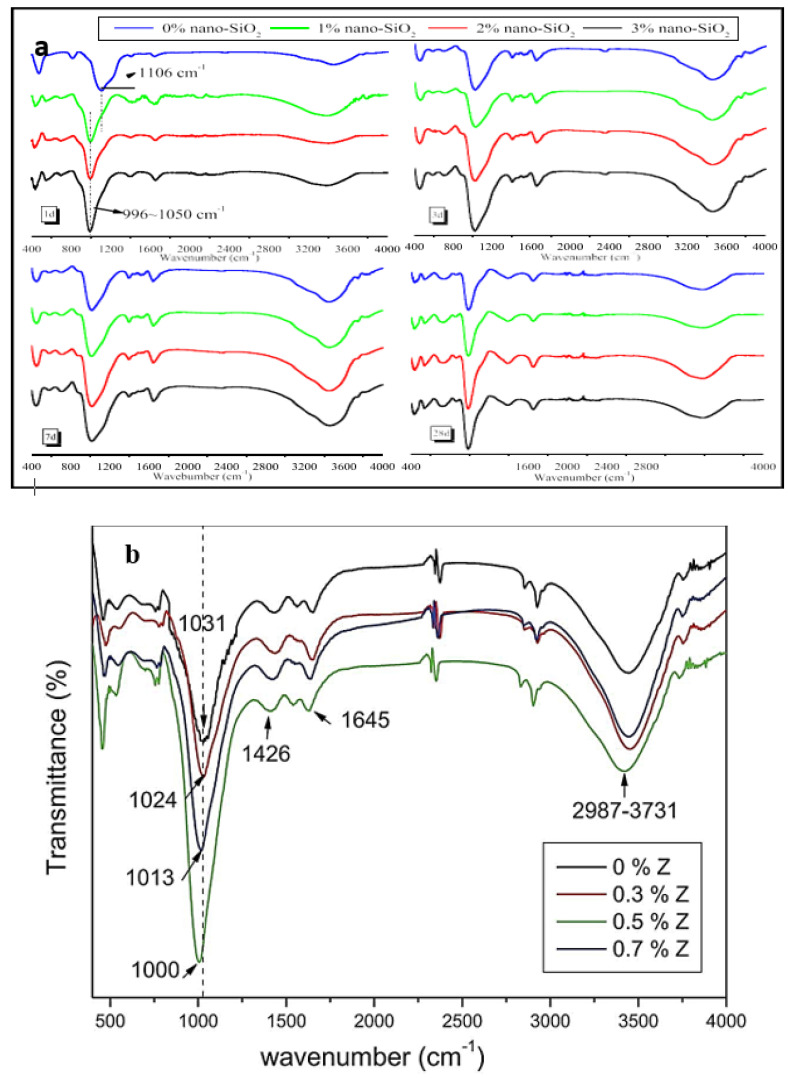
The main objective of this review is to study some important nanomaterials and their impact on the performance of geopolymer concrete. This paper is an investigation into trends and technology in the development of different nanomaterials to develop higher structural performance geopolymer concrete. The effect of the alkaline to binder and sodium silicate to sodium hydroxide ratio on the performances of geopolymer performances is studied. The relationship between setting time and slump is evaluated through the ternary plot, the variation in compressive strength values is evaluated using the kernel density plot, and the relationship between split tensile and flexural strength is investigated using the scattering interval plot. Regression analysis is carried out among water absorption and bulk-density result values obtained from previous literature. As the molarity and alkaline to binder (A/B) ratios increase, the strength development of geopolymer concrete increases up to a specific limit. The addition of a small quantity of nanomaterials, namely, nano silica, nano alumina, carbon nano tubes, and nano clay, led to the maximum strength development of geopolymer concrete. Incorporating these nanomaterials into the geopolymer significantly refines the structural stability, improving its durability. The various products in GP composites emerging from the incorporation of highly reactive SEM, XRD, and FTIR analysis of nanomaterials reveal that the presence of nanomaterials, which enhances the rate of polymerization, leads to better performance of the geopolymer.
本综述的主要目的是研究一些重要的纳米材料及其对地质聚合物混凝土性能的影响。本文旨在探讨不同纳米材料开发过程中的趋势和技术,以制备具有更高结构性能的地质聚合物混凝土。研究了碱与粘结剂的比例以及硅酸钠与氢氧化钠的比例对地质聚合物性能的影响。通过三元图评估凝结时间与坍落度之间的关系,使用核密度图评估抗压强度值的变化,并使用散射区间图研究劈裂抗拉强度与抗弯强度之间的关系。对从以往文献中获得的吸水率和堆积密度结果值进行回归分析。随着摩尔浓度和碱与粘结剂(A/B)比例的增加,地质聚合物混凝土的强度发展在达到特定极限之前会增加。添加少量纳米材料,即纳米二氧化硅、纳米氧化铝、碳纳米管和纳米粘土,可使地质聚合物混凝土的强度发展达到最大值。将这些纳米材料掺入地质聚合物中可显著改善其结构稳定性,提高其耐久性。通过对纳米材料进行高反应性扫描电子显微镜(SEM)、X射线衍射(XRD)和傅里叶变换红外光谱(FTIR)分析,发现掺入纳米材料后地质聚合物复合材料中的各种产物表明,纳米材料的存在提高了聚合速率,从而使地质聚合物具有更好的性能。