Department of Biotechnology, Telangana University, Dichpally, Nizamabad 503322, India.
Central Sericultural Research & Training Institute, Central Silk Board, Pampore 192121, India.
Cells. 2022 Mar 31;11(7):1182. doi: 10.3390/cells11071182.
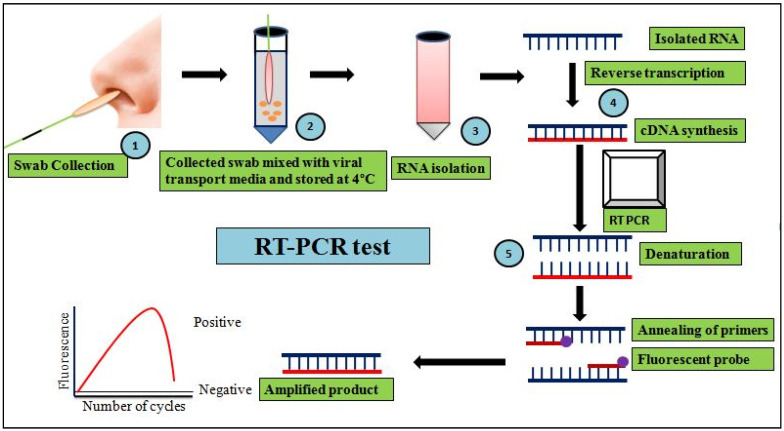
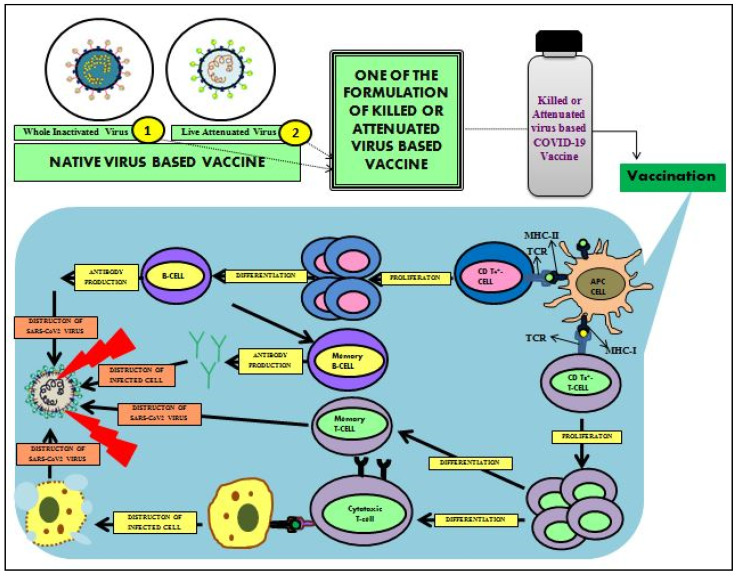
The outbreak of the novel severe acute respiratory syndrome coronavirus 2 (SARS-CoV-2) is the cause for the ongoing global public health emergency. It is more commonly known as coronavirus disease 2019 (COVID-19); the pandemic threat continues to spread aroundthe world with the fluctuating emergence of its new variants. The severity of COVID-19 ranges from asymptomatic to serious acute respiratory distress syndrome (ARDS), which has led to a high human mortality rate and disruption of socioeconomic well-being. For the restoration of pre-pandemic normalcy, the international scientific community has been conducting research on a war footing to limit extremely pathogenic COVID-19 through diagnosis, treatment, and immunization. Since the first report of COVID-19 viral infection, an array of laboratory-based and point-of-care (POC) approaches have emerged for diagnosing and understanding its status of outbreak. The RT-PCR-based viral nucleic acid test (NAT) is one of the rapidly developed and most used COVID-19 detection approaches. Notably, the current forbidding status of COVID-19 requires the development of safe, targeted vaccines/vaccine injections (shots) that can reduce its associated morbidity and mortality. Massive and accelerated vaccination campaigns would be the most effective and ultimate hope to end the COVID-19 pandemic. Since the SARS-CoV-2 virus outbreak, emerging biotechnologies and their multidisciplinary approaches have accelerated the understanding of molecular details as well as the development of a wide range of diagnostics and potential vaccine candidates, which are indispensable to combating the highly contagious COVID-19. Several vaccine candidates have completed phase III clinical studies and are reported to be effective in immunizing against COVID-19 after their rollout via emergency use authorization (EUA). However, optimizing the type of vaccine candidates and its route of delivery that works best to control viral spread is crucial to face the threatening variants expected to emerge over time. In conclusion, the insights of this review would facilitate the development of more likely diagnostics and ideal vaccines for the global control of COVID-19.
新型严重急性呼吸综合征冠状病毒 2 (SARS-CoV-2) 的爆发是当前全球公共卫生紧急事件的原因。它通常被称为 2019 年冠状病毒病 (COVID-19);随着其新变种的不断出现,大流行威胁继续在全球蔓延。COVID-19 的严重程度从无症状到严重急性呼吸窘迫综合征 (ARDS) 不等,这导致了高死亡率和社会经济福祉的破坏。为了恢复大流行前的正常状态,国际科学界一直在全力以赴地进行研究,通过诊断、治疗和免疫来限制极其致病性的 COVID-19。自 COVID-19 病毒感染的第一份报告以来,已经出现了一系列基于实验室和即时护理 (POC) 的方法来诊断和了解其爆发情况。基于 RT-PCR 的病毒核酸检测 (NAT) 是迅速发展和最常用的 COVID-19 检测方法之一。值得注意的是,当前 COVID-19 的禁止状态需要开发安全、有针对性的疫苗/疫苗注射 (shots),以降低其相关发病率和死亡率。大规模和加速的疫苗接种运动将是结束 COVID-19 大流行的最有效和最终希望。自 SARS-CoV-2 病毒爆发以来,新兴生物技术及其多学科方法加速了对分子细节的理解以及广泛的诊断和潜在疫苗候选物的开发,这对于抗击高度传染性的 COVID-19 是不可或缺的。几种疫苗候选物已经完成了 III 期临床试验,并在通过紧急使用授权 (EUA) 推出后被报道在预防 COVID-19 方面有效。然而,优化最适合控制病毒传播的疫苗候选物类型及其递送途径对于应对预计随着时间的推移而出现的威胁变体至关重要。总之,本综述的见解将有助于开发更有可能的诊断方法和理想的疫苗,以实现全球对 COVID-19 的控制。