Department of Infectious Diseases, and Department of Biomedical and Clinical Sciences, Linköping University, Linköping, Sweden.
Department of Clinical Immunology and Transfusion Medicine and Department of Biomedical and Clinical Sciences, Linköping University, Linköping, Sweden.
BMC Infect Dis. 2022 Apr 11;22(1):362. doi: 10.1186/s12879-022-07323-4.
The immune response to SARS-CoV-2 virus, the cause of COVID-19, is complex. Antibody mediated responses are important for viral clearance but may also drive hyperinflammation in severe COVID-19. We present a case of an individual with a genetic inability to produce antibodies and severe COVID-19, receiving no other specific anti-viral treatment than convalescent COVID-19 plasma, illustrating that hyperinflammation can occur in the absence of a humoral anti-viral response. In addition, the case illustrates that the assessment of SARS-CoV-2 T cell responses can facilitate clinical decision making in patients with COVID-19 and weak or absent humoral immune responses.
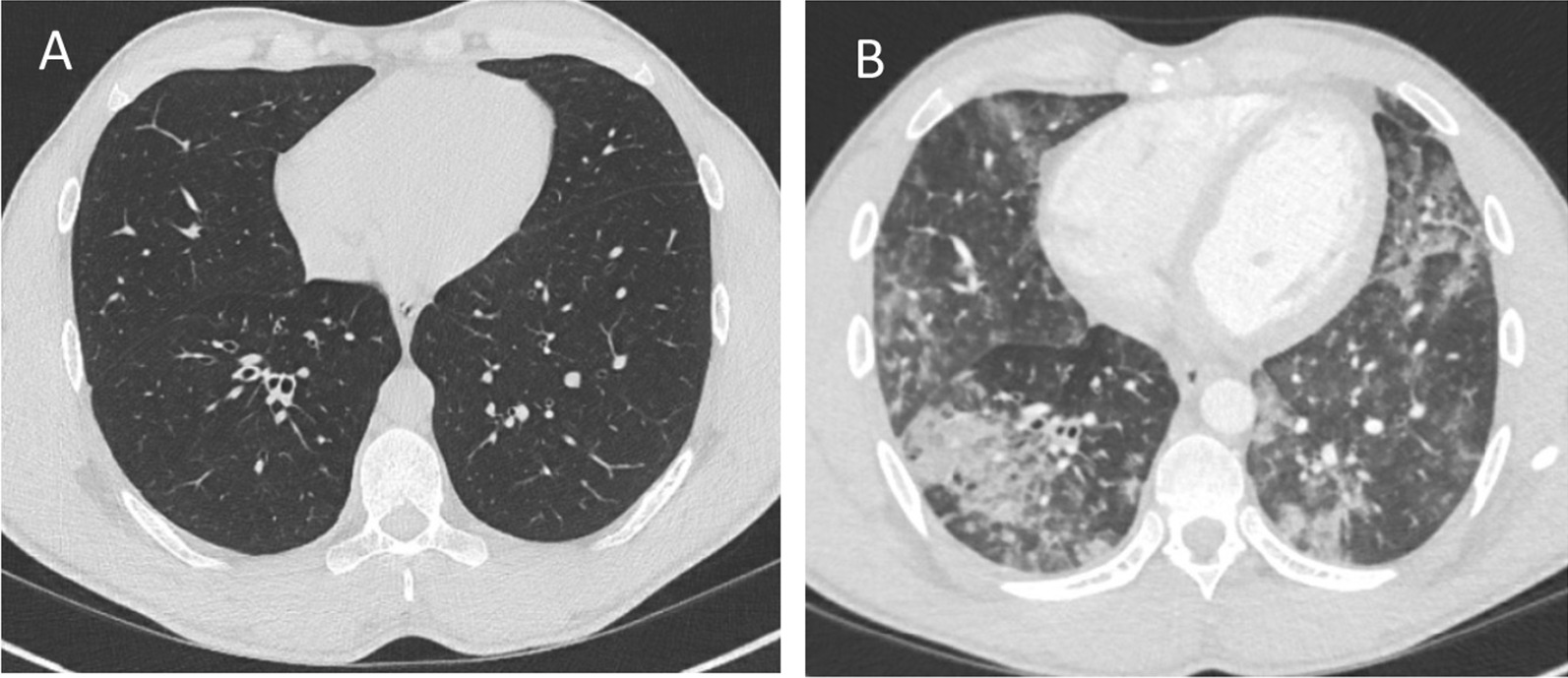
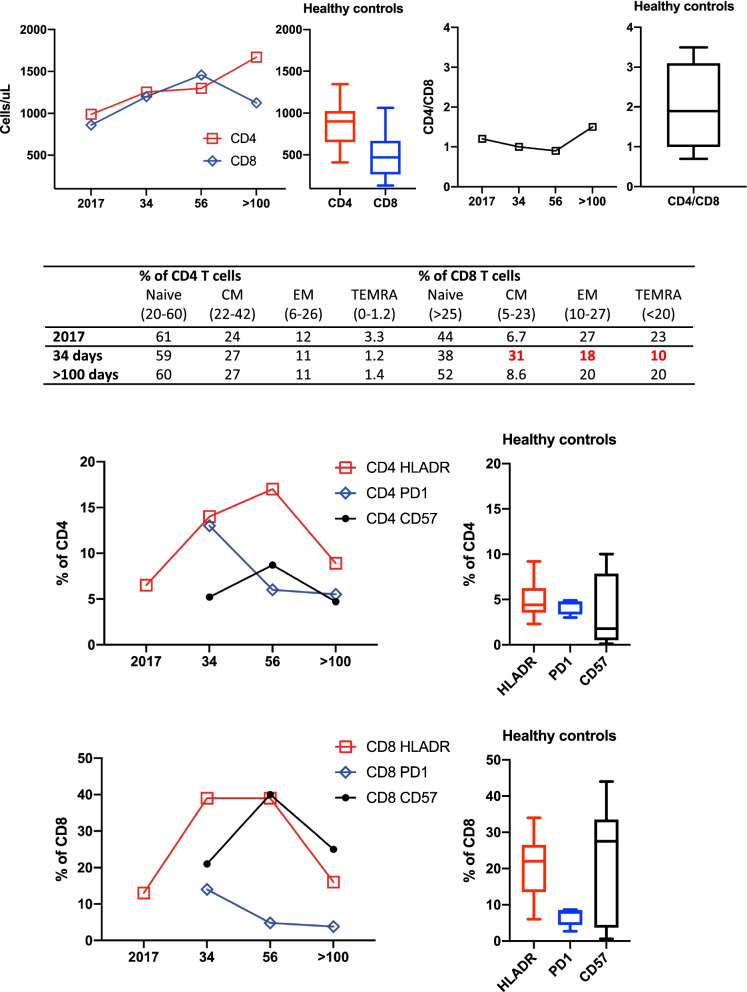
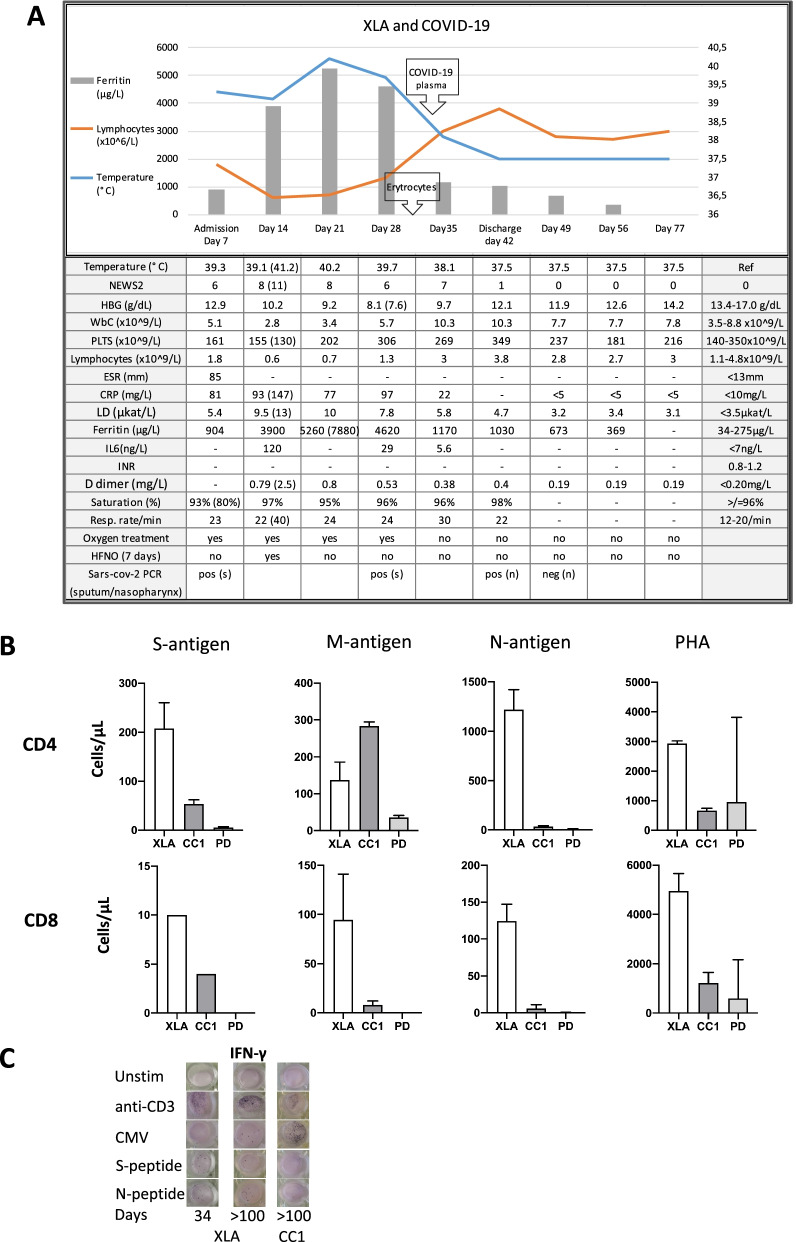
A male with X-linked agammaglobulinemia on regular immunoglobulin replacement therapy, hospitalized for 35 days due to severe COVID-19. Systemic inflammatory parameters were highly elevated. After treatment with convalescent COVID-19 plasma he became afebrile and the fatigue diminished. He was discharged on day 42 and nasopharyngeal SARS-CoV-2 PCR eventually was negative on day 49. Evidence of SARS-CoV-2 specific T cells prior to administration of plasma therapy suggested that antibodies were crucial for viral clearance. Regular assessment showed robust and persistent SARS-CoV-2 specific T-cell responses after recovery suggested that prophylactic administration of convalescent COVID-19 plasma was unnecessary.
Assessment of SARS-CoV-2T-cell responses can facilitate the clinical management of COVID-19 patients with humoral immunodeficiencies.
导致 COVID-19 的 SARS-CoV-2 病毒的免疫反应较为复杂。抗体介导的反应对于病毒清除很重要,但也可能在严重的 COVID-19 中引发过度炎症。我们报告了一例个体因遗传原因无法产生抗体且患有严重 COVID-19 的病例,除了接受恢复期 COVID-19 血浆治疗外,未接受任何其他特定的抗病毒治疗,这表明在没有体液抗病毒反应的情况下也可能发生过度炎症。此外,该病例还表明,评估 SARS-CoV-2 T 细胞反应有助于指导 COVID-19 患者和具有较弱或缺乏体液免疫反应患者的临床决策。
一名男性患有 X 连锁无丙种球蛋白血症,正在接受常规免疫球蛋白替代治疗,因严重 COVID-19 住院 35 天。全身炎症参数高度升高。接受恢复期 COVID-19 血浆治疗后,他不再发热,疲劳减轻。他于第 42 天出院,第 49 天鼻咽 SARS-CoV-2 PCR 最终转为阴性。在接受血浆治疗之前存在 SARS-CoV-2 特异性 T 细胞的证据表明,抗体对于病毒清除至关重要。定期评估显示,康复后 SARS-CoV-2 特异性 T 细胞反应强劲且持续,表明无需预防性给予恢复期 COVID-19 血浆。
评估 SARS-CoV-2 T 细胞反应有助于指导具有体液免疫缺陷的 COVID-19 患者的临床管理。