Cancer Biomarker Group, Latvian Biomedical Research and Study Centre, Ratsupites Str 1, k-1, Riga, 1067, Latvia.
Faculty of Biology, University of Latvia, Riga, Latvia.
J Transl Med. 2022 Apr 15;20(1):176. doi: 10.1186/s12967-022-03382-y.
Antibody response to SARS-CoV-2 is a valuable biomarker for the assessment of the spread of the virus in a population and evaluation of the vaccine candidates. Recent data suggest that antibody levels also may have a prognostic significance in COVID-19. Most of the serological studies so far rely on testing antibodies against spike (S) or nucleocapsid (N) protein, however antibodies can be directed against other structural and nonstructural proteins of the virus, whereas their frequency, biological and clinical significance is unknown.
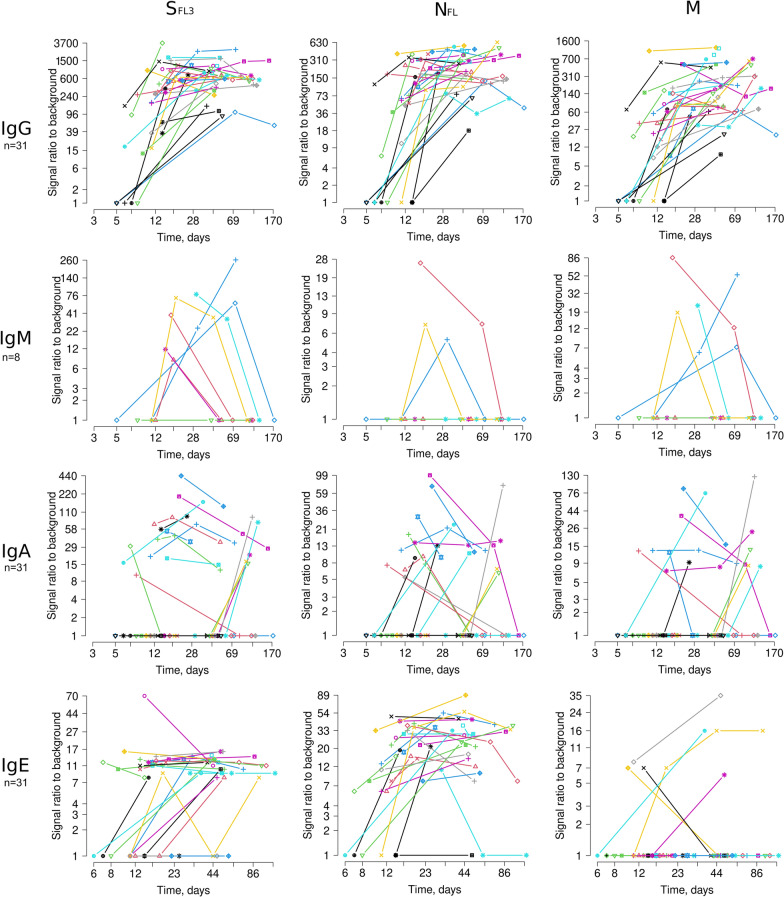
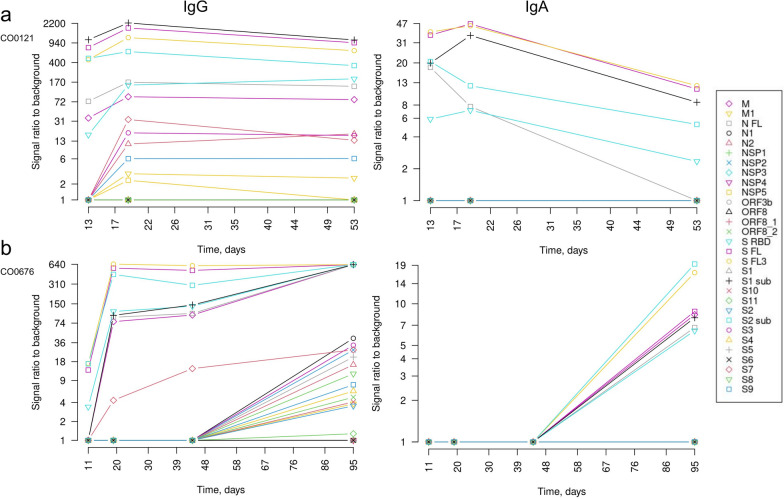
A novel antigen array comprising 30 SARS-CoV-2 antigens or their fragments was developed and used to examine IgG, IgA, IgE and IgM responses to SARS-CoV-2 in sera from 103 patients with COVID-19 including 34 patients for whom sequential samples were available, and 20 pre-pandemic healthy controls.
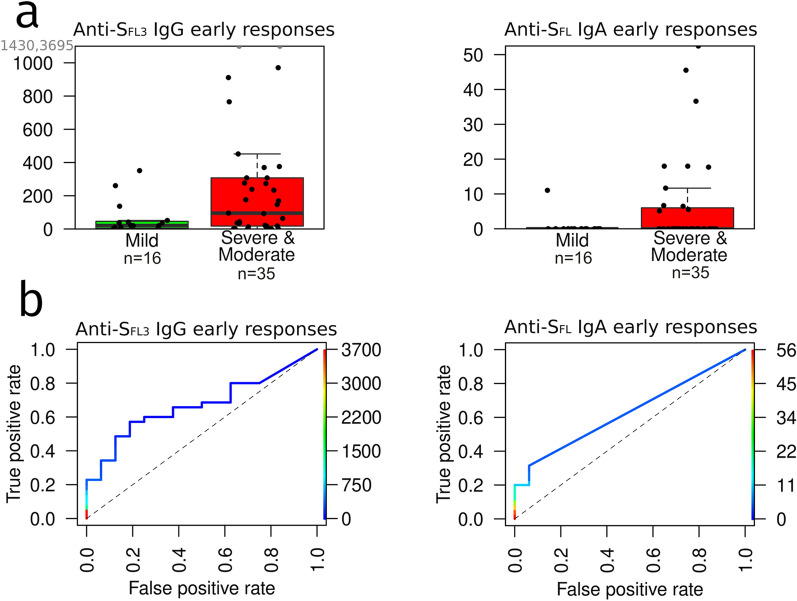
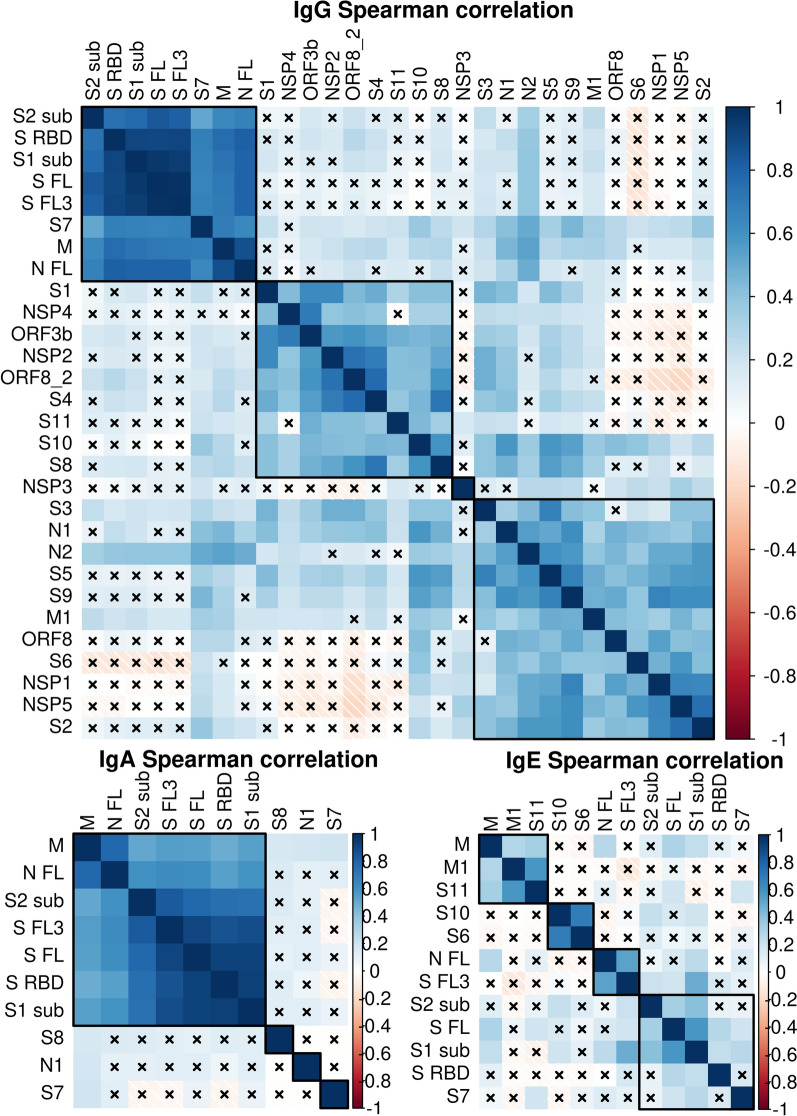
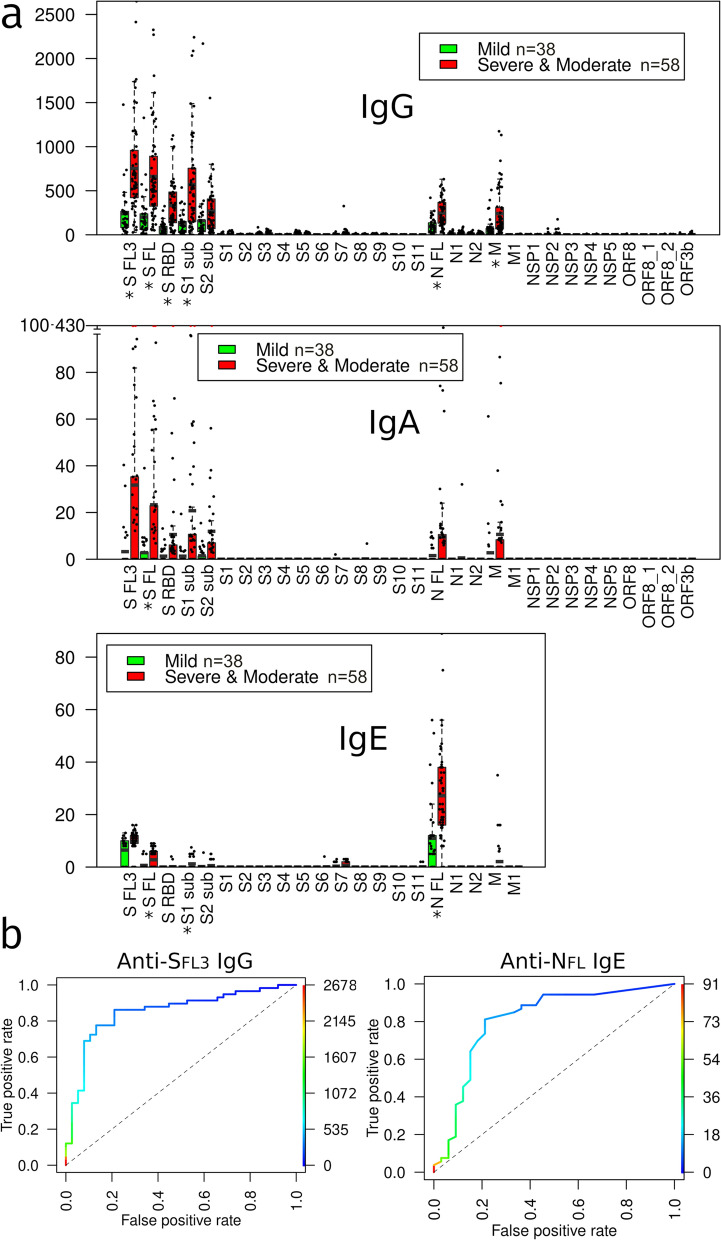
Antibody responses to various antigens are highly correlated and the frequencies and peak levels of antibodies are higher in patients with severe/moderate disease than in those with mild disease. This finding supports the idea that antibodies against SARS-CoV-2 may exacerbate the severity of the disease via antibody-dependent enhancement. Moreover, early IgG and IgA responses to full length S protein may be used as an additional biomarker for the identification of patients who are at risk of developing severe disease. Importantly, this is the first study reporting that SARS-CoV-2 elicits IgE responses and their serum levels positively correlate with the severity of the disease thus suggesting a link between high levels of antibodies and mast cell activation.
This is the first study assessing the prevalence and dynamics IgG, IgA, IgE and IgM responses to multiple SARS-CoV-2 antigens simultaneously. Results provide important insights into the pathogenesis of COVID-19 and have implications in planning and interpreting antibody-based epidemiological studies.
针对 SARS-CoV-2 的抗体反应是评估病毒在人群中传播以及评估候选疫苗的有价值的生物标志物。最近的数据表明,抗体水平在 COVID-19 中也可能具有预后意义。到目前为止,大多数血清学研究都依赖于针对刺突(S)或核衣壳(N)蛋白的抗体检测,然而,抗体也可以针对病毒的其他结构和非结构蛋白,而它们的频率、生物学和临床意义尚不清楚。
开发了一种包含 30 种 SARS-CoV-2 抗原或其片段的新型抗原阵列,并用于检测来自 103 例 COVID-19 患者的血清中的 IgG、IgA、IgE 和 IgM 对 SARS-CoV-2 的反应,包括 34 例有连续样本的患者和 20 例大流行前的健康对照者。
针对各种抗原的抗体反应高度相关,且严重/中度疾病患者的抗体频率和峰值水平高于轻度疾病患者。这一发现支持了针对 SARS-CoV-2 的抗体可能通过抗体依赖性增强作用加重疾病严重程度的观点。此外,针对全长 S 蛋白的早期 IgG 和 IgA 反应可作为识别有发生严重疾病风险的患者的附加生物标志物。重要的是,这是第一项报告 SARS-CoV-2 引发 IgE 反应及其血清水平与疾病严重程度呈正相关的研究,表明高水平的抗体与肥大细胞激活之间存在关联。
这是第一项同时评估针对多种 SARS-CoV-2 抗原的 IgG、IgA、IgE 和 IgM 反应的流行率和动态变化的研究。结果为 COVID-19 的发病机制提供了重要的见解,并对基于抗体的流行病学研究的规划和解释具有影响。