Lai Lillian M, Gropman Andrea L, Whitehead Matthew T
Department of Radiology, University of Iowa Hospitals and Clinics, Iowa City, IA 52242, USA.
Department of Radiology, Children's Hospital Los Angeles, Los Angeles, CA 90027, USA.
Diagnostics (Basel). 2022 Mar 30;12(4):861. doi: 10.3390/diagnostics12040861.
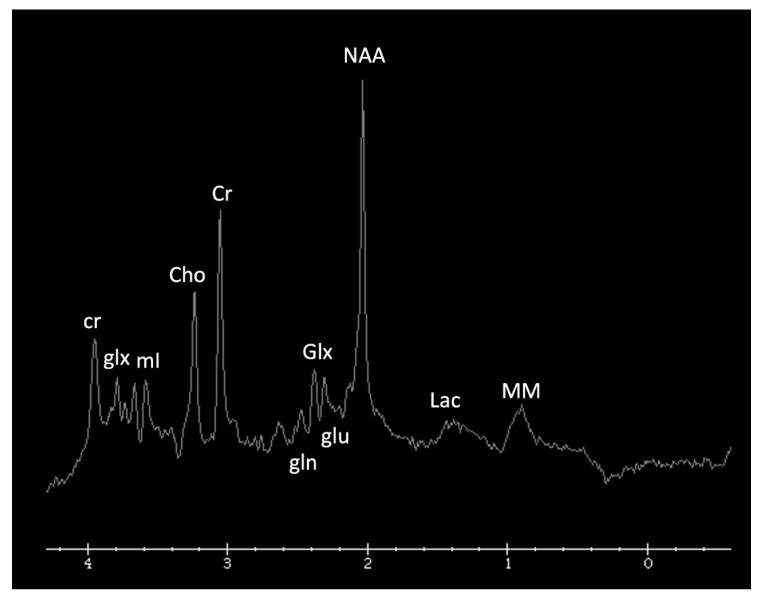
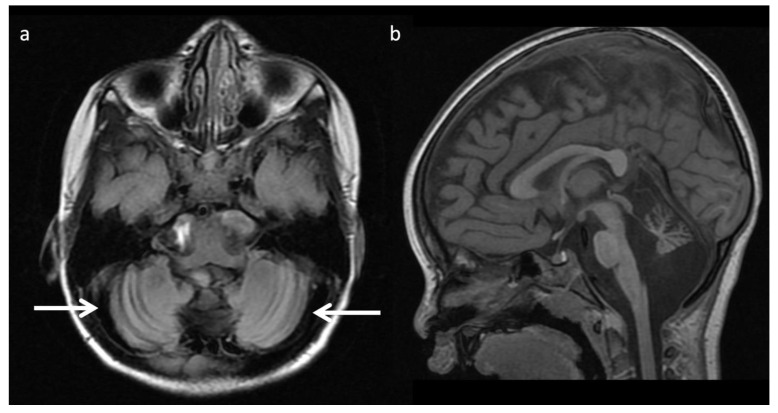
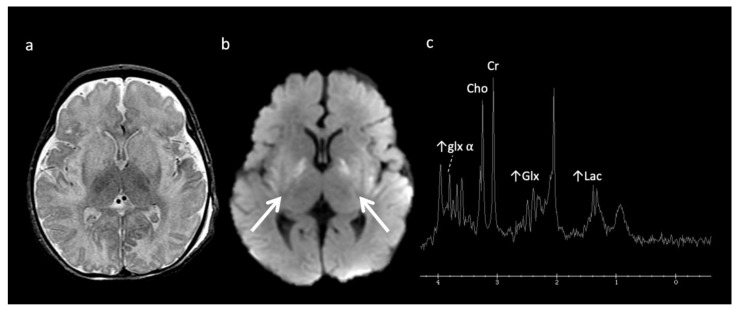
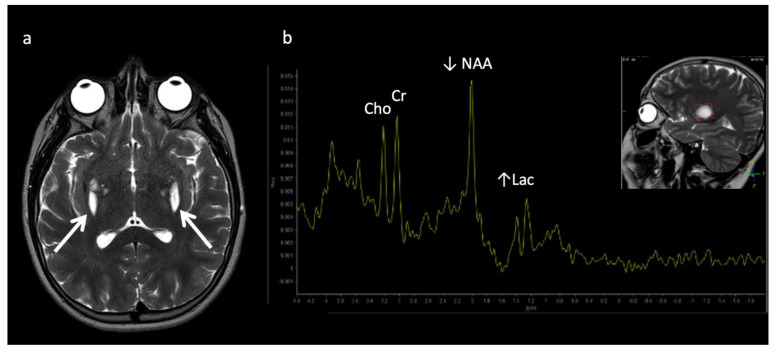
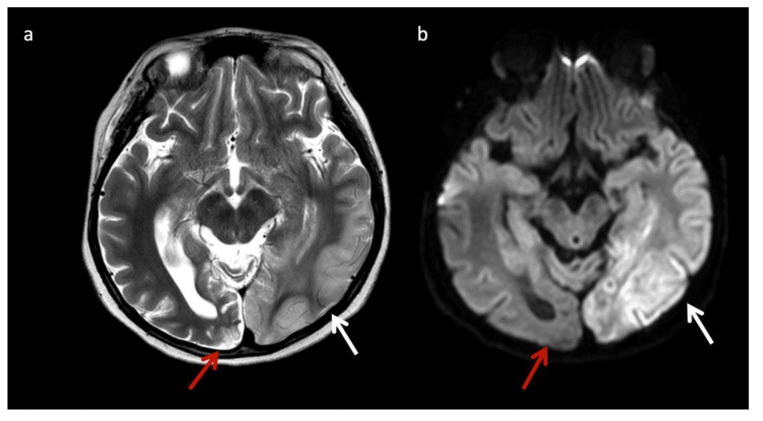
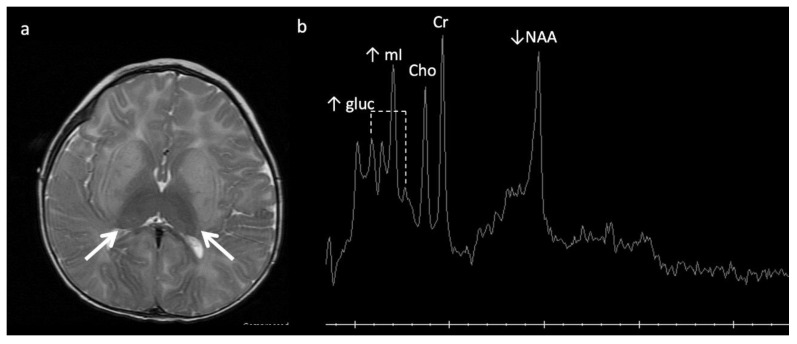
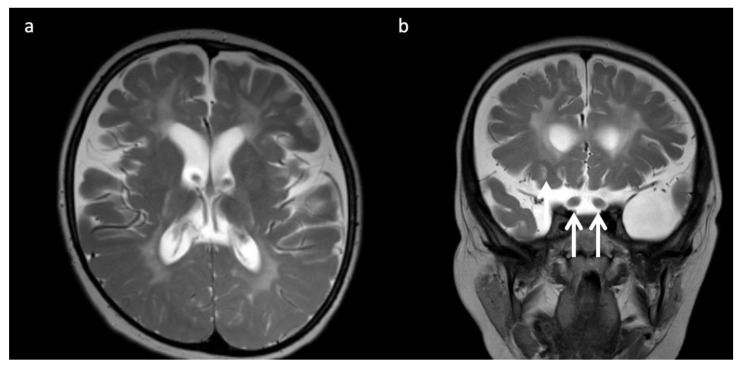
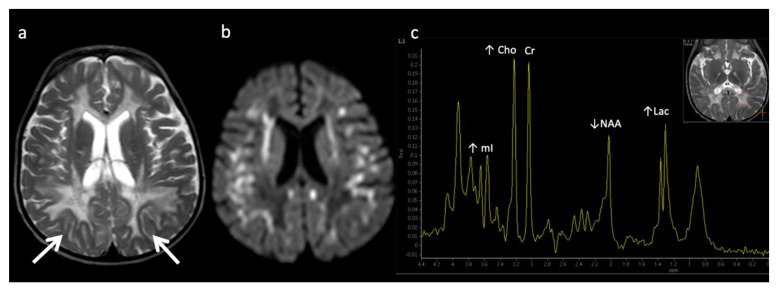
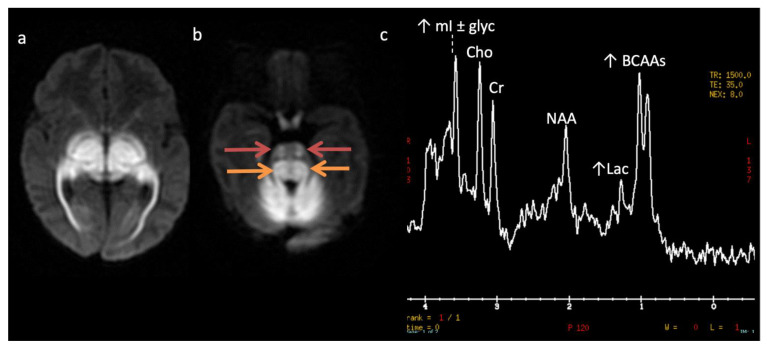
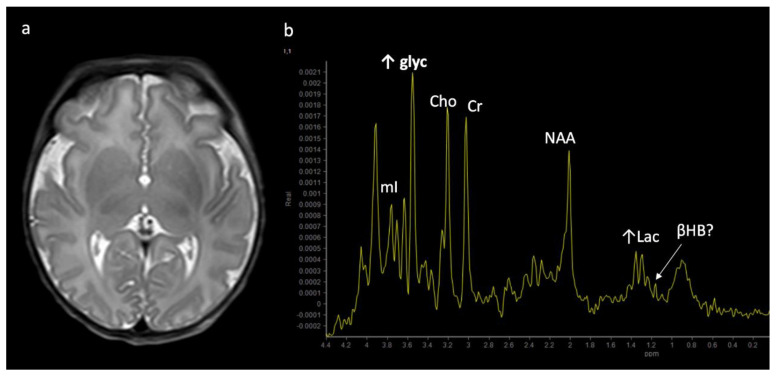
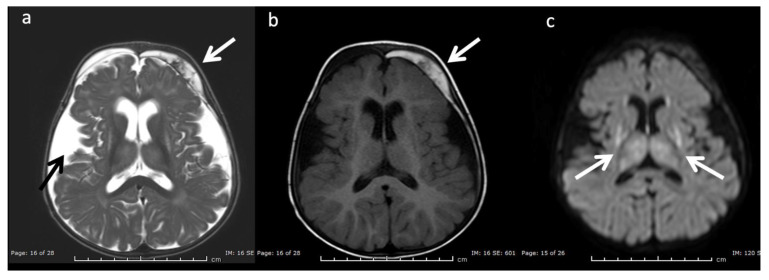
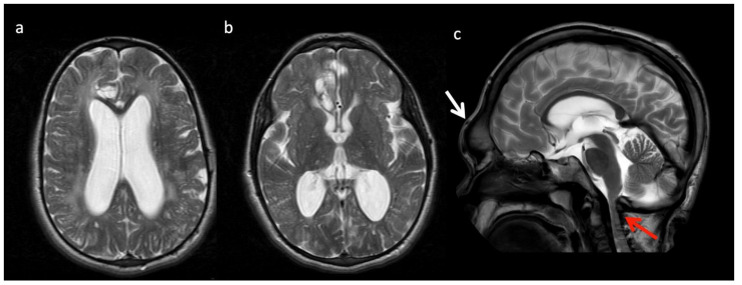
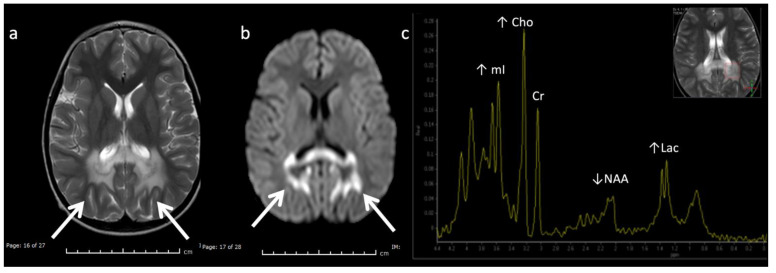
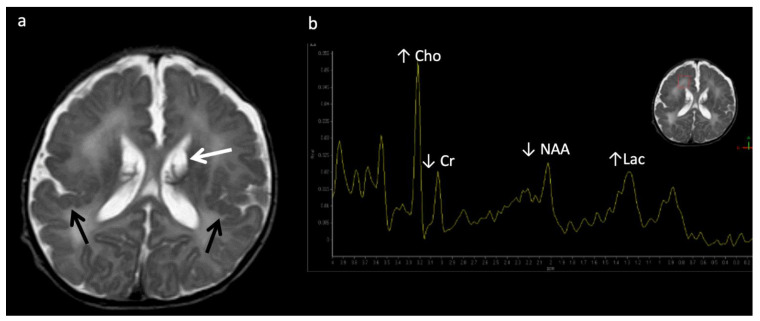
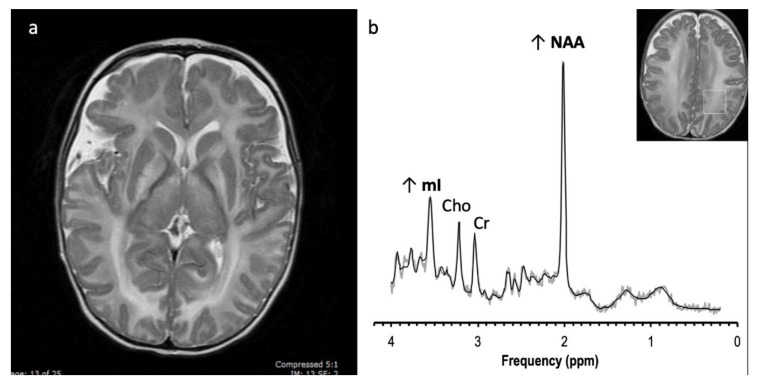
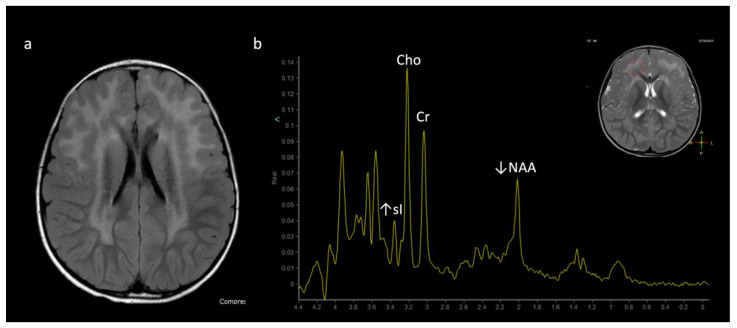
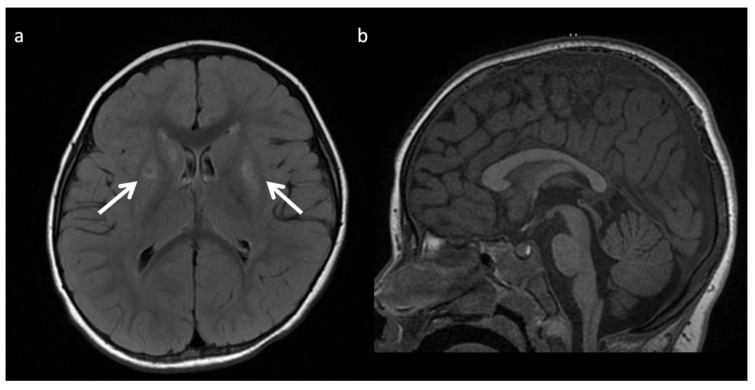
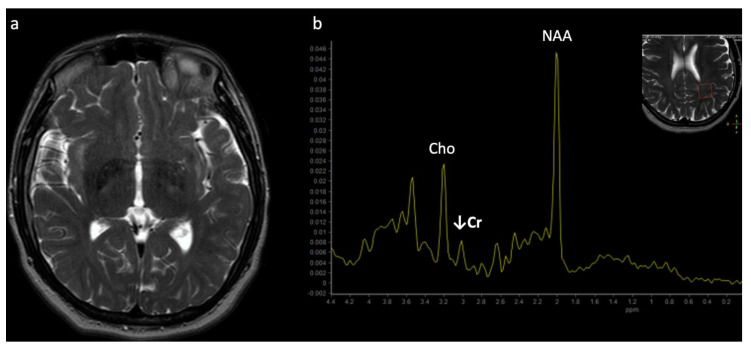
Inborn errors of metabolism (IEM) are a group of disorders due to functional defects in one or more metabolic pathways that can cause considerable morbidity and death if not diagnosed early. While individually rare, the estimated global prevalence of IEMs comprises a substantial number of neonatal and infantile disorders affecting the central nervous system. Clinical manifestations of IEMs may be nonspecific. Newborn metabolic screens do not capture all IEMs, and likewise, genetic testing may not always detect pathogenic variants. Neuroimaging is a critical component of the work-up, given that imaging sometimes occurs before prenatal screen results are available, which may allow for recognition of imaging patterns that lead to early diagnosis and treatment of IEMs. This review will demonstrate the role of magnetic resonance imaging (MRI) and proton magnetic resonance spectroscopy (H MRS) in the evaluation of IEMs. The focus will be on scenarios where MRI and H MRS are suggestive of or diagnostic for IEMs, or alternatively, refute the diagnosis.
先天性代谢缺陷(IEM)是一组由于一种或多种代谢途径功能缺陷引起的疾病,如果不及早诊断,可能会导致相当高的发病率和死亡率。虽然IEM个体发病率较低,但据估计,全球IEM的患病率包括大量影响中枢神经系统的新生儿和婴儿疾病。IEM的临床表现可能不具有特异性。新生儿代谢筛查无法检测出所有IEM,同样,基因检测也不一定能检测到致病变异。鉴于有时在产前筛查结果出来之前就已进行影像学检查,神经影像学检查是诊断过程中的关键组成部分,这可能有助于识别那些能引导IEM早期诊断和治疗的影像学特征。本综述将阐述磁共振成像(MRI)和质子磁共振波谱(H MRS)在IEM评估中的作用。重点将放在MRI和H MRS提示或诊断IEM,或排除诊断的情况。