Anjorin AbdulAzeez Adeyemi, Odetokun Ismail A, Nyandwi Jean Baptiste, Elnadi Hager, Awiagah Kwame Sherrif, Eyedo Joseph, Abioye Ajibola Ibraheem, Gachara George, Maisara Aala MohmedOsman, Razouqi Youssef, Yusuf Mohamud Mohamed Farah, Mhgoob Zuhal Ebrahim, Ajayi Tunde, Ntirenganya Lazare, Saibu Morounke, Salako Babatunde Lawal, Elelu Nusirat, Wright Kikelomo Ololade, Fasina Folorunso O, Mosbah Rasha
Department of Microbiology (Virology Research), Lagos State University, Ojo 102101, Lagos, Nigeria.
Department of Veterinary Public Health & Preventive Medicine, University of Ilorin, Ilorin 200213, Kwara State, Nigeria.
Vaccines (Basel). 2022 Apr 1;10(4):546. doi: 10.3390/vaccines10040546.
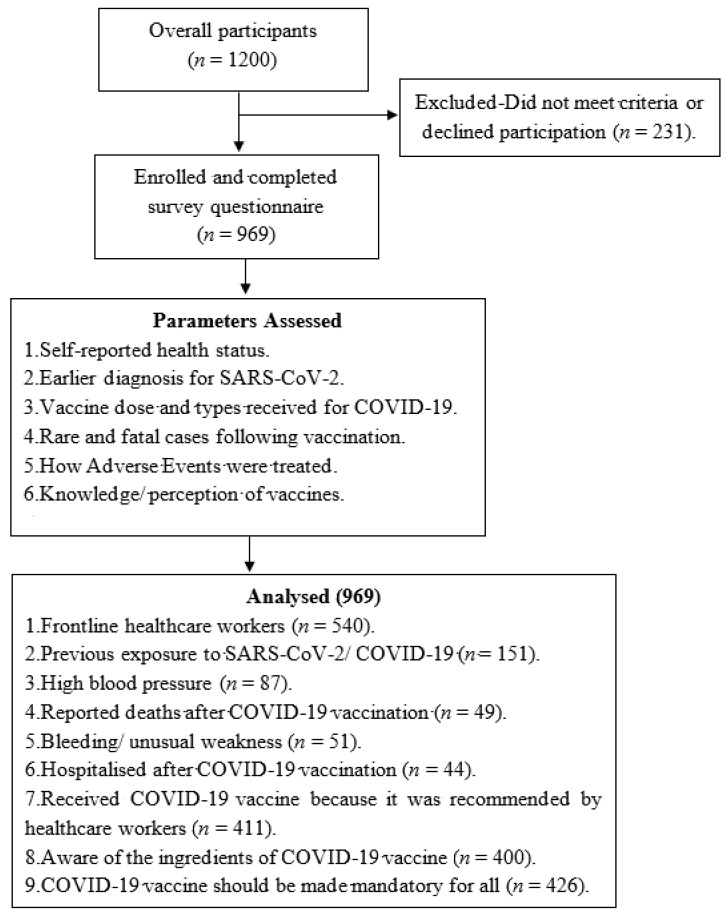
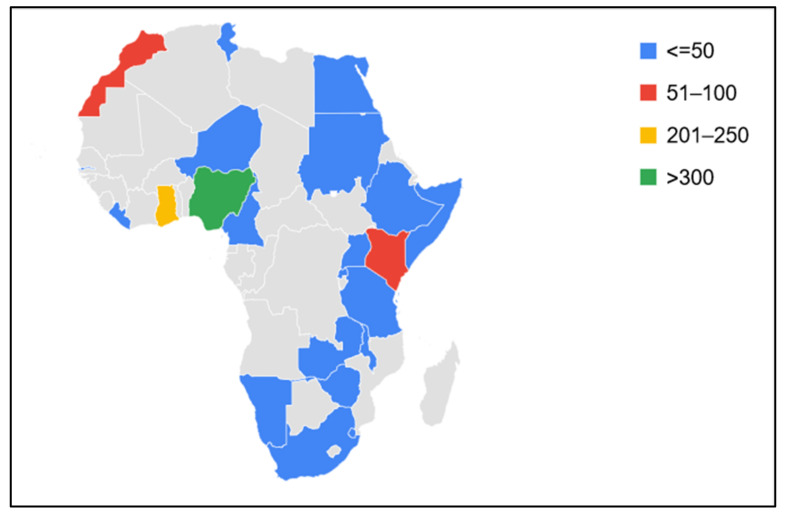
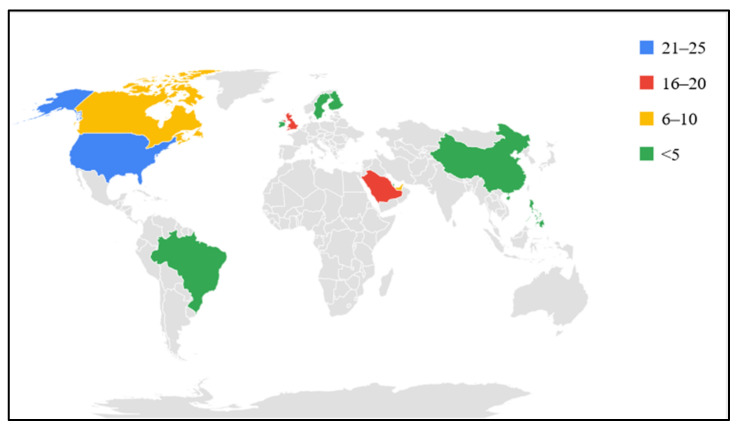
Local, national, and international health agencies have advocated multi-pronged public health strategies to limit infections and prevent deaths. The availability of safe and effective vaccines is critical in the control of a pandemic. Several adverse events have been reported globally following reception of different vaccines, with limited or no data from Africa. This cross-sectional epidemiological study investigated adverse events following COVID-19 vaccination in Africans from April-June, 2021 using a structured online questionnaire. Out of 1200 participants recruited, a total of 80.8% ( = 969) respondents from 35 countries, including 22 African countries and 13 countries where Africans live in the diaspora, reported adverse events. Over half of the vaccinees were male (53.0%) and frontline healthcare workers (55.7%), respectively. A total of 15.6% ( = 151) reported previous exposure to SARS-CoV-2, while about one-fourth, 24.8% ( = 240), reported different underlying health conditions prior to vaccination. Fatal cases were 5.1% ( = 49), while other significant heterogenous events were reported in three categories: very common, common, and uncommon, with the latter including enlarged lymph nodes 2.4% ( = 23), menstrual disorder 0.5% ( = 5), and increased libido 0.2% ( = 2). The study provided useful data for concerned authorities and institutions to prepare plans that will address issues related to COVID-19 vaccines.
地方、国家和国际卫生机构都倡导采取多管齐下的公共卫生策略来限制感染并预防死亡。安全有效的疫苗对于控制大流行至关重要。全球范围内已报告了接种不同疫苗后出现的几起不良事件,但非洲的数据有限或没有相关数据。这项横断面流行病学研究于2021年4月至6月使用结构化在线问卷调查了非洲人接种新冠疫苗后的不良事件。在招募的1200名参与者中,来自35个国家(包括22个非洲国家和13个非洲人侨居的国家)的80.8%(n = 969)的受访者报告了不良事件。超过一半的疫苗接种者分别为男性(53.0%)和一线医护人员(55.7%)。共有15.6%(n = 151)的人报告曾接触过新冠病毒,而约四分之一(24.8%,n = 240)的人报告在接种疫苗前有不同的基础健康状况。死亡病例占5.1%(n = 49),而其他显著的异质性事件分为三类报告:非常常见、常见和不常见,后者包括淋巴结肿大2.4%(n = 23)、月经紊乱0.5%(n = 5)和性欲增强0.2%(n = 2)。该研究为相关当局和机构制定应对新冠疫苗相关问题的计划提供了有用的数据。