Maliwankul Korakot, Boonsri Pattira, Klabklay Prapakorn, Chuaychoosakoon Chaiwat
Department of Orthopedics, Faculty of Medicine, Prince of Songkla University, 15 Karnjanavanich Road, Hat Yai, Songkhla 90110, Thailand.
Department of Radiology, Faculty of Medicine, Prince of Songkla University, 15 Karnjanavanich Road, Hat Yai, Songkhla 90110, Thailand.
Vaccines (Basel). 2022 Apr 12;10(4):588. doi: 10.3390/vaccines10040588.
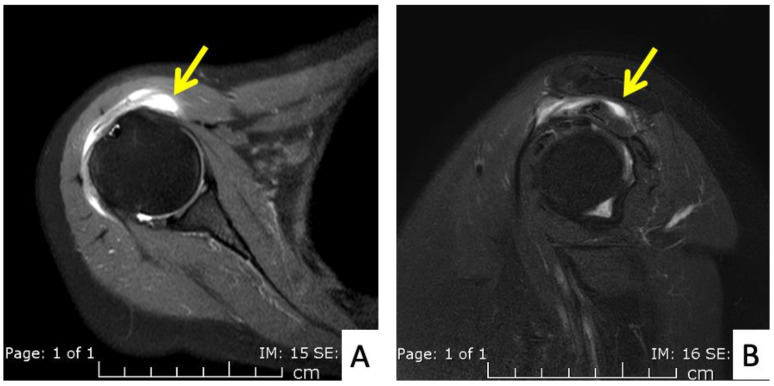
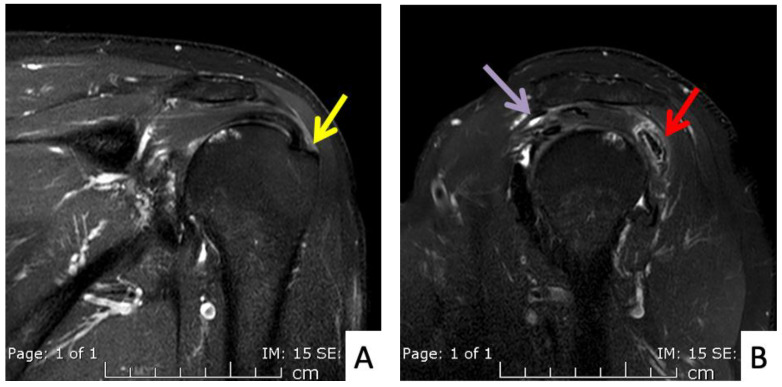
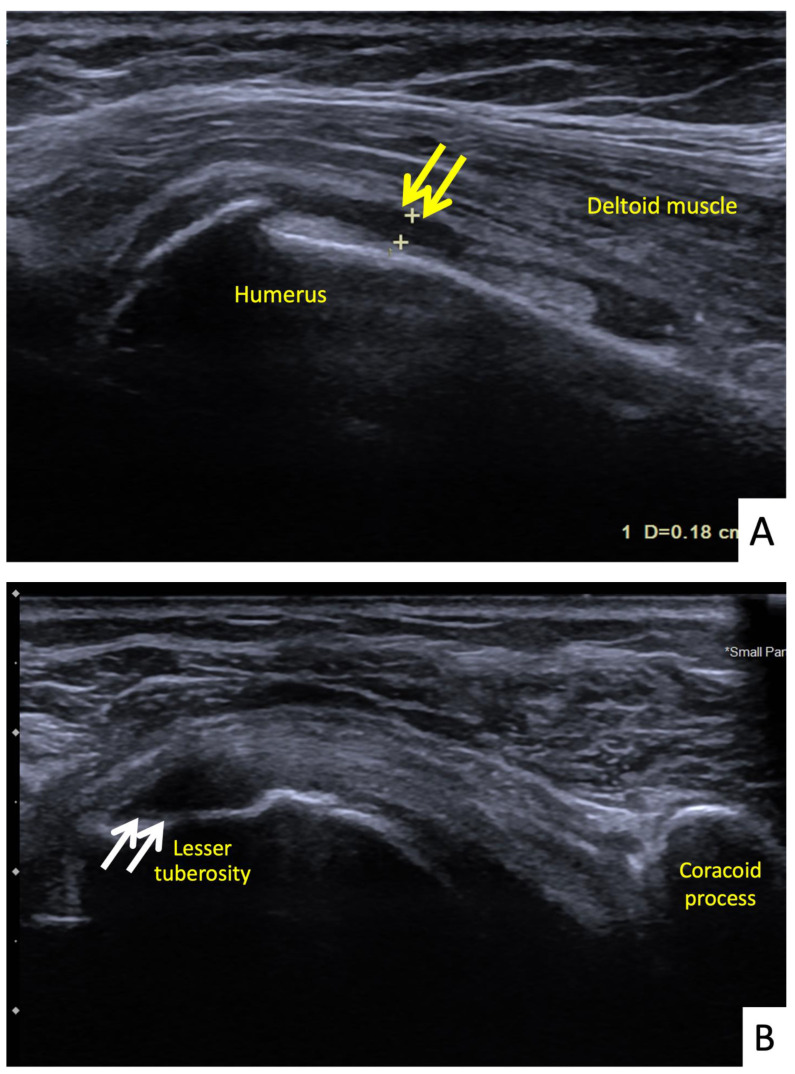
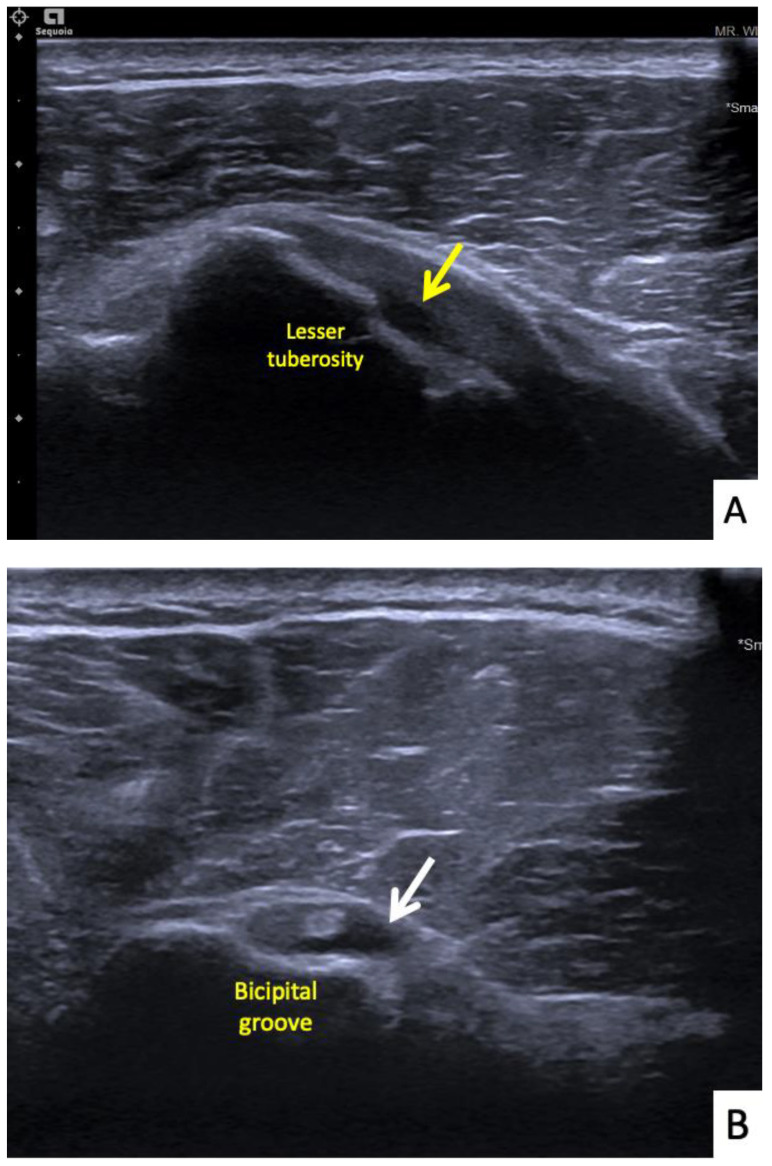
A shoulder injury related to vaccine administration (SIRVA) is a vaccination complication that can affect daily life activities. To date, there have been no case series of patients diagnosed as SIRVA following a COVID-19 vaccination. We offer a series of seven SIRVA cases including clinical presentations, investigations and treatment outcomes.
A retrospective chart review was performed for seven patients who developed SIRVA following a COVID-19 vaccination between April 2021 and October 2021. All patients had no prior shoulder pain before their vaccination and then developed shoulder pain within a few days following the vaccination, which did not spontaneously improve within 1 week.
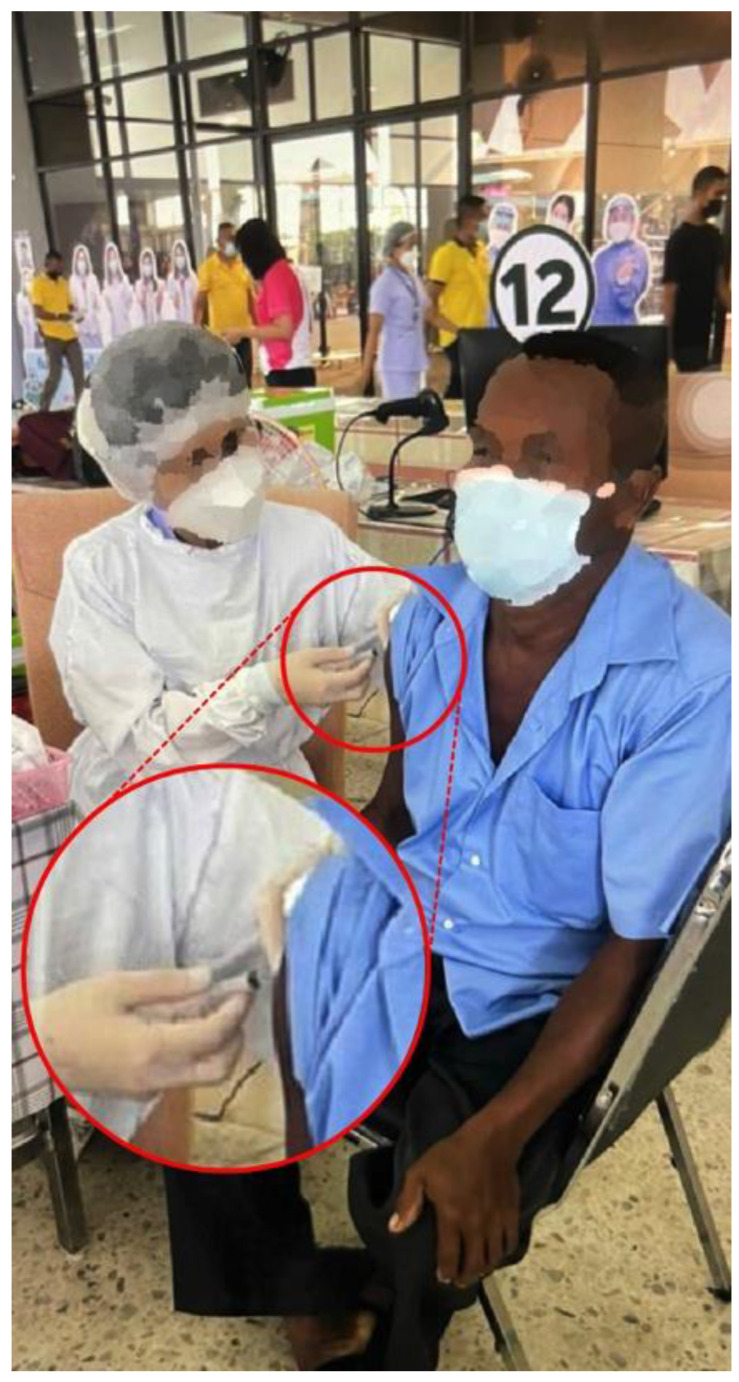
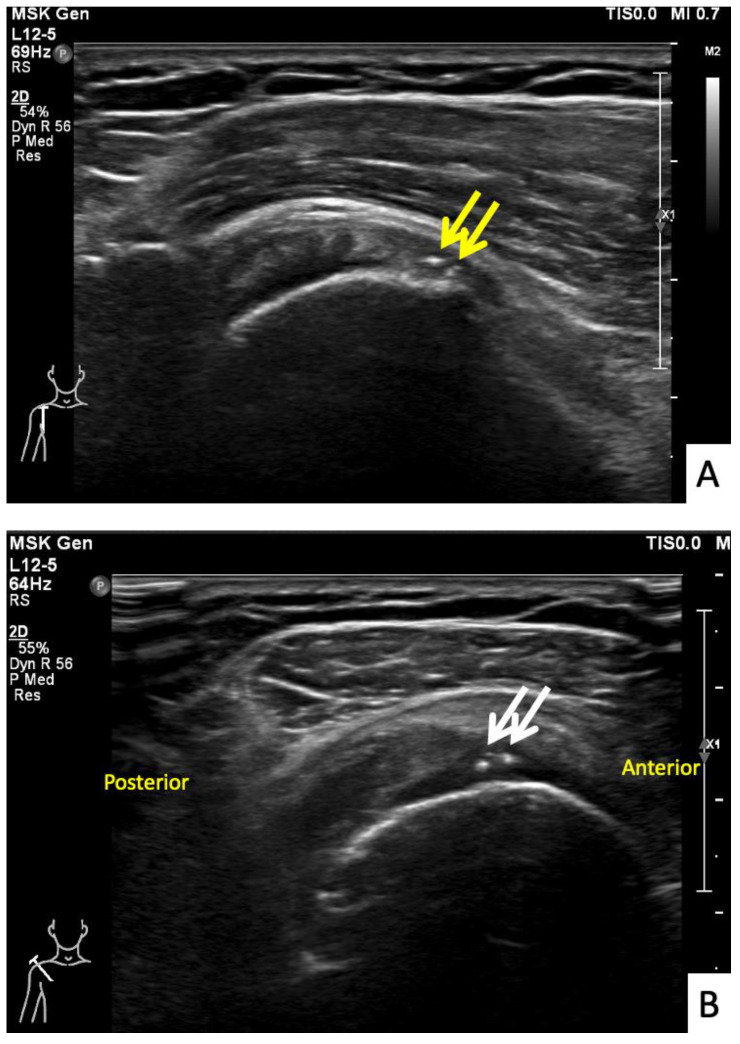
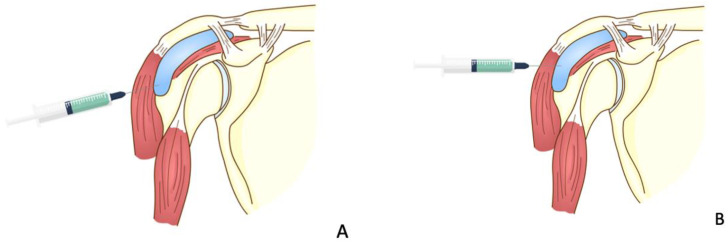
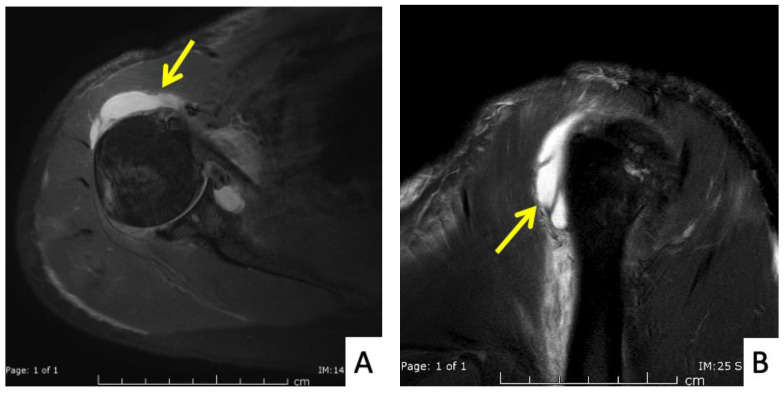
Four of the seven patients were male, and the average age was 62.29 ± 7.76 years. The average body mass index was 25.1 ± 2.2 kg/m. In all cases, the cause of the SIRVA was from an incorrect COVID-19 vaccine administration technique. Two patients developed shoulder pain immediately following the injection, one patient about 3 h after the injection, and the other four patients within the next few days. Two of the seven patients visited the orthopedic clinic after the persistent shoulder pain for 3 and 4 days and the other five patients 1-9 weeks following their injections. One of the seven patients was treated with combined intravenous antibiotic and oral non-steroidal anti-inflammatory drug (NSAID) because septic arthritis of the shoulder could not initially be ruled out, and recovered within 2 weeks. The other six patients had shoulder pain without acute fever, and five of them were treated with only oral prednisolone 30 mg/day for 5-10 days, following which the pain improved and they all could return to normal activities within 14 days, with no side effects from the prednisolone such as stomachache, nausea, vomiting, headache, or dizziness.
In our series, the most common cause of SIRVA was an incorrect vaccination technique. Most patients responded well to oral NSAIDs or oral prednisolone.
All SIRVAs were from an incorrect injection technique and not actually the vaccination, so our series highlights the importance of ensuring all vaccinators understand the importance of taking proper care with the injection technique. Additionally, most of our patients with SIRVA from a COVID-19 injection responded well to oral prednisolone (30 mg/day). If there are no contraindications, we suggest this as the first line treatment for COVID-19-related SIRVA.
疫苗接种相关肩部损伤(SIRVA)是一种可影响日常生活活动的疫苗接种并发症。迄今为止,尚无关于新冠病毒疫苗接种后被诊断为SIRVA的患者病例系列报道。我们提供了7例SIRVA病例,包括临床表现、检查及治疗结果。
对2021年4月至2021年10月期间接种新冠病毒疫苗后发生SIRVA的7例患者进行回顾性病历审查。所有患者在接种疫苗前均无肩部疼痛,接种疫苗后数天内出现肩部疼痛,且在1周内未自行缓解。
7例患者中4例为男性,平均年龄为62.29±7.76岁。平均体重指数为25.1±2.2kg/m²。在所有病例中,SIRVA的病因均为新冠病毒疫苗接种技术不正确。2例患者在注射后立即出现肩部疼痛,1例患者在注射后约3小时出现,另外4例患者在接下来的几天内出现。7例患者中有2例在持续肩部疼痛3天和4天后就诊于骨科门诊,另外5例患者在注射后1至9周就诊。7例患者中有1例因最初无法排除肩部化脓性关节炎而接受静脉抗生素联合口服非甾体抗炎药(NSAID)治疗,并在2周内康复。其他6例患者肩部疼痛但无急性发热,其中5例仅接受口服泼尼松龙30mg/天治疗5至10天,之后疼痛改善,且均在14天内恢复正常活动,未出现泼尼松龙的副作用,如胃痛、恶心、呕吐、头痛或头晕。
在我们的病例系列中,SIRVA最常见的病因是接种技术不正确。大多数患者对口服NSAIDs或口服泼尼松龙反应良好。
所有SIRVA均源于不正确的注射技术而非疫苗本身,因此我们的病例系列强调了确保所有接种人员理解正确注射技术重要性的重要性。此外,我们大多数因新冠病毒疫苗接种导致SIRVA的患者对口服泼尼松龙(30mg/天)反应良好。如果没有禁忌症,我们建议将其作为新冠病毒相关SIRVA的一线治疗方法。