Malebari Azizah M, Kara Aytug, Khayyat Ahdab N, Mohammad Khadijah A, Serrano Dolores R
Department of Pharmaceutical Chemistry, College of Pharmacy, King Abdulaziz University, Jeddah 21589, Saudi Arabia.
Department of Pharmaceutics and Food Science, Facultad de Farmacia, Universidad Complutense de Madrid, 28040 Madrid, Spain.
Pharmaceuticals (Basel). 2022 Mar 31;15(4):435. doi: 10.3390/ph15040435.
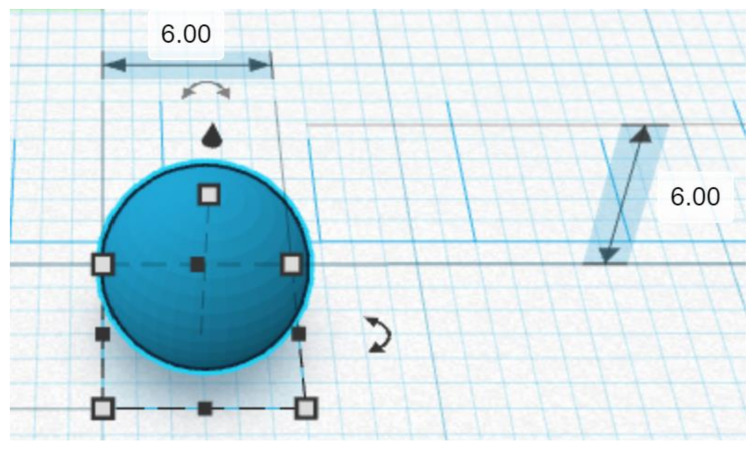
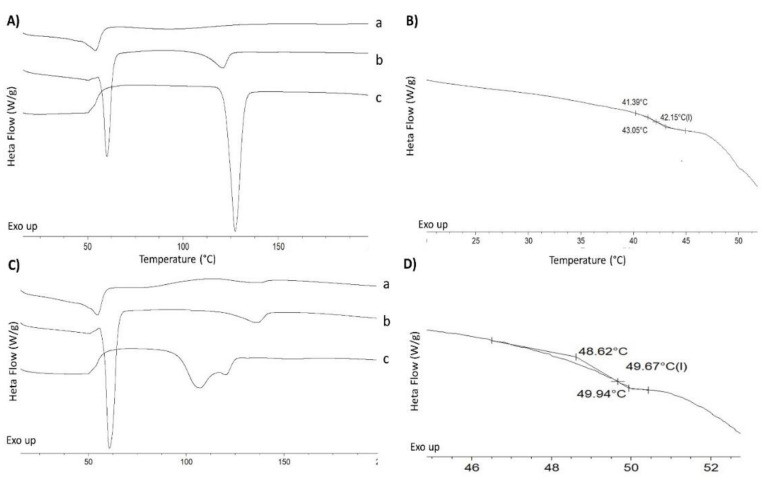
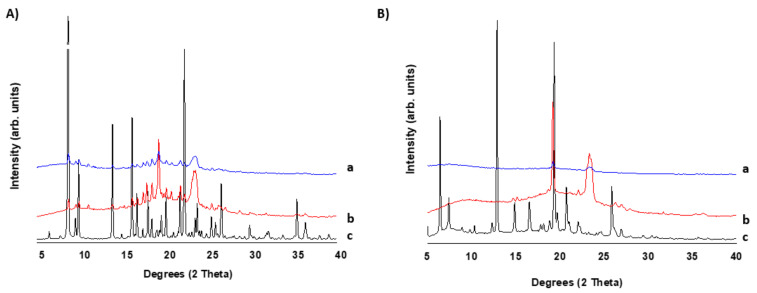
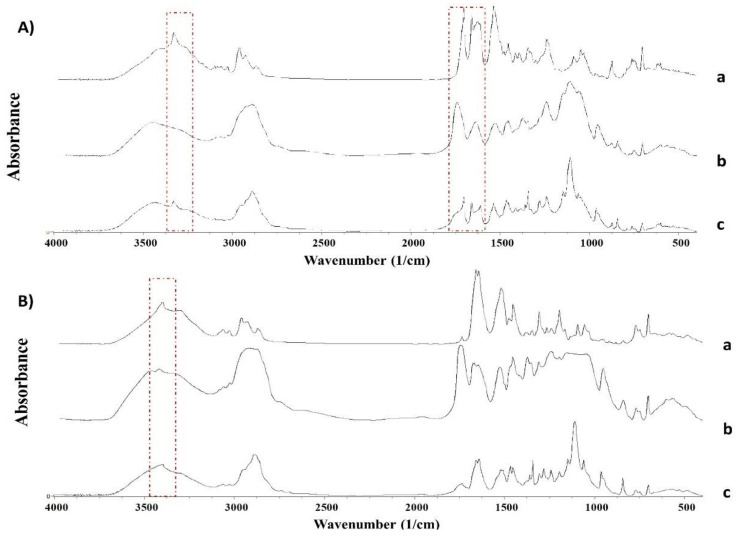
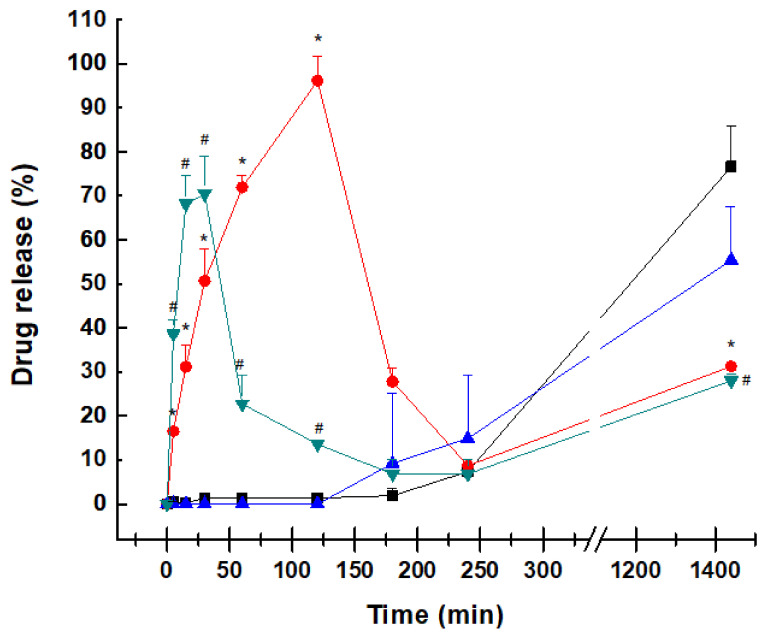
The combination of lopinavir/ritonavir remains one of the first-line therapies for the initial antiretroviral regimen in pediatric HIV-infected children. However, the implementation of this recommendation has faced many challenges due to cold-chain requirements, high alcohol content, and unpalatability for ritonavir-boosted lopinavir syrup. In addition, the administration of crushed tablets has shown a detriment for the oral bioavailability of both drugs. Therefore, there is a clinical need to develop safer and better formulations adapted to children's needs. This work has demonstrated, for the first time, the feasibility of using direct powder extrusion 3D printing to manufacture personalized pediatric HIV dosage forms based on 6 mm spherical tablets. H-bonding between drugs and excipients (hydroxypropyl methylcellulose and polyethylene glycol) resulted in the formation of amorphous solid dispersions with a zero-order sustained release profile, opposite to the commercially available formulation Kaletra, which exhibited marked drug precipitation at the intestinal pH.
洛匹那韦/利托那韦联合用药仍然是儿科HIV感染儿童初始抗逆转录病毒治疗方案的一线疗法之一。然而,由于冷链要求、酒精含量高以及利托那韦增强型洛匹那韦糖浆口感不佳,该建议的实施面临诸多挑战。此外,碾碎片剂给药已显示对两种药物的口服生物利用度不利。因此,临床上需要开发更安全、更适合儿童需求的制剂。这项工作首次证明了使用直接粉末挤出3D打印技术制造基于6毫米球形片剂的个性化儿科HIV剂型的可行性。药物与辅料(羟丙基甲基纤维素和聚乙二醇)之间的氢键作用导致形成具有零级缓释曲线的无定形固体分散体,这与市售制剂克力芝相反,后者在肠道pH值下表现出明显的药物沉淀。