• 文献检索
  • 文档翻译
  • 深度研究
  • 学术资讯
  • Suppr Zotero 插件Zotero 插件
  • 邀请有礼
  • 套餐&价格
  • 历史记录
应用&插件
Suppr Zotero 插件Zotero 插件浏览器插件Mac 客户端Windows 客户端微信小程序
定价
高级版会员购买积分包购买API积分包
服务
文献检索文档翻译深度研究API 文档MCP 服务
关于我们
关于 Suppr公司介绍联系我们用户协议隐私条款
关注我们

Suppr 超能文献

核心技术专利:CN118964589B侵权必究
粤ICP备2023148730 号-1Suppr @ 2026

文献检索

告别复杂PubMed语法,用中文像聊天一样搜索,搜遍4000万医学文献。AI智能推荐,让科研检索更轻松。

立即免费搜索

文件翻译

保留排版,准确专业,支持PDF/Word/PPT等文件格式,支持 12+语言互译。

免费翻译文档

深度研究

AI帮你快速写综述,25分钟生成高质量综述,智能提取关键信息,辅助科研写作。

立即免费体验

中国传统村落的空间分布特征及影响因素

Spatial Distribution Characteristics and Influencing Factors of Traditional Villages in China.

机构信息

Department of Geography, School of Geography and Information Engineering, China University of Geosciences, Wuhan 430078, China.

出版信息

Int J Environ Res Public Health. 2022 Apr 12;19(8):4627. doi: 10.3390/ijerph19084627.

DOI:10.3390/ijerph19084627
PMID:35457495
原文链接:https://pmc.ncbi.nlm.nih.gov/articles/PMC9029868/
Abstract

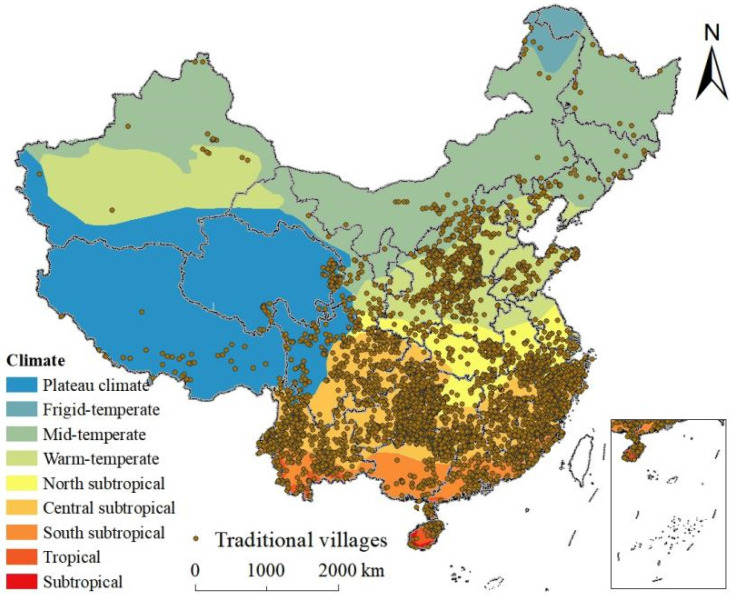
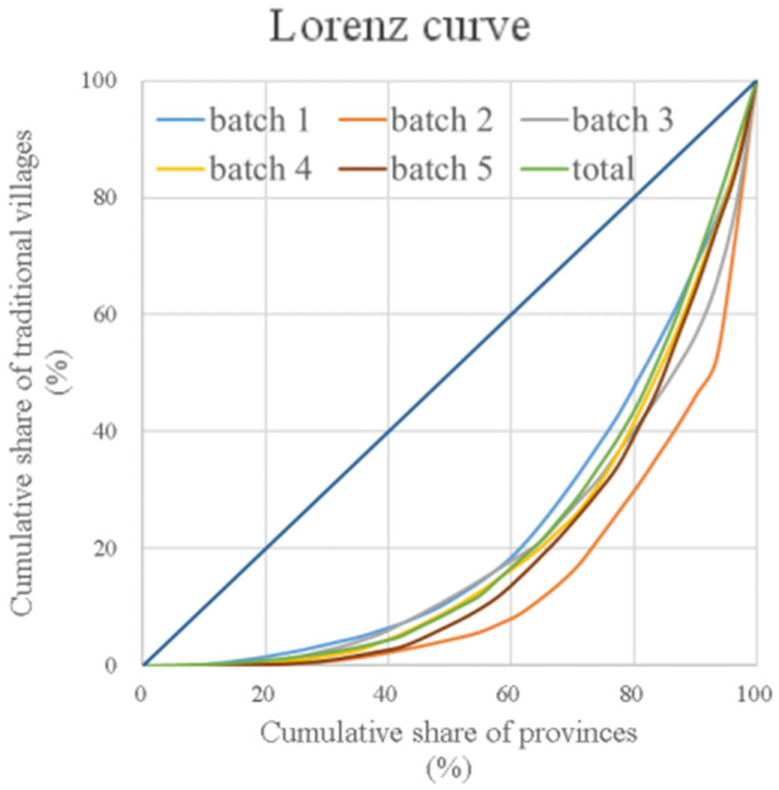
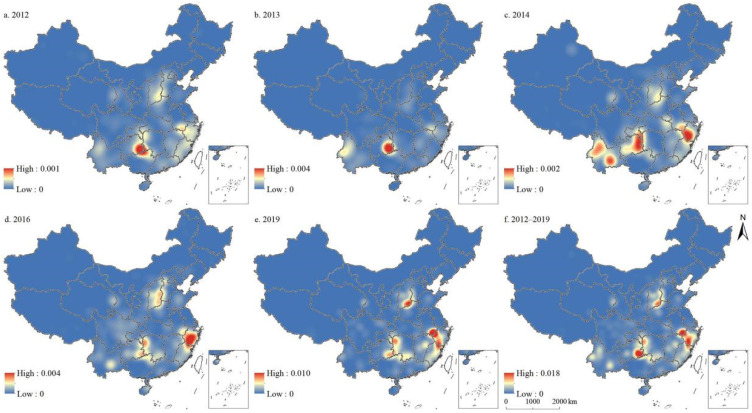
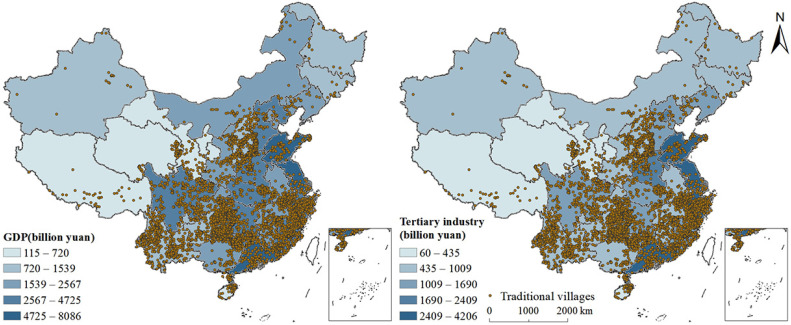
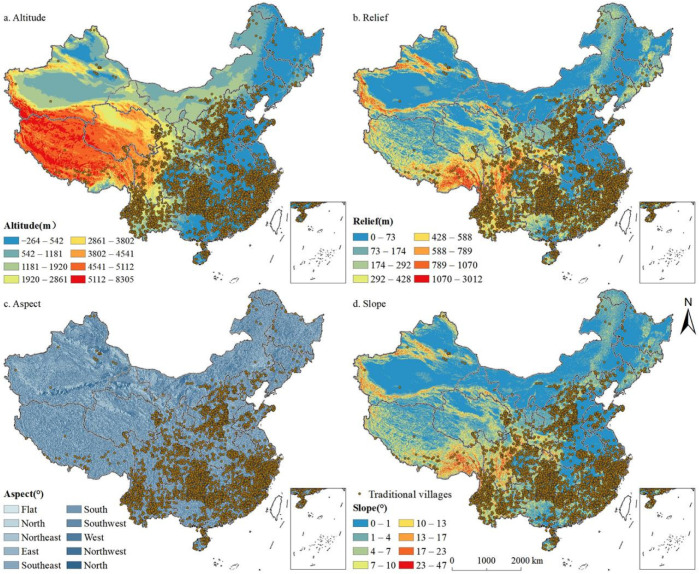
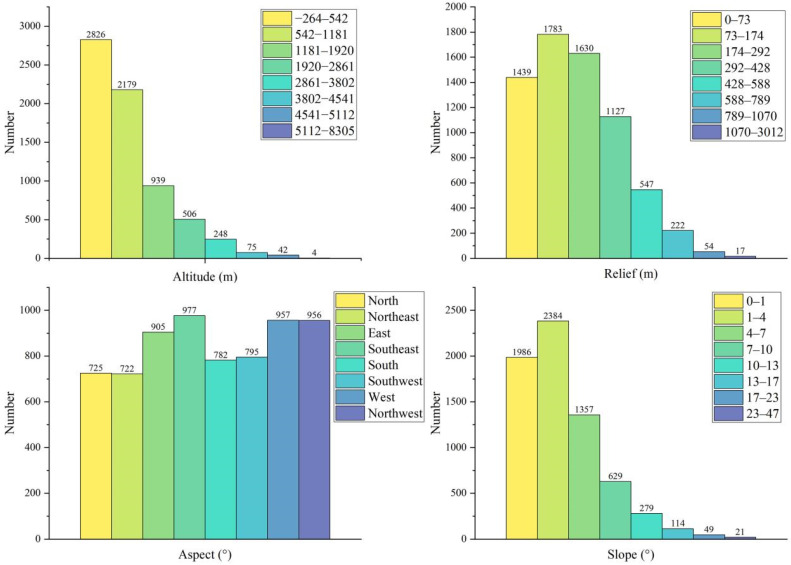
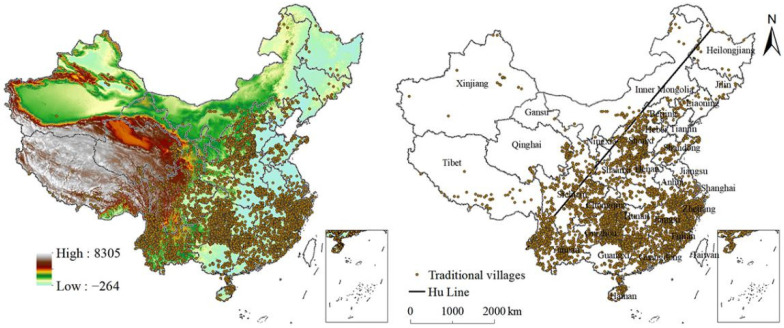
Traditional villages carry the essence of traditional culture, which is necessary for rural revitalisation. However, continuous urban expansion has resulted in the rapid decline and even disappearance of these villages in recent decades. It is necessary to analyse the spatial pattern and influencing factors for the protection and development of traditional villages. Previous studies focused on the value and theoretical protection mechanism of traditional villages in China, disregarding their spatial distribution characteristics and influencing factors. Thus, we employed a Geographic Information System and spatial analysis with mathematical statistics to analyse the characteristics of these villages. Moreover, we analysed the associated influencing factors both qualitatively and quantitatively. The results show that traditional villages were mainly distributed in the southeast of the Hu Line in China, with an unbalanced spatial distribution pattern and an agglomeration distribution tendency. In general, four major agglomeration areas of traditional villages formed at the junction of Hebei, Shandong, and Henan provinces; the border between the Guizhou, Guangxi, and Hunan provinces; the border between the Anhui, Zhejiang, and Jiangxi provinces; and northwestern and southeastern Yunnan provinces. Traditional villages also existed in areas with relief lower than 300 m, altitudes of less than 1000 m, and slopes of less than 10°. They were mostly distributed in subtropical and temperate zones. A positive correlation was found between traditional villages and the level of economic development, population, and human history; conversely, the transportation network was negatively correlated. This study reveals the complex and diverse characteristics of traditional villages and provides scientific suggestions for their future protection, development, and utilisation.

摘要

传统村落承载着传统文化的精髓,是乡村振兴的必要条件。然而,近几十年来,城市的不断扩张导致这些村落迅速减少甚至消失。有必要分析传统村落的保护与发展的空间格局和影响因素。以往的研究主要集中在中国传统村落的价值和理论保护机制上,而忽略了它们的空间分布特征和影响因素。因此,我们采用地理信息系统和空间分析与数理统计相结合的方法,分析了这些村落的特征。此外,我们还定性和定量地分析了相关影响因素。结果表明,传统村落主要分布在中国胡焕庸线东南部,空间分布格局不均衡,呈集聚分布趋势。总体上,传统村落形成了四大集聚区,分别位于河北、山东和河南三省交界处;贵州、广西和湖南三省交界处;安徽、浙江和江西三省交界处;以及云南西北部和东南部。传统村落还分布在海拔低于 300 米、海拔低于 1000 米、坡度小于 10°的地区。它们主要分布在亚热带和温带地区。传统村落与经济发展水平、人口和人类历史呈正相关,而与交通网络呈负相关。本研究揭示了传统村落的复杂多样特征,为其未来的保护、发展和利用提供了科学建议。
https://cdn.ncbi.nlm.nih.gov/pmc/blobs/d5de/9029868/51ed40a8ff5a/ijerph-19-04627-g011.jpg
https://cdn.ncbi.nlm.nih.gov/pmc/blobs/d5de/9029868/6871950b57a9/ijerph-19-04627-g001.jpg
https://cdn.ncbi.nlm.nih.gov/pmc/blobs/d5de/9029868/df1674eead7f/ijerph-19-04627-g002.jpg
https://cdn.ncbi.nlm.nih.gov/pmc/blobs/d5de/9029868/04863c43e255/ijerph-19-04627-g003.jpg
https://cdn.ncbi.nlm.nih.gov/pmc/blobs/d5de/9029868/99c86abca19d/ijerph-19-04627-g004.jpg
https://cdn.ncbi.nlm.nih.gov/pmc/blobs/d5de/9029868/89b62c194b12/ijerph-19-04627-g005.jpg
https://cdn.ncbi.nlm.nih.gov/pmc/blobs/d5de/9029868/c8c355e1861b/ijerph-19-04627-g006.jpg
https://cdn.ncbi.nlm.nih.gov/pmc/blobs/d5de/9029868/296df47c96a3/ijerph-19-04627-g007.jpg
https://cdn.ncbi.nlm.nih.gov/pmc/blobs/d5de/9029868/f7b8a1c09925/ijerph-19-04627-g008.jpg
https://cdn.ncbi.nlm.nih.gov/pmc/blobs/d5de/9029868/757b9b71b3e2/ijerph-19-04627-g009.jpg
https://cdn.ncbi.nlm.nih.gov/pmc/blobs/d5de/9029868/58a48047e9a7/ijerph-19-04627-g010.jpg
https://cdn.ncbi.nlm.nih.gov/pmc/blobs/d5de/9029868/51ed40a8ff5a/ijerph-19-04627-g011.jpg
https://cdn.ncbi.nlm.nih.gov/pmc/blobs/d5de/9029868/6871950b57a9/ijerph-19-04627-g001.jpg
https://cdn.ncbi.nlm.nih.gov/pmc/blobs/d5de/9029868/df1674eead7f/ijerph-19-04627-g002.jpg
https://cdn.ncbi.nlm.nih.gov/pmc/blobs/d5de/9029868/04863c43e255/ijerph-19-04627-g003.jpg
https://cdn.ncbi.nlm.nih.gov/pmc/blobs/d5de/9029868/99c86abca19d/ijerph-19-04627-g004.jpg
https://cdn.ncbi.nlm.nih.gov/pmc/blobs/d5de/9029868/89b62c194b12/ijerph-19-04627-g005.jpg
https://cdn.ncbi.nlm.nih.gov/pmc/blobs/d5de/9029868/c8c355e1861b/ijerph-19-04627-g006.jpg
https://cdn.ncbi.nlm.nih.gov/pmc/blobs/d5de/9029868/296df47c96a3/ijerph-19-04627-g007.jpg
https://cdn.ncbi.nlm.nih.gov/pmc/blobs/d5de/9029868/f7b8a1c09925/ijerph-19-04627-g008.jpg
https://cdn.ncbi.nlm.nih.gov/pmc/blobs/d5de/9029868/757b9b71b3e2/ijerph-19-04627-g009.jpg
https://cdn.ncbi.nlm.nih.gov/pmc/blobs/d5de/9029868/58a48047e9a7/ijerph-19-04627-g010.jpg
https://cdn.ncbi.nlm.nih.gov/pmc/blobs/d5de/9029868/51ed40a8ff5a/ijerph-19-04627-g011.jpg

相似文献

1
Spatial Distribution Characteristics and Influencing Factors of Traditional Villages in China.中国传统村落的空间分布特征及影响因素
Int J Environ Res Public Health. 2022 Apr 12;19(8):4627. doi: 10.3390/ijerph19084627.
2
Status and factors influencing on-farm conservation of Kam Sweet Rice (Oryza sativa L.) genetic resources in southeast Guizhou Province, China.中国贵州省东南部稻田甜水稻(Oryza sativa L.)遗传资源的保存现状及其影响因素。
J Ethnobiol Ethnomed. 2018 Nov 29;14(1):76. doi: 10.1186/s13002-018-0256-1.
3
Spatial Distribution Characteristics and Influencing Factors of Rural Governance Demonstration Villages in China.中国乡村治理示范村的空间分布特征及其影响因素。
Int J Environ Res Public Health. 2023 Mar 3;20(5):4538. doi: 10.3390/ijerph20054538.
4
Spatial Distribution Characteristics of the Rural Tourism Villages in the Qinghai-Tibetan Plateau and Its Influencing Factors.青藏高原乡村旅游村的空间分布特征及其影响因素。
Int J Environ Res Public Health. 2022 Jul 30;19(15):9330. doi: 10.3390/ijerph19159330.
5
The Spatial Correlations of Health Resource Agglomeration Capacities and Their Influencing Factors: Evidence from China.卫生资源集聚能力的空间相关性及其影响因素研究——来自中国的证据。
Int J Environ Res Public Health. 2020 Nov 23;17(22):8705. doi: 10.3390/ijerph17228705.
6
[Malaria situation in the People's Republic of China in 2002].[2002年中华人民共和国疟疾疫情]
Zhongguo Ji Sheng Chong Xue Yu Ji Sheng Chong Bing Za Zhi. 2003;21(4):193-6.
7
Spatial Distribution Characteristics and Influencing Factors of Traditional Villages on the Tibetan Plateau in China.中国青藏高原地区传统村落的空间分布特征及其影响因素。
Int J Environ Res Public Health. 2022 Oct 13;19(20):13170. doi: 10.3390/ijerph192013170.
8
Analysis of the spatial distribution and influencing factors of China national forest villages.中国国家森林村庄的空间分布及影响因素分析。
Environ Monit Assess. 2022 May 13;194(6):428. doi: 10.1007/s10661-022-10087-8.
9
A study on the spatial distribution characteristics and driving factors of traditional villages in the southeast coast of China: A case study of Puxian, Fujian.中国东南沿海传统村落空间分布特征及驱动因素研究——以福建浦为例
PLoS One. 2024 Jun 7;19(6):e0303746. doi: 10.1371/journal.pone.0303746. eCollection 2024.
10
Spatial and temporal distribution characteristics and geographic contexts of civilized villages in China.中国文明村的时空分布特征及地理背景。
PLoS One. 2024 Jun 24;19(6):e0305591. doi: 10.1371/journal.pone.0305591. eCollection 2024.

引用本文的文献

1
Formulating sustainable planning for Goulan Yao Village based on the integration of cultural landscape gene theory and spatial analysis.基于文化景观基因理论与空间分析的勾蓝瑶寨可持续规划制定
Sci Rep. 2025 Aug 14;15(1):29872. doi: 10.1038/s41598-025-15357-2.
2
Research on the types of environmental characteristics of traditional villages in Guizhou province, China.中国贵州省传统村落环境特征类型研究。
Sci Rep. 2025 Jul 16;15(1):25819. doi: 10.1038/s41598-025-11126-3.
3
Spatial distribution characteristics and accessibility analysis in the Weibei Imperial Mausoleum Protection Zone under the hierarchical clustering algorithm.

本文引用的文献

1
Post-fire attitudes and perceptions of people towards the landscape character and development in the rural Peloponnese, a case study of the traditional village of Leontari, Arcadia, Greece.火灾后人们对伯罗奔尼撒农村地区景观特征和发展的态度和看法——以希腊阿尔卡迪亚莱昂塔里传统村落为例。
J Environ Manage. 2019 Jul 1;241:567-574. doi: 10.1016/j.jenvman.2018.09.105. Epub 2018 Oct 8.
层次聚类算法下渭北帝王陵区空间分布特征及可达性分析
PLoS One. 2025 May 8;20(5):e0321847. doi: 10.1371/journal.pone.0321847. eCollection 2025.
4
Risk Factors Contributing to Highly Pathogenic Avian Influenza H5N6 in China, 2014-2021: Based on a MaxEnt Model.2014 - 2021年中国高致病性禽流感H5N6的风险因素:基于最大熵模型
Transbound Emerg Dis. 2023 Sep 15;2023:6449392. doi: 10.1155/2023/6449392. eCollection 2023.
5
Spatial and temporal distribution characteristics and evolution of traditional villages in the Qihe River Basin of China.中国漆河流域传统村落的时空分布特征及演变
Sci Rep. 2025 Mar 24;15(1):10077. doi: 10.1038/s41598-025-94872-8.
6
Study on the spatial distribution characteristics of traditional villages and their response to the water network system in the lower yangtze river basin.长江下游流域传统村落空间分布特征及其对水网系统响应的研究
Sci Rep. 2024 Sep 29;14(1):22586. doi: 10.1038/s41598-024-74363-y.
7
Spatial differentiation and geographical similarity of traditional villages--Take the Yellow River Basin and the Yangtze River Basin as examples.传统村落的空间分异与地域相似性——以黄河流域和长江流域为例。
PLoS One. 2024 Feb 2;19(2):e0295854. doi: 10.1371/journal.pone.0295854. eCollection 2024.
8
Research on the spatial correlation and formation mechanism between traditional villages and rural tourism.传统村落与乡村旅游的空间相关性及形成机制研究。
Sci Rep. 2023 May 22;13(1):8210. doi: 10.1038/s41598-023-35486-w.
9
Analysis of the impact of traditional ethnic villages in Hani area on sustainable development.哈尼地区传统民族村落对可持续发展的影响分析。
PLoS One. 2023 Mar 16;18(3):e0283142. doi: 10.1371/journal.pone.0283142. eCollection 2023.
10
Spatial Distribution Characteristics and Influencing Factors of Traditional Villages on the Tibetan Plateau in China.中国青藏高原地区传统村落的空间分布特征及其影响因素。
Int J Environ Res Public Health. 2022 Oct 13;19(20):13170. doi: 10.3390/ijerph192013170.