Shalabayev Zhandos, Baláž Matej, Khan Natalya, Nurlan Yelmira, Augustyniak Adrian, Daneu Nina, Tatykayev Batukhan, Dutková Erika, Burashev Gairat, Casas-Luna Mariano, Džunda Róbert, Bureš Radovan, Čelko Ladislav, Ilin Aleksandr, Burkitbayev Mukhambetkali
General and Inorganic Chemistry Department, Al-Farabi Kazakh National University, Al-Farabi Ave. 71, Almaty 050040, Kazakhstan.
Scientific Center for Anti-Infectious Drugs, Al-Farabi Ave. 75B, Almaty 050060, Kazakhstan.
Nanomaterials (Basel). 2022 Apr 7;12(8):1250. doi: 10.3390/nano12081250.
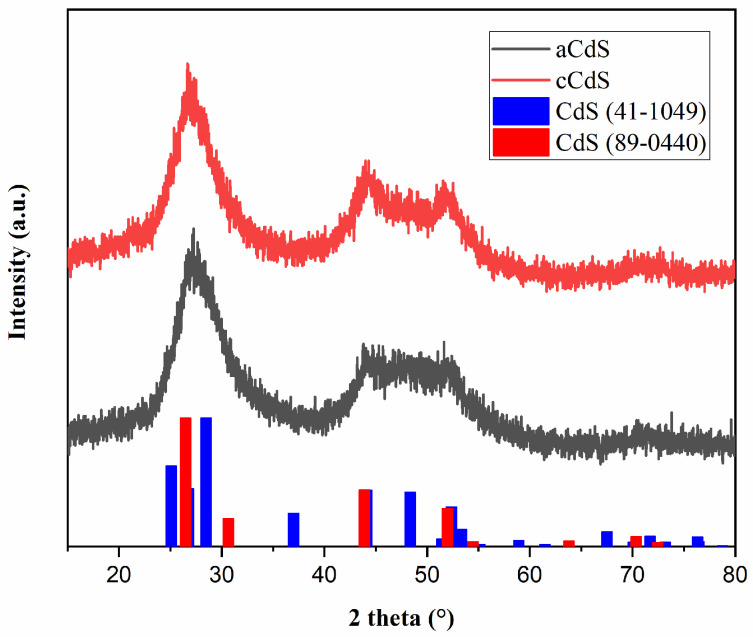
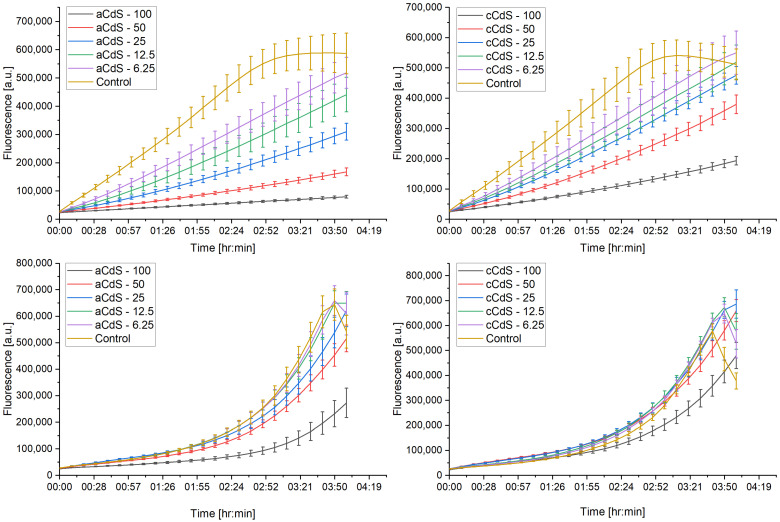
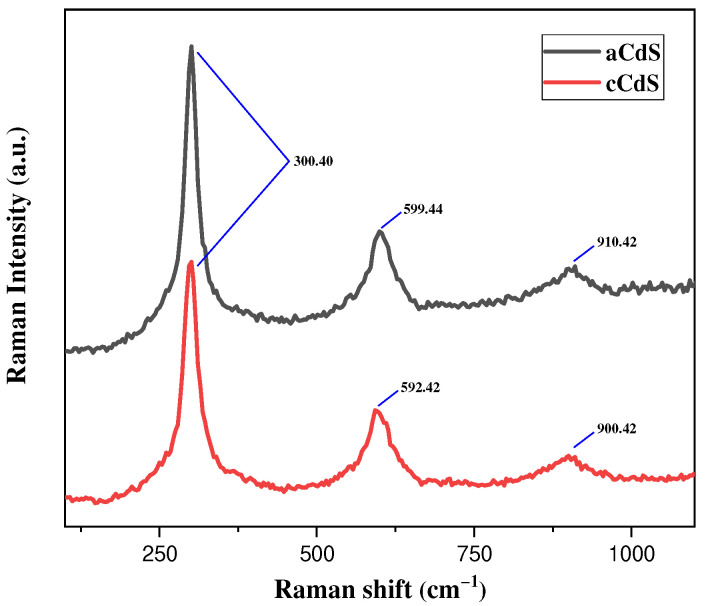
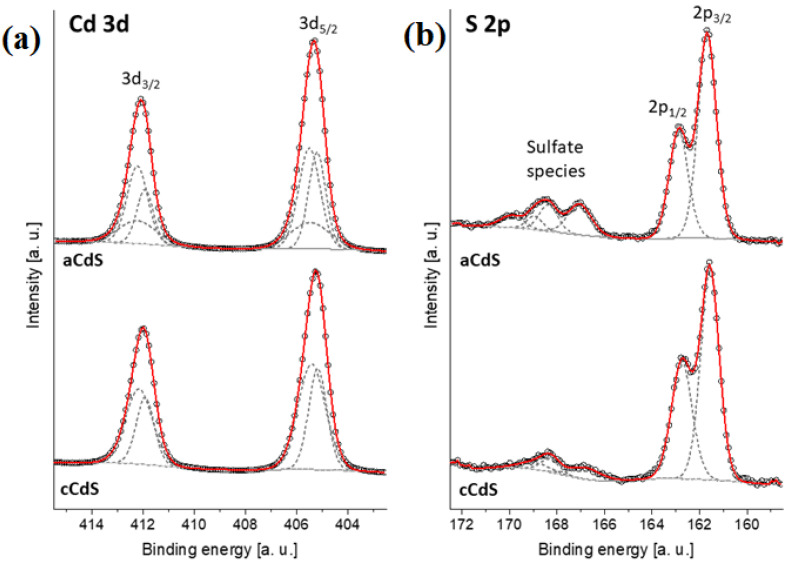
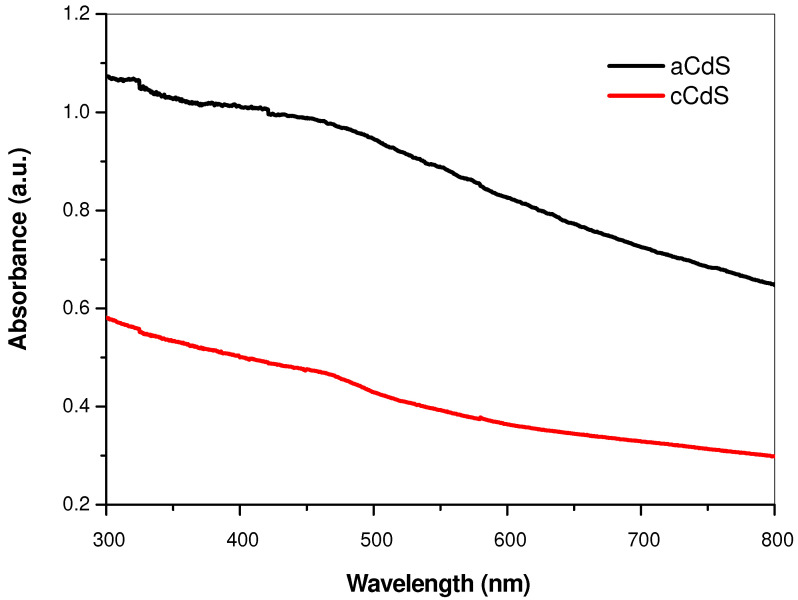
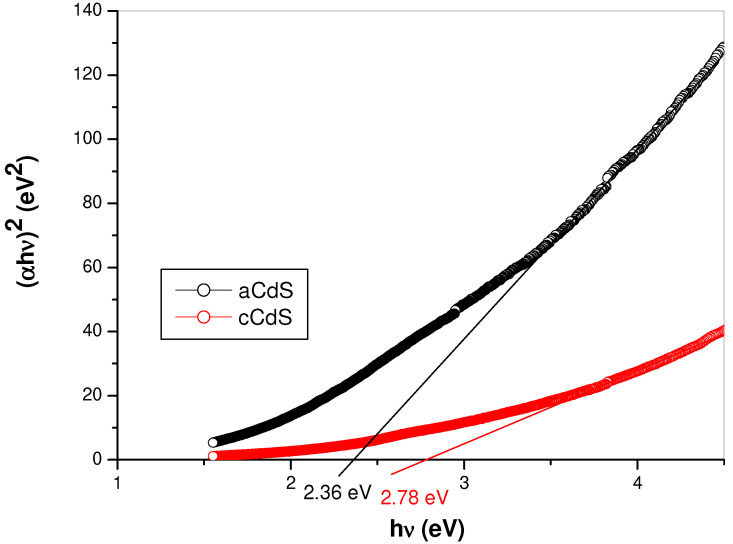
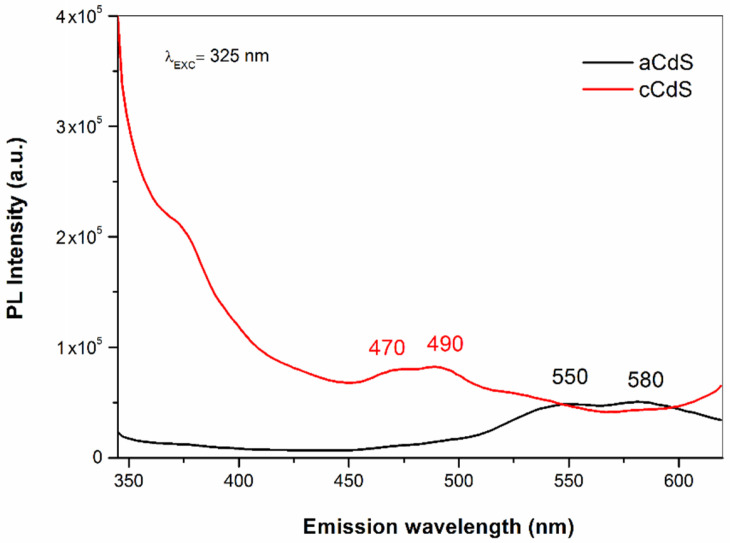
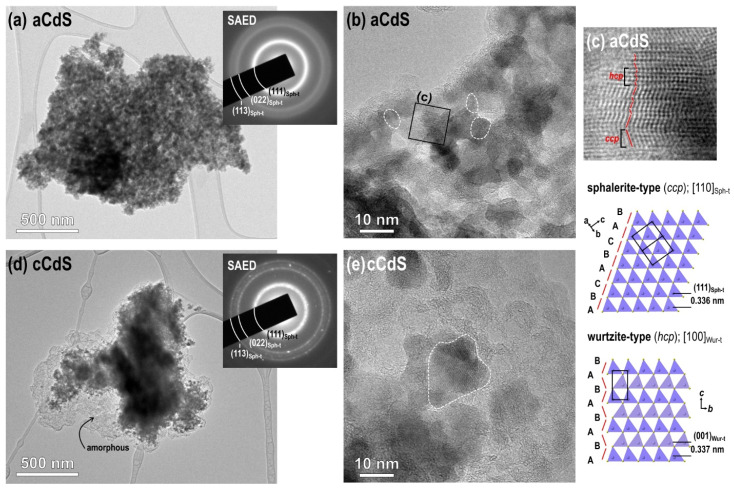
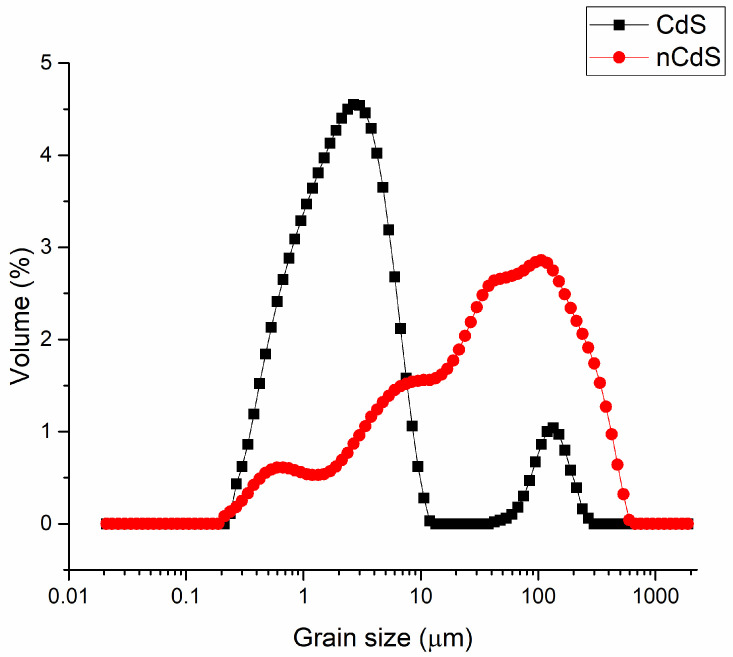
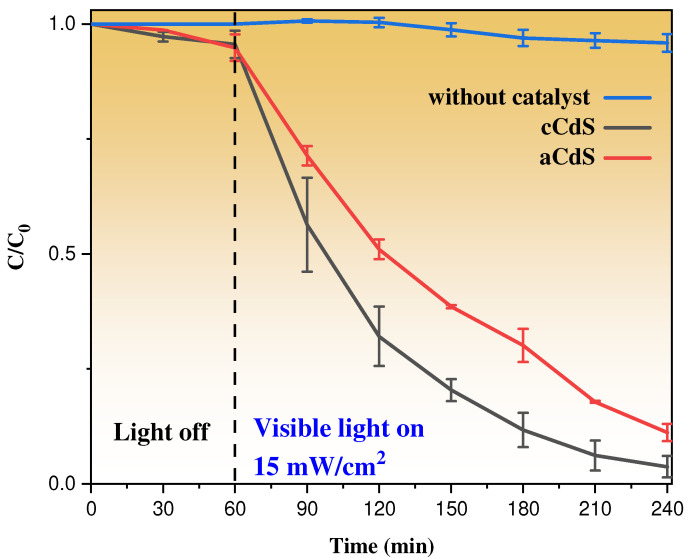
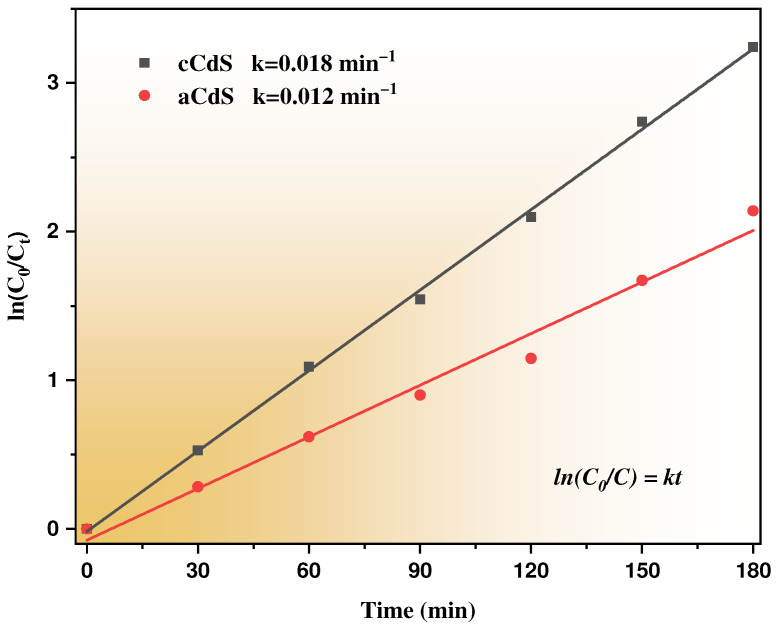
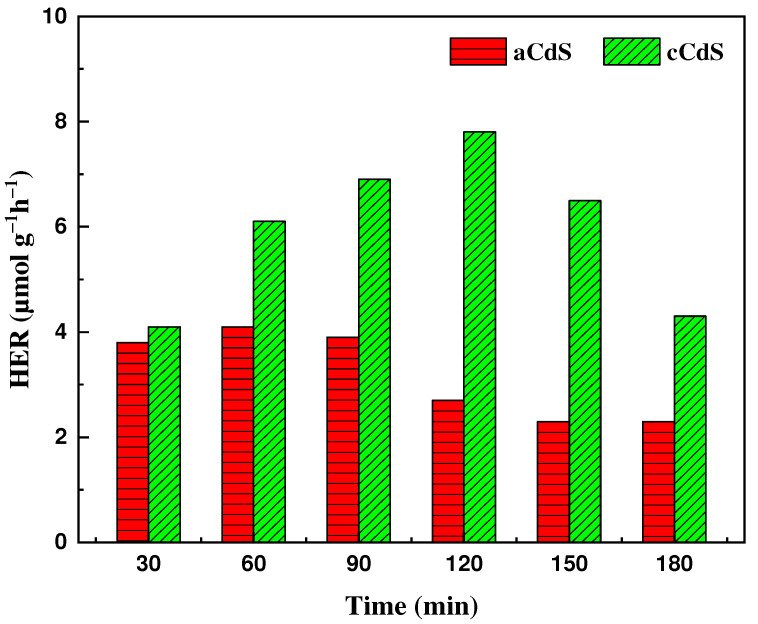
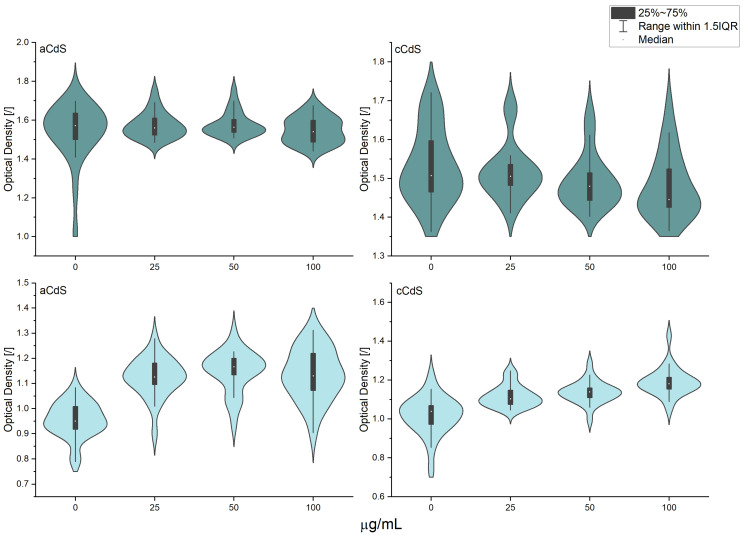
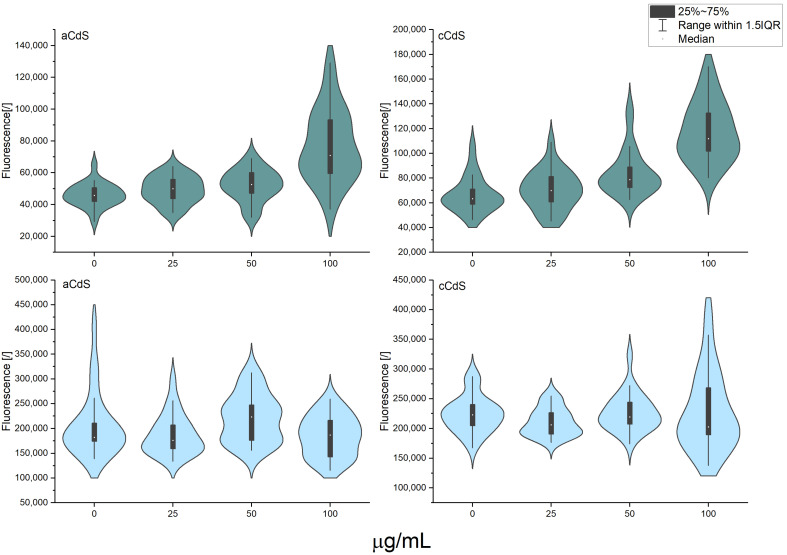
CdS nanoparticles were successfully synthesized using cadmium acetate and sodium sulfide as Cd and S precursors, respectively. The effect of using sodium thiosulfate as an additional sulfur precursor was also investigated (combined milling). The samples were characterized by XRD, Raman spectroscopy, XPS, UV-Vis spectroscopy, PL spectroscopy, DLS, and TEM. Photocatalytic activities of both CdS samples were compared. The photocatalytic activity of CdS, which is produced by combined milling, was superior to that of CdS, and was obtained by an acetate route in the degradation of Orange II under visible light irradiation. Better results for CdS prepared using a combined approach were also evidenced in photocatalytic experiments on hydrogen generation. The antibacterial potential of mechanochemically prepared CdS nanocrystals was also tested on reference strains of and . Susceptibility tests included a 24-h toxicity test, a disk diffusion assay, and respiration monitoring. Bacterial growth was not completely inhibited by the presence of neither nanomaterial in the growth environment. However, the experiments have confirmed that the nanoparticles have some capability to inhibit bacterial growth during the logarithmic growth phase, with a more substantial effect coming from CdS nanoparticles prepared in the absence of sodium thiosulfate. The present research demonstrated the solvent-free, facile, and sustainable character of mechanochemical synthesis to produce semiconductor nanocrystals with multidisciplinary application.
分别使用醋酸镉和硫化钠作为镉和硫的前驱体,成功合成了硫化镉纳米颗粒。还研究了使用硫代硫酸钠作为额外硫前驱体的效果(联合研磨)。通过X射线衍射(XRD)、拉曼光谱、X射线光电子能谱(XPS)、紫外可见光谱、光致发光光谱(PL)、动态光散射(DLS)和透射电子显微镜(TEM)对样品进行了表征。比较了两种硫化镉样品的光催化活性。通过联合研磨制备的硫化镉在可见光照射下对橙黄II的降解中,其光催化活性优于通过醋酸盐路线制备的硫化镉。在产氢的光催化实验中,采用联合方法制备的硫化镉也得到了更好的结果。还对机械化学制备的硫化镉纳米晶体对 和 的参考菌株的抗菌潜力进行了测试。药敏试验包括24小时毒性试验、纸片扩散法和呼吸监测。生长环境中纳米材料的存在并未完全抑制细菌生长。然而,实验证实,纳米颗粒在对数生长期具有一定的抑制细菌生长的能力,在不存在硫代硫酸钠的情况下制备的硫化镉纳米颗粒的效果更为显著。本研究证明了机械化学合成具有无溶剂、简便和可持续的特点,可制备具有多学科应用的半导体纳米晶体。