He Miao, Hu Yu, Wang Dongdong, Sun Meili, Li Huijie, Yan Peng, Meng Yingxu, Zhang Ran, Li Li, Yu Dexin, Wang Xiuwen
Department of Oncology, Qilu Hospital, Cheeloo College of Medicine, Shandong University, Jinan, China.
Department of Radiology, Qilu Hospital, Cheeloo College of Medicine, Shandong University, Jinan, China.
Front Oncol. 2022 Apr 7;12:852809. doi: 10.3389/fonc.2022.852809. eCollection 2022.
This study aims to assess the performance of machine learning (ML)-based contrast-enhanced CT radiomics analysis for predicating the efficacy of anti-HER2 therapy for patients with liver metastases from breast cancer.
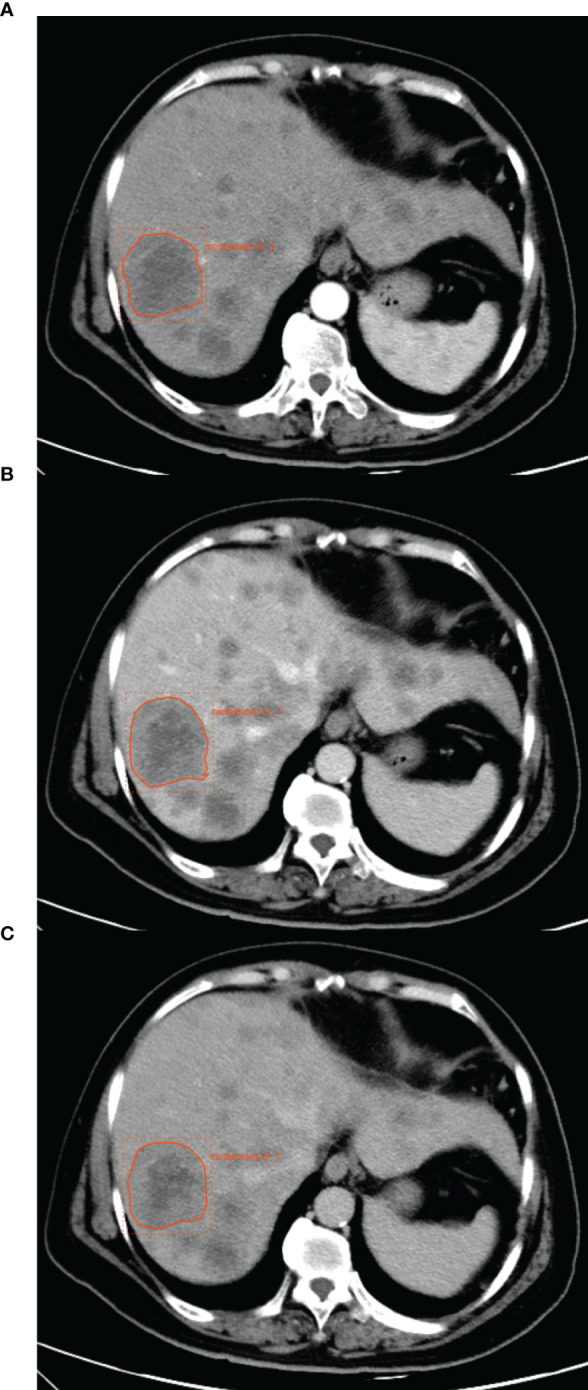
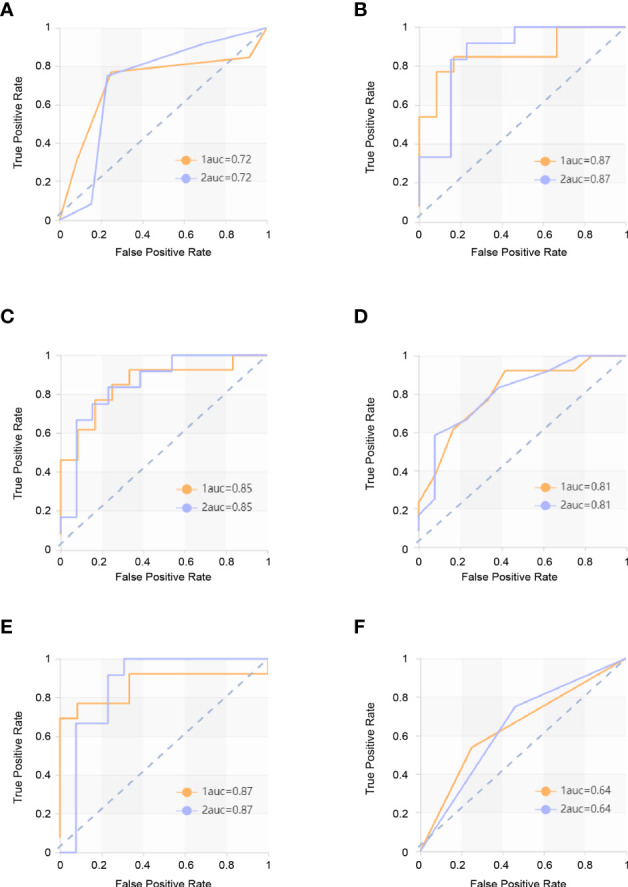
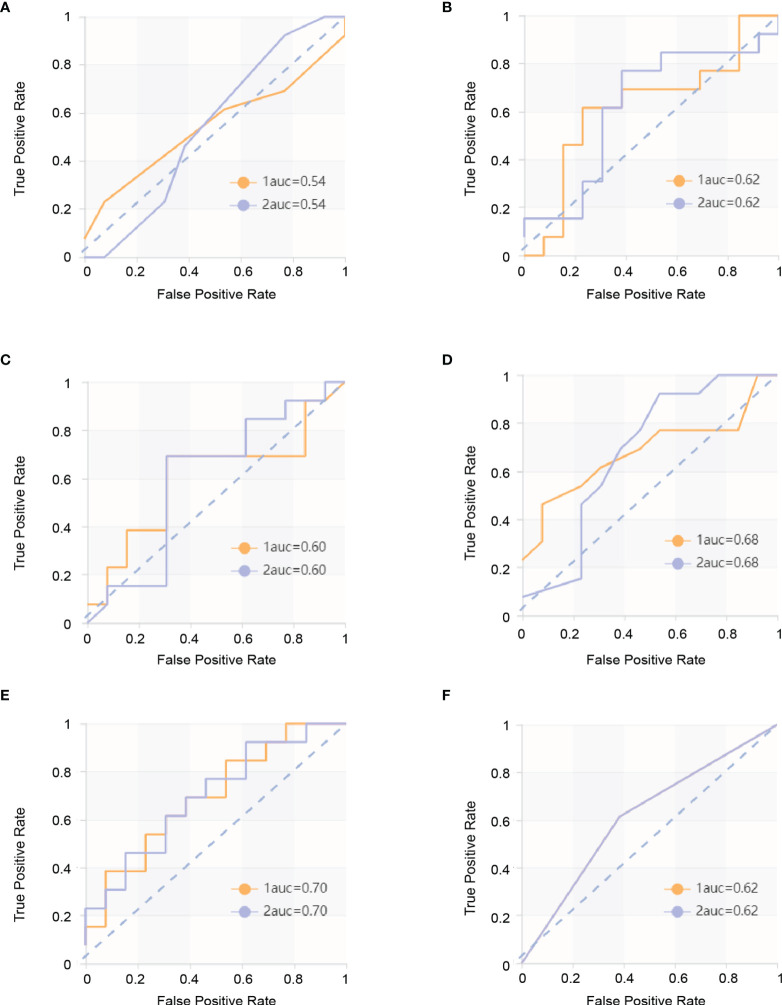
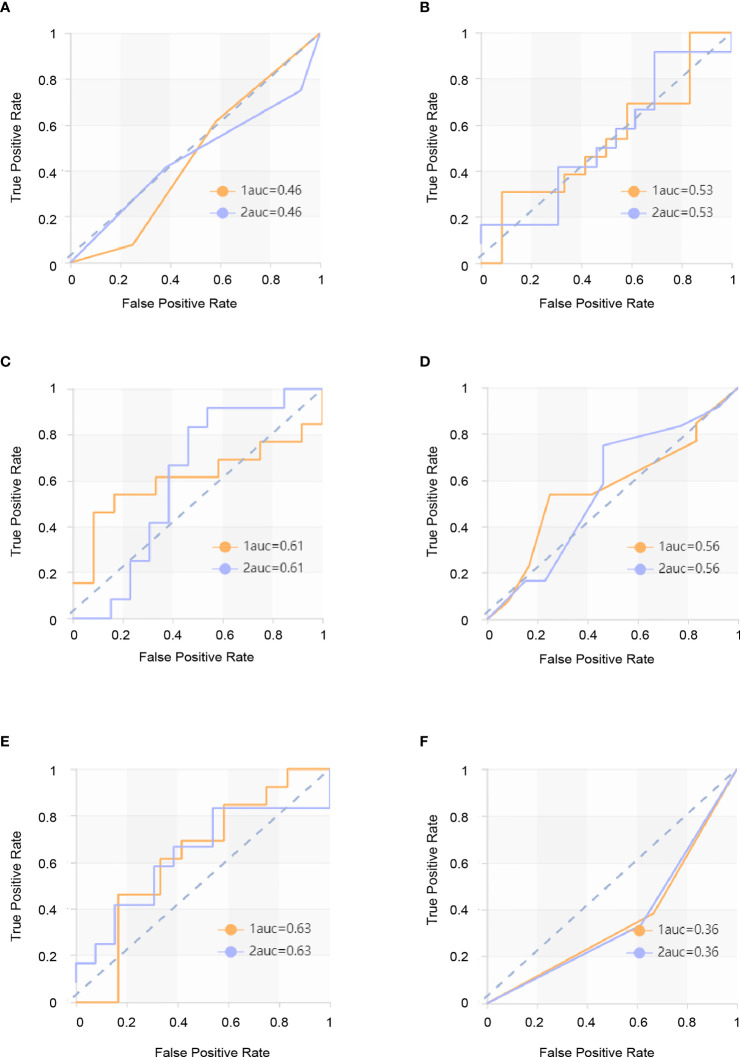
This retrospective study analyzed 83 patients with breast cancer liver metastases. Radiomics features were extracted from arterial phase, portal venous phase, and delayed phase images, respectively. The intraclass correlation coefficient (ICC) was calculated to quantify the reproducibility of features. The training and validation sets consisted of 58 and 25 cases. Variance threshold, SelectKBest, and LASSO logistic regression model were employed for feature selection. The ML classifiers were K-nearest-neighbor algorithm (KNN), support vector machine (SVM), XGBoost, RF, LR, and DT, and the performance of classifiers was evaluated by ROC analysis.
The SVM classifier had the highest score in portal venous phase. The results were as follows: The AUC value of the poor prognosis group in validation set was 0.865, the sensitivity was 0.77, and the specificity was 0.83. The AUC value of the good prognosis group in validation set was 0.865, the sensitivity was 0.83, and the specificity was 0.77. In arterial phase, the XGBoost classifier had the highest score. The AUC value of the poor prognosis group in validation set was 0.601, the sensitivity was 0.69, and the specificity was 0.38. The AUC value of the good prognosis group in validation set was 0.601, the sensitivity was 0.38, and the specificity was 0.69. The LR classifier had the highest score in delayed phase. The AUC value of poor prognosis group in validation set was 0.628, the sensitivity was 0.62, and the specificity was 0.67. The AUC value of the good prognosis group in validation set was 0.628, the sensitivity was 0.67, and the specificity was 0.62.
Radiomics analysis represents a promising tool in predicating the efficacy of anti-HER2 therapy for patients with liver metastases from breast cancer. The ROI in portal venous phase is most suitable for predicting the efficacy of anti-HER2 therapy, and the SVM algorithm model has the best efficiency.
本研究旨在评估基于机器学习(ML)的对比增强CT影像组学分析对预测乳腺癌肝转移患者抗HER2治疗疗效的性能。
这项回顾性研究分析了83例乳腺癌肝转移患者。分别从动脉期、门静脉期和延迟期图像中提取影像组学特征。计算组内相关系数(ICC)以量化特征的可重复性。训练集和验证集分别包含58例和25例。采用方差阈值、SelectKBest和LASSO逻辑回归模型进行特征选择。ML分类器包括K近邻算法(KNN)、支持向量机(SVM)、XGBoost、随机森林(RF)、逻辑回归(LR)和决策树(DT),并通过ROC分析评估分类器的性能。
SVM分类器在门静脉期得分最高。结果如下:验证集中预后不良组的AUC值为0.865,敏感性为0.77,特异性为0.83。验证集中预后良好组的AUC值为0.865,敏感性为0.83,特异性为0.77。在动脉期,XGBoost分类器得分最高。验证集中预后不良组的AUC值为0.601,敏感性为0.69,特异性为0.38。验证集中预后良好组的AUC值为0.601,敏感性为0.38,特异性为0.69。LR分类器在延迟期得分最高。验证集中预后不良组的AUC值为0.628,敏感性为0.62,特异性为0.67。验证集中预后良好组的AUC值为0.628,敏感性为0.67,特异性为0.62。
影像组学分析是预测乳腺癌肝转移患者抗HER2治疗疗效的一种有前景的工具。门静脉期的感兴趣区最适合预测抗HER2治疗的疗效,且SVM算法模型效率最佳。