Department of Cognitive, Linguistic, and Psychological Sciences, Brown University, Providence, RI 02912, USA.
Department of Cognitive, Linguistic, and Psychological Sciences, Brown University, Providence, RI 02912, USA; Carney Institute for Brain Science, Brown University, Providence, RI 02912, USA.
Trends Cogn Sci. 2022 Jun;26(6):484-498. doi: 10.1016/j.tics.2022.03.009. Epub 2022 Apr 22.
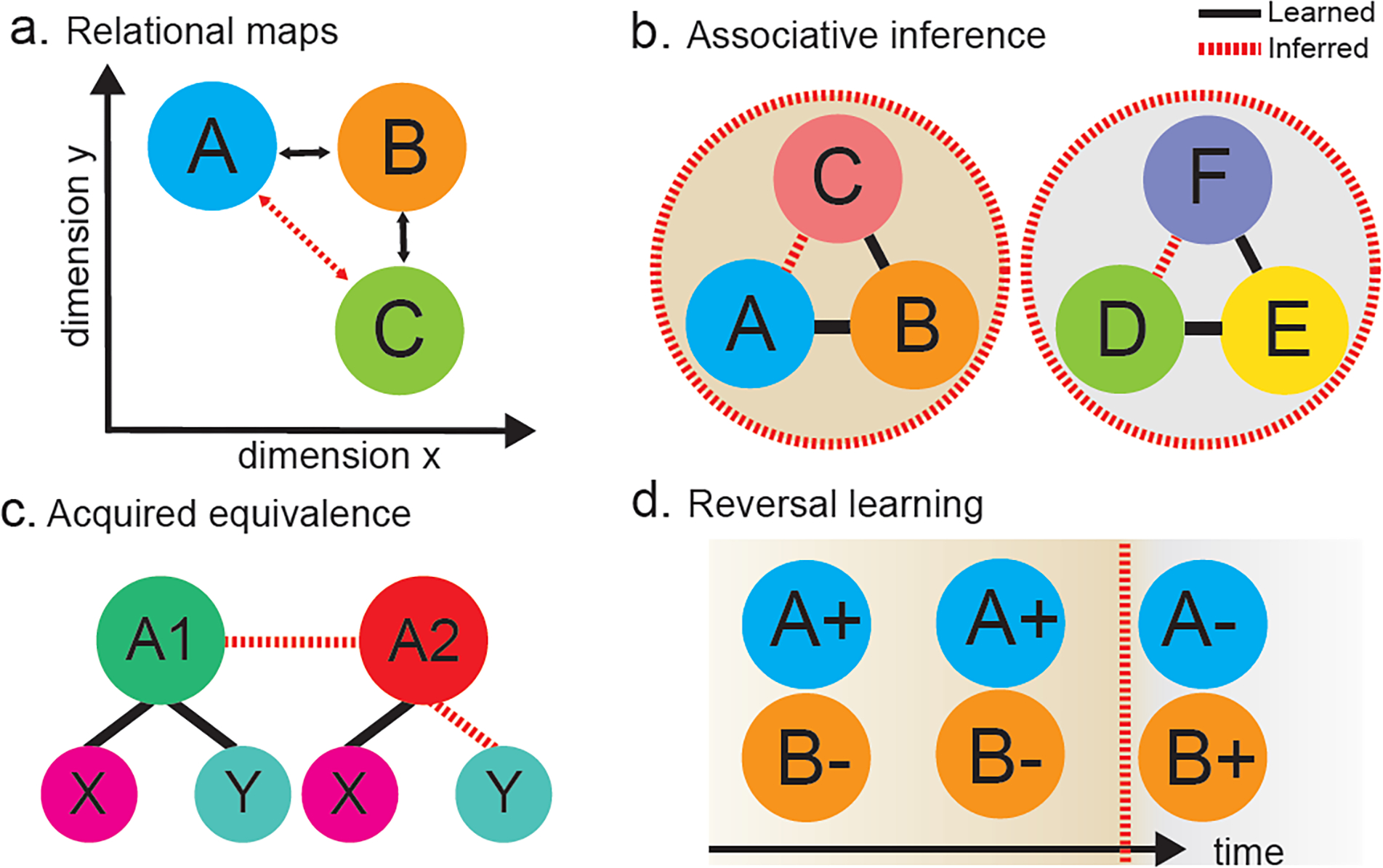
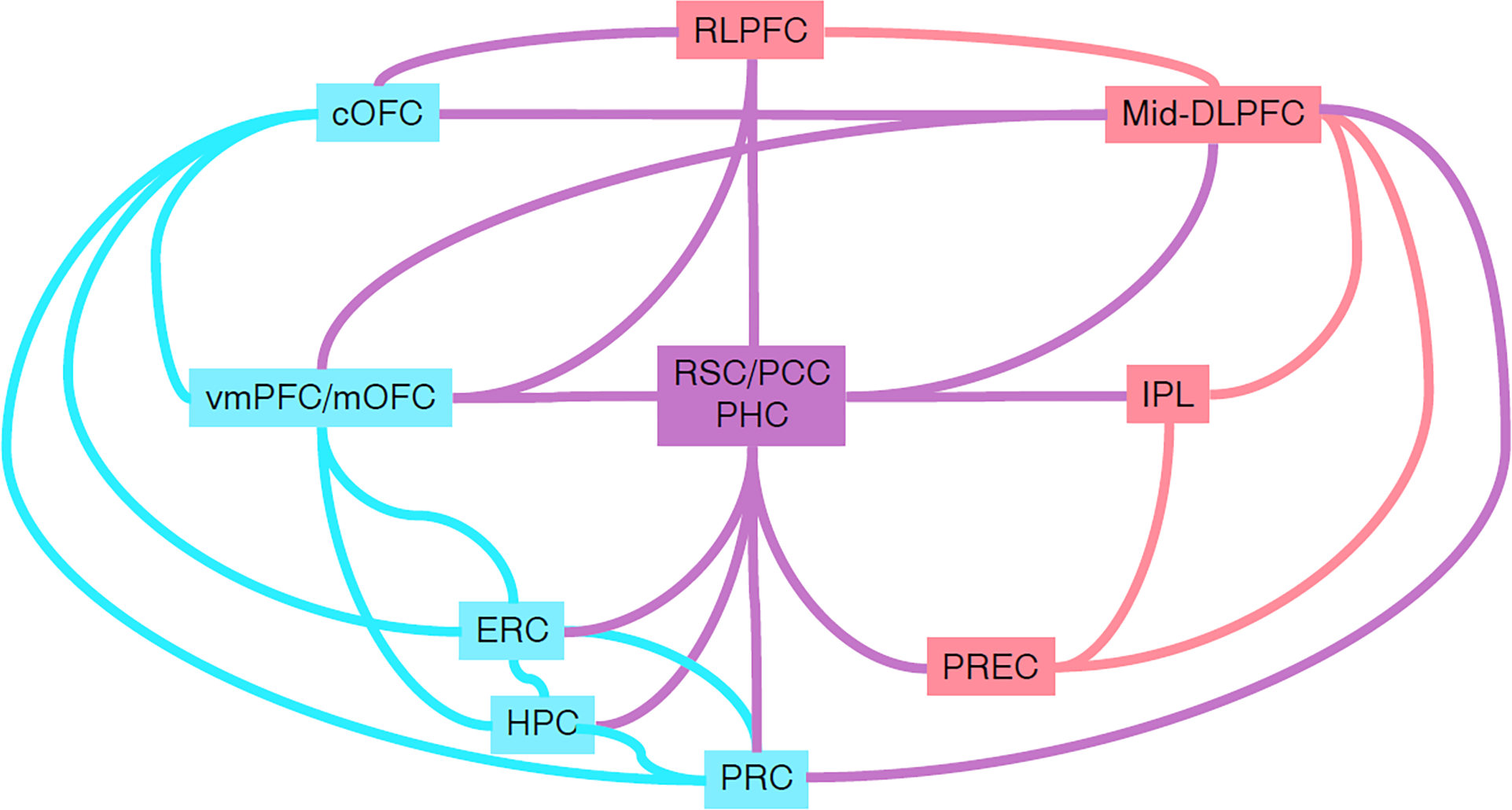
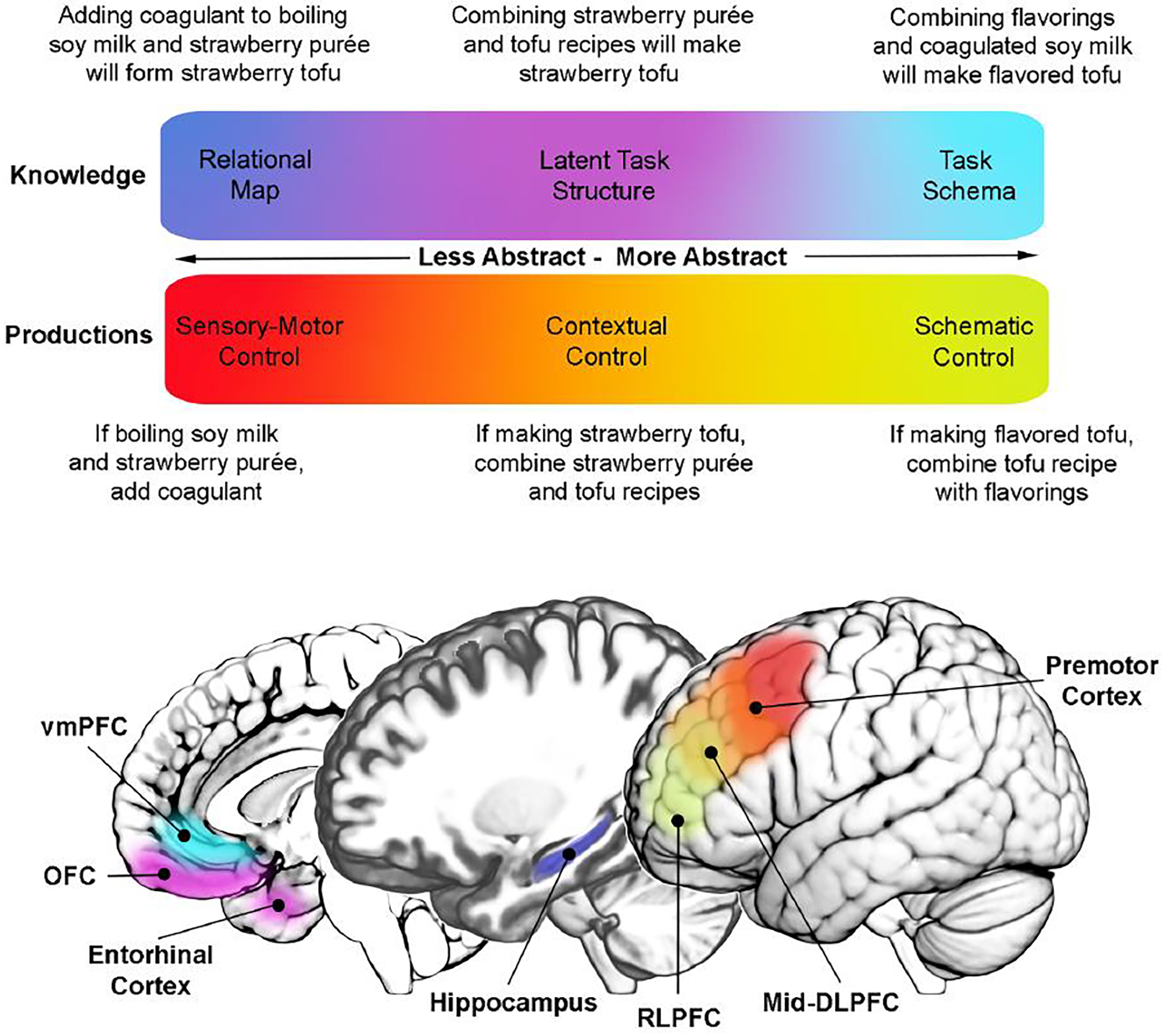
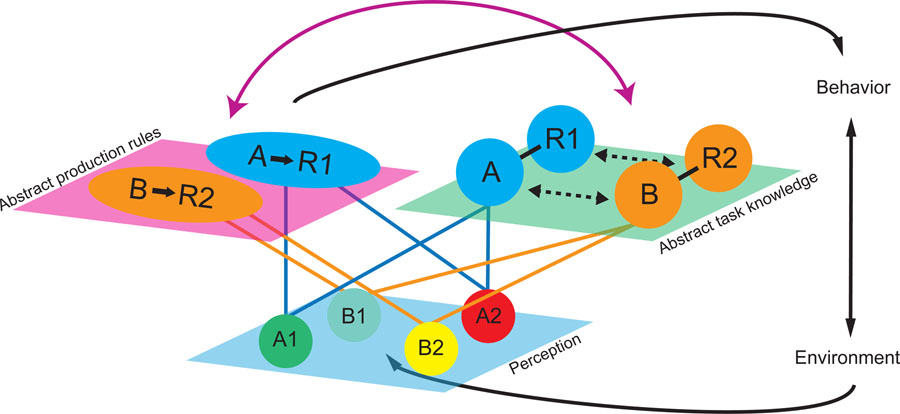
Behavioral flexibility depends on our capacity to build and leverage abstract knowledge about tasks. Recently, two separate lines of research have implicated distinct brain networks in representing abstract task information: a frontoparietal cortical network, and a network involving the medial temporal lobe (MTL), medial prefrontal, and orbitofrontal cortex (OMPFC). These observations have mostly been made in parallel, with little attempt to understand their relationship. Here, we hypothesize that abstract task representations in these networks differ primarily in format, not content. Namely, that the MTL-OMPFC network maintains task knowledge in a flexible cognitive map, while the frontoparietal network formats this knowledge as productions that facilitate action selection. We discuss novel implications and predictions for behavioral flexibility arising from this hypothesis.
行为灵活性取决于我们构建和利用关于任务的抽象知识的能力。最近,两条独立的研究路线都表明,不同的大脑网络在表示抽象任务信息方面起着作用:一个是额顶皮质网络,另一个是涉及内侧颞叶(MTL)、内侧前额叶和眶额皮质(OMPFC)的网络。这些观察结果大多是并行的,很少试图了解它们之间的关系。在这里,我们假设这些网络中的抽象任务表示主要在格式上而不是内容上有所不同。也就是说,MTL-OMPFC 网络以灵活的认知图的形式保持任务知识,而额顶网络则将这种知识格式化为促进动作选择的产物。我们讨论了这一假设对行为灵活性产生的新的影响和预测。