Chahal Shawninder, Macairan Jun-Ray, Yousefi Nariman, Tufenkji Nathalie, Naccache Rafik
Department of Chemical Engineering, McGill University 3610 University St, Montreal Quebec H3A 0C5 Canada.
Department of Chemistry and Biochemistry, The Centre for NanoScience Research, Concordia University 7141 Sherbrooke St. West, Montreal Quebec H4B 1R6 Canada
RSC Adv. 2021 Jul 21;11(41):25354-25363. doi: 10.1039/d1ra04718c. eCollection 2021 Jul 19.
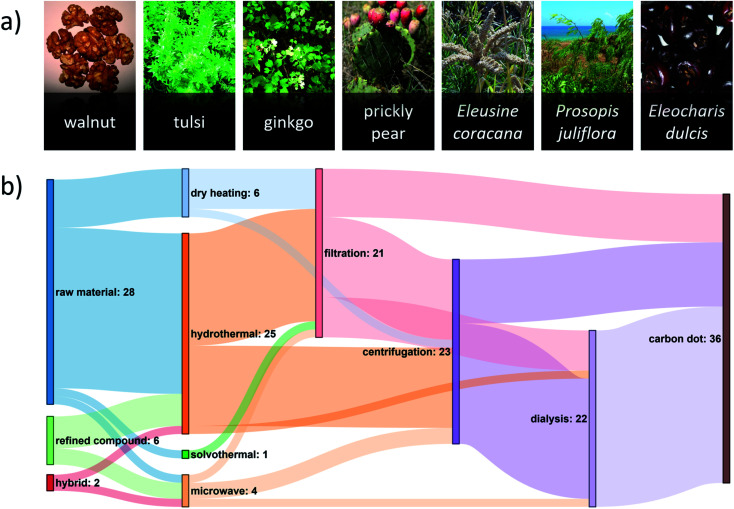
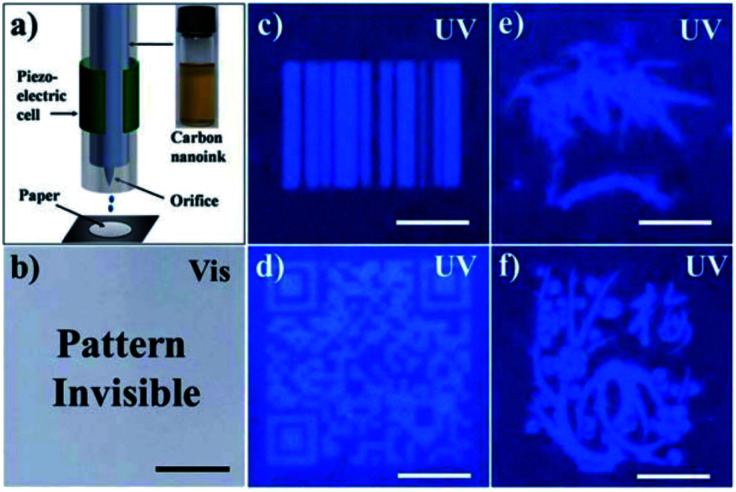
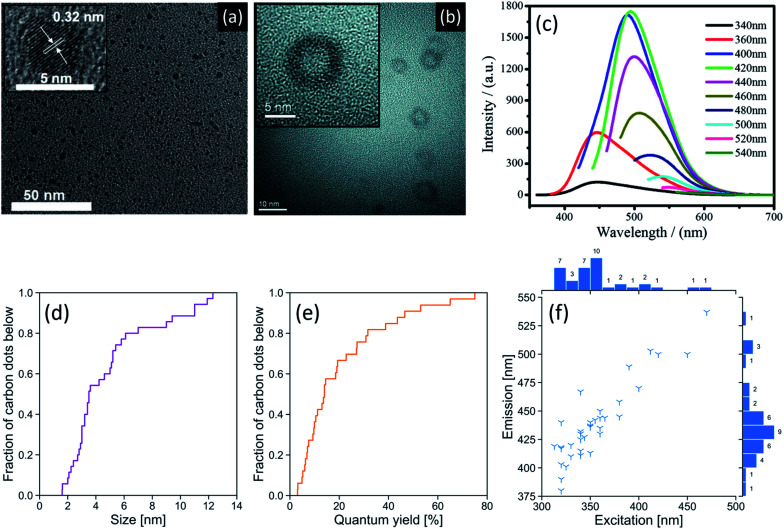
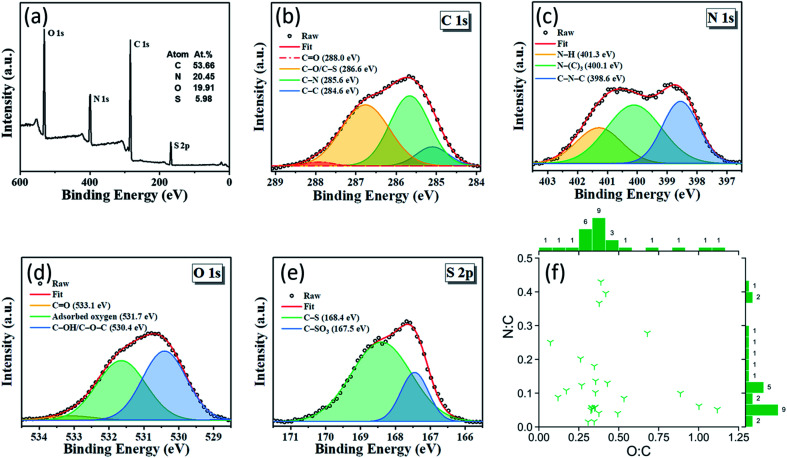
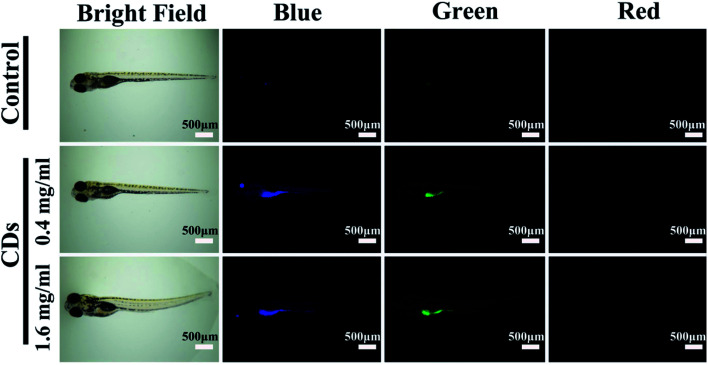
Carbon dots (CDs) are nanoparticles with tunable physicochemical and optical properties. Their resistance to photobleaching and relatively low toxicity render them attractive alternatives to fluorescent dyes and heavy metal-based quantum dots in the fields of bioimaging, sensing, catalysis, solar cells, and light-emitting diodes, among others. Moreover, they have garnered considerable attention as they lend themselves to green synthesis methods. Increasingly, one-pot syntheses comprising exclusively of renewable raw materials or renewable refined compounds are gaining favor over traditional approaches that rely on harsh chemicals and energy intensive conditions. The field of green CD synthesis is developing rapidly; however, challenges persist in ensuring the consistency of their properties (, fluorescence quantum yield) relative to conventional preparation methods. This has mostly limited their use to sensing and bioimaging, leaving opportunities for development in optoelectronic applications. Herein, we discuss the most common green CD synthesis and purification methods reported in the literature and the renewable precursors used. The physical, chemical, and optical properties of the resulting green-synthesized CDs are critically reviewed, followed by a detailed description of their applications in sensing, bioimaging, biomedicine, inks, and catalysis. We conclude with an outlook on the future of green CD synthesis. Future research efforts should address the broad knowledge gap between CDs synthesized from renewable non-renewable precursors, focusing on discrepancies in their physical, chemical, and optical properties. The development of cost effective, safe, and sustainable green CDs with tunable properties will broaden their implementation in largely untapped applications, which include drug delivery, photovoltaics, catalysis, and more.
碳点(CDs)是具有可调节物理化学和光学性质的纳米颗粒。它们的抗光漂白性和相对较低的毒性,使其在生物成像、传感、催化、太阳能电池和发光二极管等领域成为荧光染料和重金属基量子点有吸引力的替代品。此外,由于它们适用于绿色合成方法,因此受到了广泛关注。越来越多的仅由可再生原料或可再生精制化合物组成的一锅法合成,比依赖苛刻化学品和能源密集型条件的传统方法更受青睐。绿色碳点合成领域正在迅速发展;然而,相对于传统制备方法,在确保其性质(如荧光量子产率)的一致性方面仍然存在挑战。这主要限制了它们在传感和生物成像方面的应用,在光电子应用方面仍有发展机会。在此,我们讨论了文献中报道的最常见的绿色碳点合成和纯化方法以及所使用的可再生前驱体。对所得绿色合成碳点的物理、化学和光学性质进行了严格审查,随后详细描述了它们在传感、生物成像、生物医学、油墨和催化方面的应用。我们最后对绿色碳点合成的未来进行了展望。未来的研究工作应解决由可再生和不可再生前驱体合成的碳点之间广泛的知识差距,重点关注它们在物理、化学和光学性质方面的差异。开发具有可调节性质的经济高效、安全且可持续的绿色碳点,将扩大它们在包括药物递送、光伏、催化等大量未开发应用中的实施。