Olmos Carol M, Rosero Gustavo, Fernández-Cabada Tamara, Booth Ross, Der Manuel, Cabaleiro Juan M, Debut Alexis, Cumbal Luis, Pérez Maximiliano S, Lerner Betiana
Facultad Regional Haedo, Universidad Tecnológica Nacional (UTN) Haedo E 1706 Argentina
MilliporeSigma Corporation Hayward CA 94545 USA.
RSC Adv. 2020 Feb 3;10(9):5361-5370. doi: 10.1039/c9ra09939e. eCollection 2020 Jan 29.
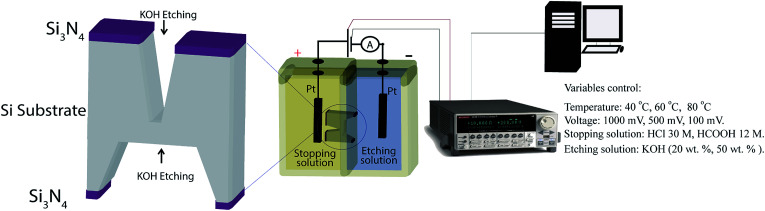
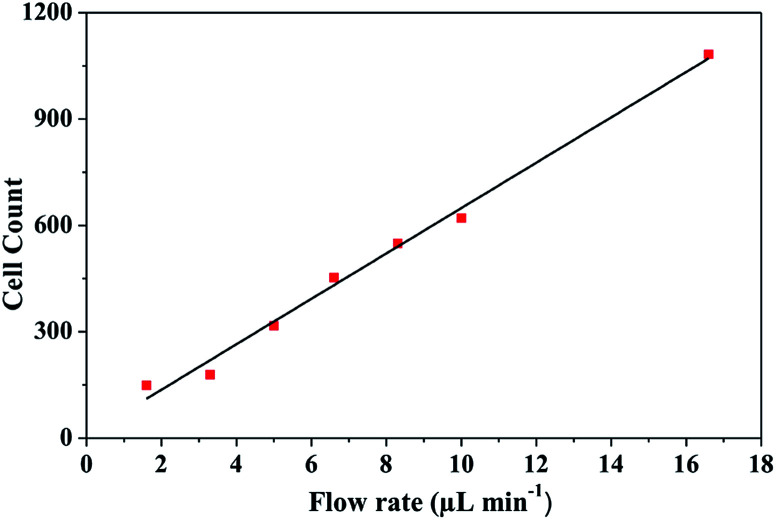
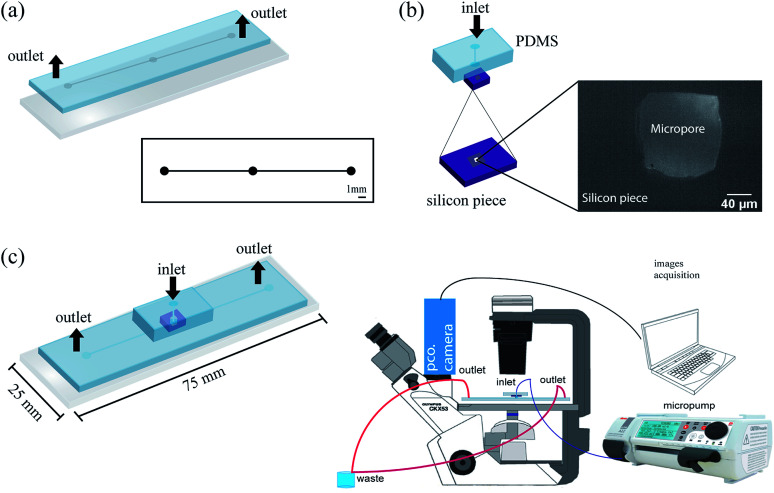
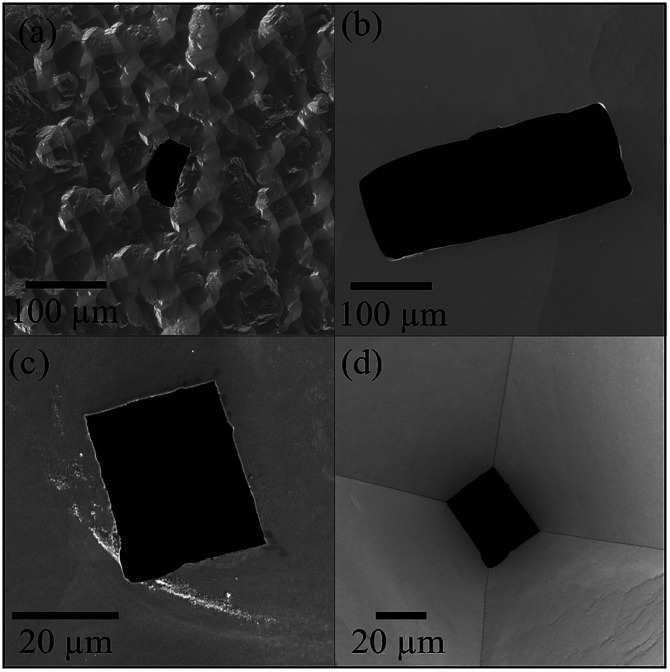
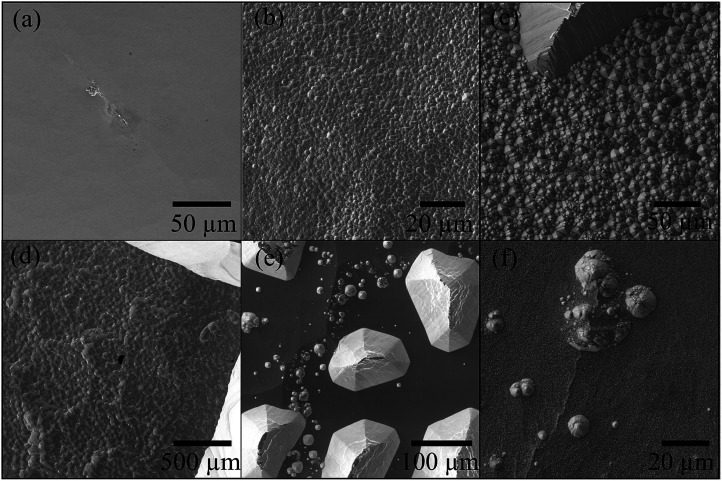
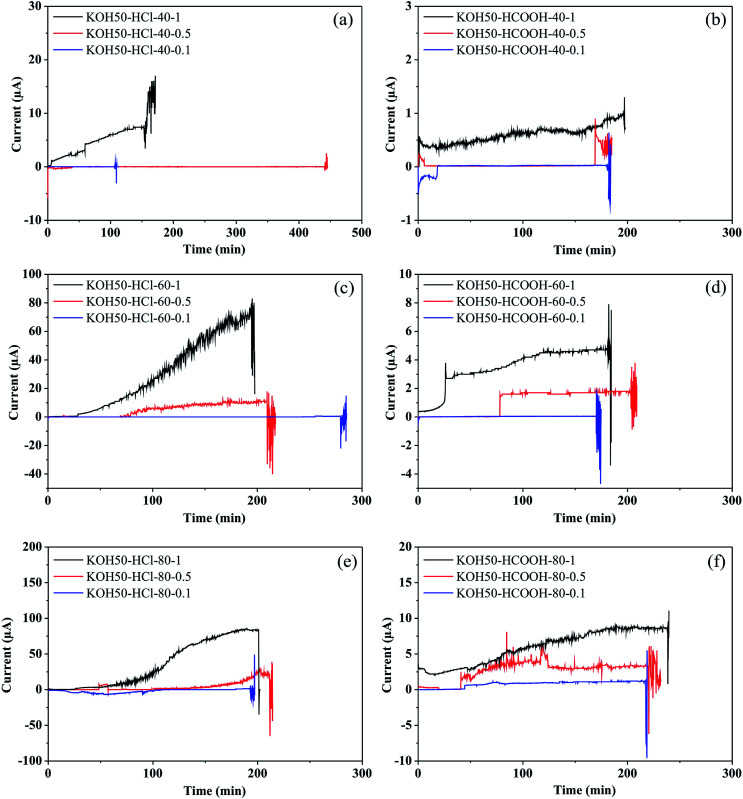
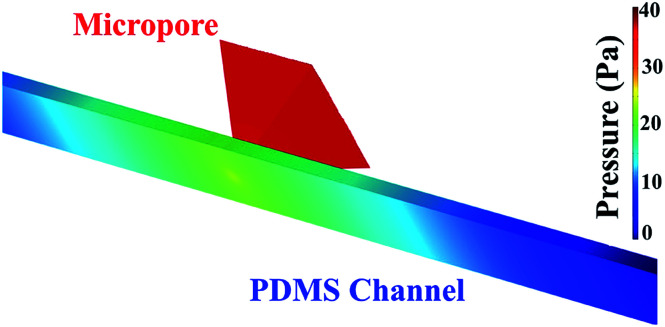
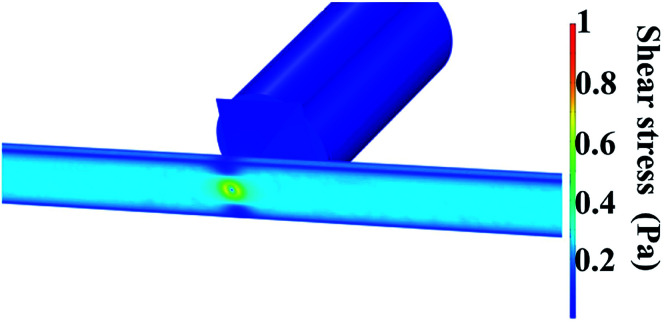
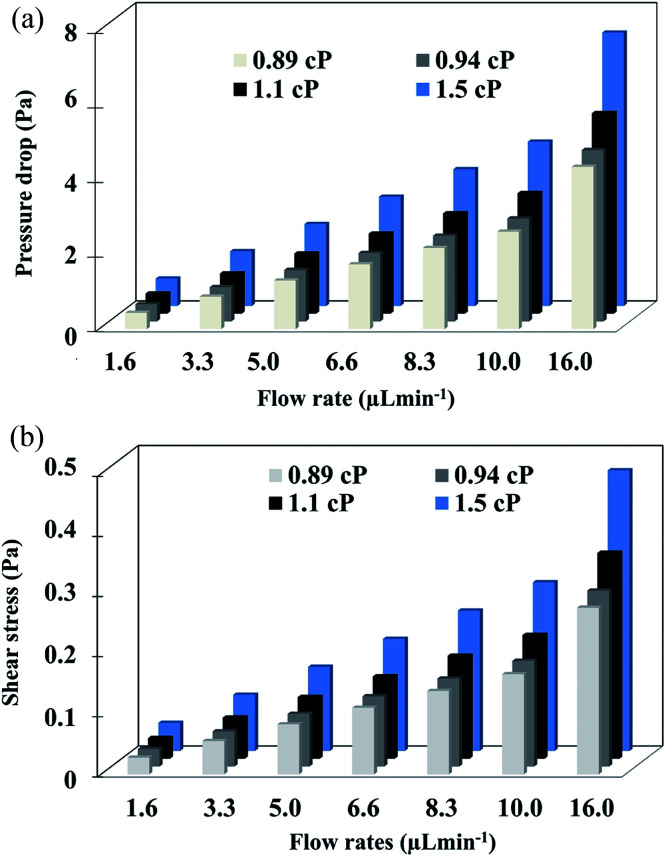
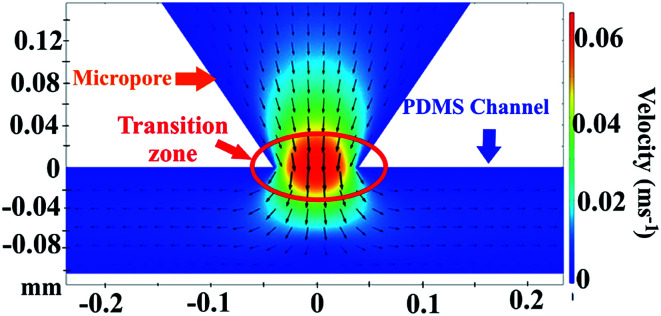
This paper presents a methodology for cell detection and counting using a device that combines PDMS (polydimethylsiloxane) microfluidic multilayer channels with a single solid state micropore. Optimal conditions of solid-state micropore fabrication from crystalline silicon wafers are presented. Micropores of varying size can be obtained by directly etching using an etchant agent concentration of 50 wt% KOH, at varying temperatures (40, 60, 80 °C) and voltages (100, 500, 1000 mV). Scanning Electron Microscopy (SEM), and profilometry techniques have been used for the micropore characterization. In order to find optimal conditions for cell detection a COMSOL Multiphysics simulation was performed. Pressure drop, shear stress, fluid viscosities and flow rates parameters were evaluated. The potential viability of the device for cell detection and counting, avoiding cellular damage, is demonstrated.
本文介绍了一种使用将聚二甲基硅氧烷(PDMS)微流体多层通道与单个固态微孔相结合的设备进行细胞检测和计数的方法。文中给出了由晶体硅片制造固态微孔的最佳条件。通过在不同温度(40、60、80°C)和电压(100、500、1000 mV)下使用浓度为50 wt%的氢氧化钾蚀刻剂直接蚀刻,可以获得不同尺寸的微孔。扫描电子显微镜(SEM)和轮廓测量技术已用于微孔表征。为了找到细胞检测的最佳条件,进行了COMSOL Multiphysics模拟。评估了压降、剪切应力、流体粘度和流速参数。证明了该设备在避免细胞损伤的情况下进行细胞检测和计数的潜在可行性。