Department of Biomedical Engineering, Pratt School of Engineering, Duke University, Durham, NC 27708, USA; Xilis, Inc., Durham, NC 27713, USA.
College of Arts and Sciences, University of Chapel Hill, Chapel Hill, NC 27599, USA.
Cell Stem Cell. 2022 Jun 2;29(6):905-917.e6. doi: 10.1016/j.stem.2022.04.006. Epub 2022 May 3.
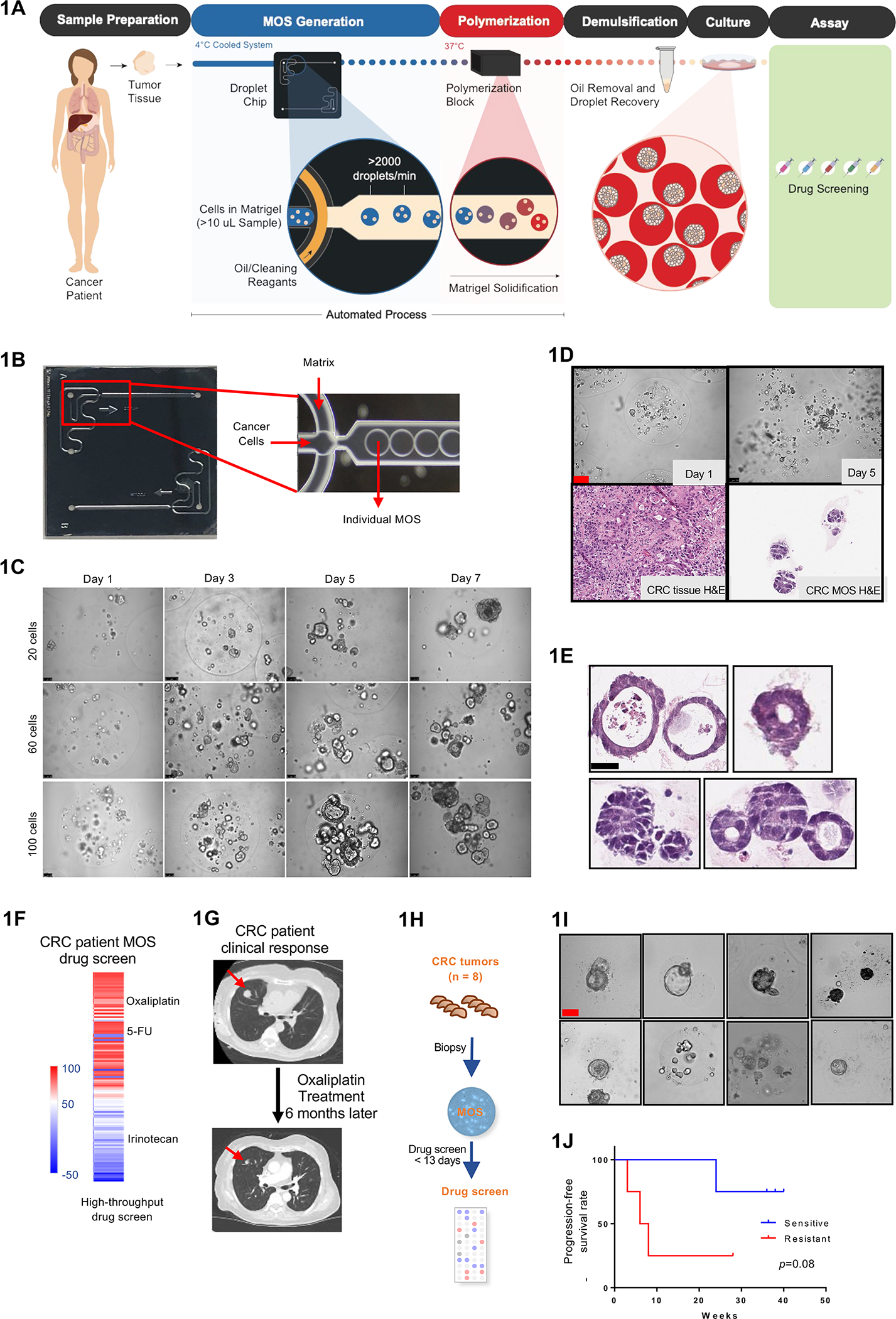
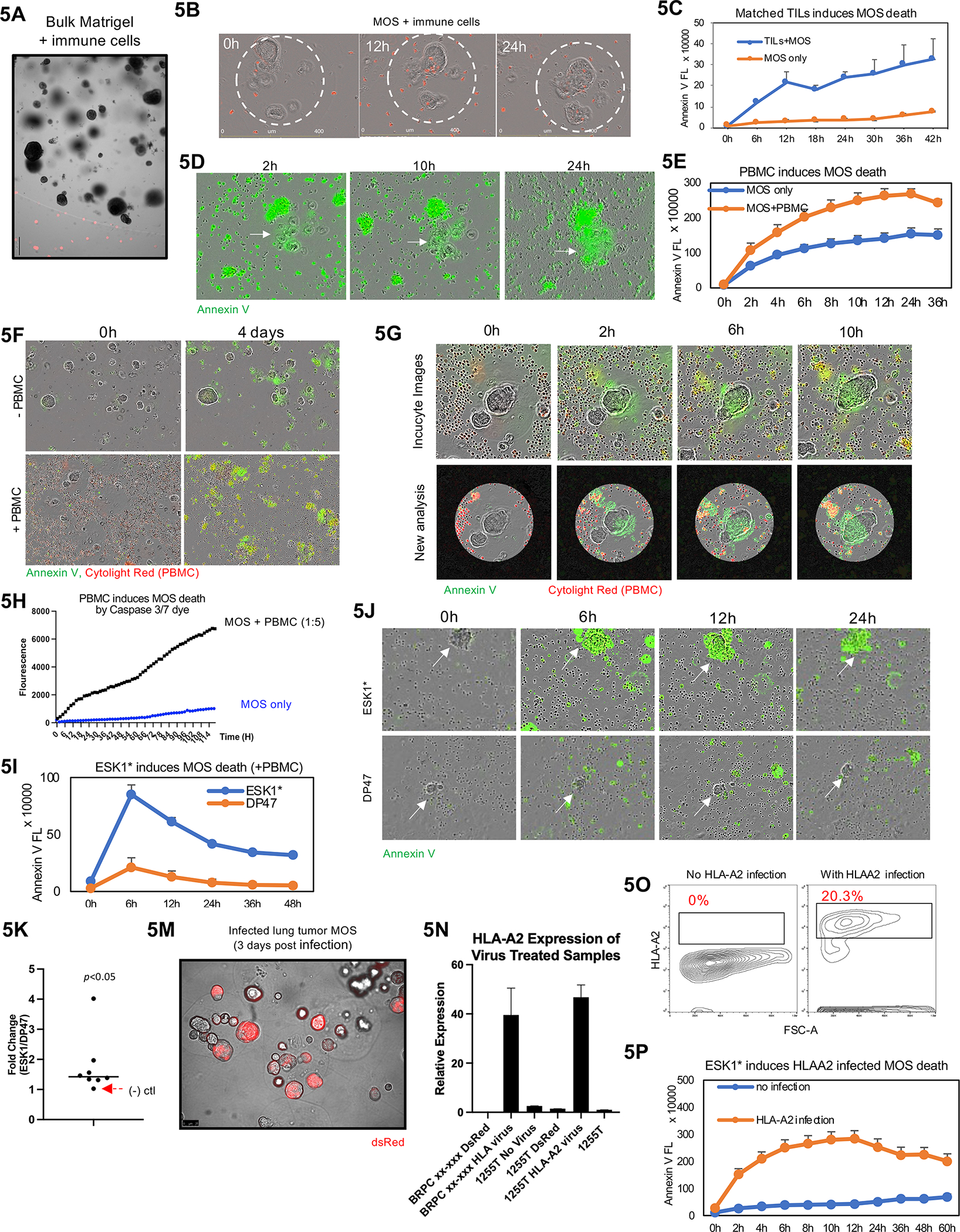
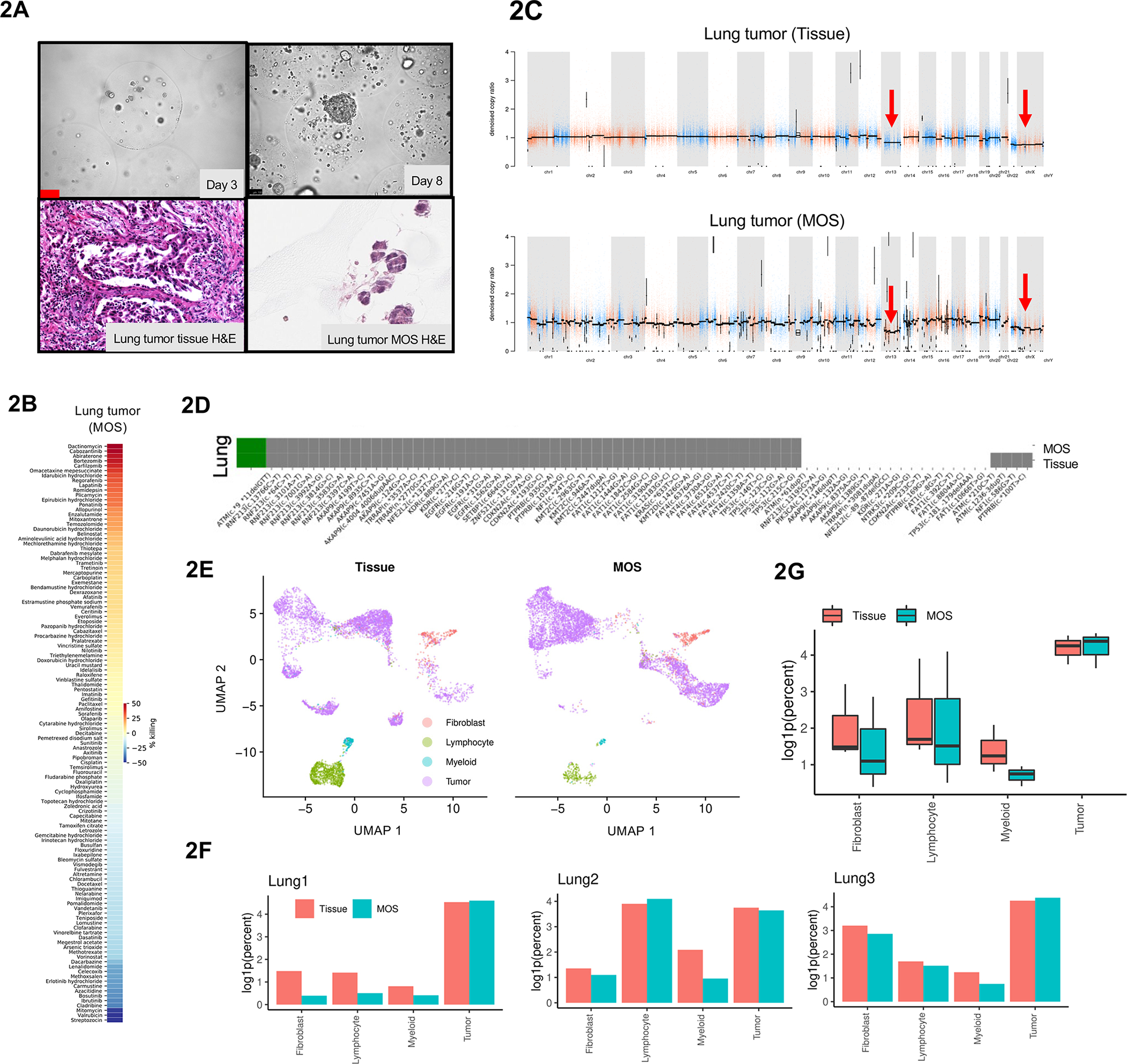
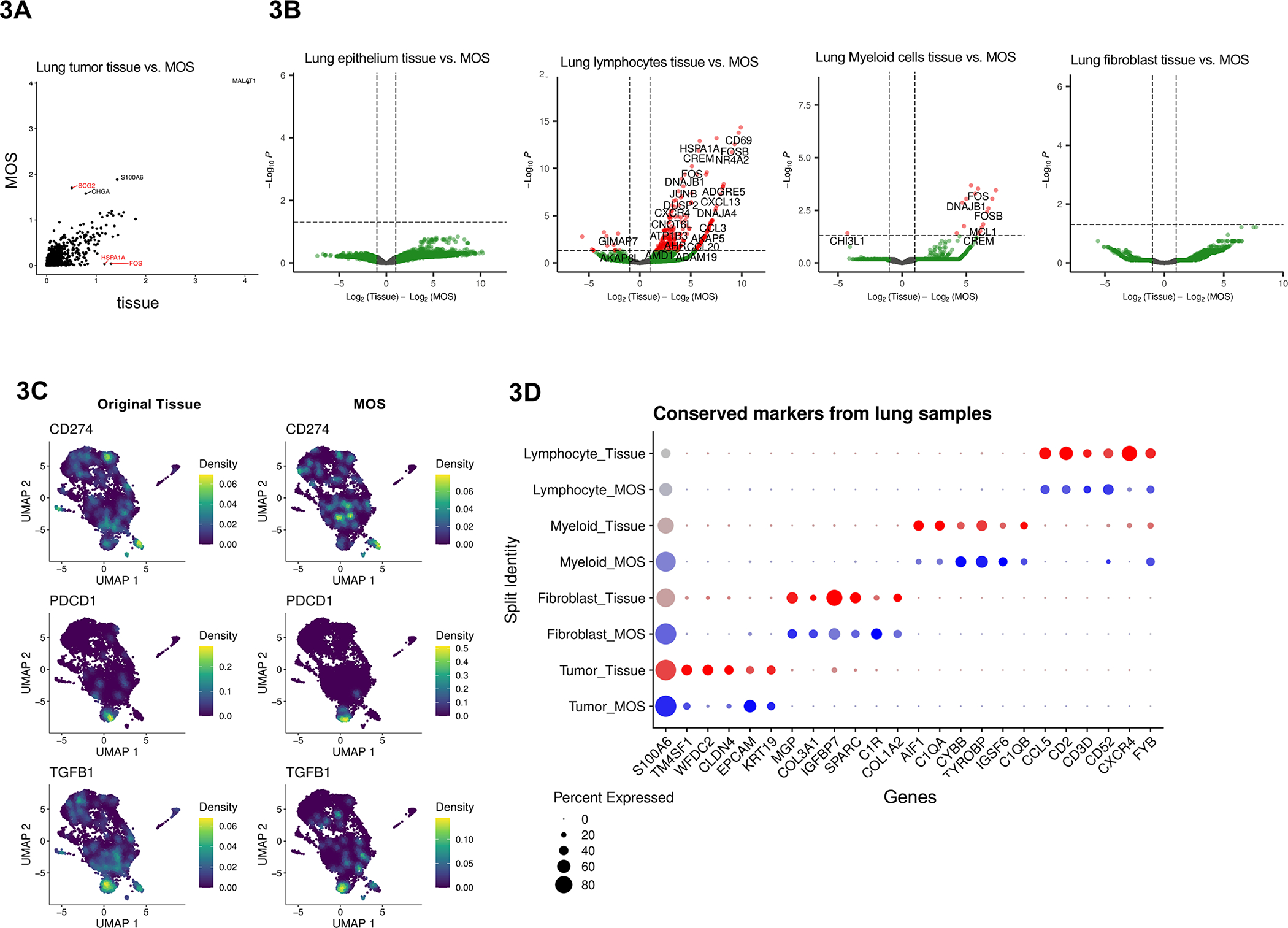
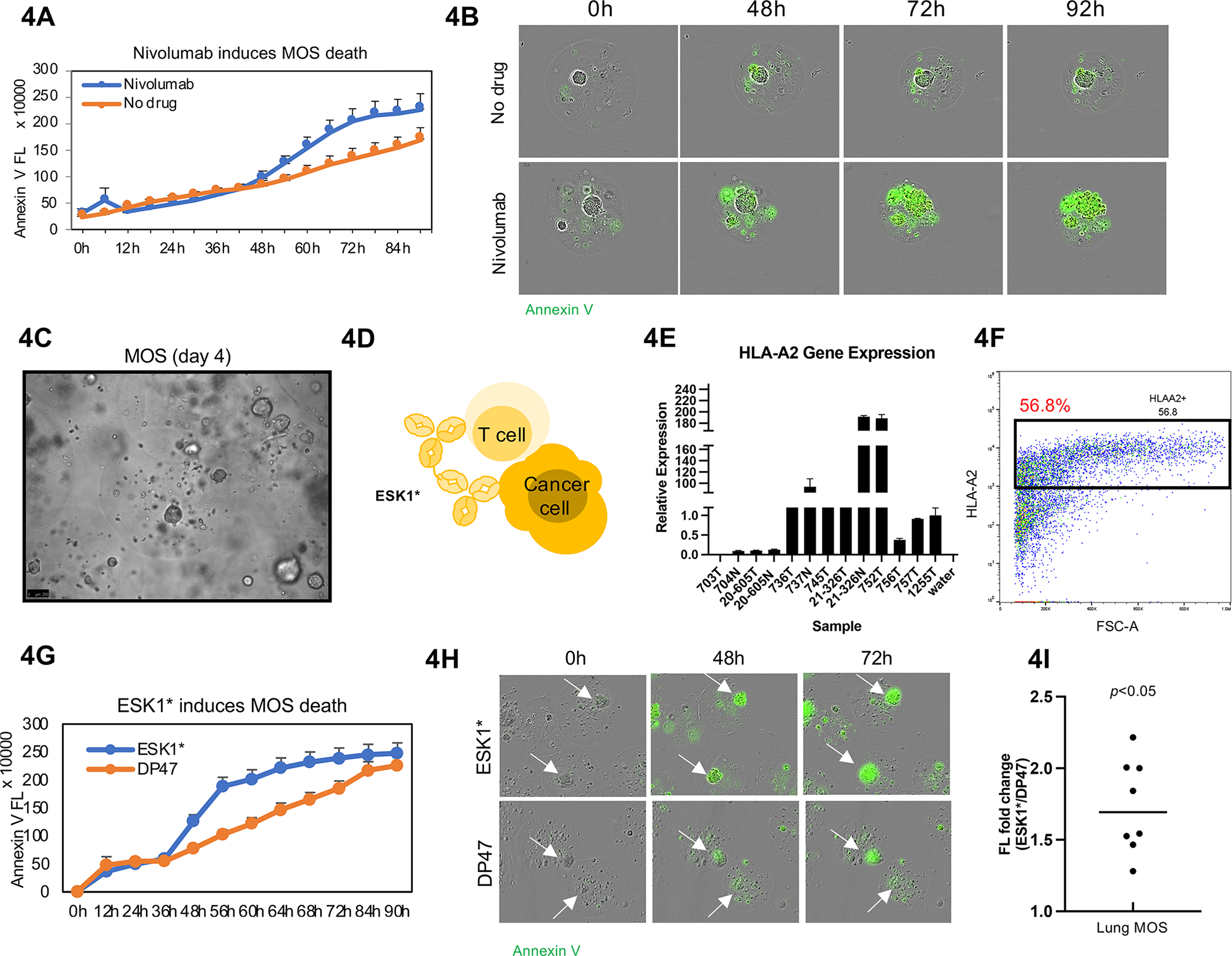
Patient-derived xenografts (PDXs) and patient-derived organoids (PDOs) have been shown to model clinical response to cancer therapy. However, it remains challenging to use these models to guide timely clinical decisions for cancer patients. Here, we used droplet emulsion microfluidics with temperature control and dead-volume minimization to rapidly generate thousands of micro-organospheres (MOSs) from low-volume patient tissues, which serve as an ideal patient-derived model for clinical precision oncology. A clinical study of recently diagnosed metastatic colorectal cancer (CRC) patients using an MOS-based precision oncology pipeline reliably assessed tumor drug response within 14 days, a timeline suitable for guiding treatment decisions in the clinic. Furthermore, MOSs capture original stromal cells and allow T cell penetration, providing a clinical assay for testing immuno-oncology (IO) therapies such as PD-1 blockade, bispecific antibodies, and T cell therapies on patient tumors.
患者来源异种移植物(PDXs)和患者来源类器官(PDOs)已被证明可模拟癌症治疗的临床反应。然而,利用这些模型来指导癌症患者的及时临床决策仍然具有挑战性。在这里,我们使用带有温度控制和死体积最小化的液滴乳液微流控技术,从低体积的患者组织中快速生成数千个微器官球(MOS),这是临床精准肿瘤学的理想患者来源模型。一项基于 MOS 的精准肿瘤学管道的最近诊断为转移性结直肠癌(CRC)患者的临床研究在 14 天内可靠地评估了肿瘤的药物反应,这一时间线适合指导临床治疗决策。此外,MOS 捕获原始基质细胞并允许 T 细胞穿透,为在患者肿瘤上测试免疫肿瘤学(IO)疗法(如 PD-1 阻断、双特异性抗体和 T 细胞疗法)提供了一种临床检测方法。