Department of Nursing, Huashan Hospital, Fudan University, 12 Middle Urumqi Road, Shanghai, China.
Department of Neurology, Huashan Hospital, Fudan University, Shanghai, China.
BMC Health Serv Res. 2022 May 5;22(1):603. doi: 10.1186/s12913-022-07838-1.
A growing number of studies show that integrated health care provides comprehensive and continuous care to patients with hypertension or diabetes. However, there is still no consensus about the effect of integrated health care on patients with hypertension or diabetes. The objective of this study was to verify the effectiveness of integrated health care for patients with hypertension or diabetes by using a systematic review and meta-analysis.
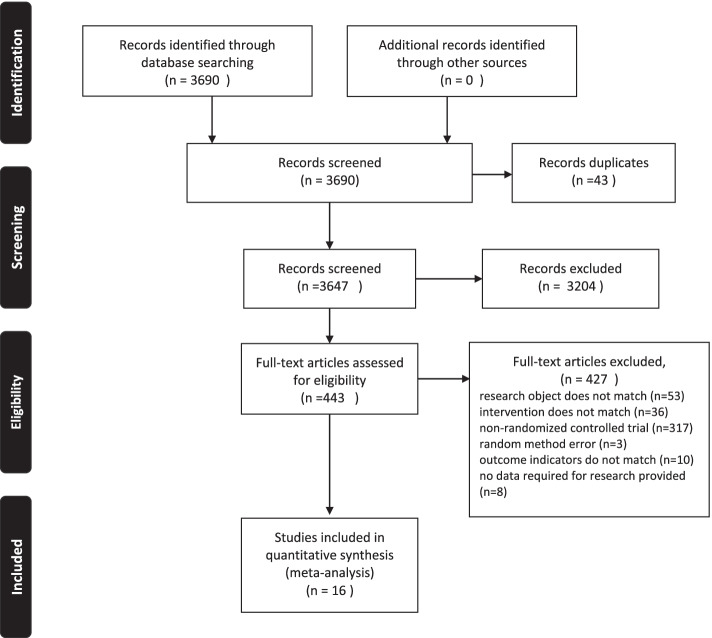
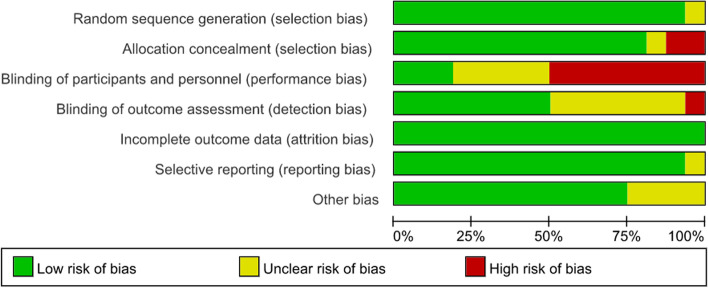
The study searched multiple English and Chinese electronic databases. The search period was from database inception to 31 October 2020. Systematic reviews and meta-analyses were conducted after assessing the risk of bias of each study.
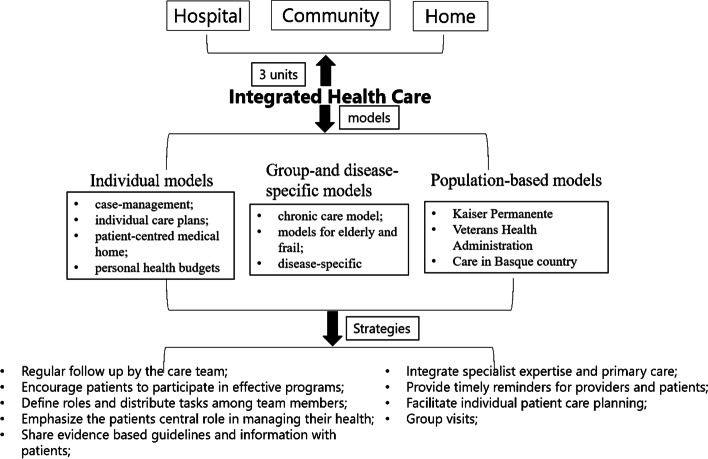
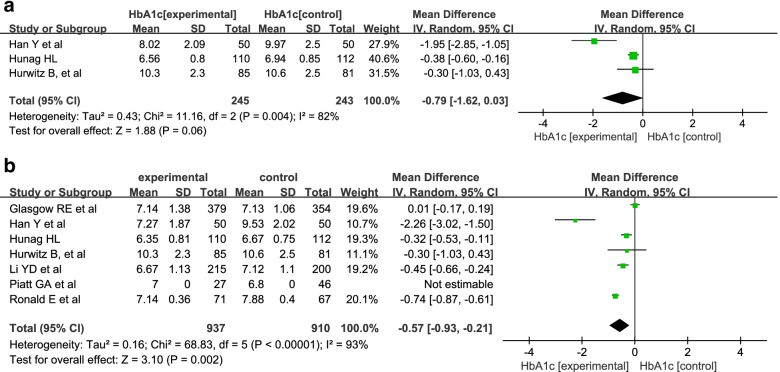
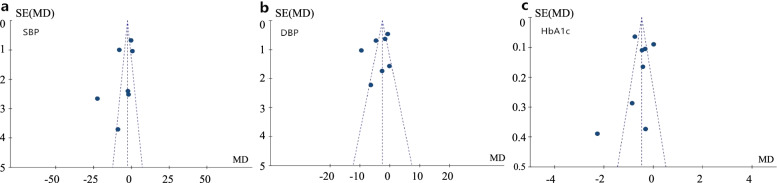
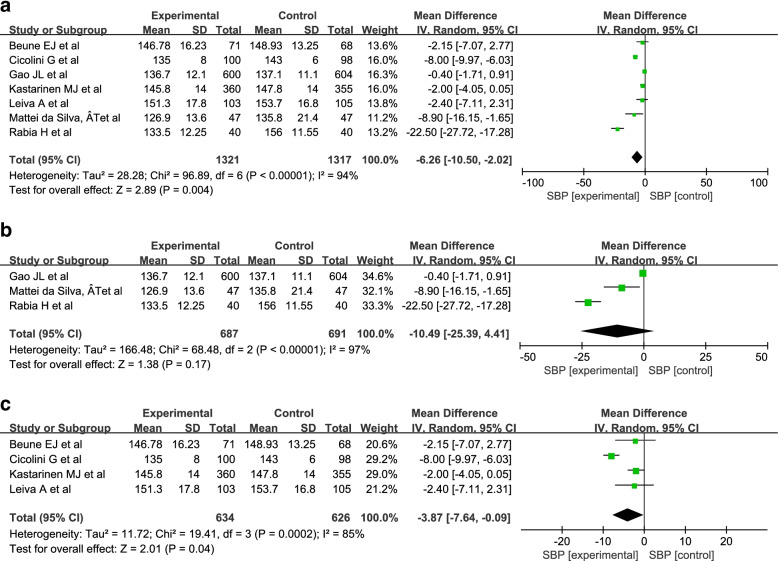
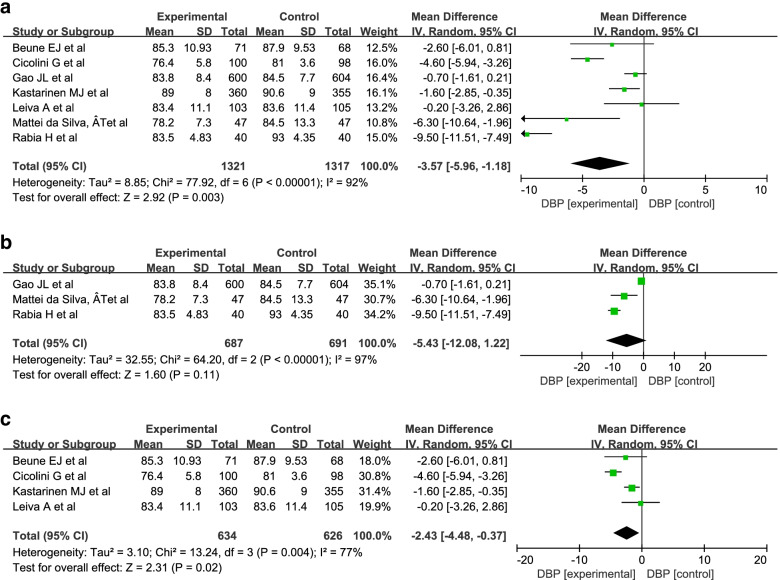
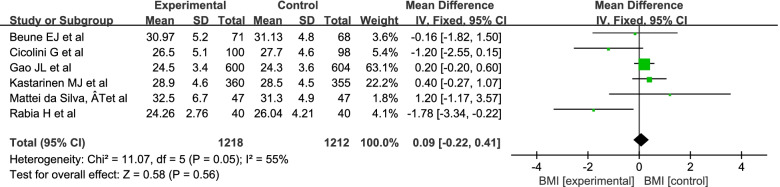
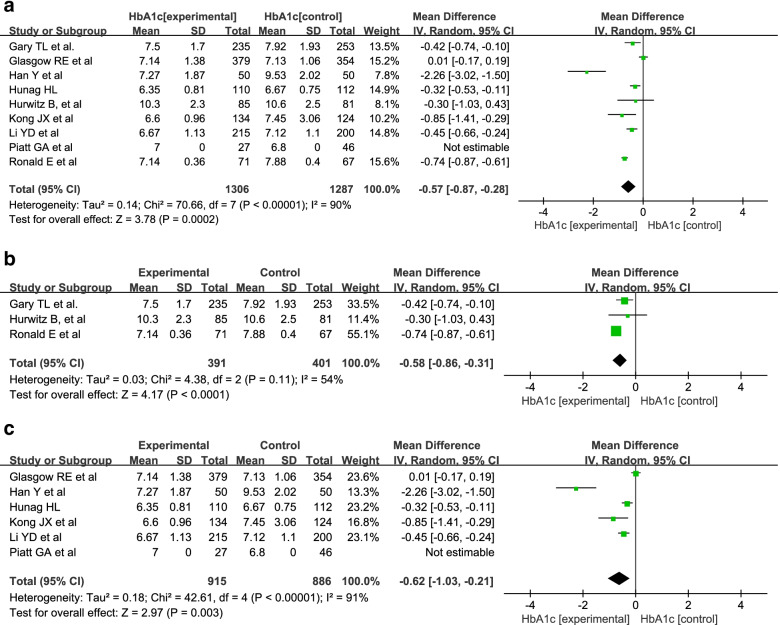
Sixteen studies that involved 5231 patients were included in this study. The results of the systematic review revealed that systolic blood pressure (SBP), diastolic blood pressure (DBP), body mass index (BMI) and glycosylated haemoglobin (HbA1c) are commonly used indicators for patients with hypertension or diabetes. Individual models and group- and disease-specific models are the most commonly used models of integrated health care. All the studies were from high-income and middle-income countries. Meta-analysis showed that integrated health care significantly improved SBP, DBP and HbA1c but not BMI. A comparison of interventions lasting 6 and 12 months for diabetes was conducted, and HbA1c was decreased after 12 months. The changes in SBP and DBP were statistically significant after using group- and disease-specific model but not individual models. HbA1c was significantly improved after using group- and disease-specific models and individual models.
Integrated health care is a useful tool for disease management, and individual models and group- and disease-specific models are the most commonly used models in integrated health care. Group- and disease-specific models are more effective than individual models in the disease management of hypertension patients. The duration of intervention should be considered in the disease management of patients with diabetes, and interventions longer than 12 months are recommended. The income level may affect the model of integrated health care in selecting which disease to intervene, but this point still needs support from more studies.
越来越多的研究表明,综合卫生保健为高血压或糖尿病患者提供全面和连续的护理。然而,综合卫生保健对高血压或糖尿病患者的效果仍未达成共识。本研究的目的是通过系统评价和荟萃分析来验证综合卫生保健对高血压或糖尿病患者的有效性。
研究检索了多个英文和中文电子数据库。检索时间从数据库建立到 2020 年 10 月 31 日。对每项研究的偏倚风险进行评估后,进行系统评价和荟萃分析。
纳入了本研究的 16 项研究涉及 5231 名患者。系统评价的结果表明,收缩压(SBP)、舒张压(DBP)、体重指数(BMI)和糖化血红蛋白(HbA1c)是高血压或糖尿病患者常用的指标。个体模型和群体及疾病特异性模型是综合卫生保健最常用的模型。所有研究均来自高收入和中等收入国家。荟萃分析显示,综合卫生保健显著改善了 SBP、DBP 和 HbA1c,但对 BMI 没有影响。对糖尿病 6 个月和 12 个月的干预进行了比较,12 个月后 HbA1c 下降。使用群体及疾病特异性模型后 SBP 和 DBP 的变化具有统计学意义,但使用个体模型则不然。使用群体及疾病特异性模型和个体模型后,HbA1c 均显著改善。
综合卫生保健是疾病管理的有效工具,个体模型和群体及疾病特异性模型是综合卫生保健中最常用的模型。在高血压患者的疾病管理中,群体及疾病特异性模型比个体模型更有效。在糖尿病患者的疾病管理中应考虑干预持续时间,建议干预时间超过 12 个月。收入水平可能会影响综合卫生保健选择干预疾病的模型,但这一点仍需要更多研究的支持。