Parizotto Carlos A, Dall'Oglio Evandro L, de Vasconcelos Leonardo G, de Sousa Paulo T, Taques Filho Eduardo G R, Kuhnen Carlos Alberto
Departamento de Química, Universidade Federal do Mato Grosso Av. Fernando Corrêa da Costa s/n, Coxipó Cuiabá MT CEP 78090-600 Brazil
Departamento de Física, Universidade Federal do Santa Catarina, Campus Universitário Trindade Florianópolis SC CEP 88040-970 Brazil.
RSC Adv. 2019 Feb 12;9(10):5259-5269. doi: 10.1039/c8ra08727j. eCollection 2019 Feb 11.
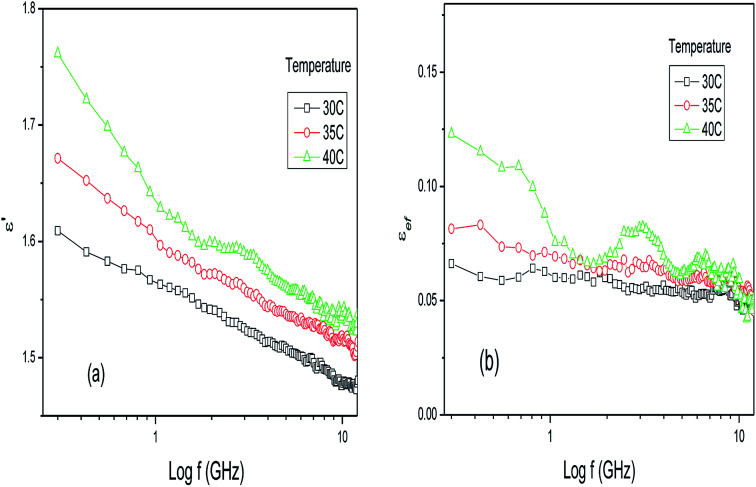
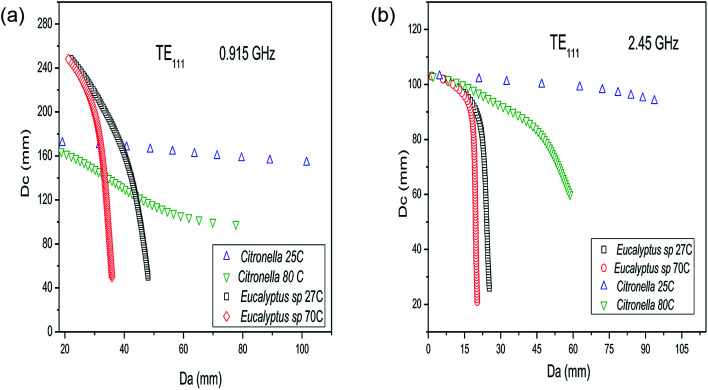
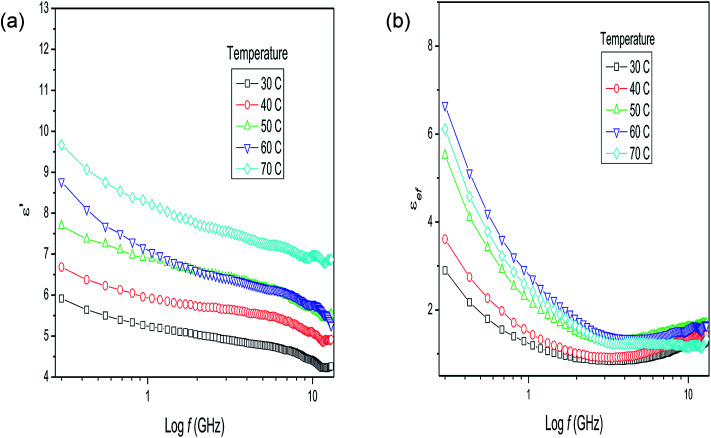
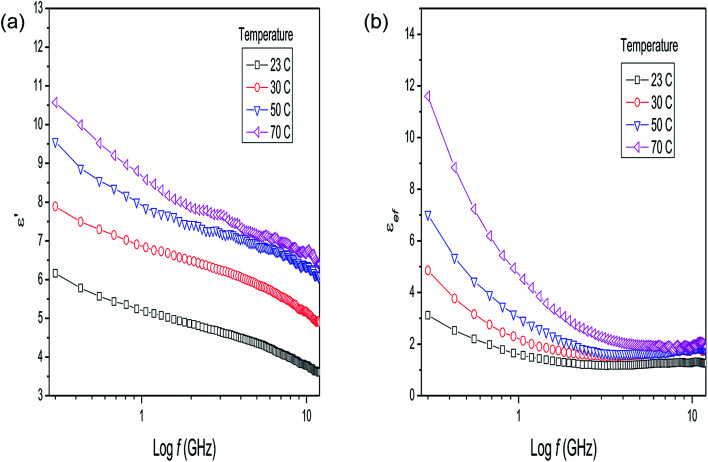
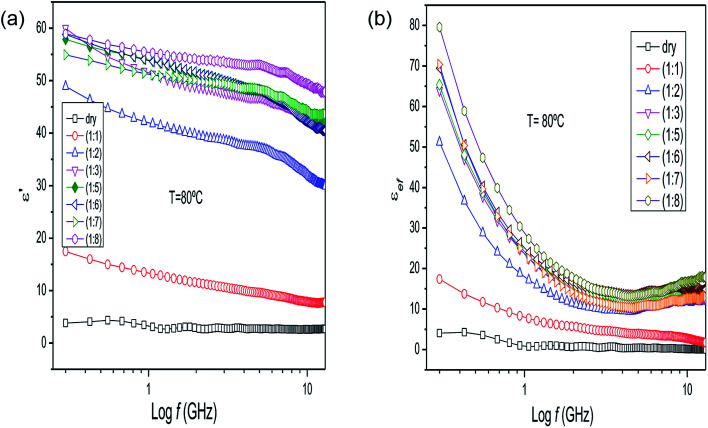
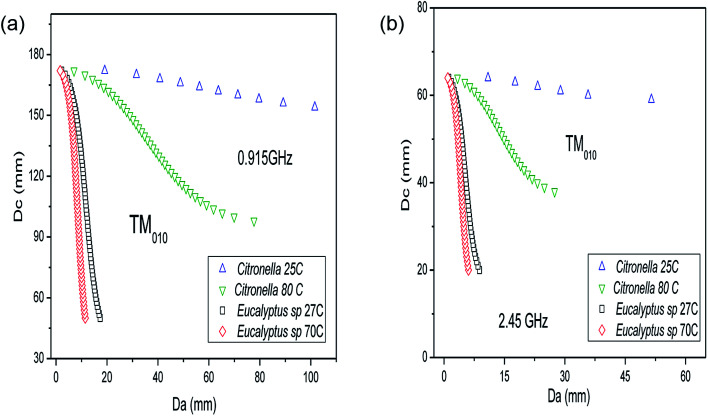
The dielectric properties of , sp., and were investigated as a function of frequency and temperature, using dry plant matter and its mixtures with water at different concentrations. This was followed by the extraction of essential oils performed with microwave heating in single-mode and multimode cavities with a variable power 6.0 kW generator operating at 2.45 GHz. The dielectric properties of the dry plant matter changed markedly with increasing water content, exhibiting high loss factors and small penetration depths. Due to the high level of absorption, even with low water contents, microwave-assisted extraction (MAE) showed better green performance employing lower plant matter/water ratios (1 : 2 or 1 : 4) and applying shorter extraction times compared with conventional hydrodistillation (HD). Using the single-mode MAE reactor, in the case of , for a plant matter/water ratio of 1 : 4 the energy efficiency was 1.78 g kW h, applying 0.3 kW for 16.7 min. By way of comparison, for the same extraction time using HD, the corresponding efficiency was only 0.50 g kW h. In experiments with citronella using multimode MAE, the best energy efficiency of 2.53 g kW h was obtained with a plant matter/water ratio of 1 : 2 applying 1.8 kW of power for 30 min. Single and multimode MAE experiments showed optimum conditions with lower water content. Thus, greater amounts of material can be processed in a shorter time, in accordance with the ideals of a green chemistry. The resulting extractions showed an energy efficiency up to 27 times greater compared with conventional HD, applying the same extraction time.
研究了[植物名称1]、[植物名称2]和[植物名称3]的介电性能随频率和温度的变化情况,使用的是干燥植物材料及其与不同浓度水的混合物。随后,在2.45 GHz运行的6.0 kW可变功率发生器的单模和多模腔中,采用微波加热进行精油提取。干燥植物材料的介电性能随含水量增加而显著变化,表现出高损耗因子和小穿透深度。由于吸收水平高,即使含水量低,与传统水蒸馏(HD)相比,微波辅助提取(MAE)采用较低的植物材料/水比(1∶2或1∶4)并应用更短的提取时间,显示出更好的绿色性能。使用单模MAE反应器,对于[植物名称1],植物材料/水比为1∶4时,施加0.3 kW功率16.7分钟,能量效率为1.78 g/kW·h。相比之下,使用HD在相同提取时间下,相应效率仅为0.50 g/kW·h。在使用多模MAE对香茅进行的实验中,植物材料/水比为1∶2,施加1.8 kW功率30分钟时,获得了最佳能量效率2.53 g/kW·h。单模和多模MAE实验表明,较低含水量具有最佳条件。因此,根据绿色化学的理念,可以在更短的时间内处理更多的材料。在相同提取时间下,所得提取物的能量效率比传统HD高出27倍。