Qi Zhiping, Guo Wenlai, Zheng Shuang, Fu Chuan, Ma Yue, Pan Su, Liu Qinyi, Yang Xiaoyu
Department of Orthopedic Surgery, The Second Hospital of Jilin University Ziqiang Street No. 218 Changchun TX 130041 Jilin PR China
Department of Gynecological Oncology, The First Hospital of Jilin University Xinmin Street No. 71 Changchun TX 130000 PR China.
RSC Adv. 2019 Mar 12;9(15):8315-8325. doi: 10.1039/c8ra10103e.
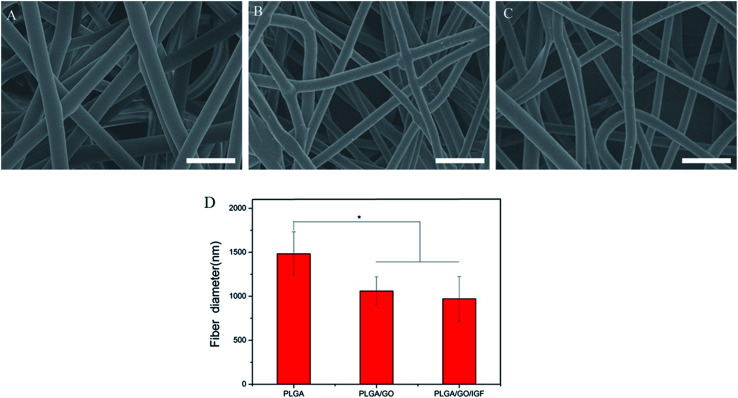
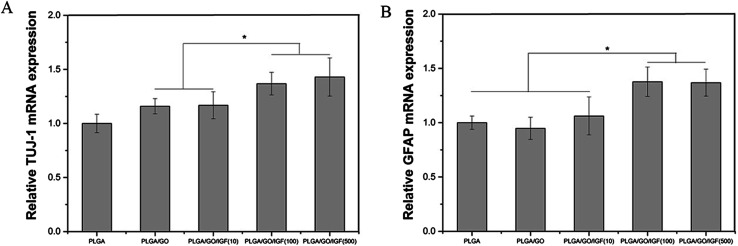
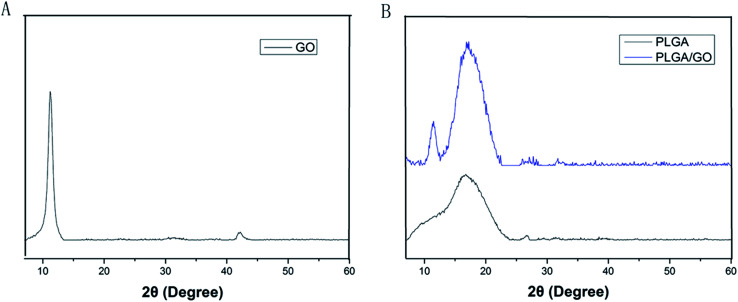
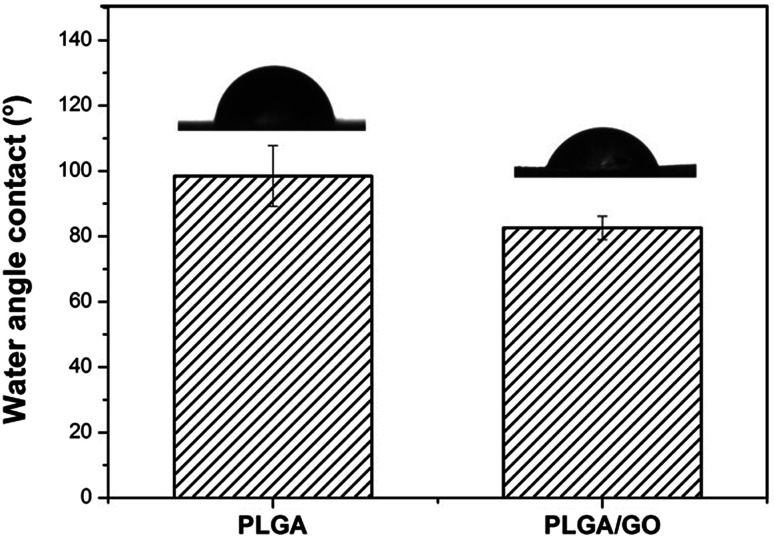
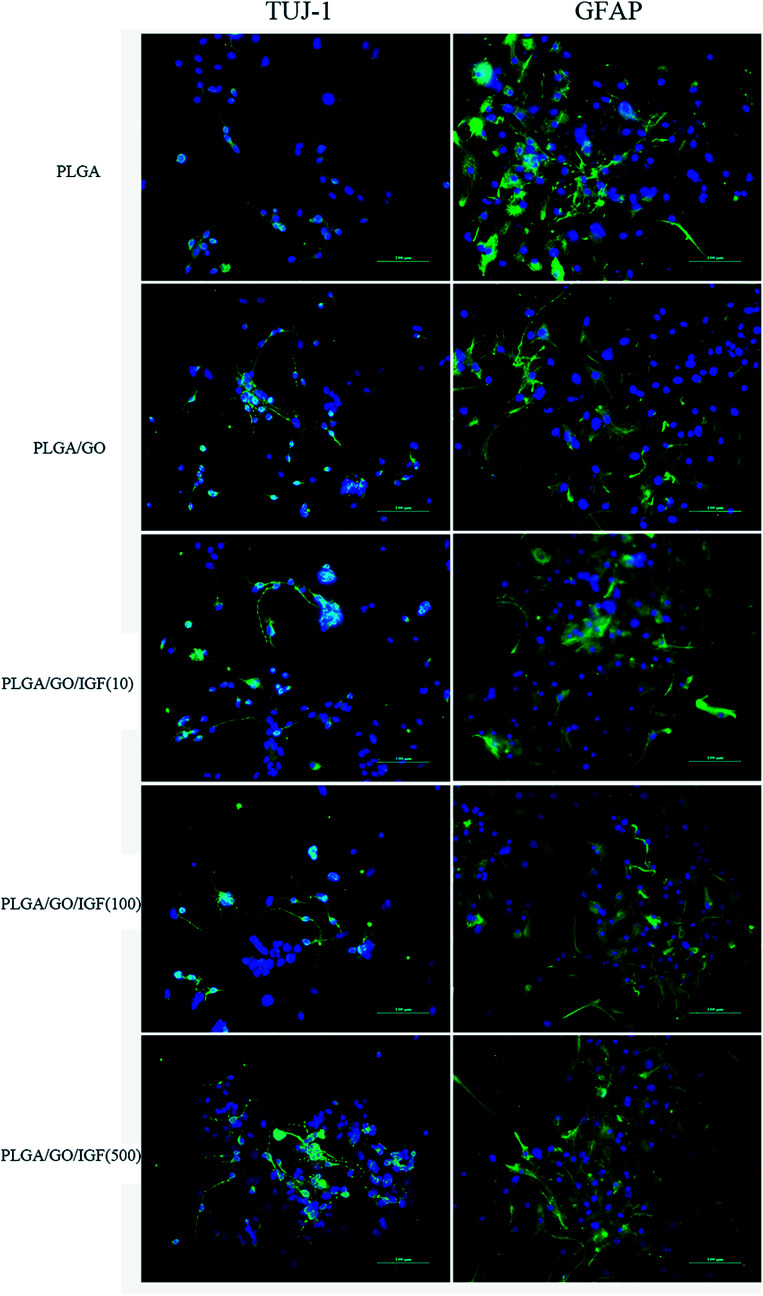
The mammalian central nervous system has a limited ability for self-repair under injury conditions. The treatment of nerve injuries has been revolutionised with the development of tissue engineering techniques. However, the lack of bioactivity has severely restricted the application of biodegradable implants for neurogenesis. Therefore, surface modification of biomaterials is crucial to improve their bioactivity and promote endogenous repair mechanisms for nerve regeneration. Insulin-like growth factor 1 (IGF-1) is a growth factor for neuroprotection and neurogenesis. In this study, IGF-1 was successfully immobilised on graphene oxide (GO)-incorporated poly(lactic--glycolic acid) (PLGA) biodegradable electrospun nanofibres. For the investigation, neural stem cells (NSCs) were cultured on different nanofibres to observe various cellular activities. GO enhanced NSC survival under HO pre-treatment and neuronal differentiation to some extent. More importantly, the immobilisation of IGF-1 onto the PLGA/GO nanofibres resulted in significantly increased NSC survival, proliferation, and differentiation. Findings from this study revealed that using PLGA/GO electrospun nanofibres to immobilise IGF-1 has excellent potential for the enhancement of the neuroprotective and neurogenic effects of nerve implants.
哺乳动物的中枢神经系统在损伤条件下的自我修复能力有限。随着组织工程技术的发展,神经损伤的治疗发生了革命性变化。然而,生物活性的缺乏严重限制了可生物降解植入物在神经发生中的应用。因此,生物材料的表面改性对于提高其生物活性和促进神经再生的内源性修复机制至关重要。胰岛素样生长因子1(IGF-1)是一种用于神经保护和神经发生的生长因子。在本研究中,IGF-1成功固定在含有氧化石墨烯(GO)的聚乳酸-乙醇酸共聚物(PLGA)可生物降解电纺纳米纤维上。为了进行研究,将神经干细胞(NSCs)培养在不同的纳米纤维上,以观察各种细胞活动。GO在一定程度上提高了HO预处理下NSC的存活率和神经元分化。更重要的是,将IGF-1固定在PLGA/GO纳米纤维上可显著提高NSC的存活率、增殖率和分化率。本研究结果表明,使用PLGA/GO电纺纳米纤维固定IGF-1在增强神经植入物的神经保护和神经发生作用方面具有巨大潜力。