Montha Wararat, Maneeprakorn Weerakanya, Tang I-Ming, Pon-On Weeraphat
Department of Physics, Faculty of Science, Kasetsart University Bangkok 10900 Thailand
National Nanotechnology Center (NANOTEC), National Science and Technology Development Agency (NSTDA) Pathum Thani 12120 Thailand.
RSC Adv. 2020 Nov 4;10(66):40206-40214. doi: 10.1039/d0ra08602a. eCollection 2020 Nov 2.
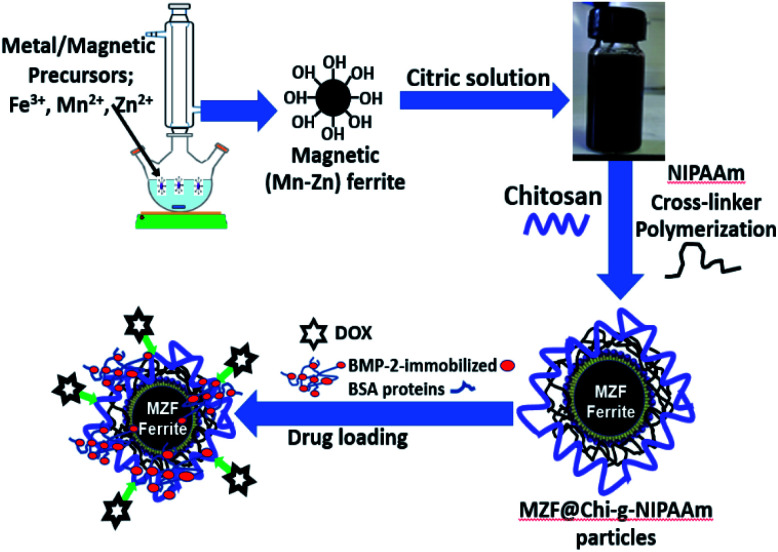
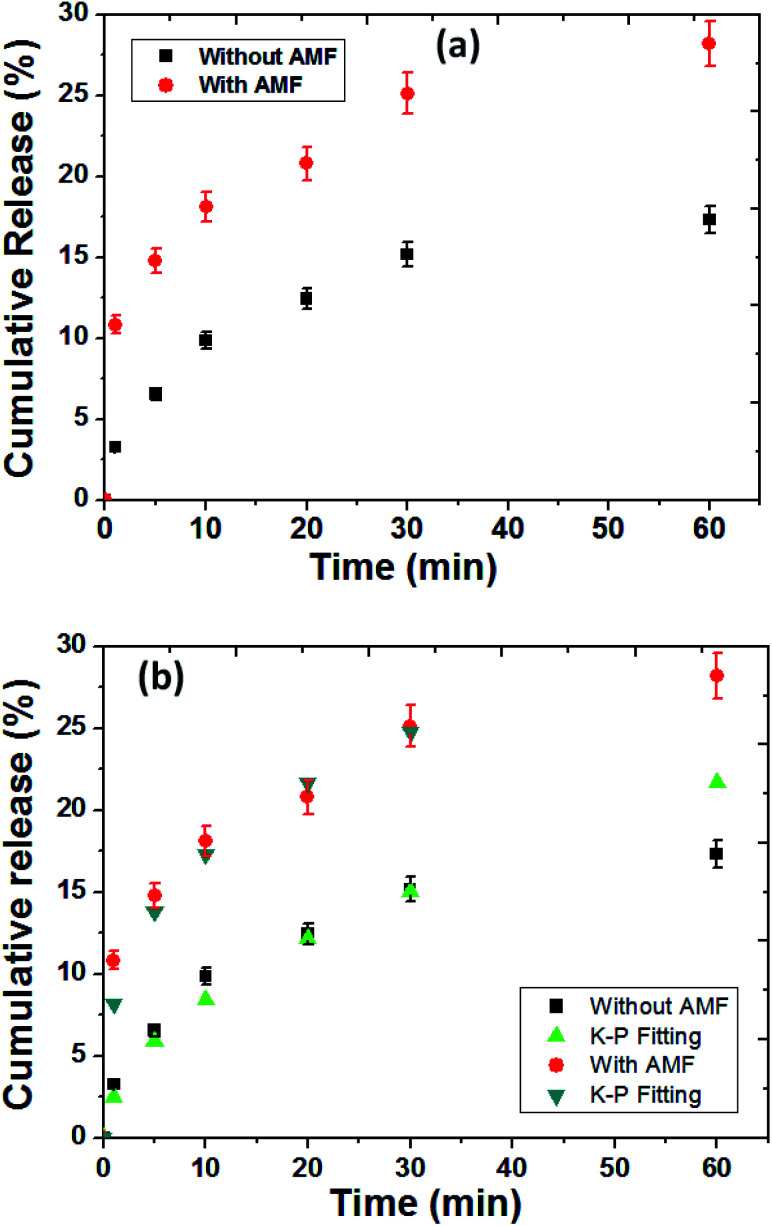
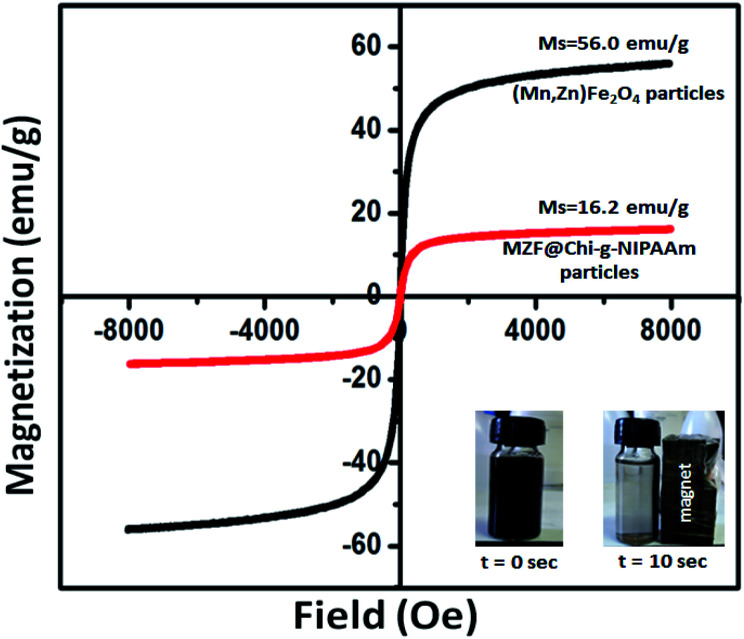
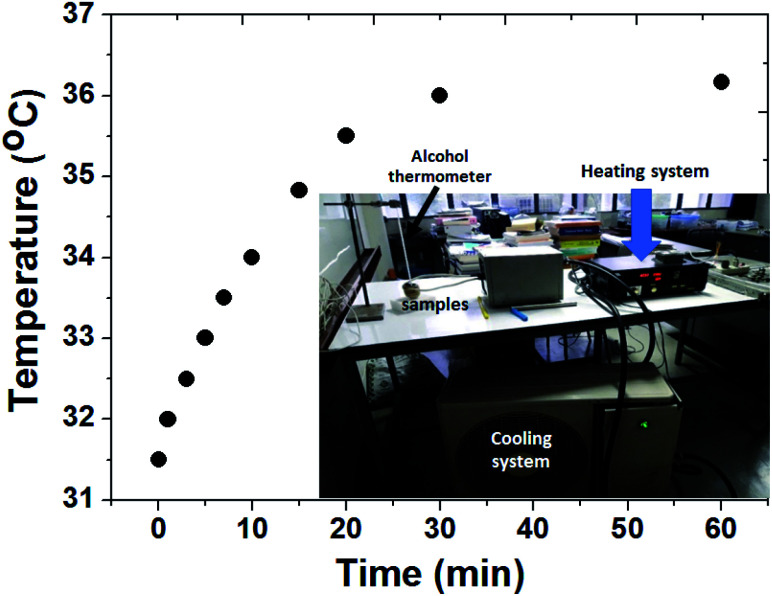
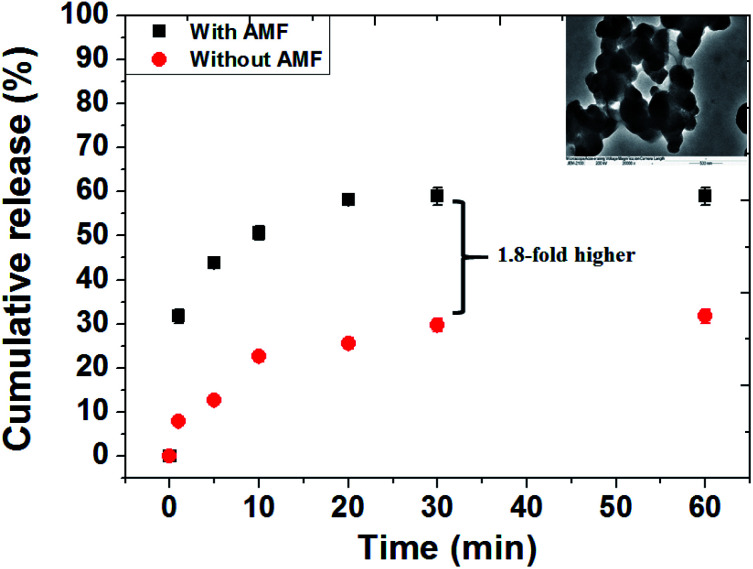
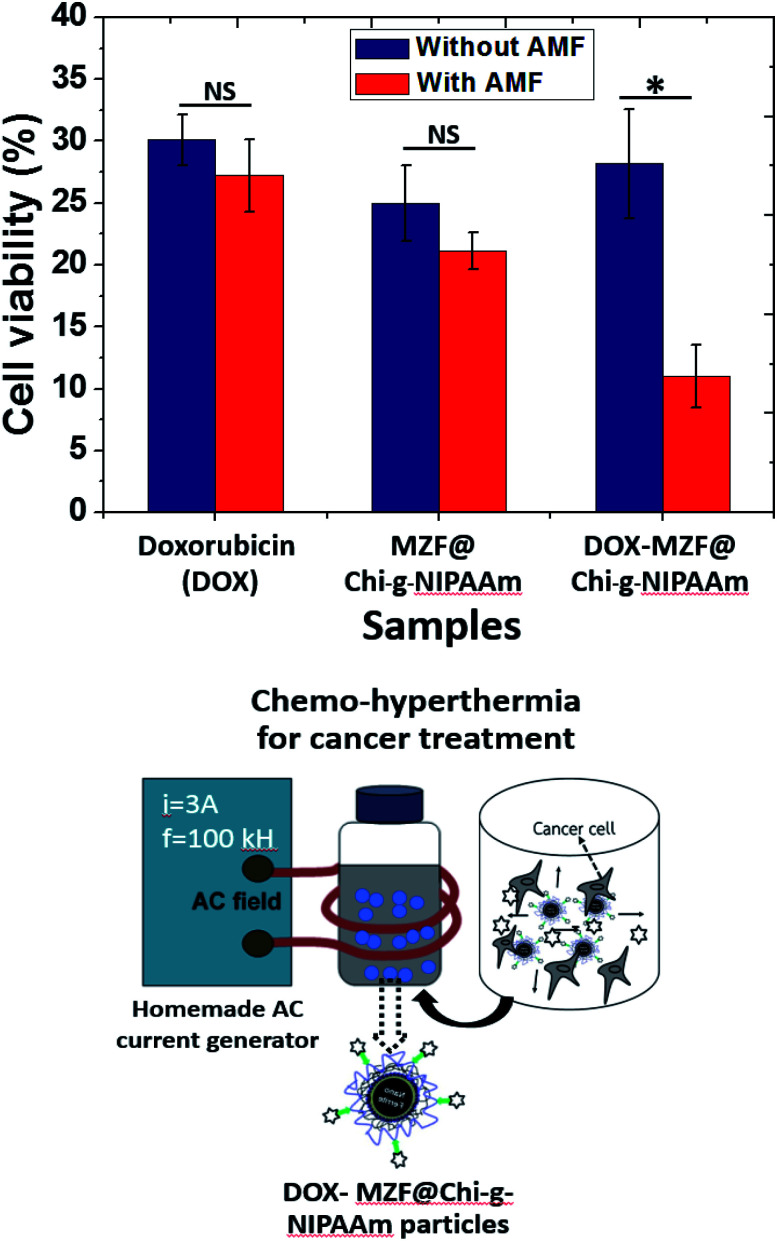
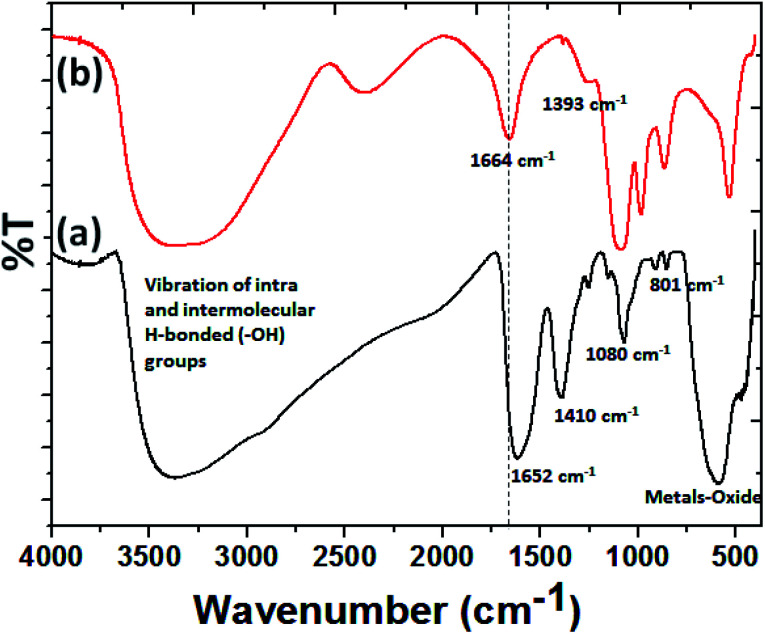
Drug delivery particles in which the release of biomolecules is triggered by a magnetic simulant have attracted much attention and may have great potential in the fields of cancer therapy and tissue regenerative medicine. In this study, we have prepared magnetic Mn-Zn ferrite ((Mn,Zn)FeO) (MZF) nanoparticles coated with chitosan--isopropylacrylamide (Chi--NIPAAm) polymer (MZF@Chi--NIPAAm) to deliver the anticancer drug (Doxorubicin, DOX) and bioactive proteins (Bone morphogenic protein (BMP-2)-immobilized bovine serum albumin (BSA)) (P//MZF@Chi--NIPAAm) and be used as chemo-hyperthermia and vector delivering biomolecules. For these purposes, we first show that the as-prepared MZF@Chi--NIPAAm particles exhibit super paramagnetic behavior and under certain conditions, they can act as a heat source with a specific absorption rate (SAR) of 34.88 W g. Under acidic conditions and in the presence of AMF, the fast release of DOX was seen at around 58.9% within 20 min. evaluations indicated that concurrent thermo-chemotherapy treatment by DOX-MZF@Chi--NIPAAm using AMF had a better antitumor effect, compared with those using either DOX or DOX-MZF@Chi--NIPAAm without AMF (89.02% of cells were killed as compared to 71.82% without AMF exposure). Up to 28.18% of the BSA (used as the model protein to determine the controlled release) is released from the P//MZF@Chi--NIPAAm particles under AMF exposure for 1 h (only 17.31% was released without AMF). These results indicated that MZF@Chi--NIPAAm particles could be used to achieve hyperthermia at a precise location, effectively enhancing the chemotherapy treatments, and have a promising future as drug or bioactive delivering molecules for cancer treatment and cartilage or bone regenerative applications.
其生物分子释放由磁模拟物触发的药物递送颗粒已引起广泛关注,并且在癌症治疗和组织再生医学领域可能具有巨大潜力。在本研究中,我们制备了包覆壳聚糖 - 异丙基丙烯酰胺(Chi - NIPAAm)聚合物的磁性锰锌铁氧体((Mn,Zn)FeO)(MZF)纳米颗粒(MZF@Chi - NIPAAm),用于递送抗癌药物(阿霉素,DOX)和生物活性蛋白(固定有骨形态发生蛋白(BMP - 2)的牛血清白蛋白(BSA))(P//MZF@Chi - NIPAAm),并用作化学热疗和递送生物分子的载体。出于这些目的,我们首先表明,所制备的MZF@Chi - NIPAAm颗粒表现出超顺磁性行为,并且在某些条件下,它们可以作为具有34.88 W g比吸收率(SAR)的热源。在酸性条件下且存在交变磁场(AMF)时,DOX在20分钟内快速释放,释放量约为58.9%。评估表明,与单独使用DOX或不使用AMF的DOX - MZF@Chi - NIPAAm相比,使用AMF的DOX - MZF@Chi - NIPAAm进行同步热化疗具有更好的抗肿瘤效果(未暴露于AMF时杀死71.82%的细胞,而使用AMF时杀死89.02%的细胞)。在AMF暴露1小时的情况下,高达28.18%的BSA(用作确定控释的模型蛋白)从P//MZF@Chi - NIPAAm颗粒中释放(未使用AMF时仅释放17.31%)。这些结果表明,MZF@Chi - NIPAAm颗粒可用于在精确位置实现热疗,有效增强化疗治疗效果,并且作为用于癌症治疗以及软骨或骨再生应用的药物或生物活性递送分子具有广阔的前景。