Center for Vital Longevity, School of Behavioral and Brain Sciences, The University of Texas at Dallas, 1600 Viceroy Dr., Unit 800, Dallas, TX, 75235, USA.
Center for Vital Longevity, School of Behavioral and Brain Sciences, The University of Texas at Dallas, 1600 Viceroy Dr., Unit 800, Dallas, TX, 75235, USA.
Neuroimage. 2022 Aug 15;257:119276. doi: 10.1016/j.neuroimage.2022.119276. Epub 2022 May 3.
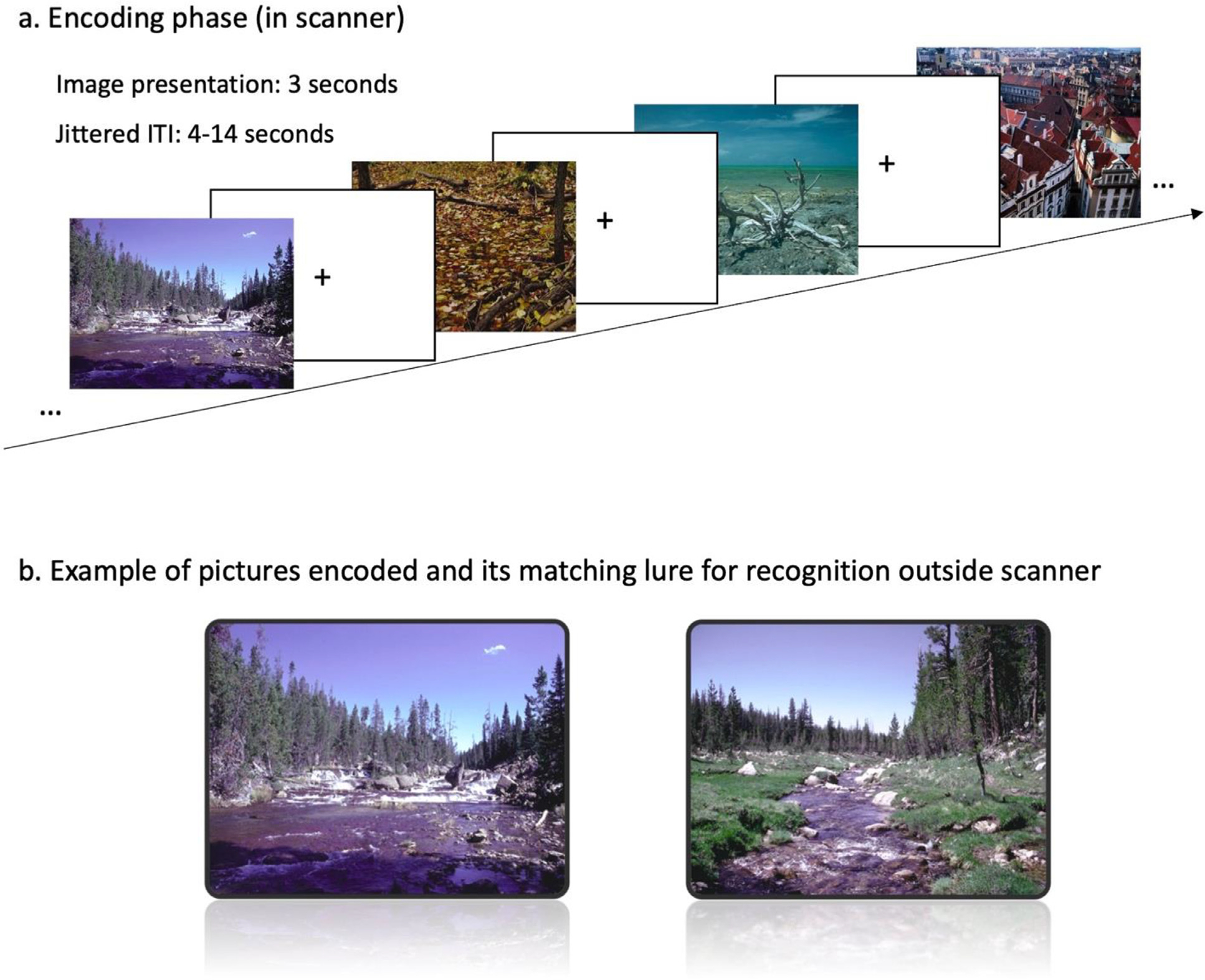
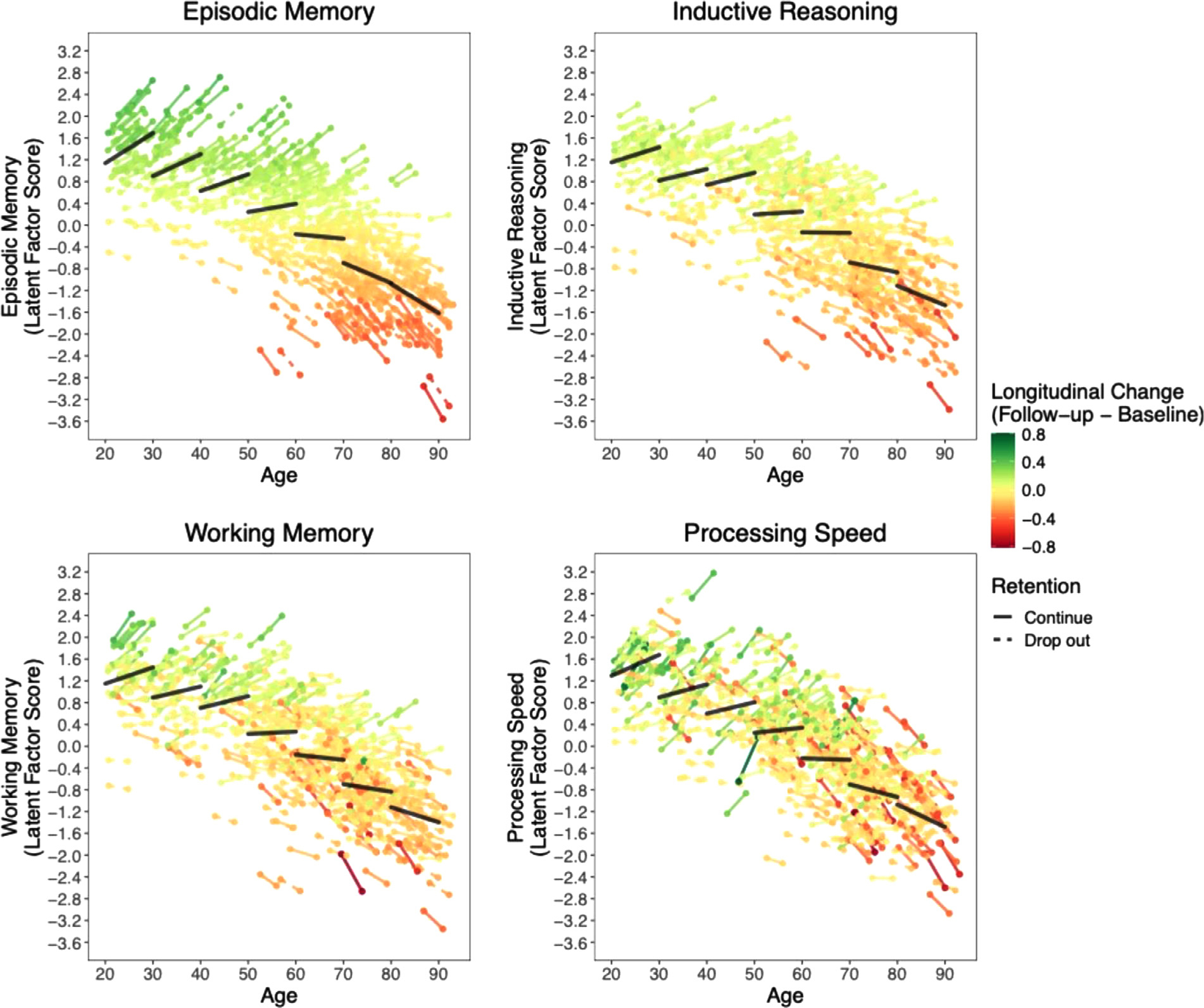
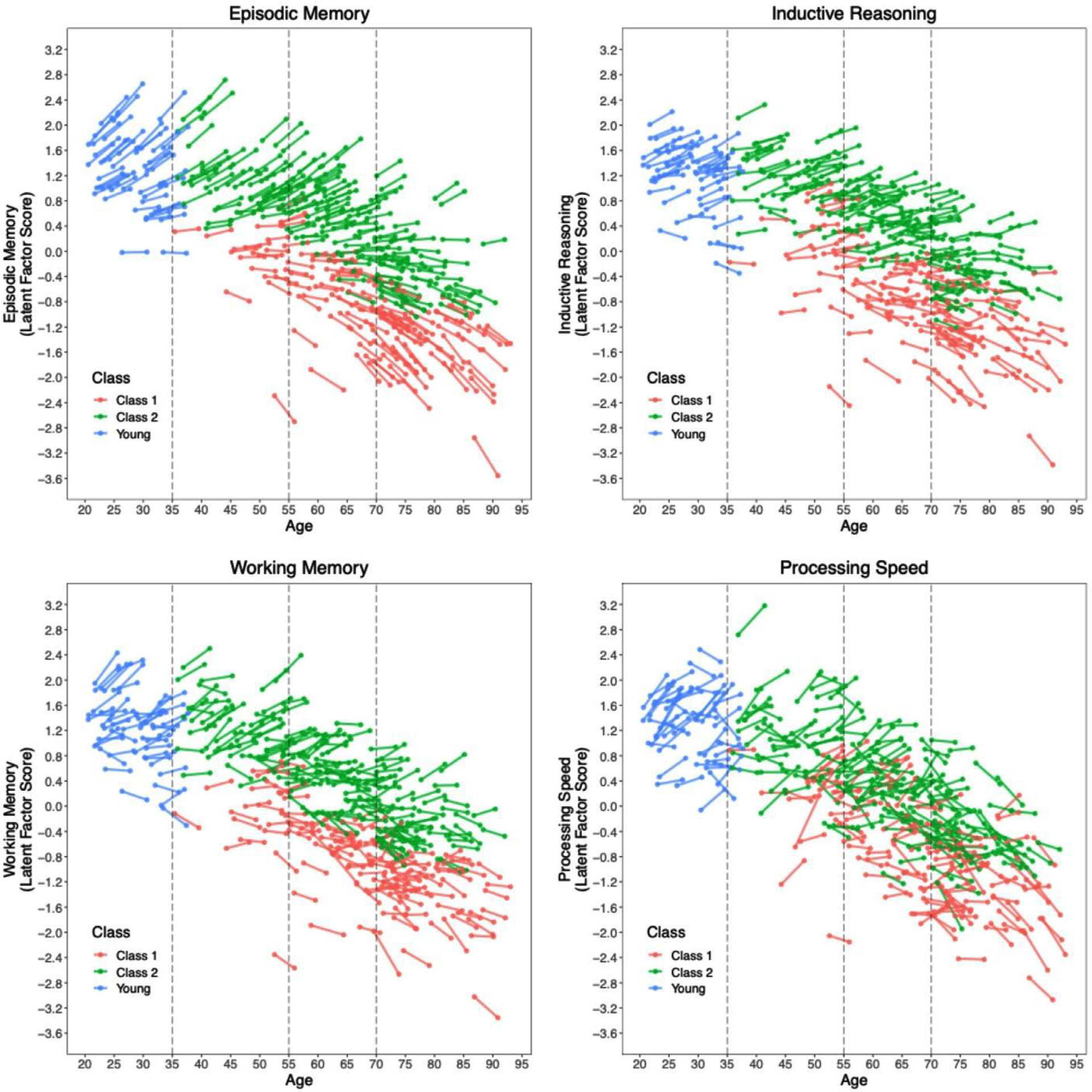
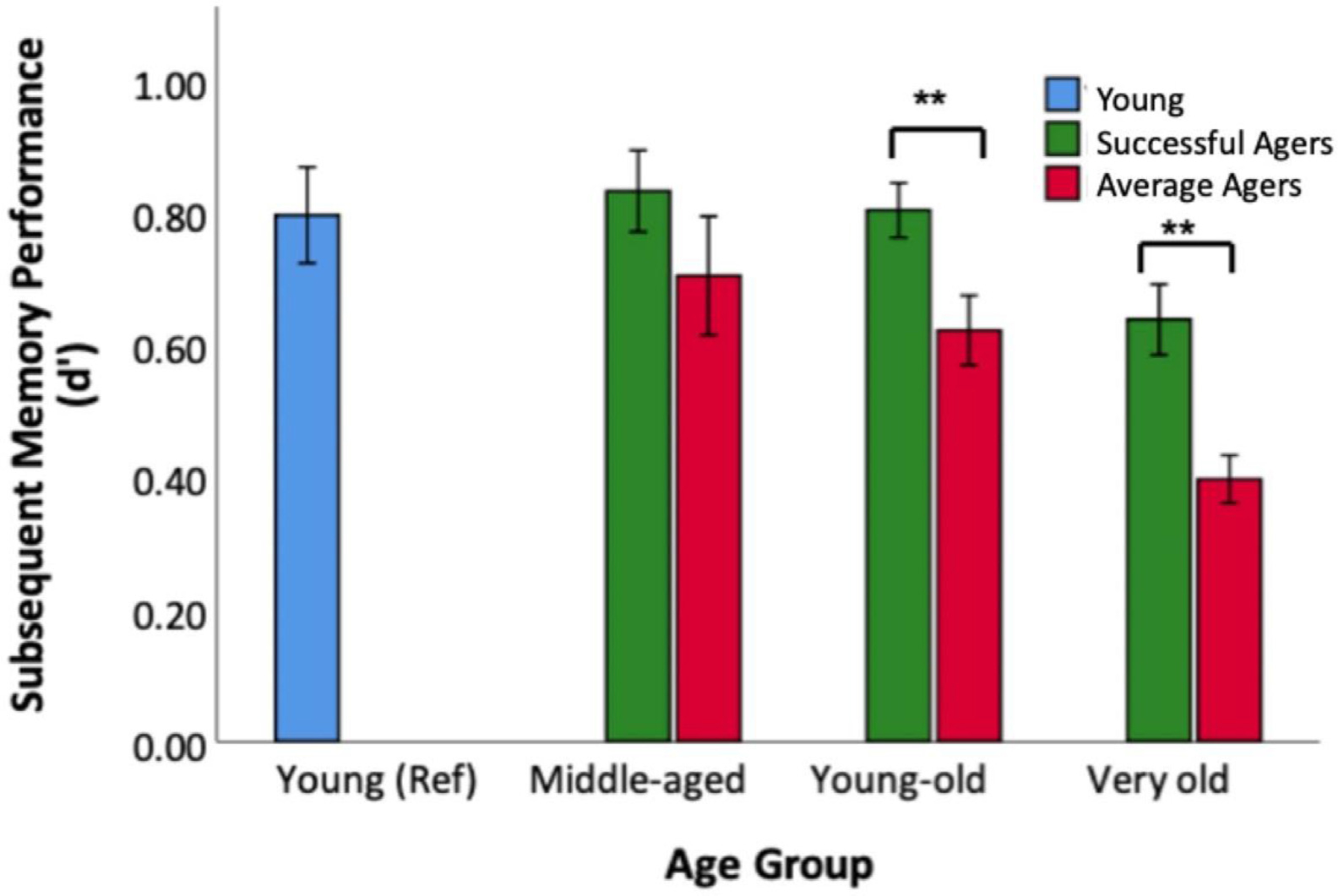
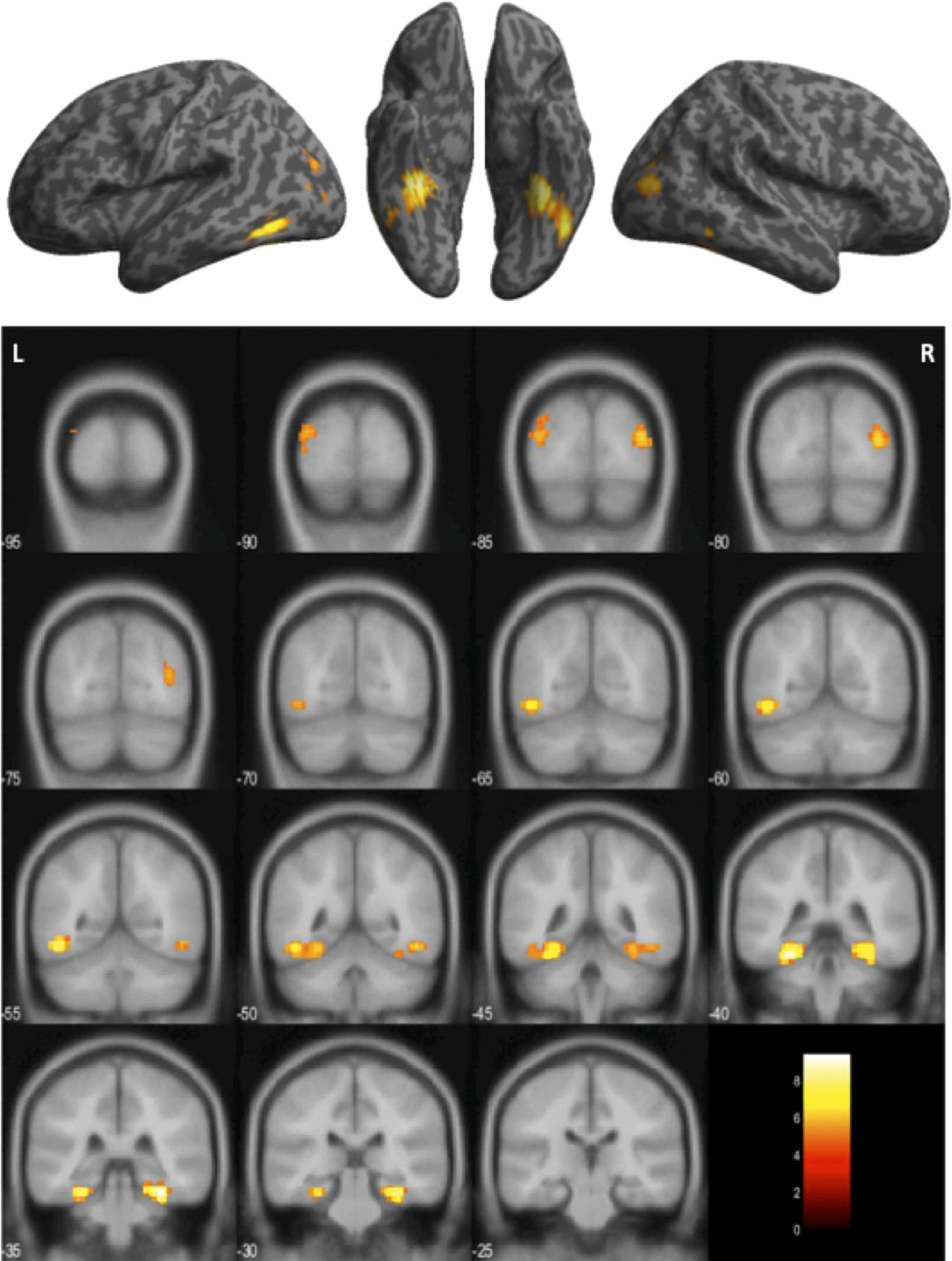
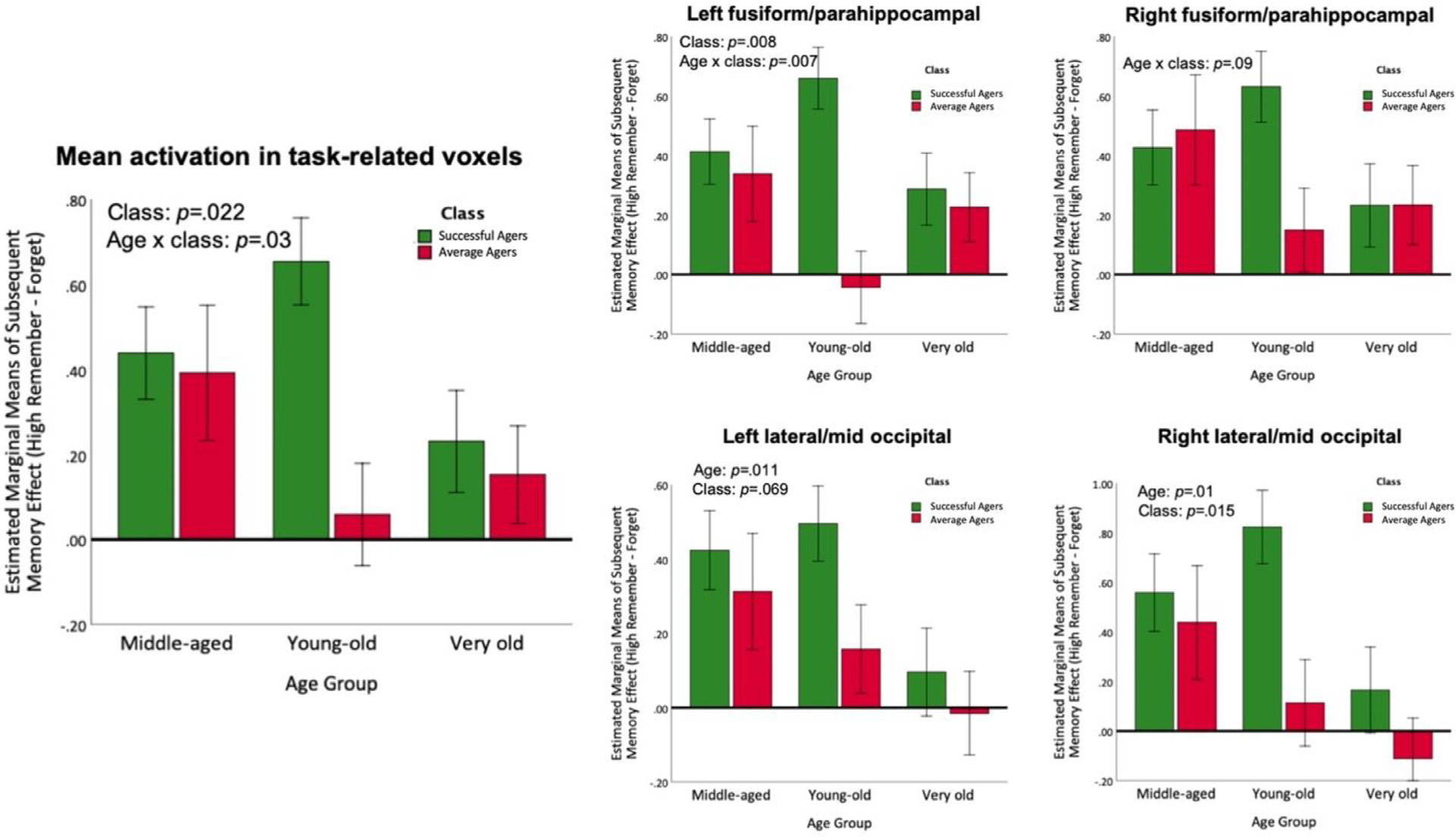
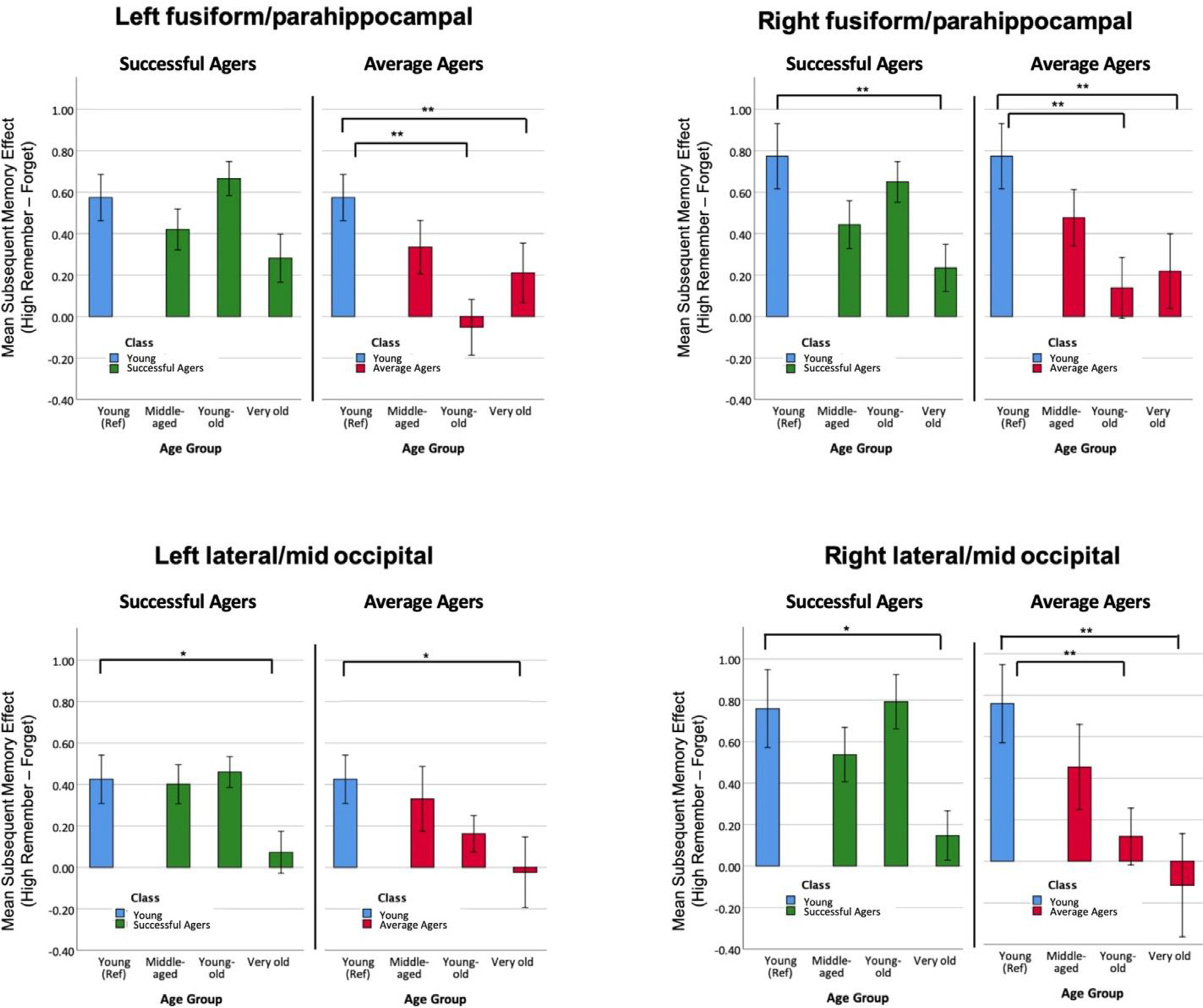
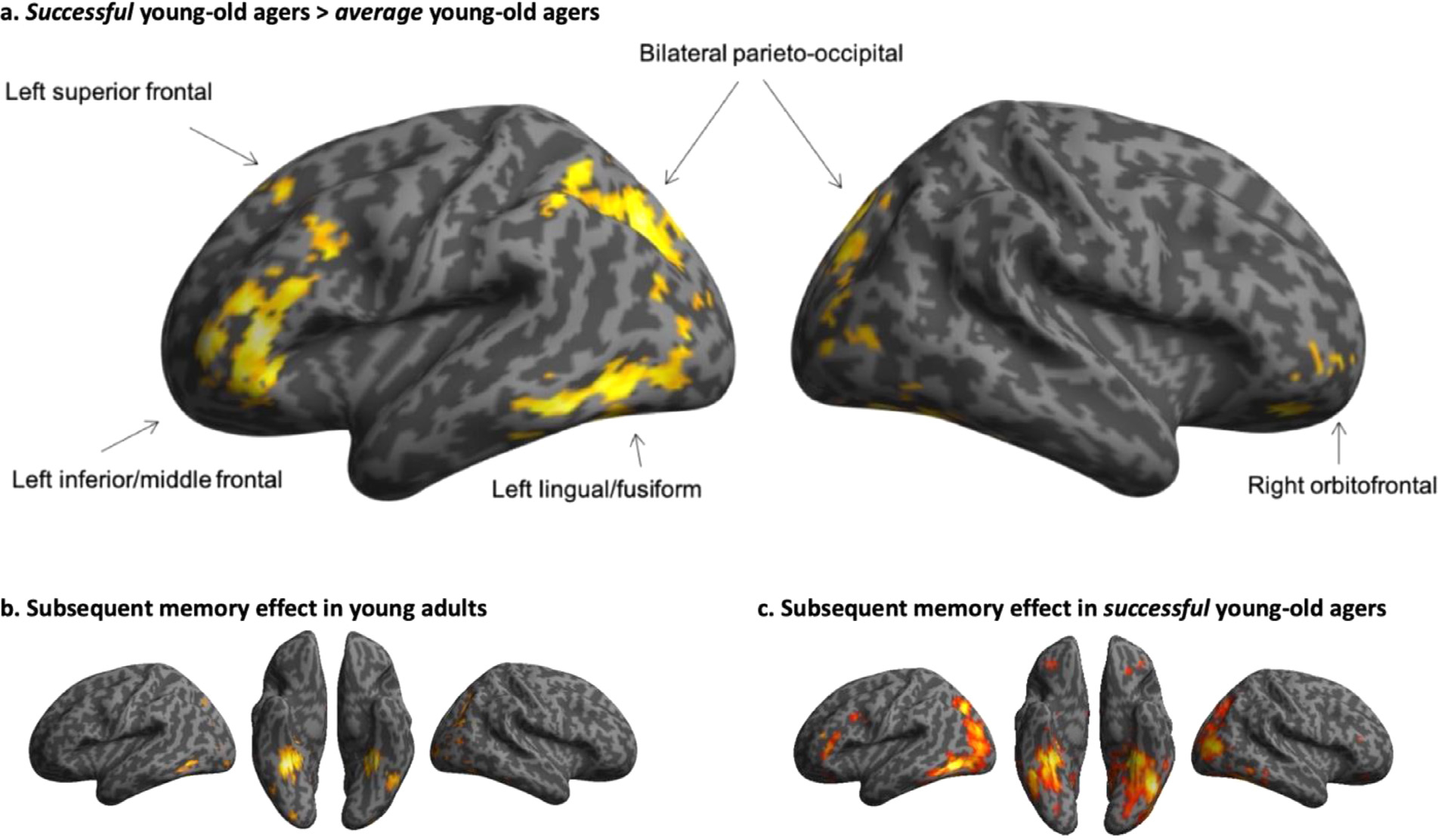
Much neuroimaging research has explored the neural mechanisms underlying successful cognitive aging. Two different patterns of functional activation, maintenance of youth-like activity and compensatory novel recruitment, have been proposed to represent different brain functional features underlying individual differences in cognitive aging. In this study, we investigated the functional features in individuals across the adult lifespan who appeared to resist age-related cognitive decline, in comparison to those with typical age-related declines, over the course of four years. We first implemented latent mixture modeling, a data-driven approach, to classify participants as successful and average agers in middle-aged, young-old, and very old groups, based on their baseline and longitudinal cognitive performance. Then, using fMRI with a subsequent memory paradigm at the follow-up visit, brain activation specifically related to successful encoding (i.e., subsequent memory effect: subsequently remembered with high confidence > subsequently forgotten) was compared between people who established successful cognitive aging versus average aging in the three age groups. Several differences in the subsequent memory effect were revealed. First, across core task-related regions commonly used during successful encoding, successful agers exhibited high subsequent memory effect, at a level comparable to the young control group, until very old age; in contrast, average agers showed reduced subsequent memory effect, compared to successful agers, beginning in young-old age when memory performance also reduced in average agers, compared to successful agers. Second, additional recruitment in prefrontal clusters, distant from the core task-related regions, were identified in the left superior frontal and right orbitofrontal cortices in successful agers of young-old age, possibly reflecting functional compensation in successful aging. In summary, successful agers demonstrate a pattern of youth-like activation spanning from middle age to young-old age, as well as novel frontal recruitment in young-old age. Overall, our study demonstrated evidence of two neural patterns related to successful cognitive aging, offering an integrated view of functional features underlying successful aging, and suggests the importance of studying individuals across the lifespan to understand brain changes occurring in mid and early-late life.
大量神经影像学研究探索了成功认知老化的神经机制。为了代表认知老化个体差异背后不同的大脑功能特征,提出了两种不同的功能激活模式,即保持年轻样的活动和补偿性新招募。在这项研究中,我们调查了在四年的时间里,那些似乎能够抵抗与年龄相关的认知能力下降的个体的功能特征,与那些具有典型与年龄相关的认知能力下降的个体进行了比较。我们首先实施潜在混合建模,这是一种数据驱动的方法,根据他们的基线和纵向认知表现,将参与者分为成功和平均年龄组,分为中年、年轻老年和非常老年组。然后,在后续随访中使用 fMRI 结合后续记忆范式,比较了在三个年龄组中建立成功认知老化的个体与平均老化的个体之间与成功编码相关的大脑激活(即,随后记忆效应:随后以高置信度记住>随后遗忘)。结果揭示了随后记忆效应的几个差异。首先,在成功编码过程中常用的核心任务相关区域中,成功的老年人表现出高的随后记忆效应,水平与年轻对照组相当,直到非常老年;相比之下,与成功的老年人相比,平均年龄的老年人表现出较低的随后记忆效应,从年轻老年开始,当记忆表现也开始下降时,与成功的老年人相比,平均年龄的老年人的记忆表现也开始下降。其次,在成功的年轻老年人的左额上回和右眶额皮质中,发现了远离核心任务相关区域的额前集群的额外招募,可能反映了成功老化中的功能补偿。总之,成功的老年人表现出一种从中年到年轻老年的年轻样激活模式,以及年轻老年时的新额前招募。总的来说,我们的研究提供了与成功认知老化相关的两种神经模式的证据,为成功老化的功能特征提供了一个综合的观点,并表明研究整个生命周期的个体对于理解中生命和早生命期的大脑变化非常重要。