Zhan Zhiyan, Liu Wenxue, Pan Liya, Bao Yiwen, Yan Zhilong, Hong Li
Department of Clinical Nutrition, Shanghai Children's Medical Center, School of Medicine, Shanghai Jiao Tong University, Shanghai, 200127, China.
Department of Obstetrics and Gynecology, Zhongshan Hospital, Fudan University, Shanghai, China.
Cell Death Discov. 2022 May 6;8(1):251. doi: 10.1038/s41420-022-01015-3.
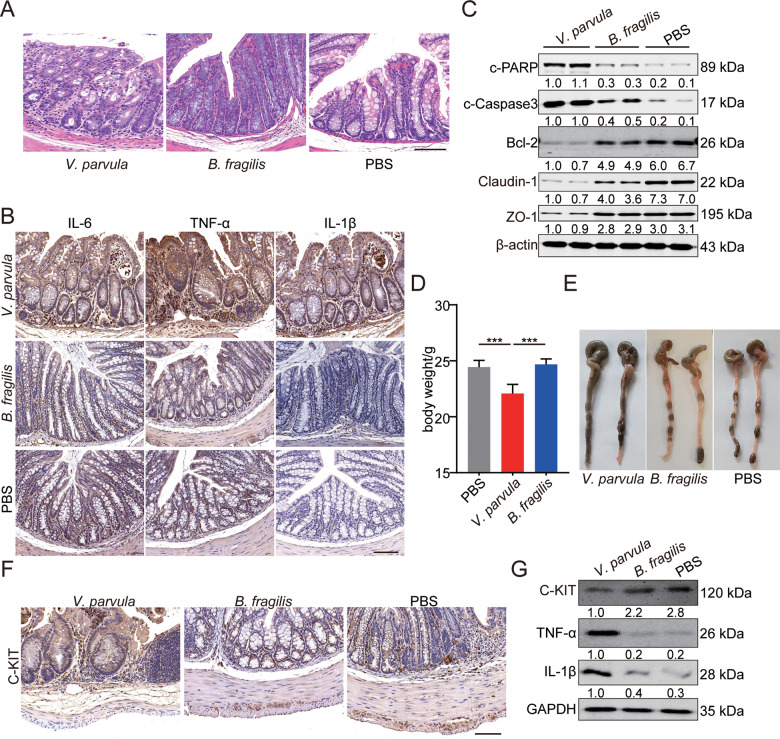
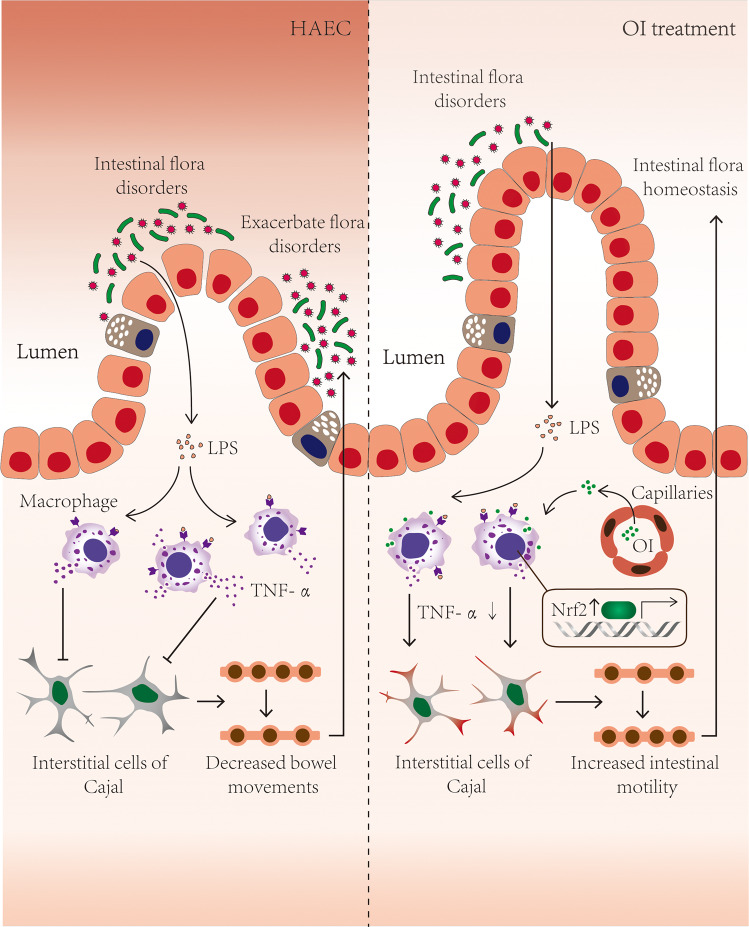
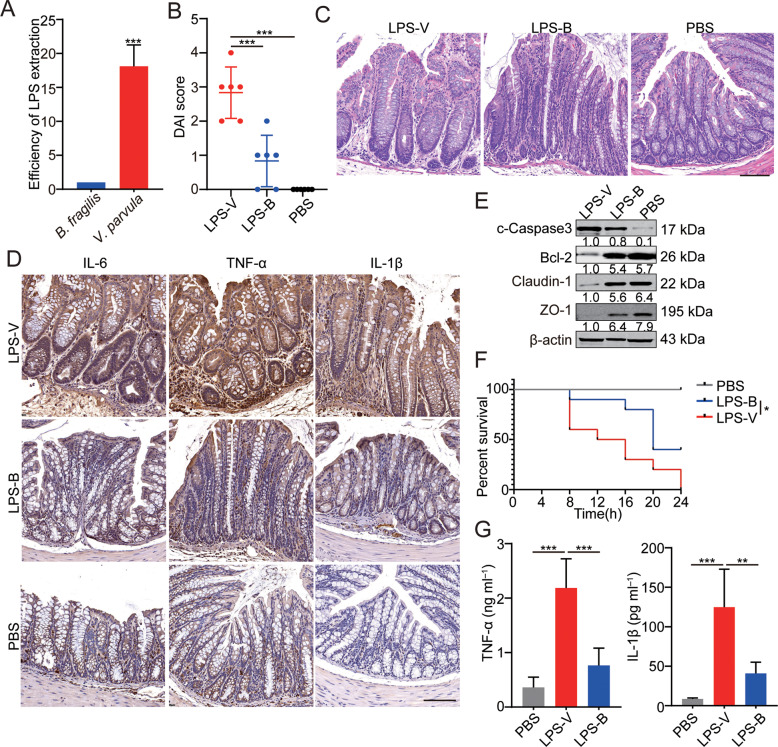
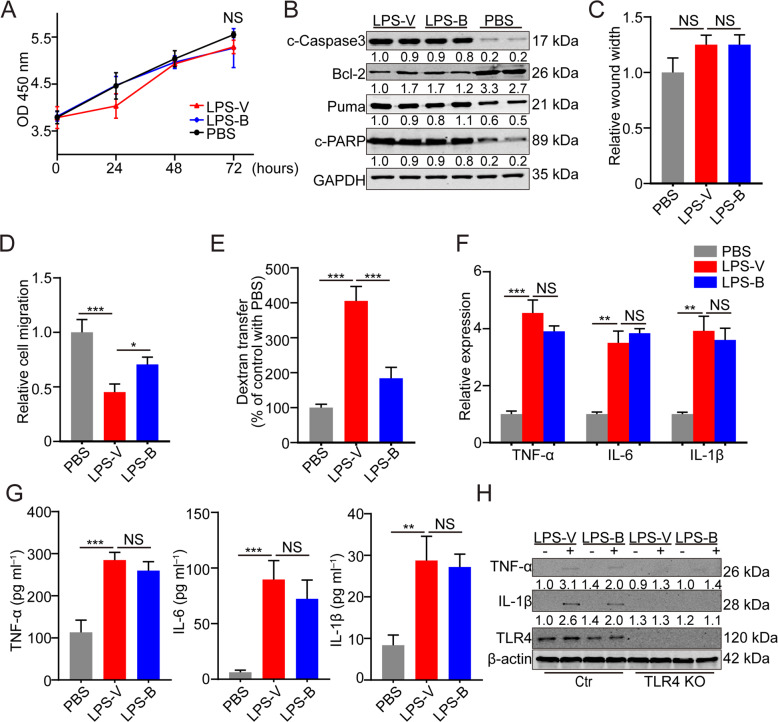
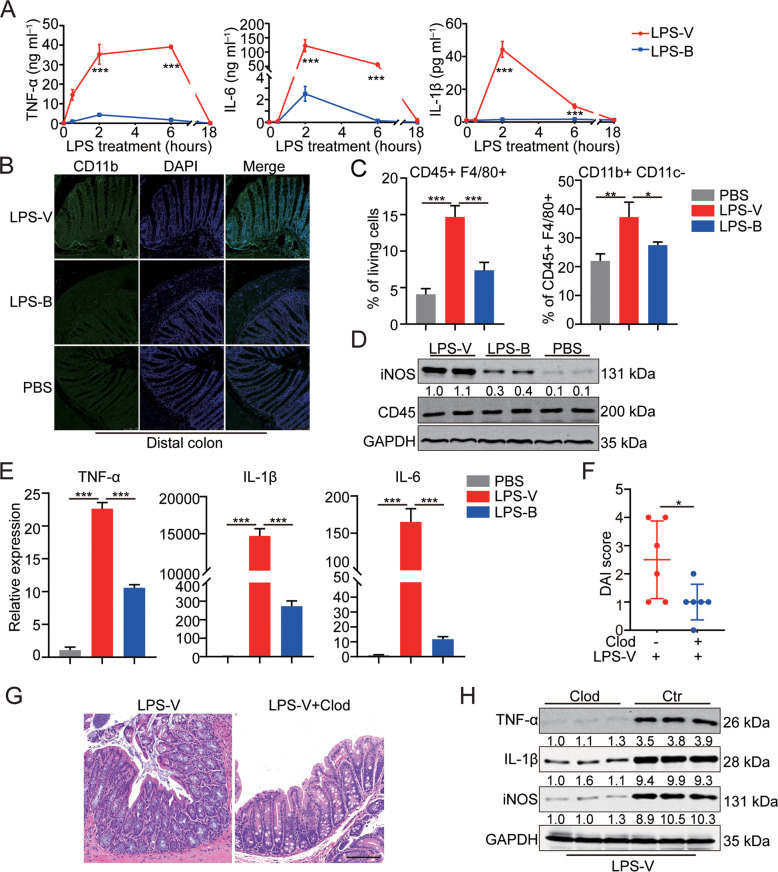
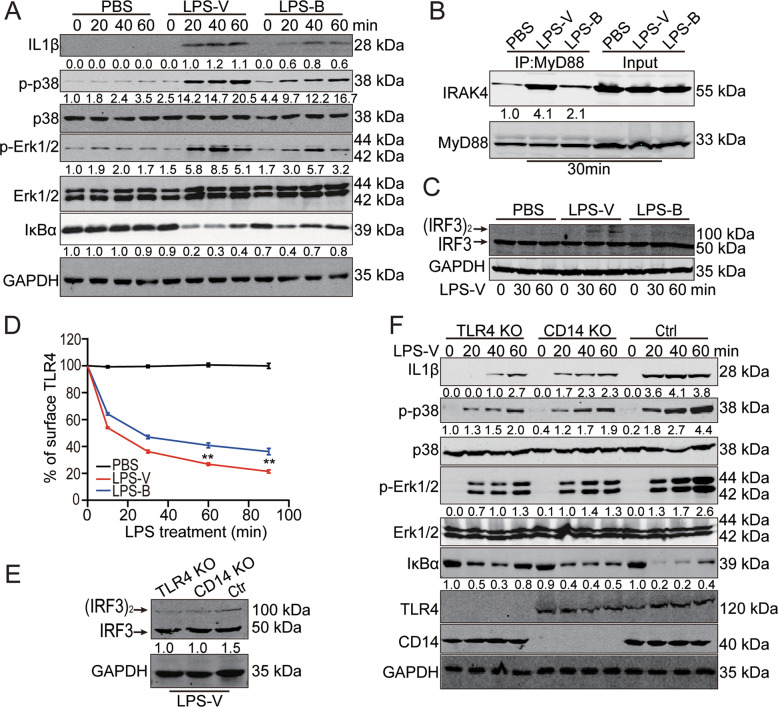
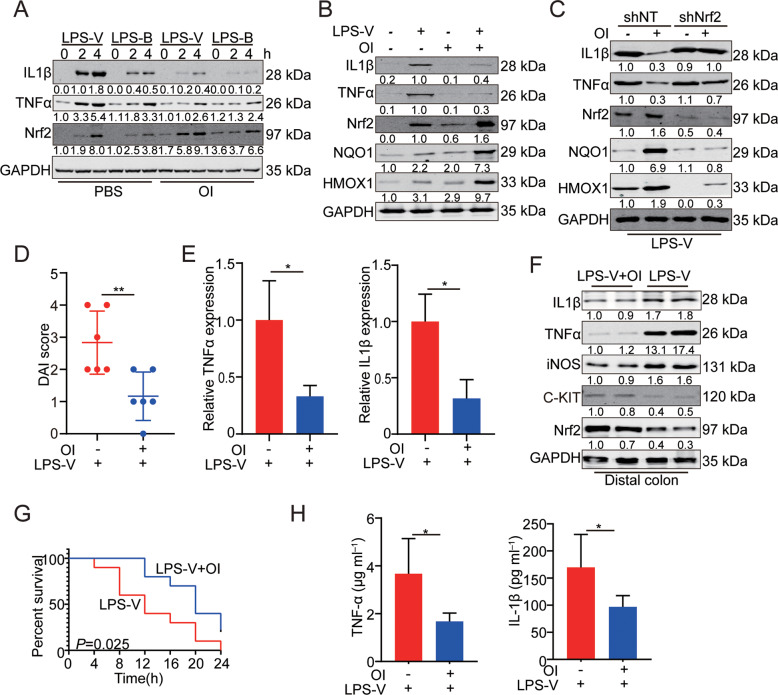
Hirschsprung's disease-associated enterocolitis (HAEC) is the most common complication of Hirschsprung's disease (HSCR). The microbiome pattern of intestinal flora in HAEC patients was significantly abnormal compared to that in HSCR patients. The overabundance of V. parvula was detected in the gut of HAEC patients. To elucidate the pathological mechanisms of the overabundance of V. parvula, we established and analyzed inflammatory models induced by LPS or single-bacterial strain transplantation in vivo. The transplantation of V. parvula induced inflammatory response in the colon of mice. Besides, we found that LPS from V. parvula can significantly impair the barrier function of colonic epithelial cells and then activate macrophages which impaired pacemaker function of interstitial cells of Cajal (ICCs). It was thus a vicious cycle, where the macrophage-related inflammation caused by V. parvula via LPS-TLR4 pathway damaged the intestinal motility, which further aggravated the intestinal flora dysbiosis and promoted the development of HAEC. Itaconic acid could break the vicious cycle by inhibiting the activation of macrophages. It could be a potential therapeutic strategy for HAEC patients with intestinal flora dysbiosis.
先天性巨结肠相关小肠结肠炎(HAEC)是先天性巨结肠(HSCR)最常见的并发症。与HSCR患者相比,HAEC患者肠道菌群的微生物组模式显著异常。在HAEC患者的肠道中检测到小韦荣球菌过度增殖。为了阐明小韦荣球菌过度增殖的病理机制,我们建立并分析了体内脂多糖(LPS)或单菌株移植诱导的炎症模型。小韦荣球菌移植可诱导小鼠结肠发生炎症反应。此外,我们发现小韦荣球菌的LPS可显著损害结肠上皮细胞的屏障功能,进而激活巨噬细胞,而巨噬细胞会损害 Cajal 间质细胞(ICC)的起搏功能。因此,这是一个恶性循环,即小韦荣球菌通过LPS-TLR4途径引起的巨噬细胞相关炎症破坏肠道运动,进而加剧肠道菌群失调并促进HAEC的发展。衣康酸可以通过抑制巨噬细胞的激活来打破这个恶性循环。它可能是治疗肠道菌群失调的HAEC患者的一种潜在治疗策略。