Department of Nuclear Medicine, Union Hospital, Tongji Medical College, Huazhong University of Science and Technology, No. 1277 Jiefang Ave, Wuhan, 430022, Hubei, China.
Hubei Key Laboratory of Molecular Imaging, Wuhan, 430022, China.
J Nanobiotechnology. 2022 May 6;20(1):211. doi: 10.1186/s12951-022-01432-7.
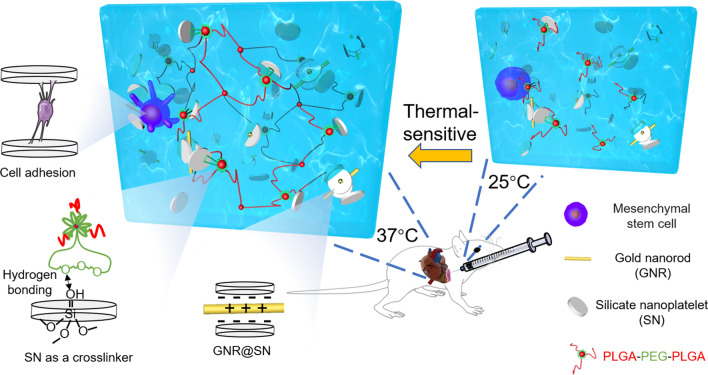
Injectable hydrogels have great promise in the treatment of myocardial infarction (MI); however, the lack of electromechanical coupling of the hydrogel to the host myocardial tissue and the inability to monitor the implantation may compromise a successful treatment. The introduction of conductive biomaterials and mesenchymal stem cells (MSCs) may solve the problem of electromechanical coupling and they have been used to treat MI. In this study, we developed an injectable conductive nanocomposite hydrogel (GNR@SN/Gel) fabricated by gold nanorods (GNRs), synthetic silicate nanoplatelets (SNs), and poly(lactide-co-glycolide)-b-poly (ethylene glycol)-b-poly(lactide-co-glycolide) (PLGA-PEG-PLGA). The hydrogel was used to encapsulate MSCs and Ga cations, and was then injected into the myocardium of MI rats to monitor the initial hydrogel placement and to study the therapeutic effect via F-FDG myocardial PET imaging.
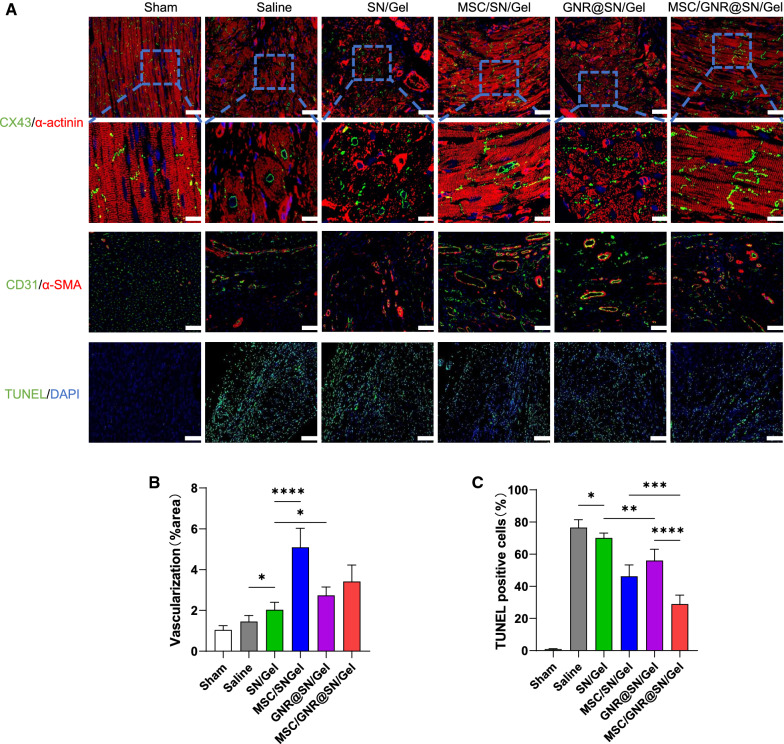
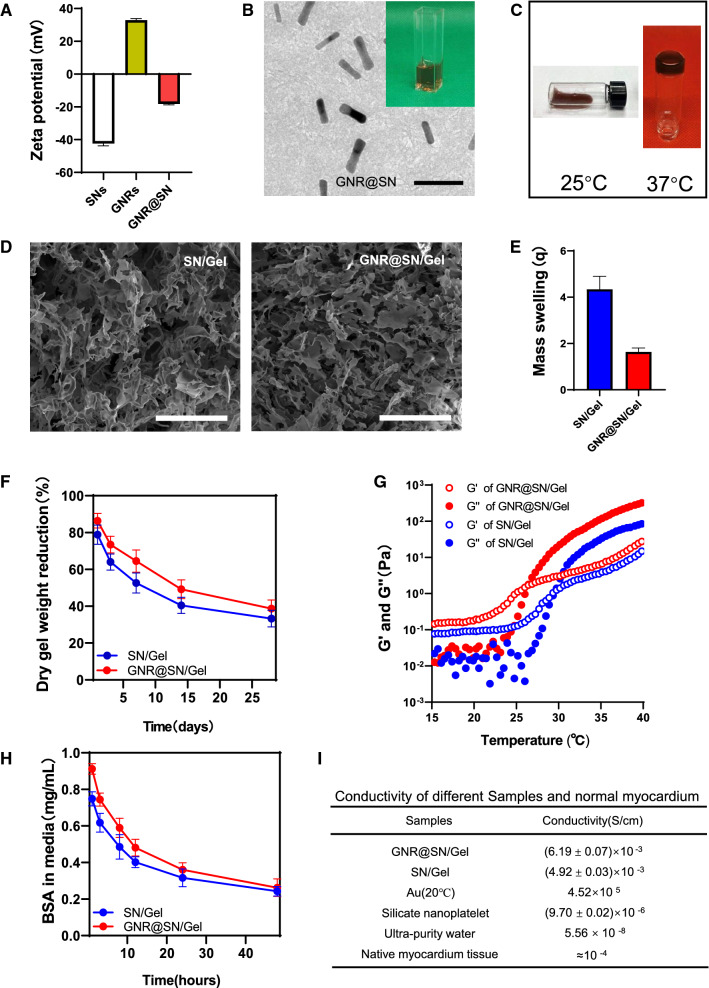
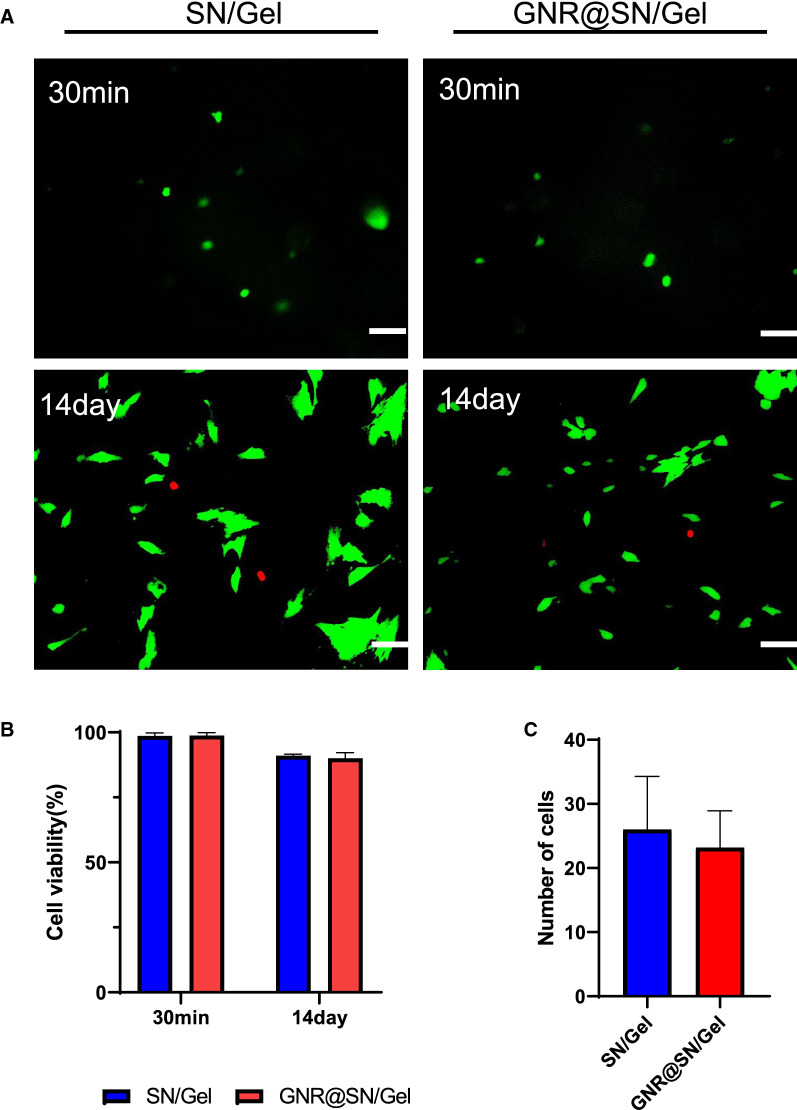
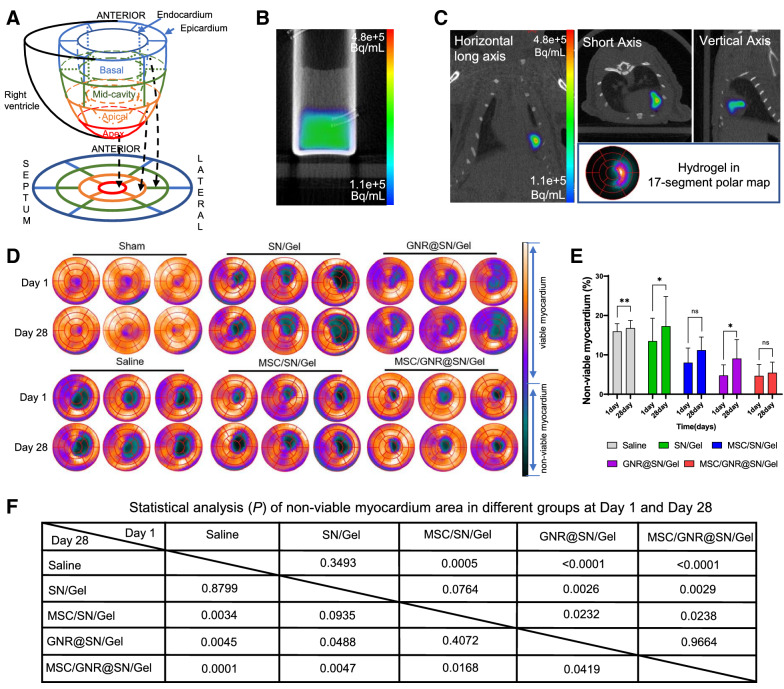
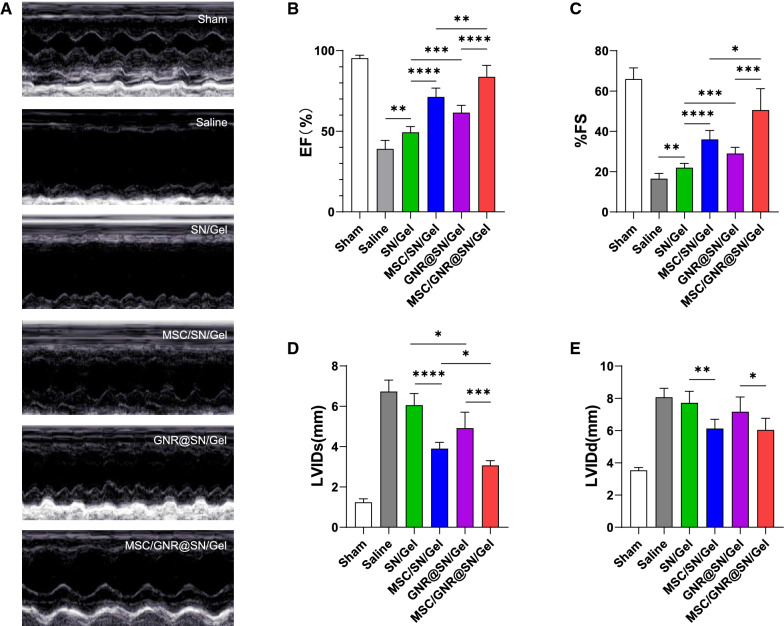
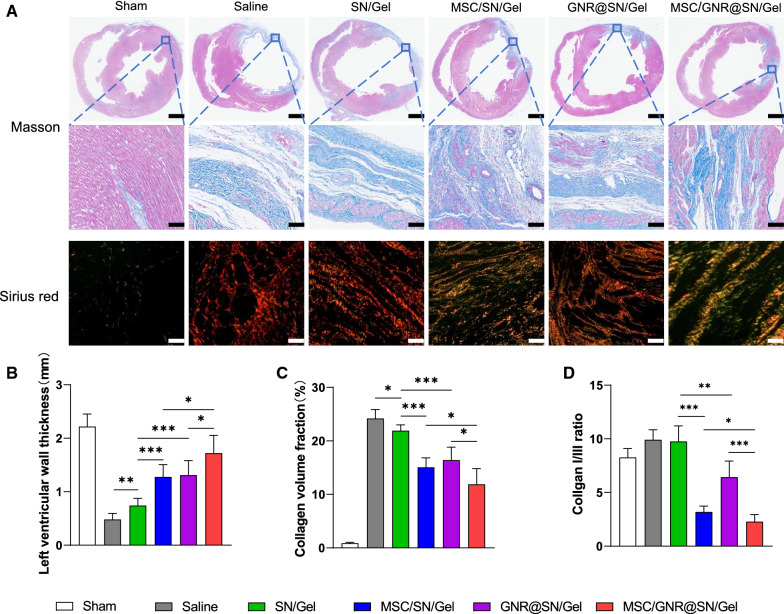
Our data showed that SNs can act as a sterically stabilized protective shield for GNRs, and that mixing SNs with GNRs yields uniformly dispersed and stabilized GNR dispersions (GNR@SN) that meet the requirements of conductive nanofillers. We successfully constructed a thermosensitive conductive nanocomposite hydrogel by crosslinking GNR@SN with PLGA-PEG-PLGA, where SNs support the proliferation of MSCs. The cation-exchange capability of SNs was used to adsorb Ga to locate the implanted hydrogel in myocardium via PET/CT. The combination of MSCs and the conductive hydrogel had a protective effect on both myocardial viability and cardiac function in MI rats compared with controls, as revealed by F-FDG myocardial PET imaging in early and late stages and ultrasound; this was further validated by histopathological investigations.
The combination of MSCs and the GNR@SN/Gel conductive nanocomposite hydrogel offers a promising strategy for MI treatment.
可注射水凝胶在心肌梗死(MI)治疗中有很大的应用前景;然而,水凝胶与宿主心肌组织缺乏机电耦合,并且无法监测植入物,这可能会影响治疗效果。引入导电生物材料和间充质干细胞(MSCs)可能解决机电耦合的问题,并且它们已经被用于治疗 MI。在本研究中,我们开发了一种可注射的导电纳米复合水凝胶(GNR@SN/Gel),由金纳米棒(GNRs)、合成硅酸钠纳米片(SNs)和聚(乳酸-共-羟基乙酸)-b-聚(乙二醇)-b-聚(乳酸-共-羟基乙酸)(PLGA-PEG-PLGA)制成。该水凝胶用于包封 MSCs 和 Ga 阳离子,然后注射到 MI 大鼠的心肌中,通过 F-FDG 心肌 PET 成像来监测初始水凝胶的位置,并研究治疗效果。
我们的数据表明,SNs 可以作为 GNRs 的空间稳定保护罩,并且将 SNs 与 GNRs 混合可以得到均匀分散和稳定的 GNR 分散体(GNR@SN),满足导电纳米填料的要求。我们成功地通过交联 GNR@SN 与 PLGA-PEG-PLGA 构建了一种温敏导电纳米复合水凝胶,其中 SNs 支持 MSCs 的增殖。SNs 的阳离子交换能力用于吸附 Ga 以通过 PET/CT 将植入的水凝胶定位在心肌中。与对照组相比,MSCs 与导电水凝胶的结合对 MI 大鼠的心肌活力和心功能都有保护作用,通过早期和晚期的 F-FDG 心肌 PET 成像和超声检查得到证实,并通过组织病理学检查进一步验证。
MSCs 与 GNR@SN/Gel 导电纳米复合水凝胶的结合为 MI 治疗提供了一种有前途的策略。