School of Public Health, Shenzhen University Health Science Center, 1066 Xueyuan Ave., Shenzhen, 518055, China.
Guangdong Provincial Key Laboratory of Genome Stability and Disease Prevention, International Cancer Center, Shenzhen University Health Science Center, Shenzhen, China.
J Hematol Oncol. 2022 May 7;15(1):53. doi: 10.1186/s13045-022-01270-y.
Transfer RNA-derived fragments (tRFs) are a new class of small non-coding RNAs. Recent studies suggest that tRFs participate in some pathological processes. However, the biological functions and mechanisms of tRFs in non-small cell lung cancer (NSCLC) are largely unknown.
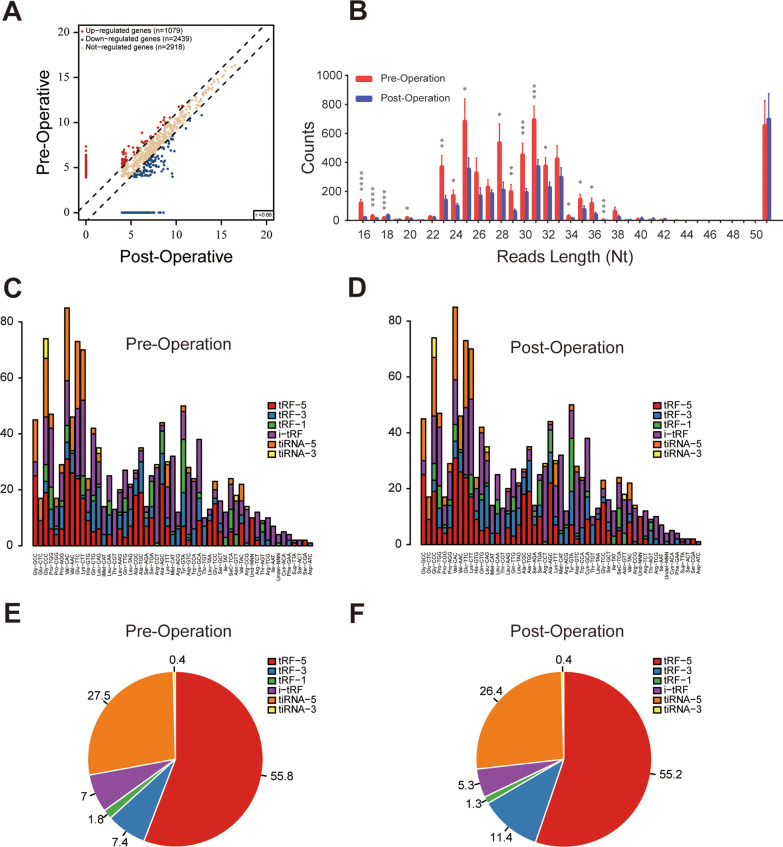
Differentially expressed tRFs were identified by tRF and tiRNA sequencing using 9 pairs of pre- and post-operation plasma from patients with NSCLC. Quantitative real-time PCR (qRT-PCR) and fluorescence in situ hybridization (FISH) were used to determine the levels of tRF in tissues, plasma, and cells. Gain- and loss-of-function experiments were implemented to investigate the oncogenic effects of tRF on NSCLC cells in vitro and in vivo. Chromatin immunoprecipitation (ChIP), luciferase reporter, RNA pulldown, mass spectrum, RNA immunoprecipitation (RIP), Western blot, co-immunoprecipitation (Co-IP) assays, and rescue experiments were performed to explore the regulatory mechanisms of tRF in NSCLC.
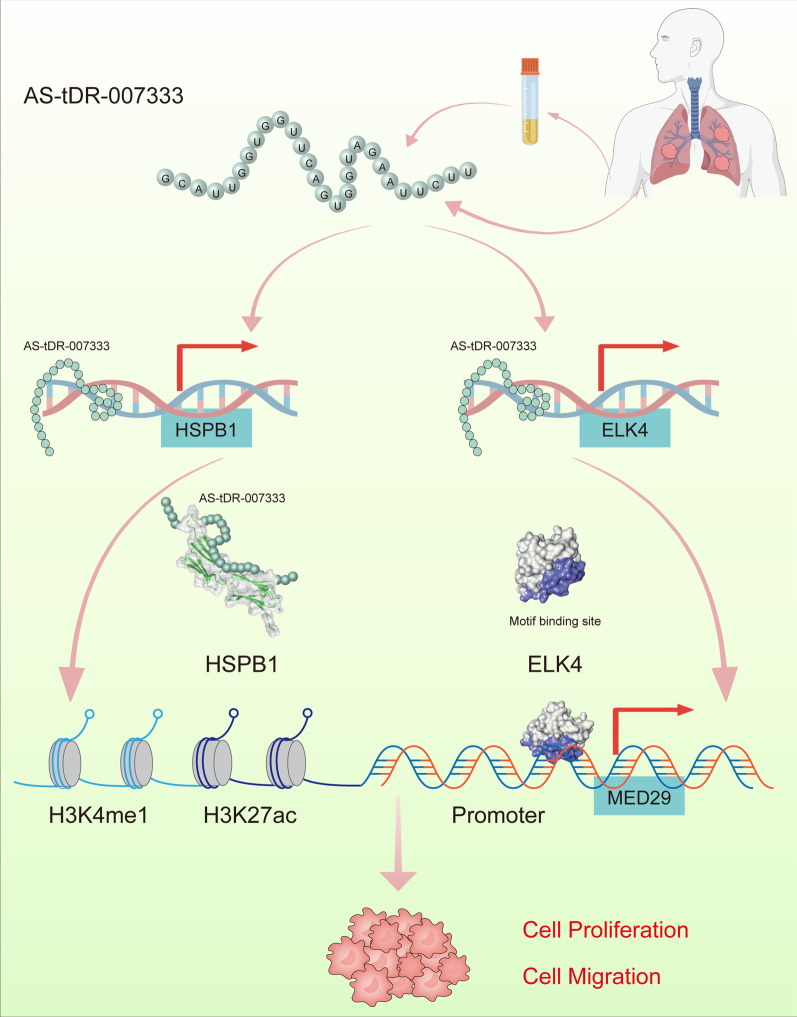
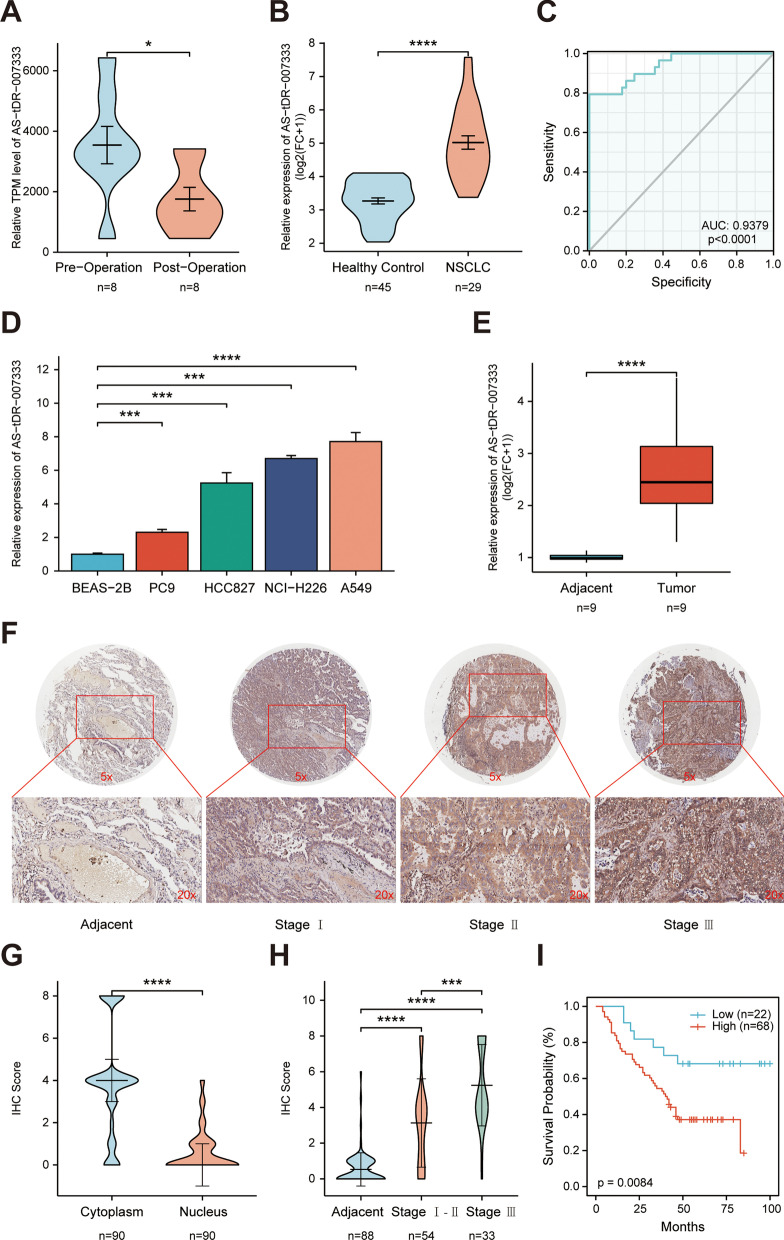
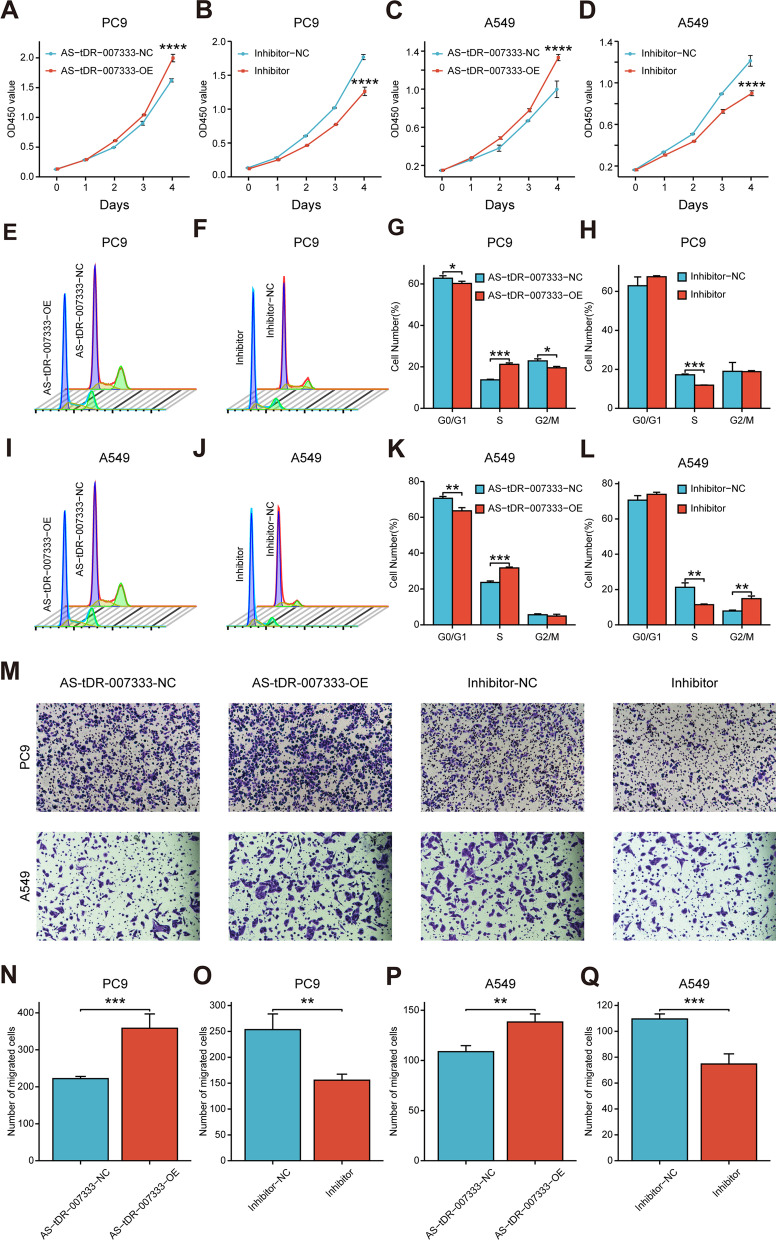
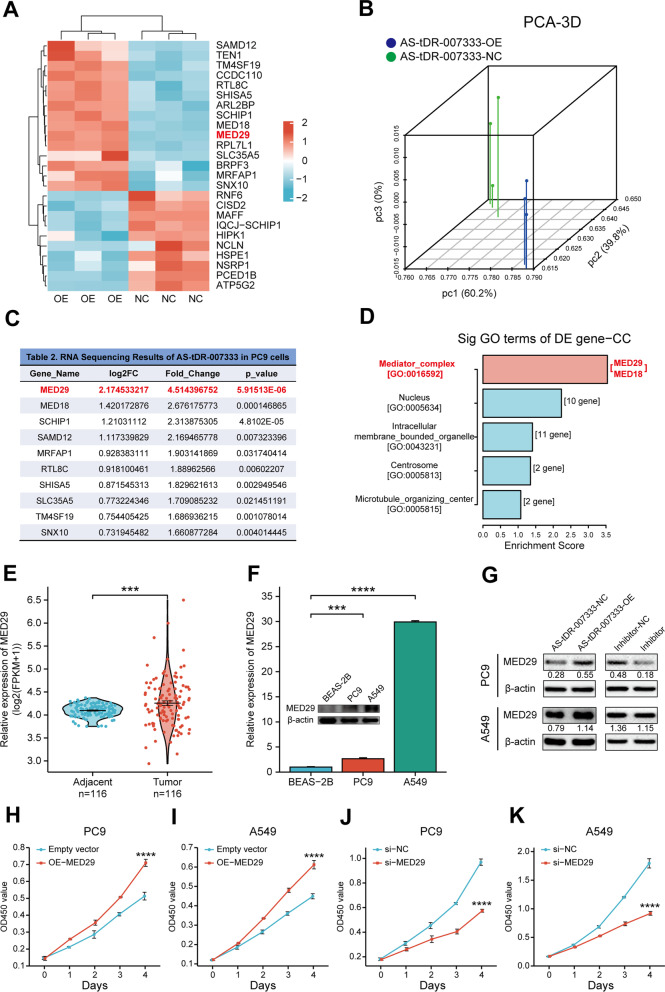
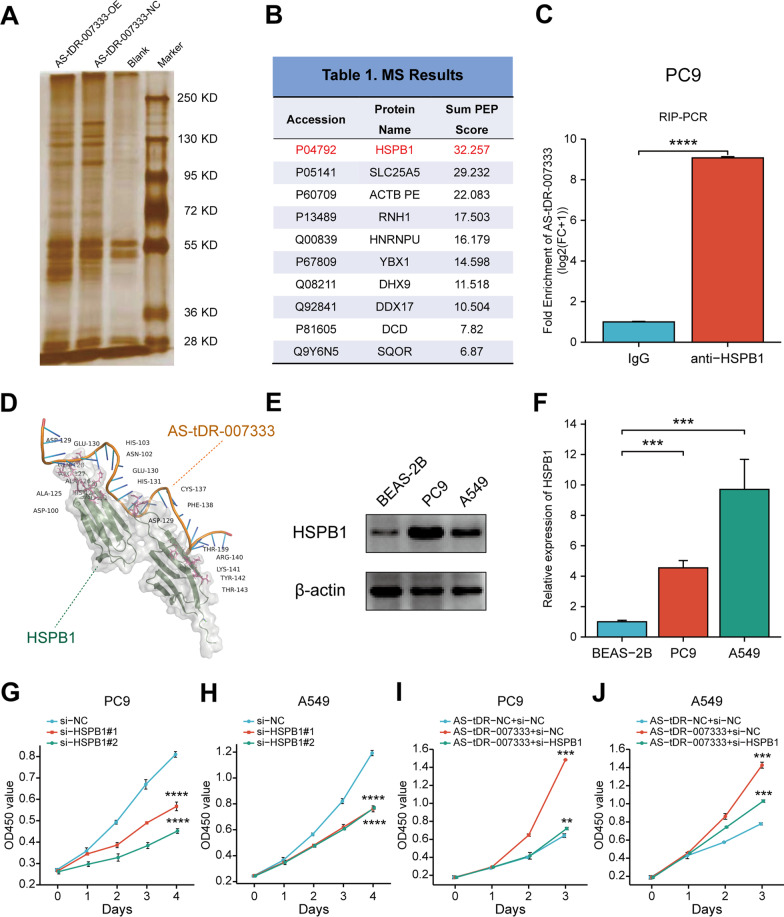
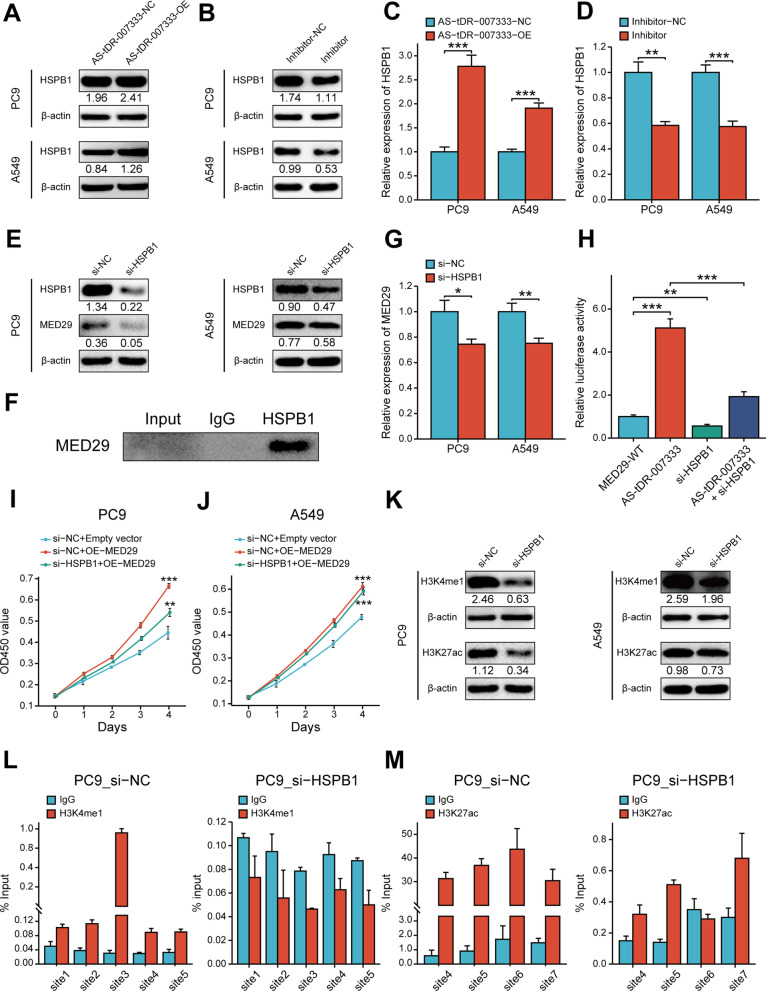
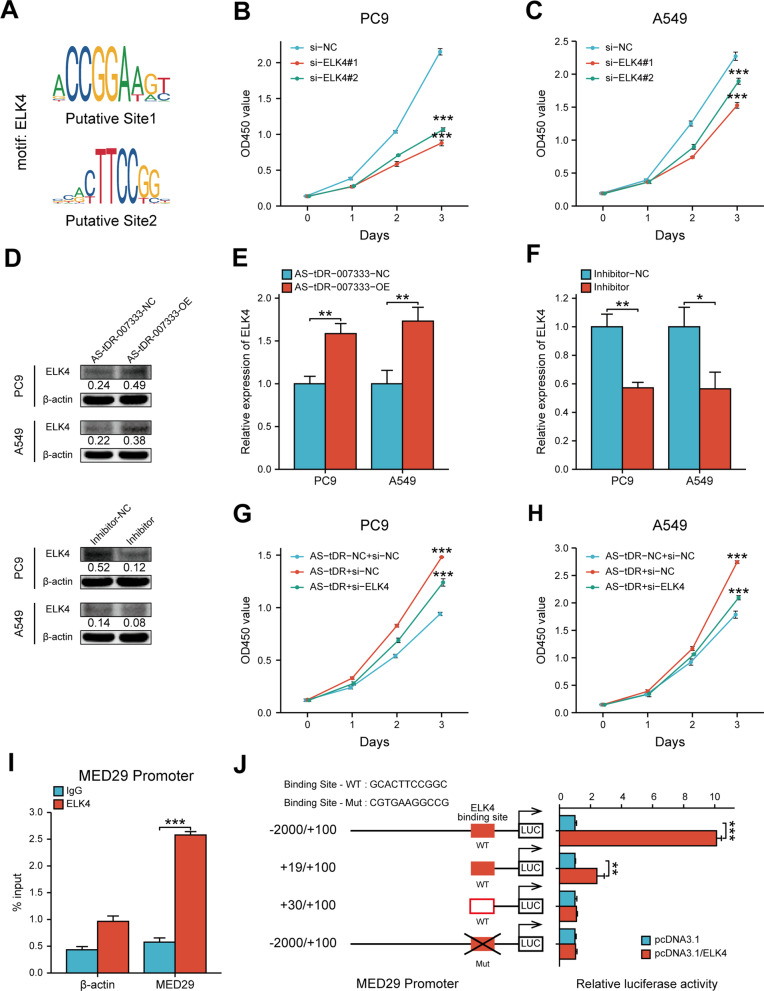
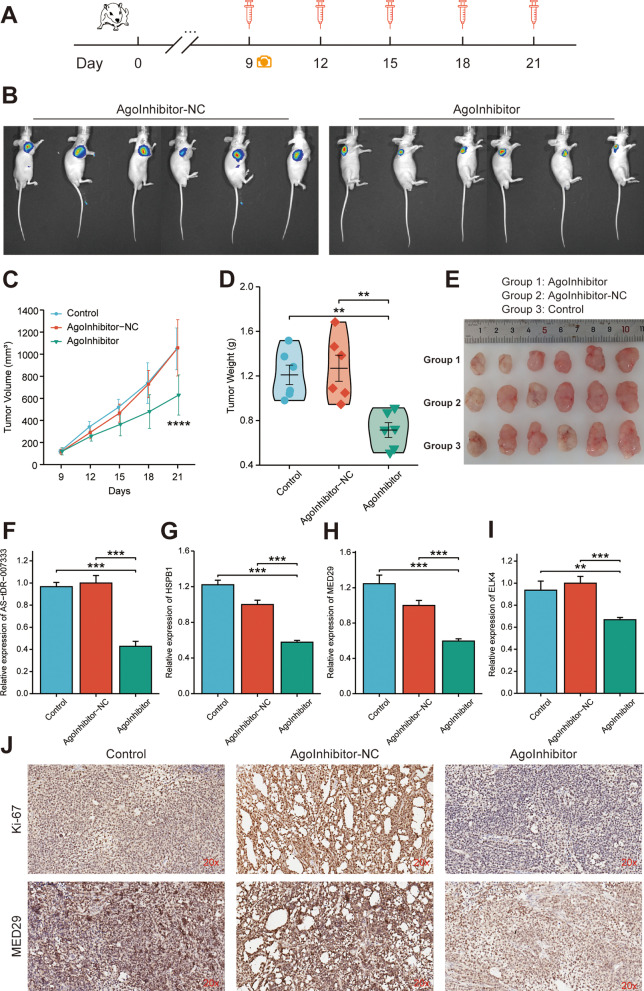
AS-tDR-007333 was an uncharacterized tRF and significantly up-regulated in NSCLC tissues, plasma, and cells. Clinically, AS-tDR-007333 overexpression could distinguish NSCLC patients from healthy controls and associated with poorer prognosis of NSCLC patients. Functionally, overexpression of AS-tDR-007333 enhanced proliferation and migration of NSCLC cells, whereas knockdown of AS-tDR-007333 resulted in opposite effects. Mechanistically, AS-tDR-007333 promoted the malignancy of NSCLC cells by activating MED29 through two distinct mechanisms. First, AS-tDR-007333 bound to and interacted with HSPB1, which activated MED29 expression by enhancing H3K4me1 and H3K27ac in MED29 promoter. Second, AS-tDR-007333 stimulated the expression of transcription factor ELK4, which bound to MED29 promoter and increased its transcription. Therapeutically, inhibition of AS-tDR-007333 suppressed NSCLC cell growth in vivo.
Our study identifies a new oncogenic tRF and uncovers a novel mechanism that AS-tDR-007333 promotes NSCLC malignancy through the HSPB1-MED29 and ELK4-MED29 axes. AS-tDR-007333 is a potential diagnostic or prognostic marker and therapeutic target for NSCLC.
转移 RNA 衍生片段(tRFs)是一类新的小非编码 RNA。最近的研究表明,tRFs 参与了一些病理过程。然而,tRFs 在非小细胞肺癌(NSCLC)中的生物学功能和机制在很大程度上仍是未知的。
使用 9 对 NSCLC 患者术前和术后的血浆进行 tRF 和 tiRNA 测序,鉴定差异表达的 tRF。采用定量实时 PCR(qRT-PCR)和荧光原位杂交(FISH)检测组织、血浆和细胞中 tRF 的水平。进行 gain- 和 loss-of-function 实验,以研究 tRF 在 NSCLC 细胞体外和体内的致癌作用。进行染色质免疫沉淀(ChIP)、荧光素酶报告基因、RNA 下拉、质谱、RNA 免疫沉淀(RIP)、Western blot、免疫共沉淀(Co-IP)实验和挽救实验,以探索 tRF 在 NSCLC 中的调控机制。
AS-tDR-007333 是一种未被表征的 tRF,在 NSCLC 组织、血浆和细胞中显著上调。临床研究表明,AS-tDR-007333 的高表达可将 NSCLC 患者与健康对照者区分开来,并且与 NSCLC 患者的预后不良相关。功能上,AS-tDR-007333 可增强 NSCLC 细胞的增殖和迁移,而 AS-tDR-007333 的敲低则产生相反的效果。机制上,AS-tDR-007333 通过两种不同的机制促进 NSCLC 细胞的恶性转化。首先,AS-tDR-007333 与 HSPB1 结合并相互作用,通过增强 MED29 启动子中的 H3K4me1 和 H3K27ac 激活 MED29 的表达。其次,AS-tDR-007333 刺激转录因子 ELK4 的表达,ELK4 结合 MED29 启动子并增加其转录。治疗上,抑制 AS-tDR-007333 可抑制 NSCLC 细胞在体内的生长。
本研究鉴定了一种新的致癌 tRF,并揭示了 AS-tDR-007333 通过 HSPB1-MED29 和 ELK4-MED29 轴促进 NSCLC 恶性转化的新机制。AS-tDR-007333 是 NSCLC 的潜在诊断或预后标志物和治疗靶点。