Lv Zhi-Ying, Shi Yang-Lin, Bassi Gabriel Shimizu, Chen Yan-Jiao, Yin Lei-Miao, Wang Yu, Ulloa Luis, Yang Yong-Qing, Xu Yu-Dong
Shanghai Research Institute of Acupuncture and Meridian, Yueyang Hospital of Integrated Traditional Chinese and Western Medicine Affiliated to Shanghai University of Traditional Chinese Medicine, Shanghai, People's Republic of China.
Department of Anesthesiology, Duke University, Durham, NC, USA.
J Inflamm Res. 2022 May 3;15:2819-2833. doi: 10.2147/JIR.S361466. eCollection 2022.
Sepsis is the main cause of death in intensive care unit. Maladaptive cytokine storm and T-cell lymphopenia are critical prognosis predictors of sepsis. Electroacupuncture (EA) is expected to be an effective intervention to prevent sepsis. This study aims to determine the potential of EA at ST36 () to prevent experimental septic mice.
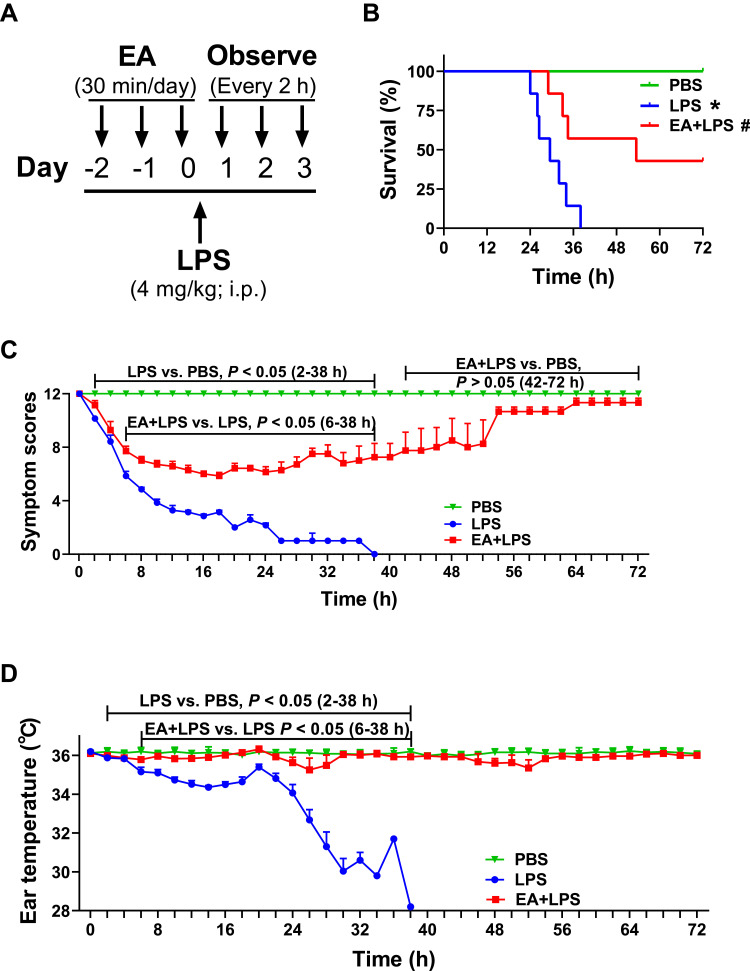
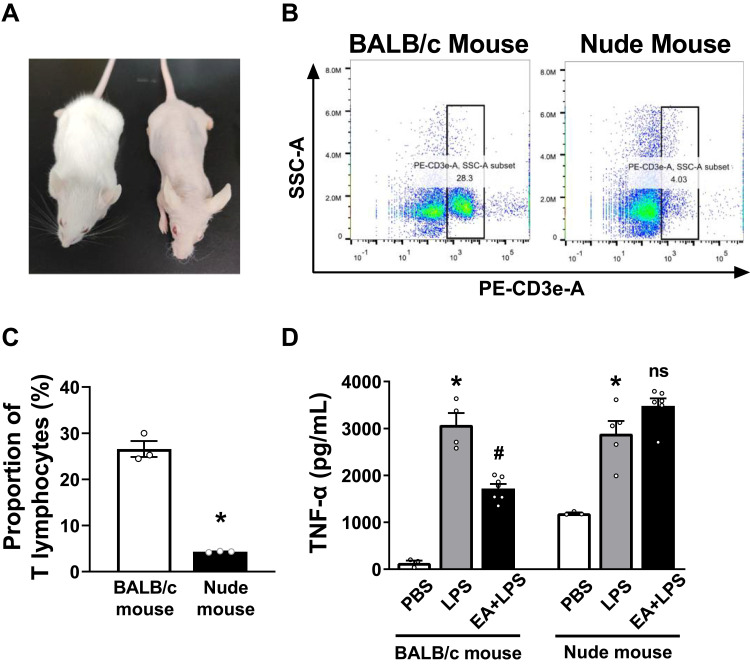
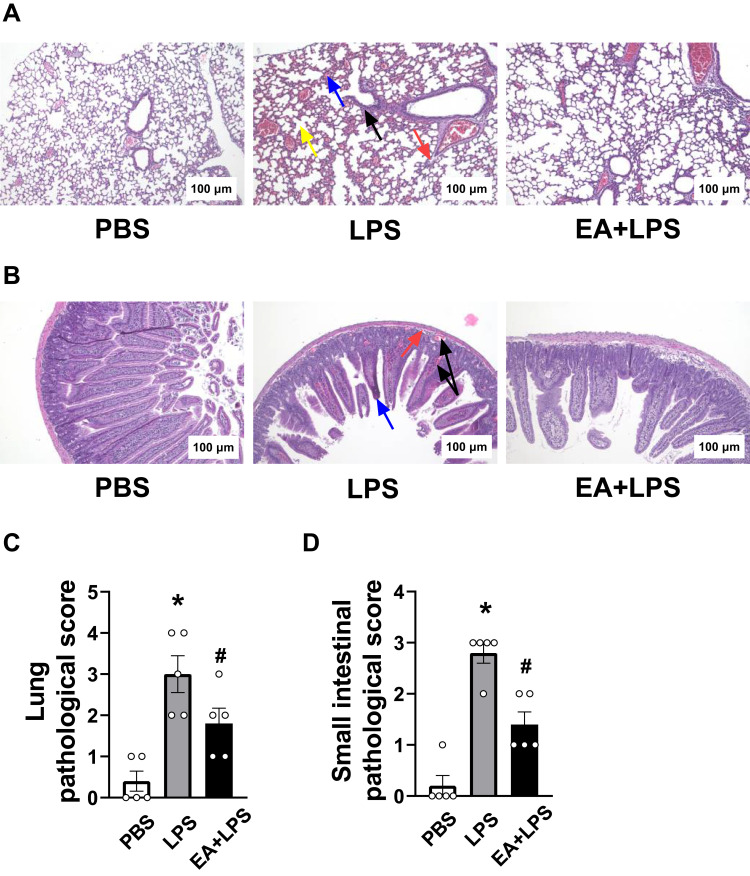
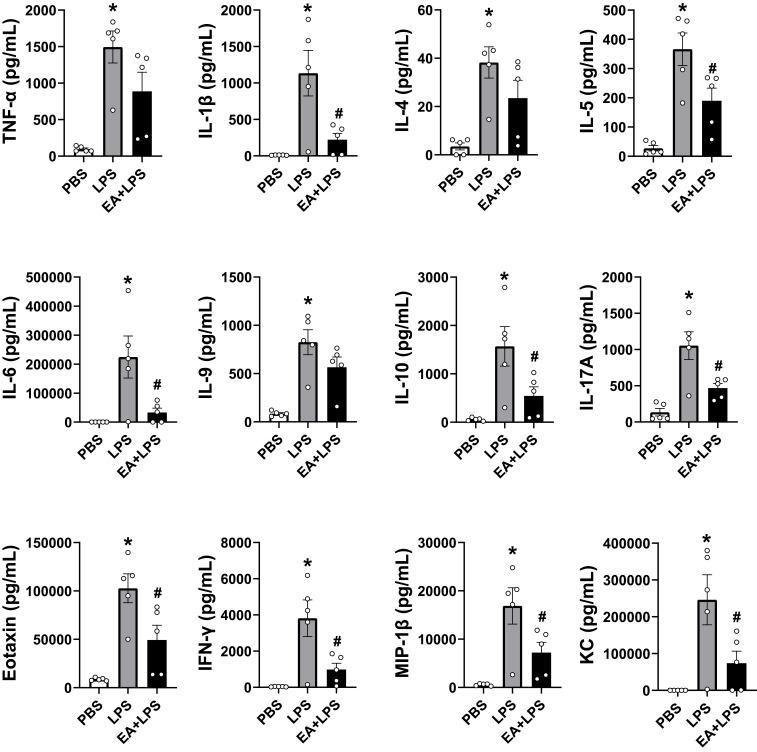
Mice were randomly assigned into PBS, LPS, or EA+LPS group. EA (0.1 mA, continuous wave, 10 Hz) was performed stimulating the ST36 for 30 min, once a day for 3 days. After the third day, all mice were challenged with PBS or LPS (4 mg/kg) simultaneously. Mice were evaluated for survival, ear temperature, and other clinical symptoms. Lung and small intestine tissue injuries were analyzed by hematoxylin and eosin staining. Bio-Plex cytokine assay was used to analyze the concentration of cytokines. T lymphocytes were analyzed by flow cytometry and Western blot assays. The role of T cells in preventing sepsis by EA was analyzed by using nude mice lacking T lymphocytes.
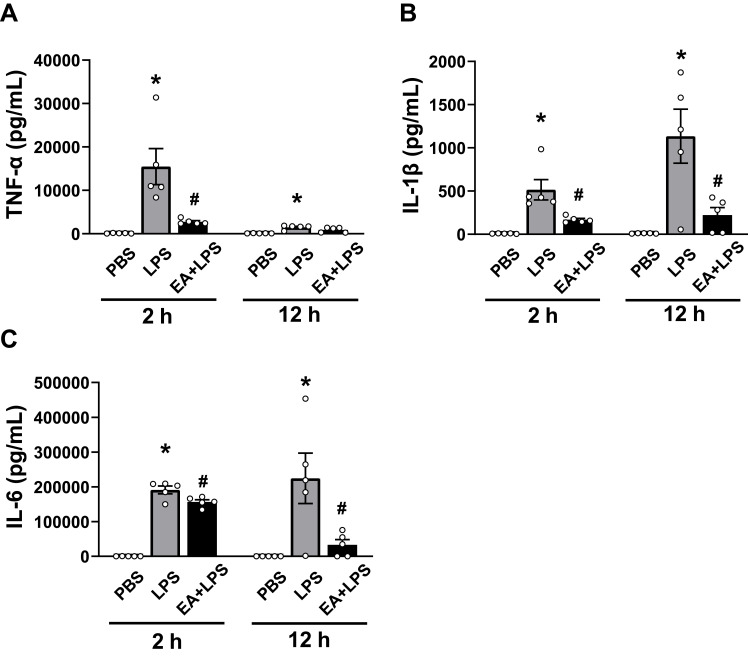
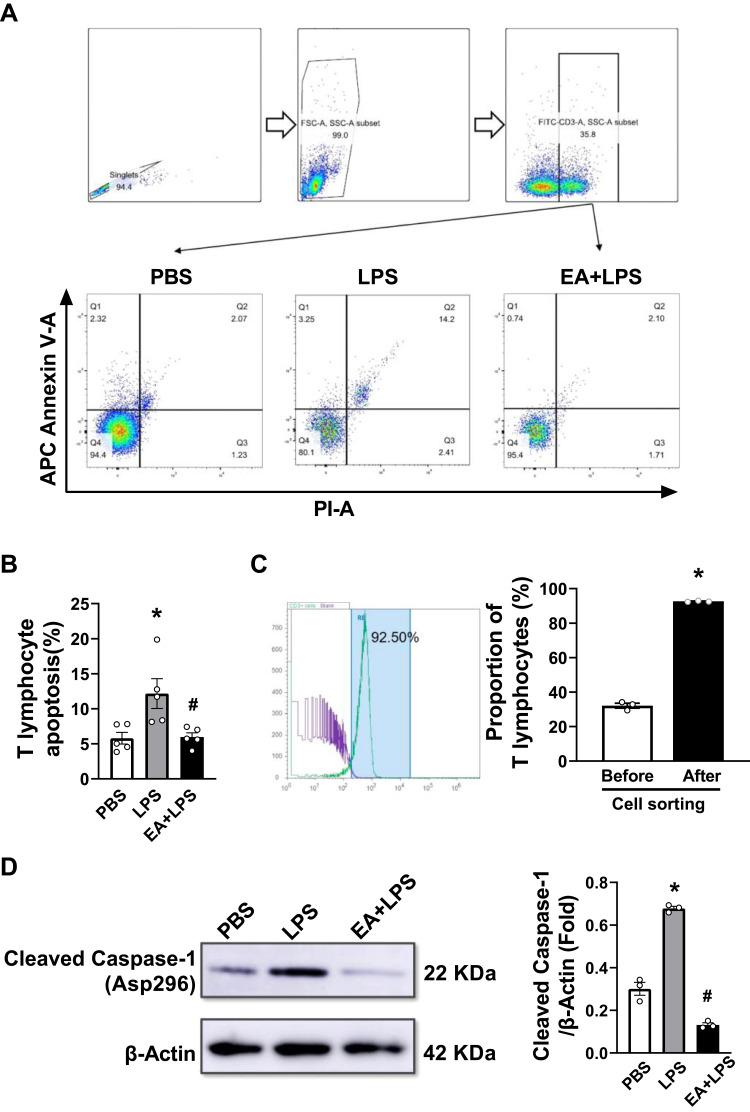
EA at ST36 improved survival, symptom scores, and ear temperature of endotoxemic mice. EA also improved dramatically pulmonary and intestinal injury by over 50% as compared to untreated mice. EA blunted the inflammatory cytokine storm by inducing a lasting inhibition of the production of major inflammatory factors (TNF-α, IL-1β, IL-5, IL-6, IL-10, IL-17A, eotaxin, IFN-γ, MIP-1β and KC). Flow cytometry and Western blot analyses showed EA significantly reduced T-lymphocyte apoptosis and pyroptosis. Furthermore, T lymphocytes were critical for the effects of EA at ST36 stimulation blunted serum TNF-α levels in wild-type but not in nude mice.
EA halted systemic inflammation and improved survival in endotoxemic mice. These effects are associated with the protective effect of EA on T lymphocytes, and T cells are required in the anti-inflammatory effects of EA in sepsis.
脓毒症是重症监护病房患者死亡的主要原因。适应性细胞因子风暴和T细胞淋巴细胞减少是脓毒症关键的预后预测指标。电针有望成为预防脓毒症的有效干预措施。本研究旨在确定针刺足三里穴预防实验性脓毒症小鼠的潜力。
将小鼠随机分为PBS组、LPS组或电针+LPS组。电针(0.1 mA,连续波,10 Hz)刺激足三里穴30分钟,每天1次,共3天。第三天后,所有小鼠同时接受PBS或LPS(4 mg/kg)攻击。评估小鼠的存活率、耳部温度和其他临床症状。通过苏木精-伊红染色分析肺和小肠组织损伤情况。采用生物芯片细胞因子检测法分析细胞因子浓度。通过流式细胞术和蛋白质免疫印迹法分析T淋巴细胞。利用缺乏T淋巴细胞的裸鼠分析T细胞在电针预防脓毒症中的作用。
针刺足三里穴可提高内毒素血症小鼠的存活率、症状评分和耳部温度,并与未治疗小鼠相比显著减轻了超过50%的肺和肠道损伤。电针通过持续抑制主要炎症因子(TNF-α、IL-1β、IL-5、IL-6、IL-10、IL-17A、嗜酸性粒细胞趋化因子、IFN-γ、MIP-1β和KC)的产生,减弱炎症细胞因子风暴。流式细胞术和蛋白质免疫印迹分析显示,电针显著减少T淋巴细胞凋亡和焦亡。此外,T淋巴细胞对电针刺激足三里穴的效应至关重要,野生型小鼠而非裸鼠的血清TNF-α水平因电针刺激而降低。
电针可抑制全身炎症反应,提高内毒素血症小鼠的存活率。这些作用与电针对T淋巴细胞的保护作用有关,且T细胞参与电针在脓毒症中的抗炎作用。