Oppenheimer Atherosclerosis Research Center, Department of Cardiology, Smidt Heart Institute, Cedars-Sinai Medical Center, Los Angeles, California, USA.
Department of Biomedical Engineering, University of Southern California, Los Angeles, California, USA.
JCI Insight. 2022 Jun 8;7(11):e149741. doi: 10.1172/jci.insight.149741.
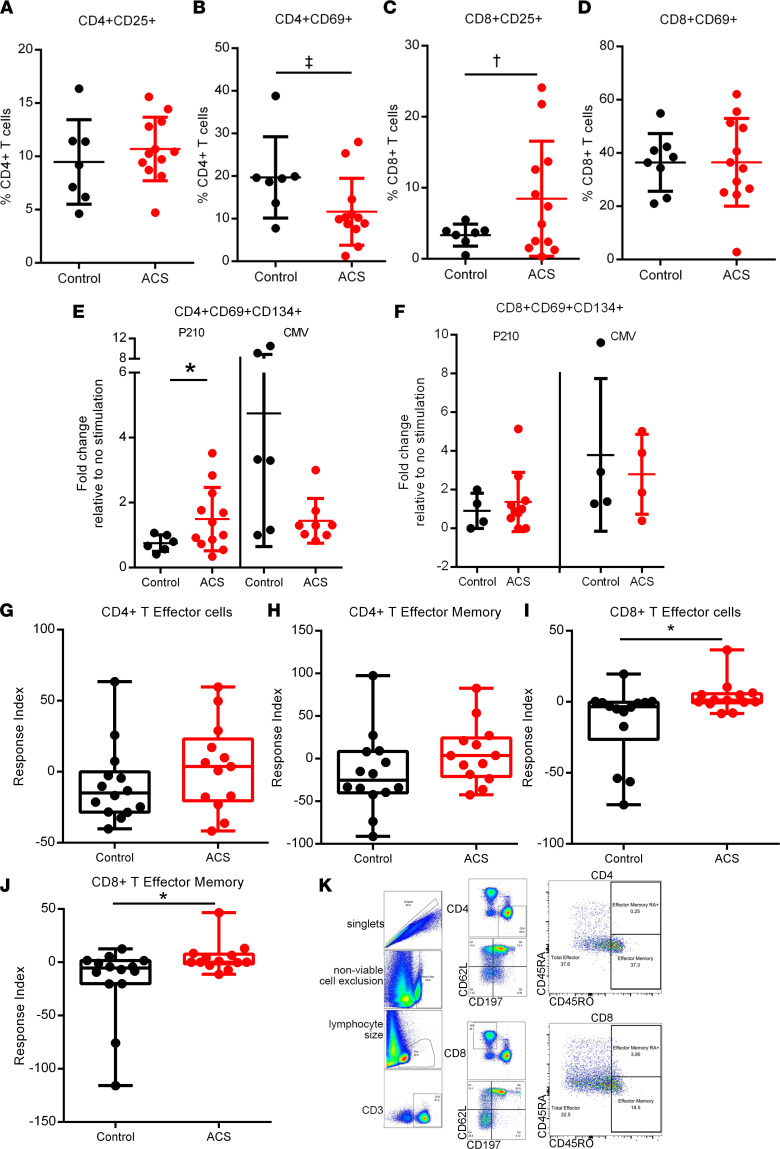
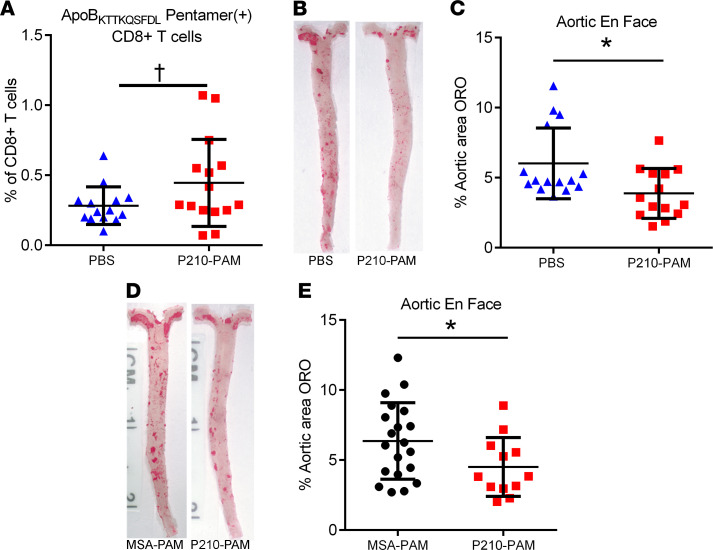
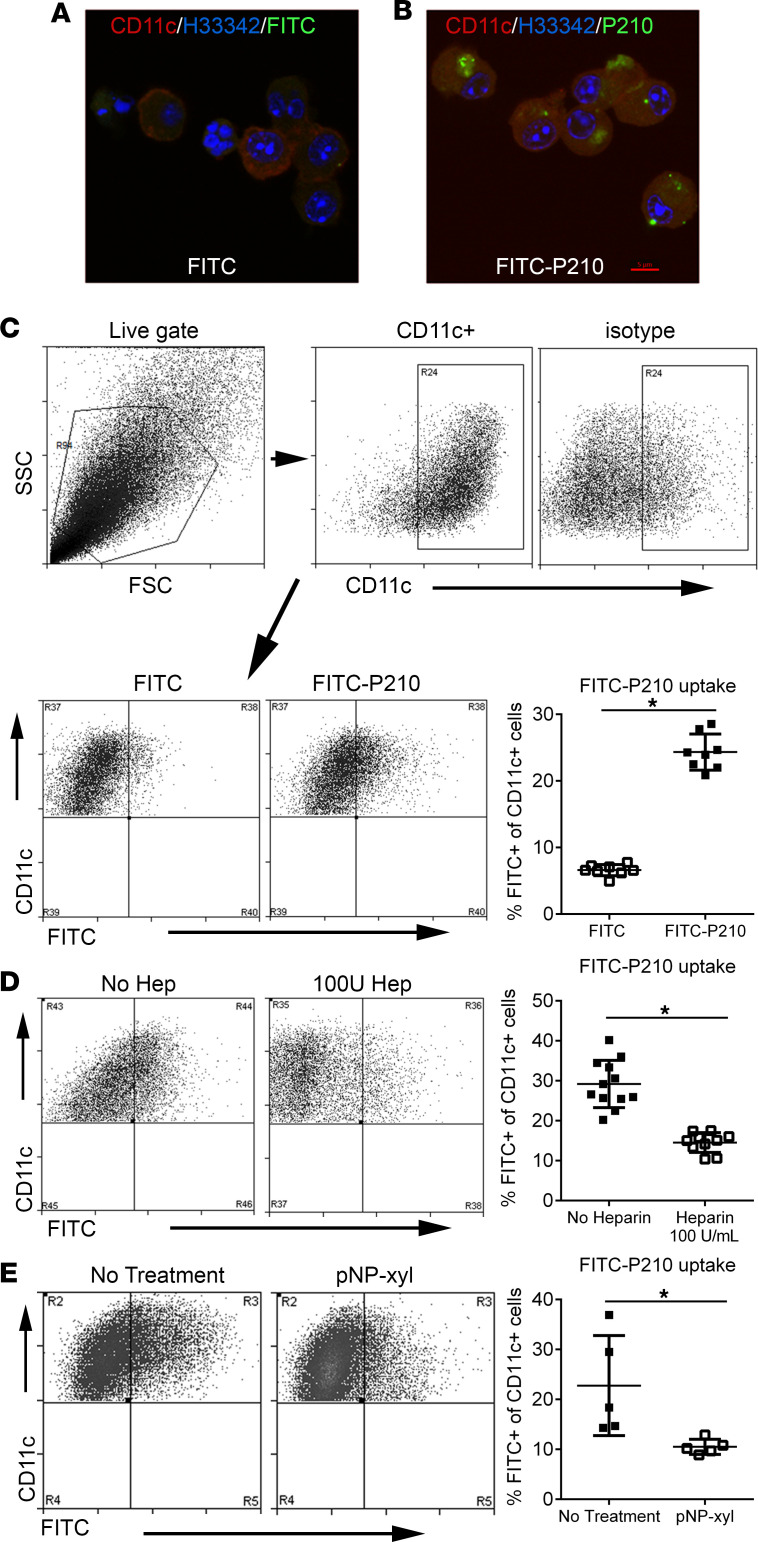
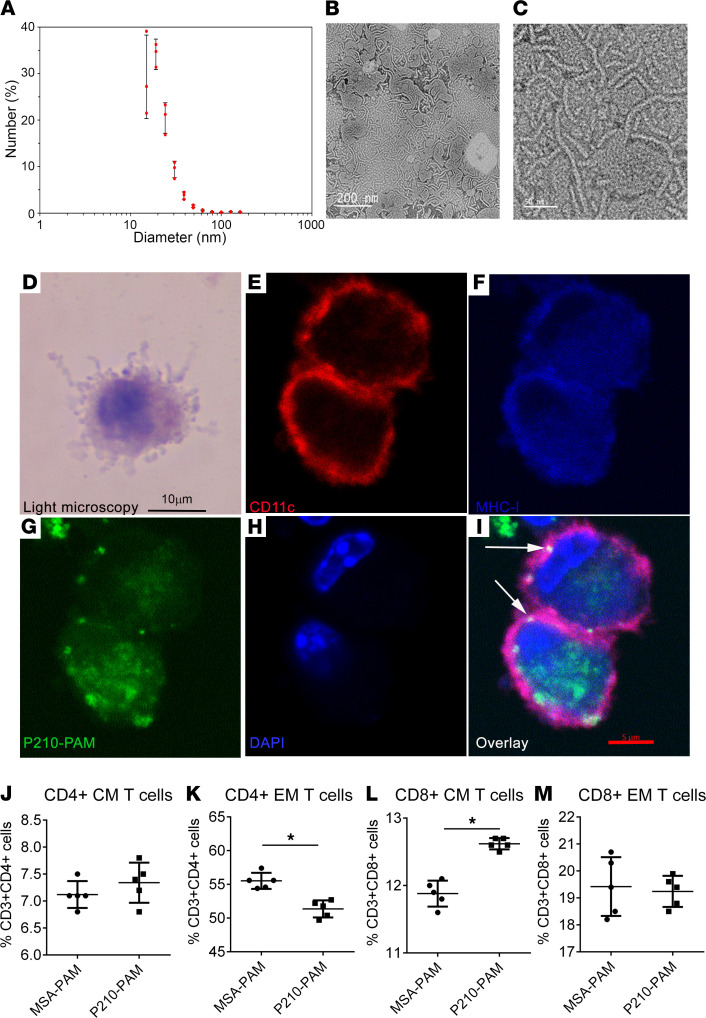
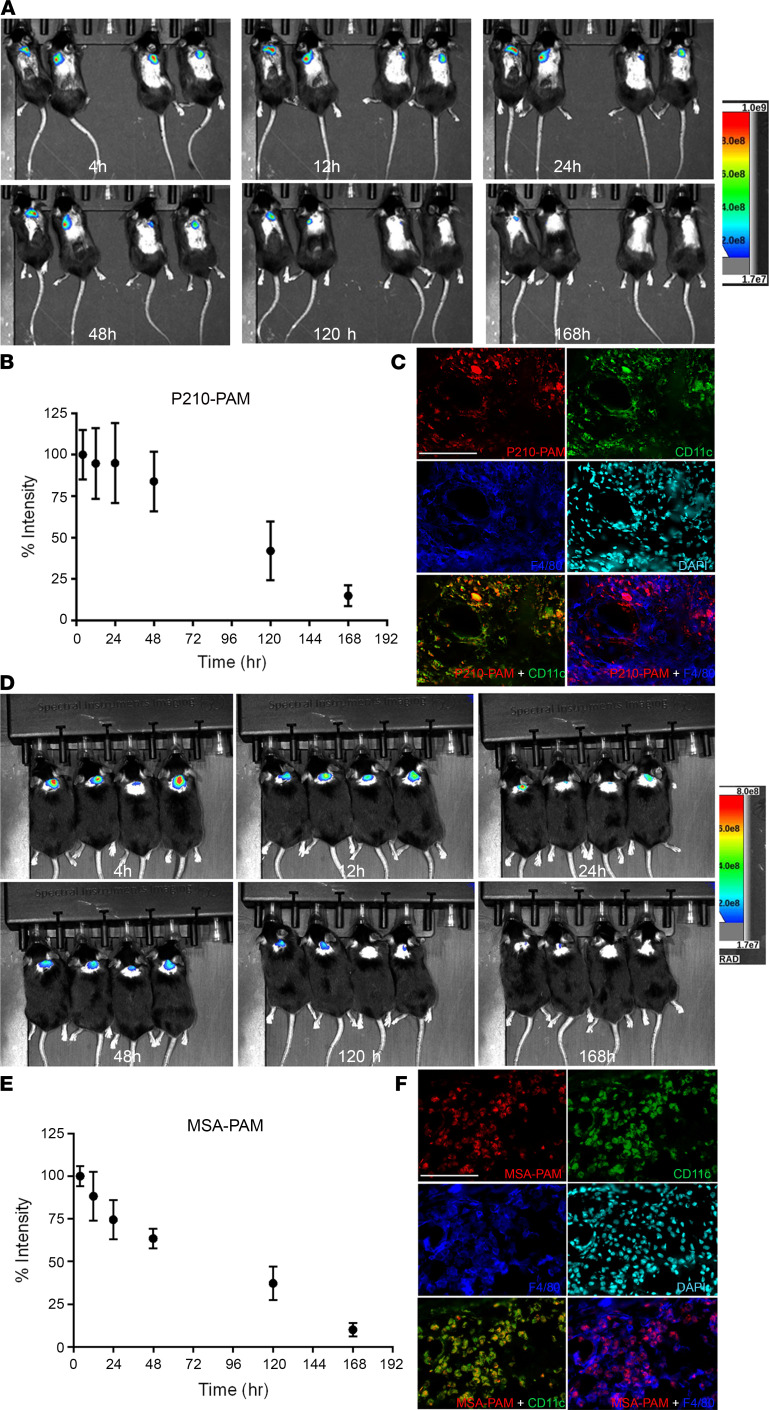
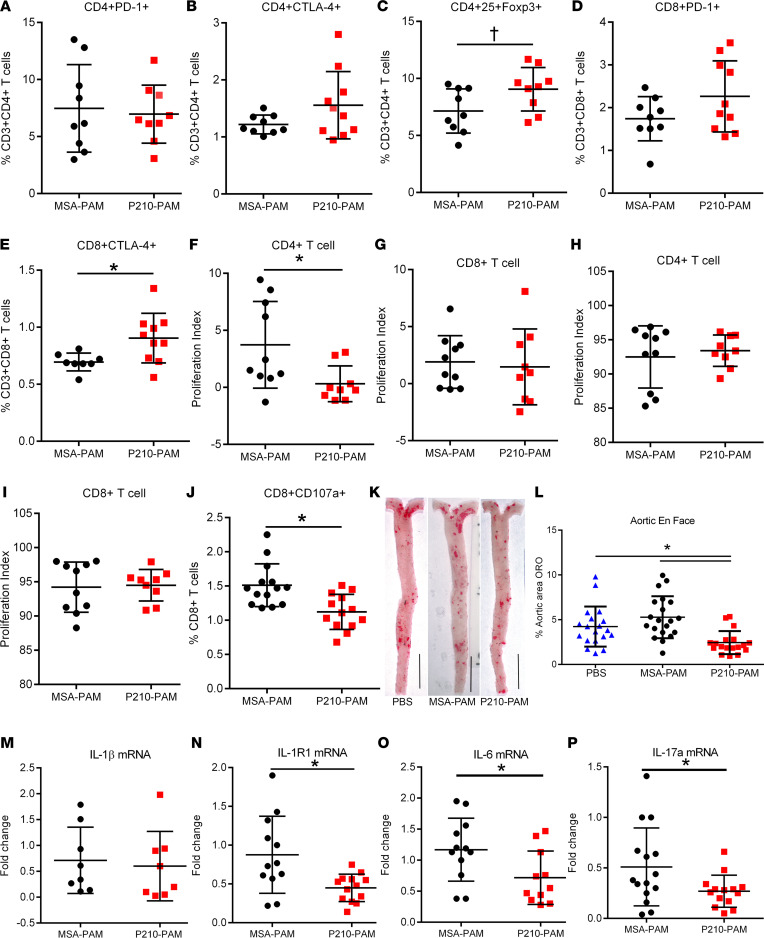
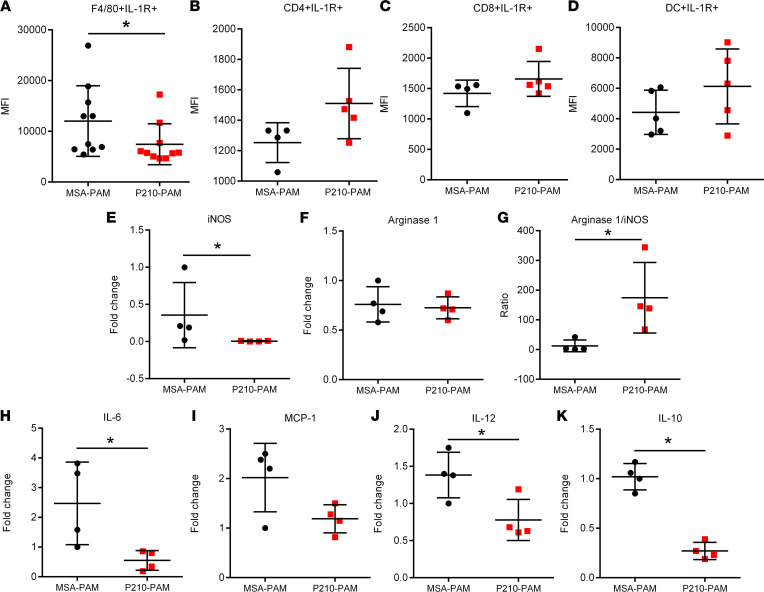
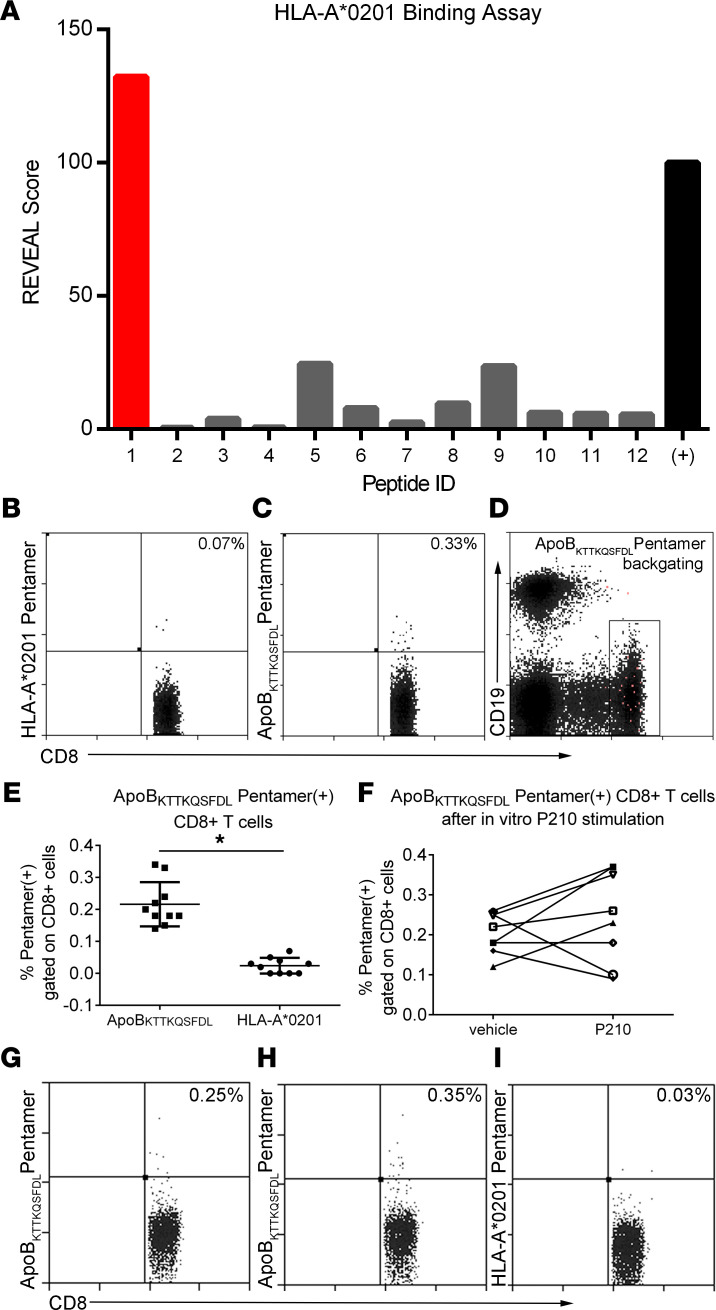
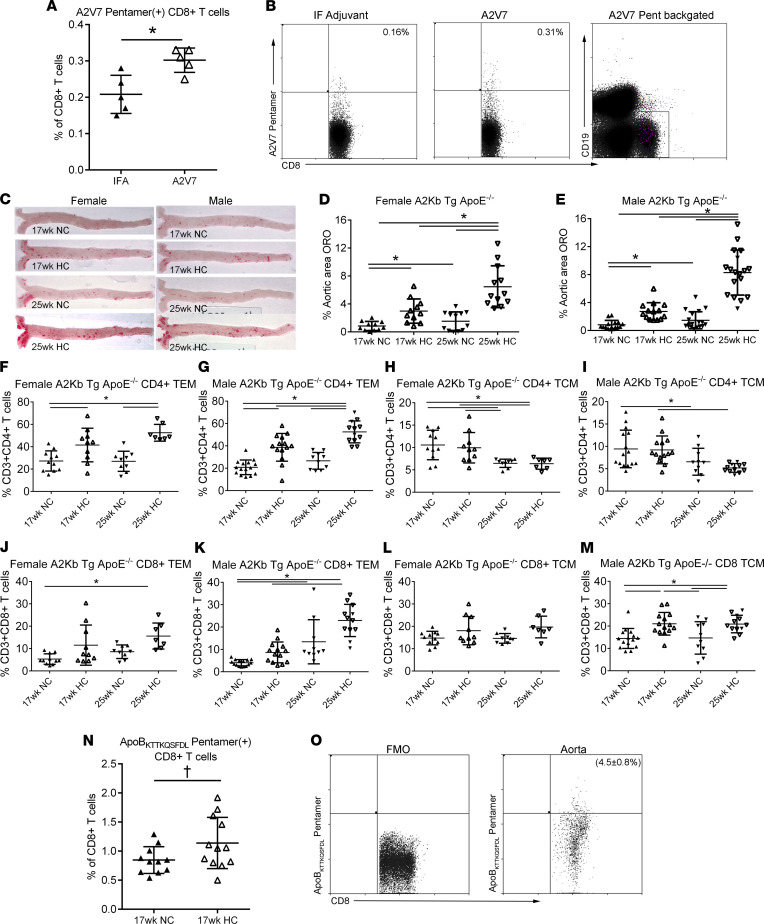
Active immunization with the apolipoprotein B-100 (ApoB-100) peptide P210 reduces experimental atherosclerosis. To advance this immunization strategy to future clinical testing, we explored the possibility of delivering P210 as an antigen using nanoparticles, given this approach has been used clinically. We first characterized the responses of T cells to P210 using PBMCs from patients with atherosclerotic cardiovascular disease (ASCVD). We then investigated the use of P210 in self-assembling peptide amphiphile micelles (P210-PAMs) as a vaccine formulation to reduce atherosclerosis in B6.129P2-Apoetm1Unc/J (ApoE-/-) mice and P210's potential mechanisms of action. We also generated and characterized a humanized mouse model with chimeric HLA-A*02:01/Kb in ApoE-/- background to test the efficacy of P210-PAM immunization as a bridge to future clinical testing. P210 provoked T cell activation and memory response in PBMCs of patients with ASCVD. Dendritic cell uptake of P210-PAM and its costaining with MHC-I molecules supported its use as a vaccine formulation. In ApoE-/- mice, immunization with P210-PAMs dampened P210-specific CD4+ T cell proliferative response and CD8+ T cell cytolytic response, modulated macrophage phenotype, and significantly reduced aortic atherosclerosis. Potential clinical relevance of P210-PAM immunization was demonstrated by reduced atherosclerosis in the humanized ApoE-/- mouse model. Our data support experimental and translational use of P210-PAM as a potential vaccine candidate against human ASCVD.
用载脂蛋白 B-100(ApoB-100)肽 P210 进行主动免疫可减少实验性动脉粥样硬化。为了将这种免疫策略推进到未来的临床测试中,我们探索了使用纳米颗粒递送 P210 作为抗原的可能性,因为这种方法已经在临床上使用过。我们首先使用患有动脉粥样硬化性心血管疾病(ASCVD)的患者的 PBMC 来表征 T 细胞对 P210 的反应。然后,我们研究了使用 P210 在自组装肽两亲性胶束(P210-PAMs)中的用途作为一种疫苗制剂,以减少 B6.129P2-Apoetm1Unc/J(ApoE-/-)小鼠的动脉粥样硬化和 P210 的潜在作用机制。我们还生成并表征了具有嵌合 HLA-A*02:01/Kb 的人源化小鼠模型,以测试 P210-PAM 免疫作为未来临床测试桥梁的功效。P210 在 ASCVD 患者的 PBMC 中引发了 T 细胞的激活和记忆反应。树突状细胞摄取 P210-PAM 及其与 MHC-I 分子的共染色支持其作为疫苗制剂的使用。在 ApoE-/-小鼠中,用 P210-PAMs 免疫可抑制 P210 特异性 CD4+T 细胞增殖反应和 CD8+T 细胞细胞毒性反应,调节巨噬细胞表型,并显著减少主动脉粥样硬化。在人源化 ApoE-/-小鼠模型中,动脉粥样硬化减少证明了 P210-PAM 免疫的潜在临床相关性。我们的数据支持 P210-PAM 的实验和转化用途,作为针对人类 ASCVD 的潜在疫苗候选物。