Gómez-Morales Jaime, Verdugo-Escamilla Cristóbal, Fernández-Penas Raquel, Parra-Milla Carmen María, Drouet Christophe, Maube-Bosc Françoise, Oltolina Francesca, Prat Maria, Fernández-Sánchez Jorge Fernando
Laboratorio de Estudios Cristalográficos, IACT (CSIC-UGR) Avda. Las Palmeras, No. 4. E-18100 Armilla Granada Spain
CIRIMAT, Université de Toulouse, UMR CNRS/INPT/UPS 5085, Ensiacet 4 Allée Emile Monso 31030 Toulouse Cedex 4 France.
RSC Adv. 2018 Jan 10;8(5):2385-2397. doi: 10.1039/c7ra12536d. eCollection 2018 Jan 9.
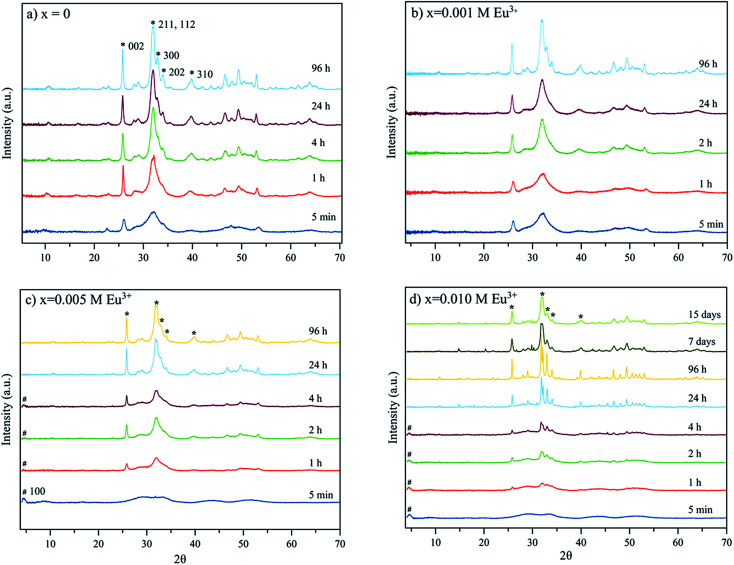
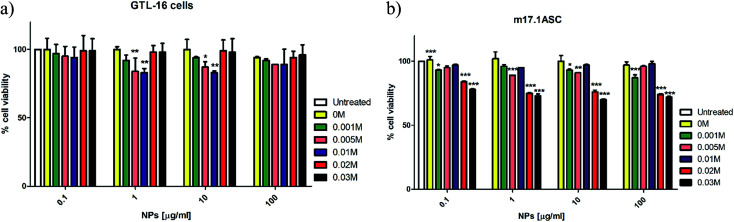
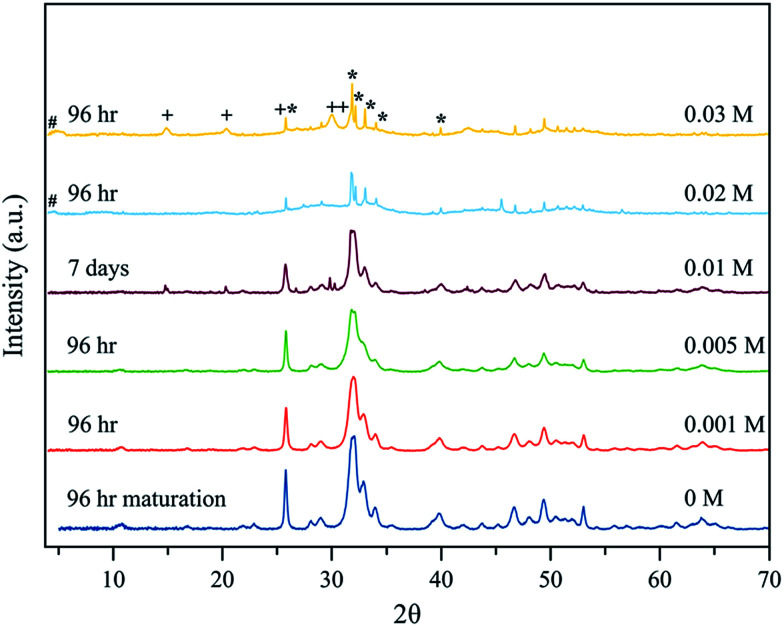
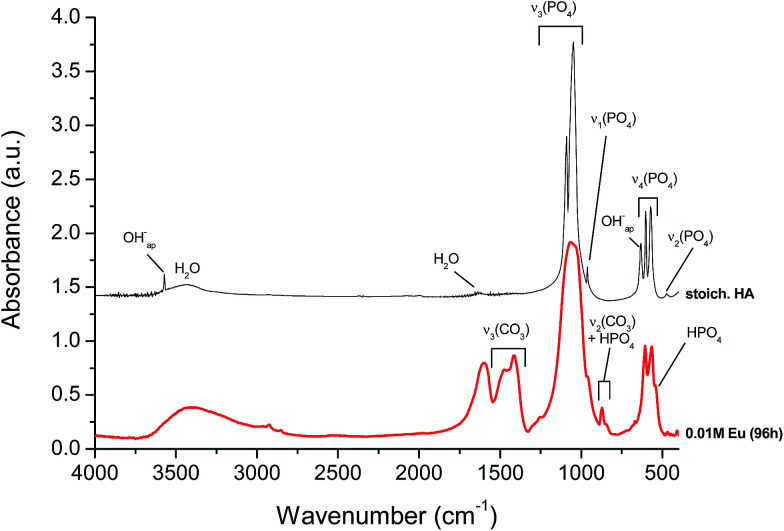
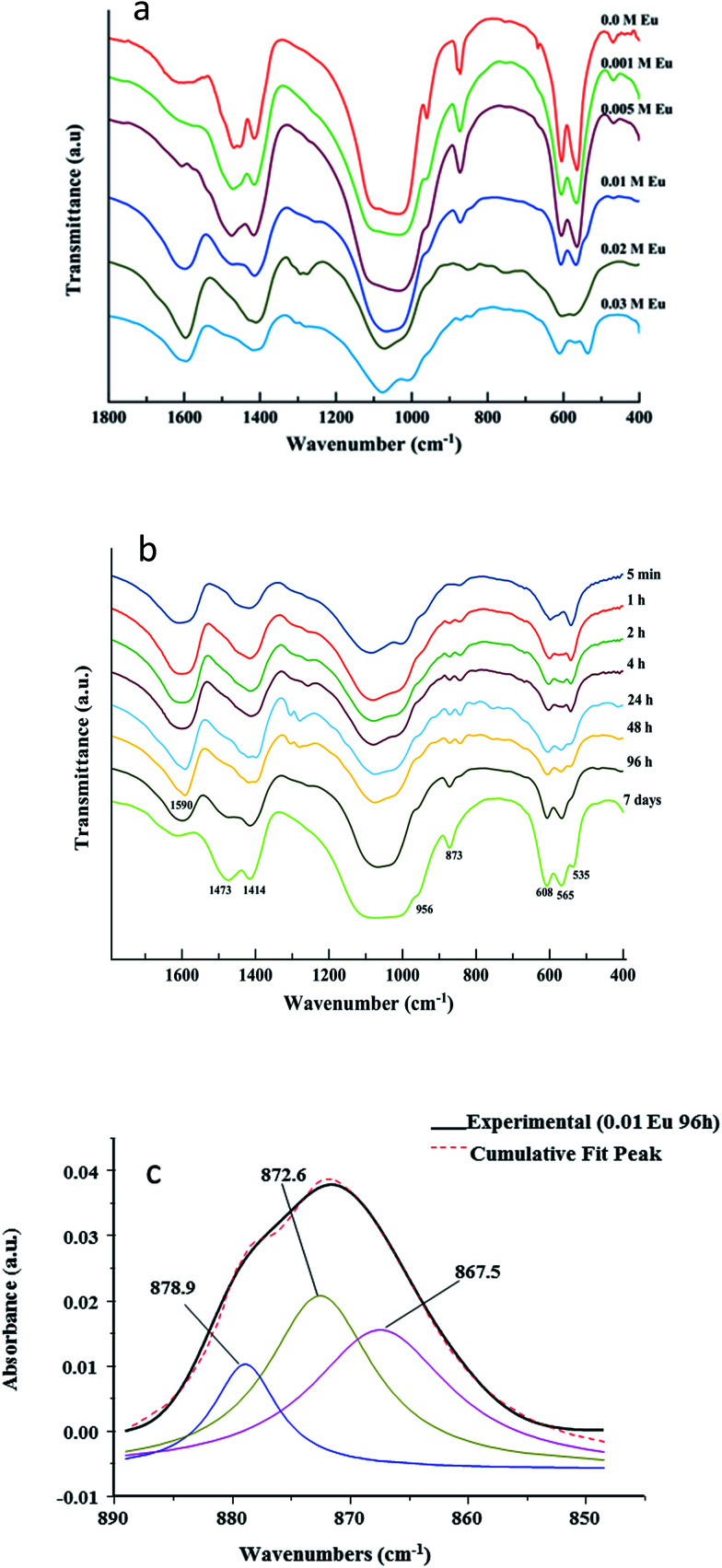
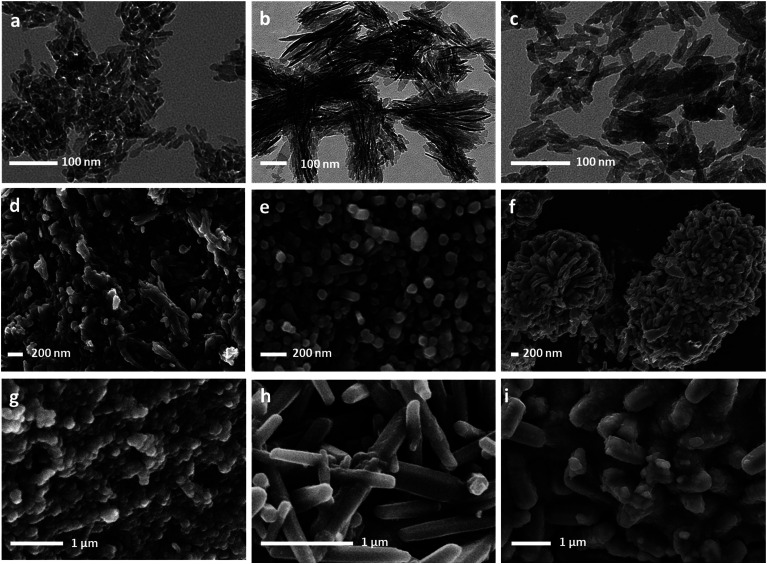
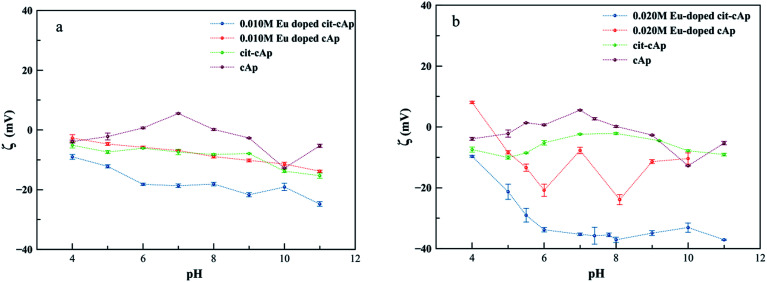
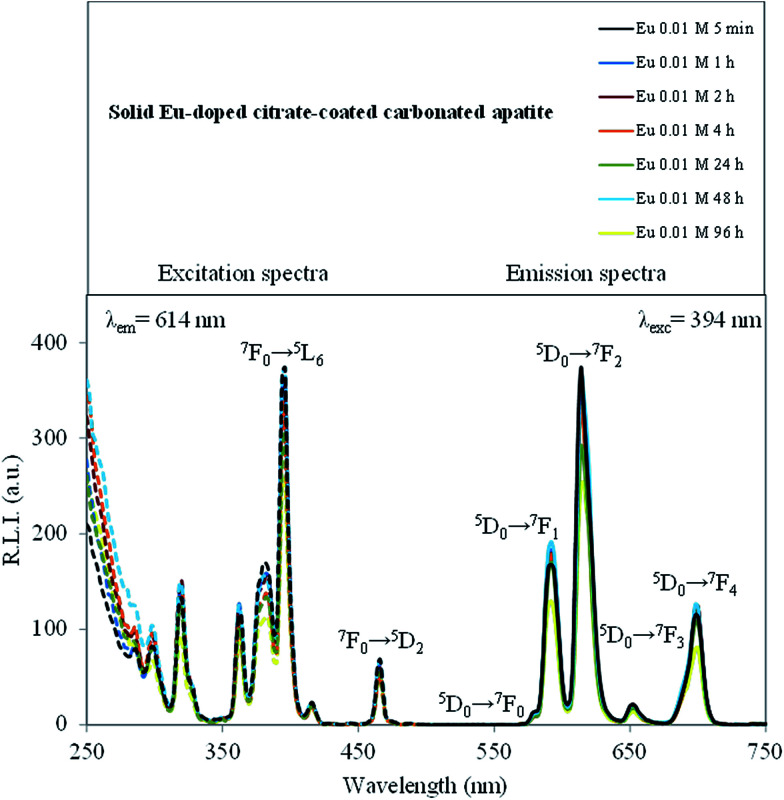
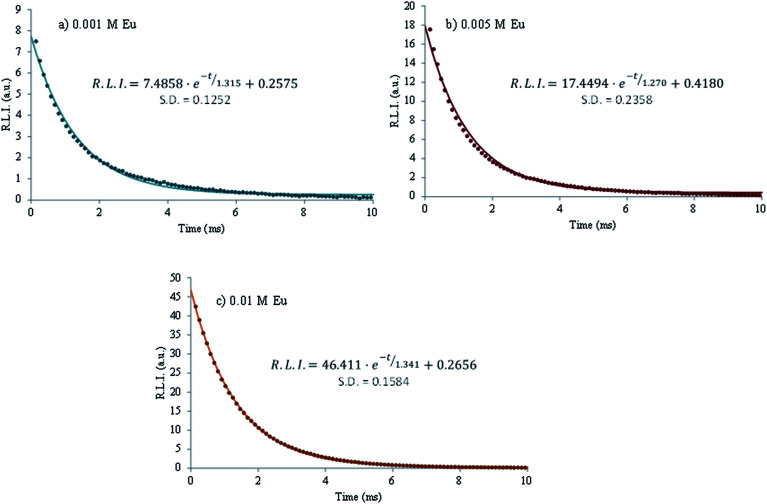
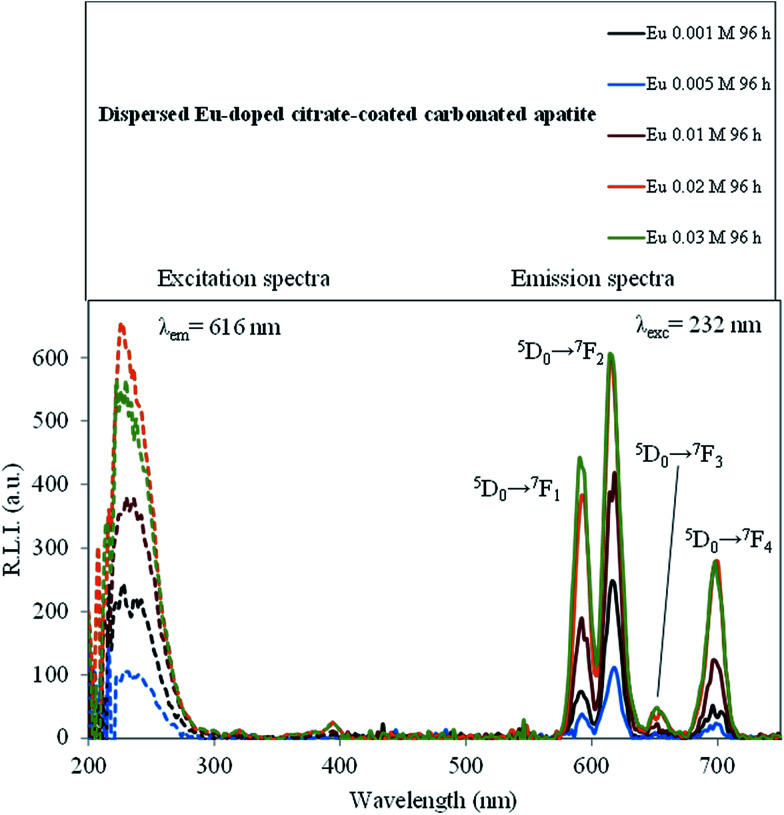
Nanomedicine covers the application of nanotechnologies in medicine. Of particular interest is the setup of highly-cytocompatible nanoparticles for use as drug carriers and/or for medical imaging. In this context, luminescent nanoparticles are appealing nanodevices with great potential for imaging of tumor or other targetable cells, and several strategies are under investigation. Biomimetic apatite nanoparticles represent candidates of choice in nanomedicine due to their high intrinsic biocompatibility and to the highly accommodative properties of the apatite structure, allowing many ionic substitutions. In this work, the preparation of biomimetic (bone-like) citrate-coated carbonated apatite nanoparticles doped with europium ions is explored using the citrate-based thermal decomplexing approach. The technique allows the preparation of the single apatitic phase with nanosized dimensions only at Eu doping concentrations ≤0.01 M at some timepoints. The presence of the citrate coating on the particle surface (as found in bone nanoapatites) and Eu substituting Ca is beneficial for the preparation of stable suspensions at physiological pH, as witnessed by the -potential pH characterizations. The sensitized luminescence features of the solid particles, as a function of the Eu doping concentrations and the maturation times, have been thoroughly investigated, while those of particles in suspensions have been investigated at different pHs, ionic strengths and temperatures. Their cytocompatibility is illustrated on two selected cell types, the GTL-16 human carcinoma cells and the m17.ASC murine mesenchymal stem cells. This contribution shows the potentiality of the thermal decomplexing method for the setup of luminescent biomimetic apatite nanoprobes with controlled features for use in bioimaging.
纳米医学涵盖了纳米技术在医学中的应用。特别令人感兴趣的是构建具有高度细胞相容性的纳米颗粒,用作药物载体和/或用于医学成像。在这种情况下,发光纳米颗粒是具有很大潜力用于肿瘤或其他可靶向细胞成像的有吸引力的纳米器件,并且有几种策略正在研究中。仿生磷灰石纳米颗粒由于其固有的高生物相容性以及磷灰石结构的高度适应性特性(允许许多离子取代),成为纳米医学中的首选候选物。在这项工作中,使用基于柠檬酸盐的热解络合方法探索了掺杂铕离子的仿生(骨样)柠檬酸盐包覆的碳酸化磷灰石纳米颗粒的制备。该技术仅在某些时间点的铕掺杂浓度≤0.01 M时才能制备出具有纳米尺寸的单一磷灰石相。颗粒表面存在柠檬酸盐涂层(如在骨纳米磷灰石中发现的)以及铕取代钙有利于在生理pH下制备稳定的悬浮液,这一点通过ζ电位 - pH表征得到了证实。已经深入研究了固体颗粒的敏化发光特性与铕掺杂浓度和成熟时间的关系,同时研究了悬浮液中颗粒在不同pH、离子强度和温度下的发光特性。在两种选定的细胞类型,即GTL - 16人癌细胞和m17.ASC小鼠间充质干细胞上展示了它们的细胞相容性。这项研究表明了热解络合方法在构建具有可控特性用于生物成像的发光仿生磷灰石纳米探针方面的潜力。