Department of Animal Science and Aquaculture, Faculty of Agriculture, Dalhousie University, Truro NS B2N 5E3, Canada.
Department of Animal Science, Faculty of Agricultural and Food Sciences, University of Manitoba, Winnipeg MB R3T 2N2, Canada.
Poult Sci. 2022 Jul;101(7):101861. doi: 10.1016/j.psj.2022.101861. Epub 2022 Mar 18.
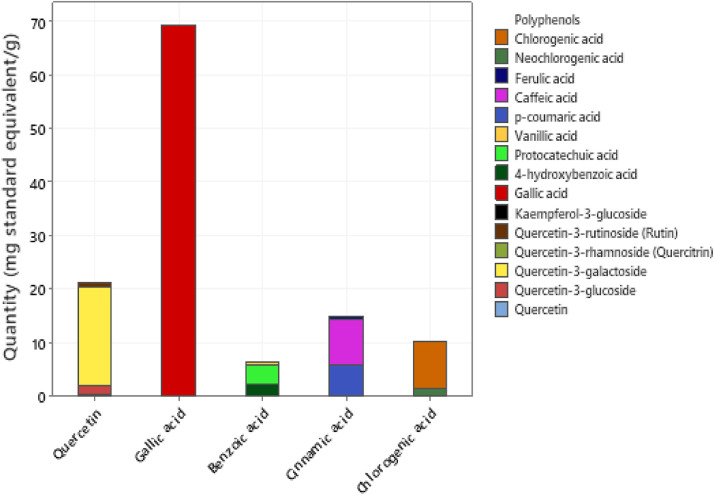
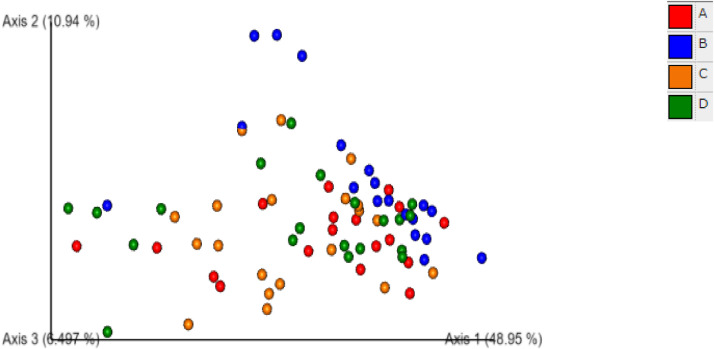
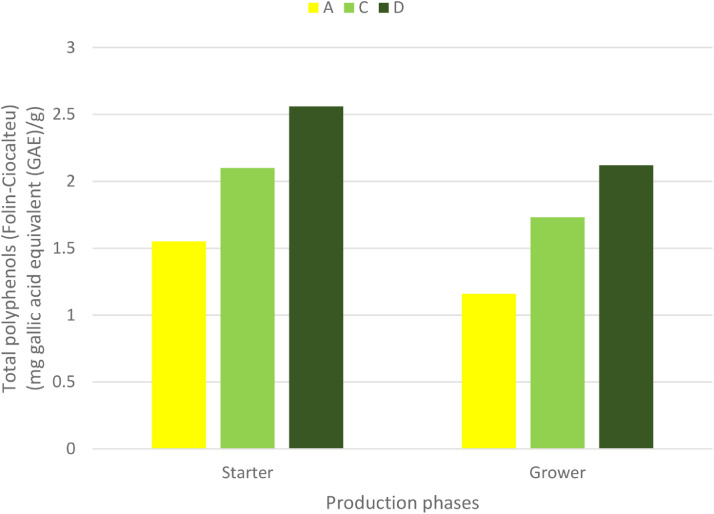
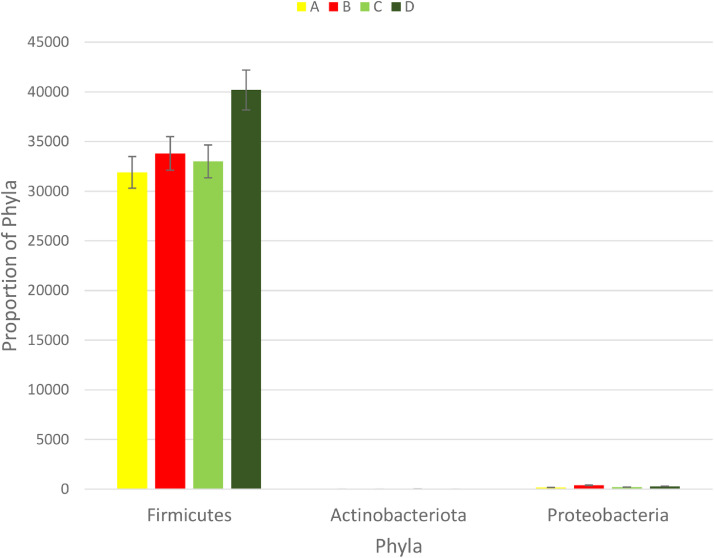
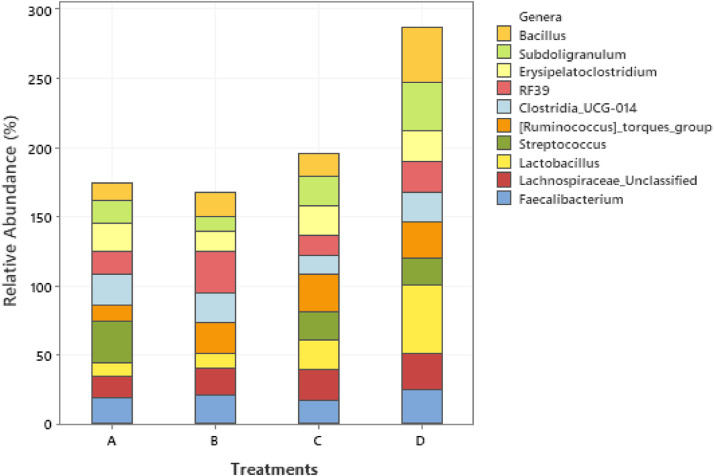
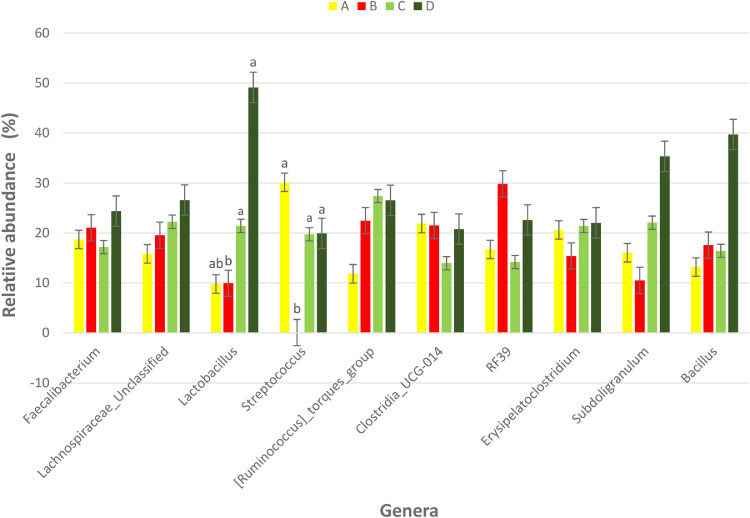
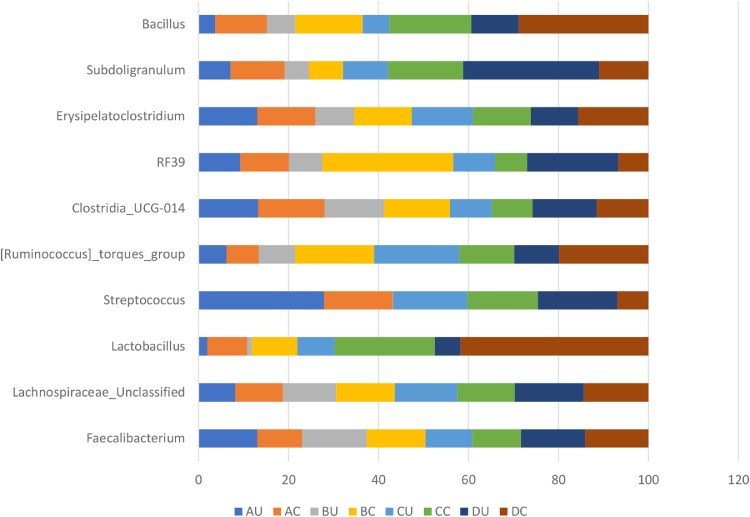
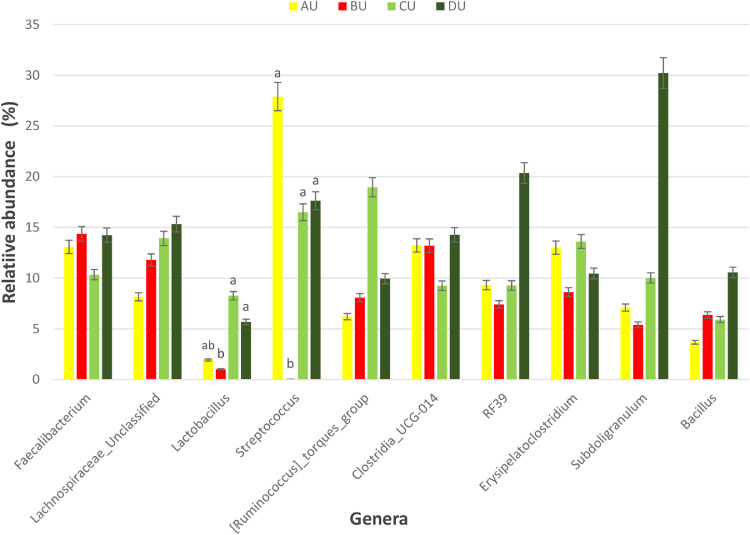
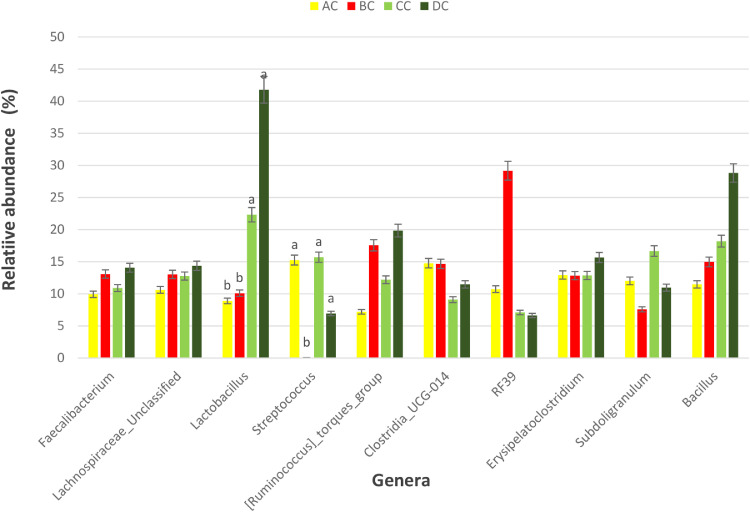
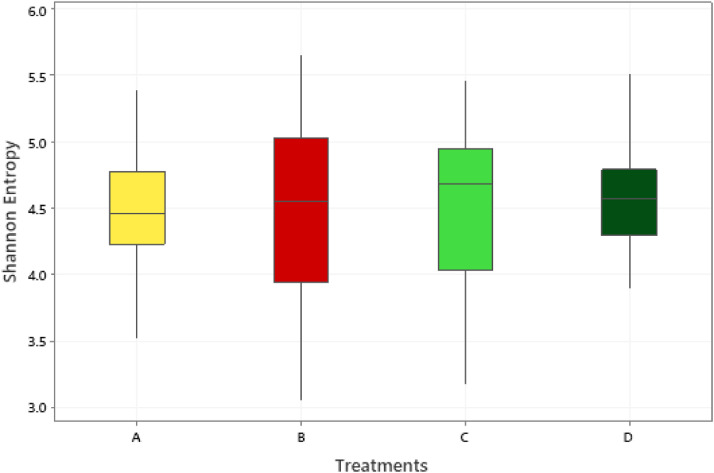
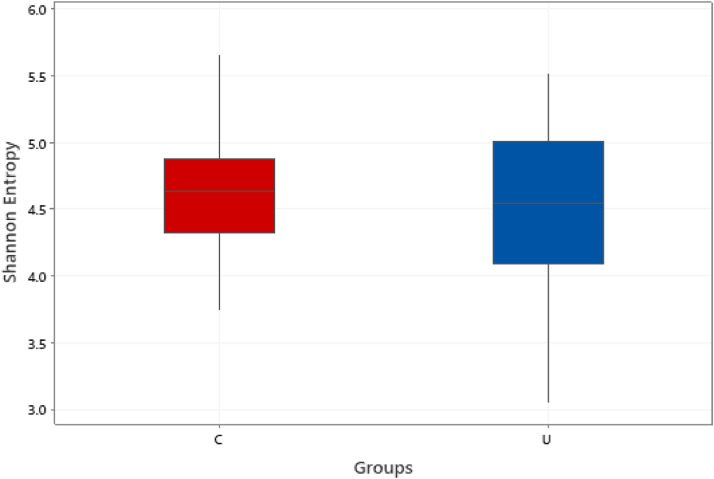
As we advance in the search for antibiotic-alternatives, harnessing plant materials with high total polyphenol concentration (TPC) would be quintessential. Given the high TPC in red osier dogwood (ROD) extract, the current study aimed to determine its efficacy on the growth performance, intestinal health, blood biochemistry, and antioxidant capacity of broiler chickens. A 21-day 4x2 factorial feeding trial was conducted based on two main factors namely, dietary treatments and Salmonella Enteritidis Lipopolysaccharides SE-LPS) challenge. A total of 384 one-day-old mixed-sex Cobb-500 broiler chicks were randomly allotted to four dietary treatments - Negative control (NC), NC + 0.05% bacitracin methylene disalicylate (BMD), NC + 0.3%ROD, and NC+0.5% ROD. Each treatment was assigned to eight replicates with six birds/replicate. On d 13 and 20, half of the birds were intraperitoneally injected with 1mL phosphate-buffered-saline /kg BW of birds (Unchallenged-group) and the remaining half with 1mg SE-LPS /kg BW of birds (Challenged-group). Average weight gain (AWG), average feed intake (AFI), feed conversion ratio (FCR), and mortality were determined weekly. On d 21, ten chickens/treatment were euthanized for measuring blood biochemical parameters, immune organ weights, caecal SCFA, and caeca microbiota. The SE-LPS decreased (P < 0.05) AWG and FCR on d 14 and 21, respectively. On d 14, 21, and overall basis, both ROD extract levels marginally improved (P < 0.05) the AWG of unchallenged birds compared to other treatments in the unchallenged-group. Challenged and unchallenged birds fed ROD extract had deeper (P < 0.05) crypt depth (CD) and higher villus height:CD, respectively, in the ileum. Globulin (GLB) and albumin:GLB were increased and reduced (P < 0.05), respectively, among birds fed 0.3%ROD compared to other treatments. There was no treatment effect on caeca SCFA, relative weight of immune organs, and serum antioxidants. Birds fed ROD extract had a higher (P < 0.05) relative abundance of caecal Lactobacillus and Streptococcus genera compared to the antibiotic treatment. Conclusively, incorporating 0.3% and 0.5%ROD extract into broiler chickens' nutrition improved growth performance and ileal morphology, and modified caecal microbiota of broiler chickens, regardless of the intraperitoneal SE-LPS challenge.
随着我们在寻找抗生素替代品方面的进展,利用总多酚浓度(TPC)高的植物材料将是至关重要的。鉴于红瑞木提取物的 TPC 很高,本研究旨在确定其对肉鸡生长性能、肠道健康、血液生化和抗氧化能力的影响。基于两个主要因素,即饮食处理和肠炎沙门氏菌脂多糖(SE-LPS)挑战,进行了为期 21 天的 4x2 析因饲养试验。总共 384 只 1 日龄混合性别科布 500 只肉鸡被随机分配到四个饮食处理组-阴性对照(NC)、NC+0.05%杆菌肽甲基二水杨酸盐(BMD)、NC+0.3%红瑞木和 NC+0.5%红瑞木。每个处理组分为 8 个重复,每个重复 6 只鸡。在第 13 天和第 20 天,一半的鸡通过腹腔注射 1ml 磷酸盐缓冲盐水/kg BW 的鸡(未挑战组),另一半通过腹腔注射 1mg SE-LPS/kg BW 的鸡(挑战组)。每周测定平均体重增加(AWG)、平均采食量(AFI)、饲料转化率(FCR)和死亡率。在第 21 天,每组 10 只鸡/处理被安乐死,以测量血液生化参数、免疫器官重量、盲肠 SCFA 和盲肠微生物群。SE-LPS 在第 14 天和第 21 天分别降低(P<0.05)了 AWG 和 FCR。在第 14、21 天和整个基础上,与未挑战组中的其他处理相比,红瑞木提取物水平均适度提高(P<0.05)了未挑战鸡的 AWG。饲喂红瑞木提取物的挑战和未挑战鸡的空肠隐窝深度(CD)更深(P<0.05),绒毛高度:CD 更高,分别为。球蛋白(GLB)和白蛋白:GLB 增加,而与其他处理相比,0.3%红瑞木组的 GLB 降低(P<0.05)。盲肠 SCFA、免疫器官相对重量和血清抗氧化剂没有处理效应。与抗生素处理相比,饲喂红瑞木提取物的鸡盲肠乳杆菌和链球菌属的相对丰度更高(P<0.05)。总之,在肉鸡的营养中添加 0.3%和 0.5%的红瑞木提取物提高了肉鸡的生长性能和空肠形态,并改变了肉鸡的盲肠微生物群,无论腹腔内是否存在 SE-LPS 挑战。