Nisar Jaweria, Shah Syed Muhammad A, Akram Muhammad, Ayaz Sultan, Rashid Abid
Department of Eastern Medicine, Government College University Faisalabad, Faisalabad, Pakistan.
Faculty of Medical Science, Government College University Faisalabad, Faisalabad, Pakistan.
Dose Response. 2022 Apr 27;20(2):15593258221095960. doi: 10.1177/15593258221095960. eCollection 2022 Apr-Jun.
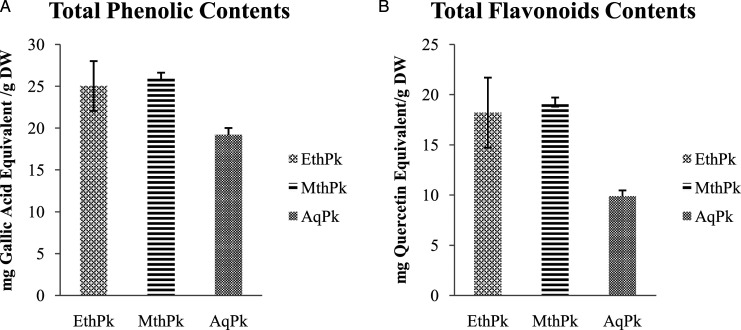
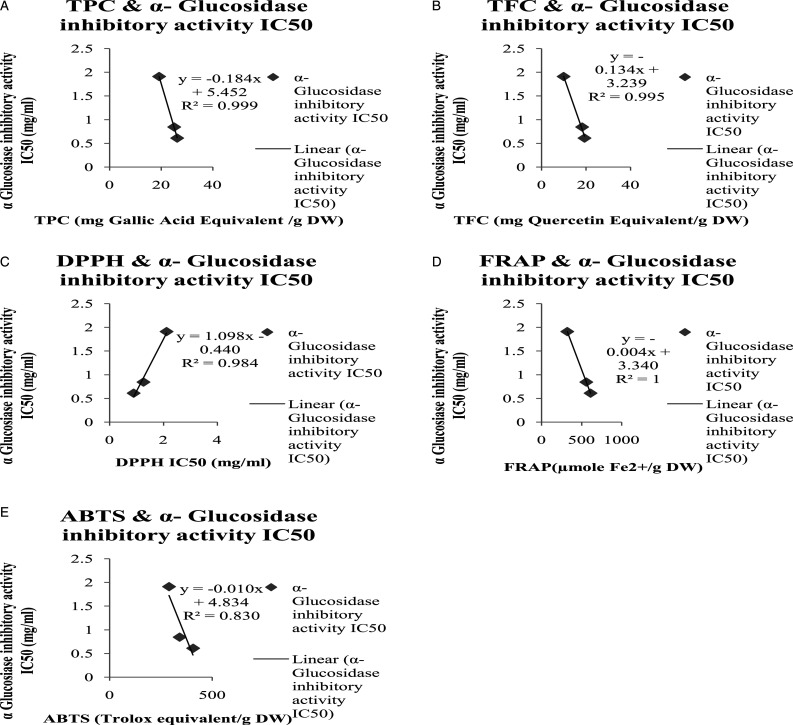
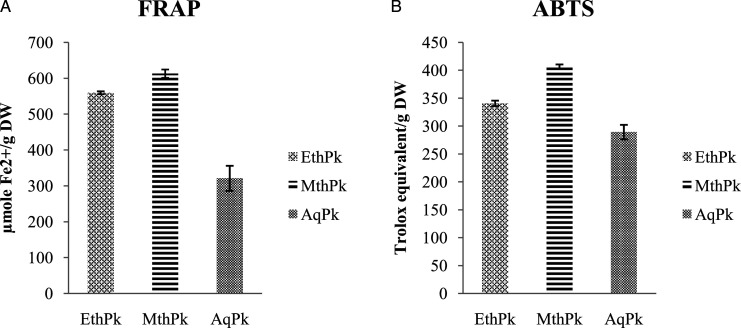
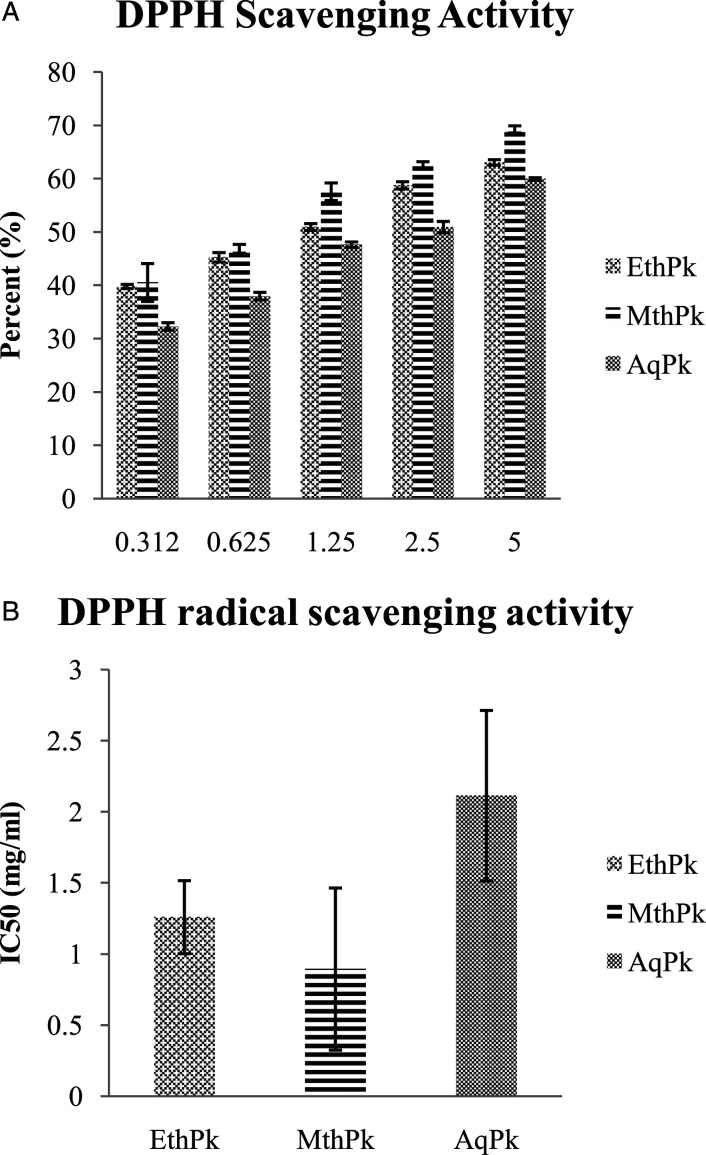
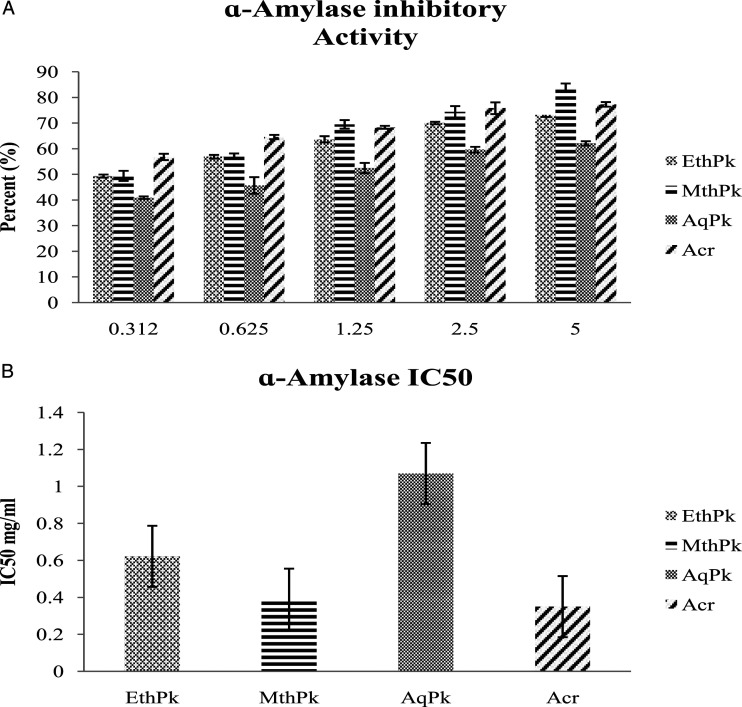
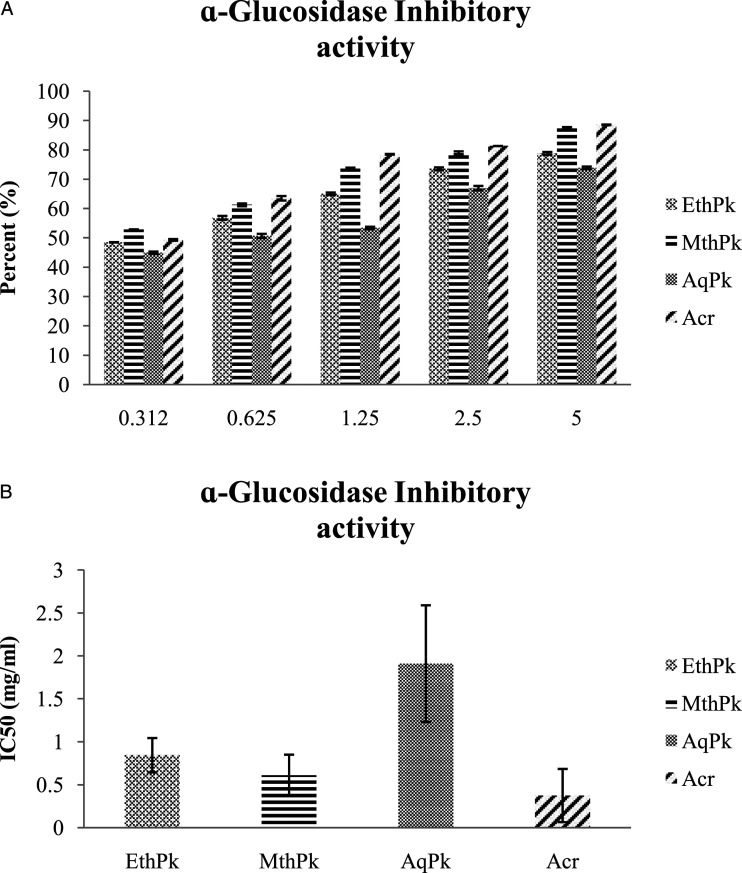
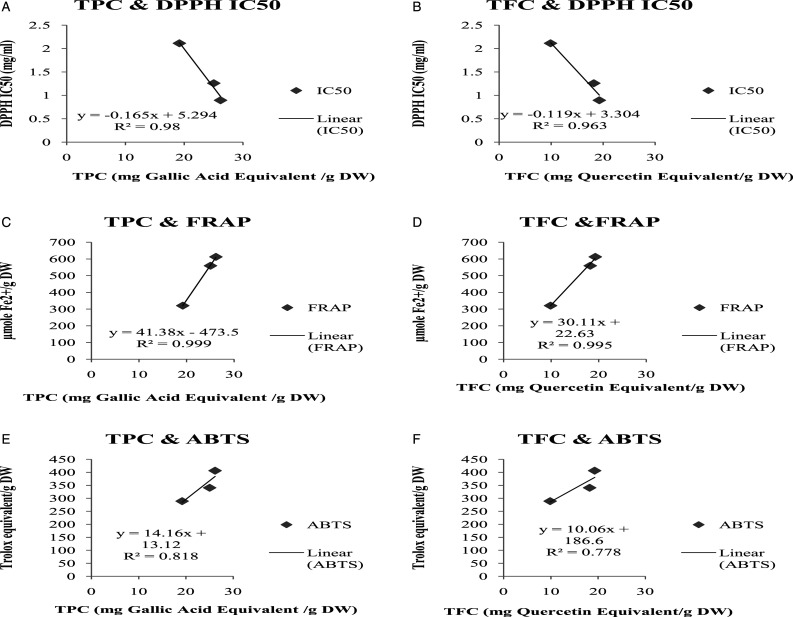
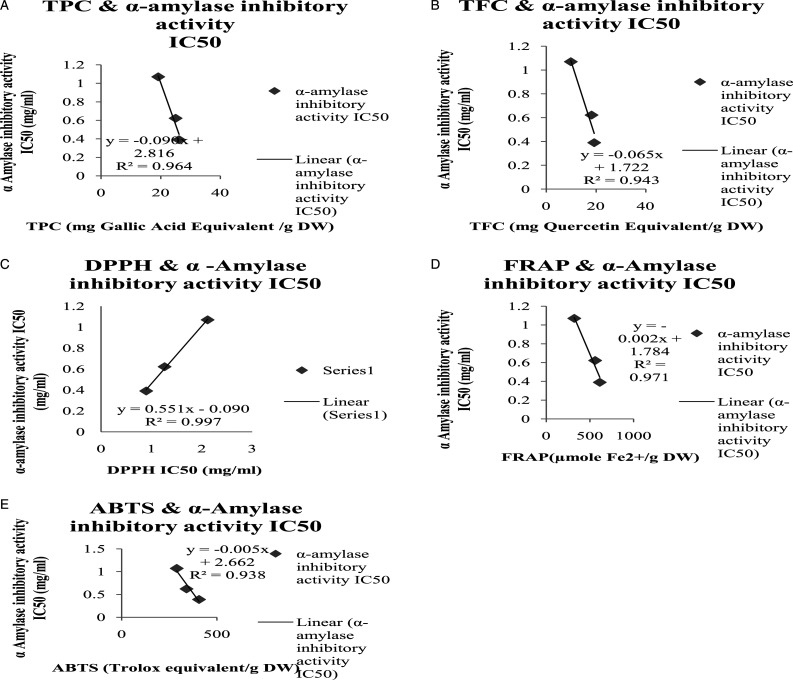
(P.K) usually familiar as kutki is a well-known plant in the Ayurvedic system of medicine due to its reported activities including antidiabetic, antibacterial, antioxidant, antitumor, anti-inflammatory, and hepatoprotective. The current research was intended to evaluate the antioxidant, inhibition activity of the ethanolic, methanolic, and aqueous extracts of P.K roots against α-amylase and α-glucosidase in vitro, after the phytochemical analysis For this purpose, P.K roots were extracted with ethanol (EthPk), methanol (MthPk), and distilled water (AqPk) and phytochemical study of the extracts were performed to recognize the total phenolic content (TPC) and total flavonoids content (TFC). Antioxidant capability of the extracts was assessed by FRAP, ABTS, and DPPH assay. α-amylase inhibitory and α-glucosidase inhibitory activities were also determined. Software SPSS-23 was used to statistically analyze with One Way ANOVA and results were stated as mean standard deviation. Result of the study showed that MthPk contained the maximum concentration of TPC and TFC than EthPk and AqEh. Antioxidants in terms of DPPH (lowest IC = .894 ± .57), FRAP (612.54 ± 11.73) and ABTS (406.42 ± 4.02) assay was also maximum in MthPk. MthPk was also showed maximum inhibition activity against α-amylase and α-glucosidase with lowest IC (.39 ± .41; .61 ± .24), respectively. The extracts α-amylase and α-glucosidase inhibitory activities order was as MthPk > EthPk> AqPk. Results clearly specified that the methanolic extract of have the maximum antioxidant, α-amylase, and α-glucosidase inhibitory activities. A positive correlation of TPC, TFC with antioxidant, and α-amylase and α-glucosidase inhibition activities of the P.K roots were also shown. The plant has capability to diminish the oxidative stress and can be used to treat diabetes by inhibiting α-amylase and α-glucosidase actions.
印度獐牙菜(P.K)通常被称为库特基,是阿育吠陀医学体系中一种著名的植物,因其具有抗糖尿病、抗菌、抗氧化、抗肿瘤、抗炎和保肝等活性而闻名。本研究旨在对印度獐牙菜根部的乙醇提取物、甲醇提取物和水提取物进行植物化学分析后,体外评估其对α-淀粉酶和α-葡萄糖苷酶的抗氧化及抑制活性。为此,用乙醇(EthPk)、甲醇(MthPk)和蒸馏水(AqPk)提取印度獐牙菜根部,并对提取物进行植物化学研究以确定总酚含量(TPC)和总黄酮含量(TFC)。通过FRAP、ABTS和DPPH法评估提取物的抗氧化能力。同时测定α-淀粉酶抑制活性和α-葡萄糖苷酶抑制活性。使用软件SPSS-23进行单因素方差分析统计分析,结果以均值±标准差表示。研究结果表明,MthPk中TPC和TFC的浓度高于EthPk和AqEh。在DPPH(最低IC = 0.894±0.57)、FRAP(612.54±11.73)和ABTS(406.42±4.02)测定中,MthPk中的抗氧化剂含量也最高。MthPk对α-淀粉酶和α-葡萄糖苷酶的抑制活性也最高,最低IC分别为(0.39±0.41;0.61±0.24)。提取物对α-淀粉酶和α-葡萄糖苷酶的抑制活性顺序为MthPk>EthPk>AqPk。结果明确表明,印度獐牙菜的甲醇提取物具有最大的抗氧化、α-淀粉酶和α-葡萄糖苷酶抑制活性。印度獐牙菜根部的TPC、TFC与抗氧化、α-淀粉酶和α-葡萄糖苷酶抑制活性之间也呈现正相关。该植物具有减轻氧化应激的能力,可通过抑制α-淀粉酶和α-葡萄糖苷酶的作用来治疗糖尿病。