Agada Reuben, Usman Wurochekke Abdullahi, Shehu Sarkiyayi, Thagariki Dluya
Department of Biochemistry, School of Life Sciences, Modibbo Adama University of Technology Yola, Adamawa State, Nigeria.
Department of Biochemistry, Adamawa State University Mubi, Nigeria.
Heliyon. 2020 Mar 25;6(3):e03618. doi: 10.1016/j.heliyon.2020.e03618. eCollection 2020 Mar.
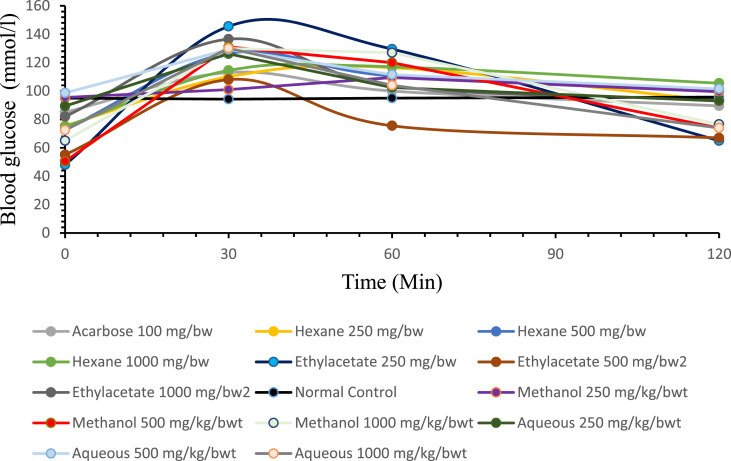
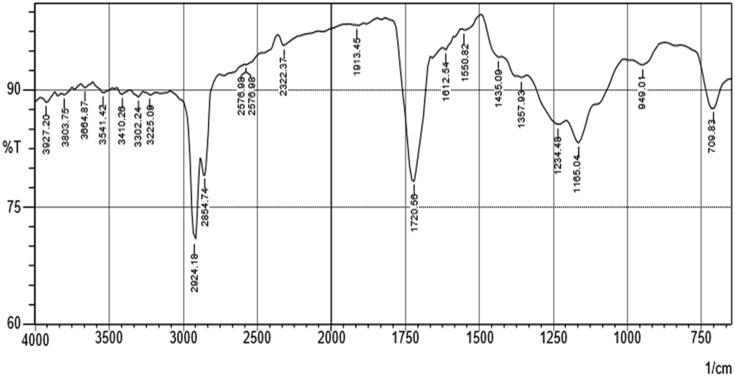
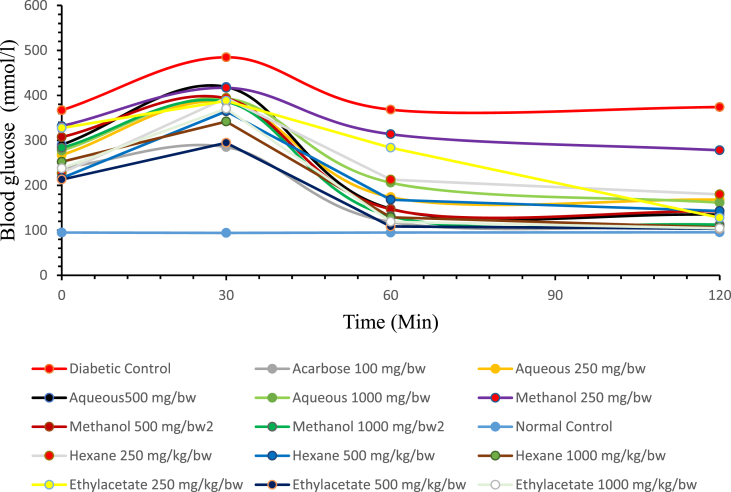
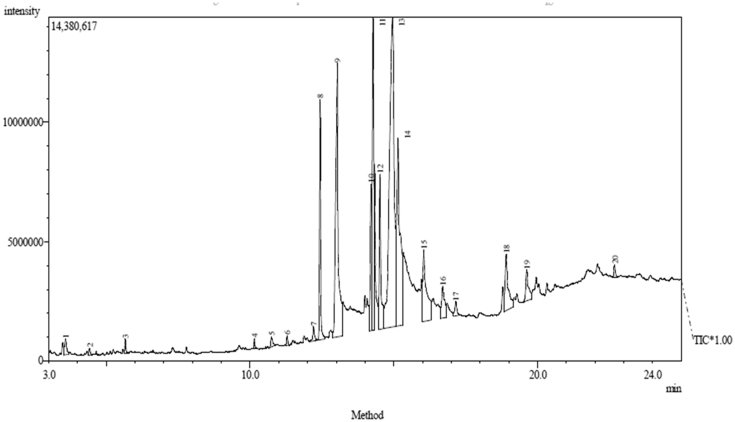
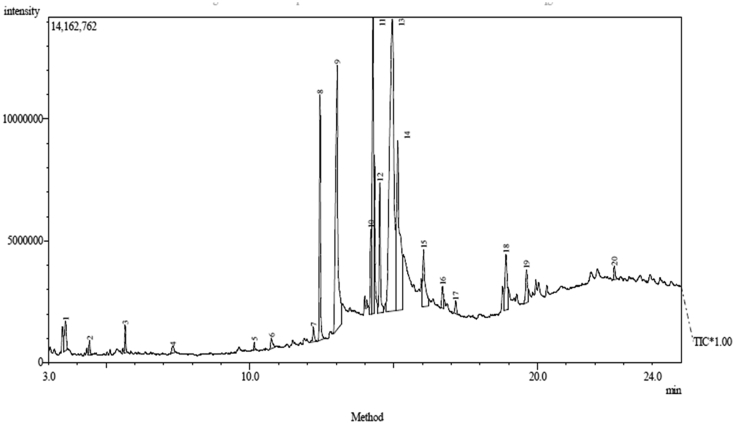
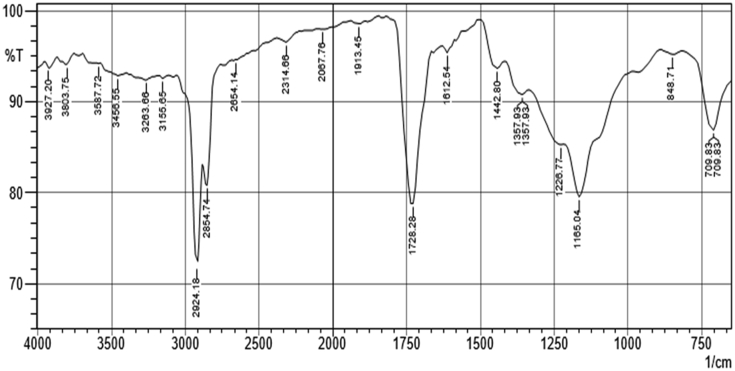
The present study was aimed to investigate the and inhibitory effects of seeds on α-amylase and α-glucosidase enzymes, as this is known to be an antidiabetic mechanism. Analysis of the extracts of the seeds for phytochemicals revealed the presence of a significant amount of saponins, alkaloids, flavonoids, phenols, terpenoids, and steroids. The seed extracts of exhibited good antioxidant capacity using 2, 2-diphenyl-1-picryl hydroxyl (DPPH), thiobarbituric reactive substance (TBARS) and ferric reducing antioxidant power (FRAP) method. The results of the inhibitory studies of the extracts revealed that the hexane extract followed by the ethyl acetate extract was the most potent inhibitor of α-amylase and α-glucosidase enzyme when compared to other extracts using their IC values. In the animal study, different doses (250, 500 and 1000 mg/kg/body weight) of the extracts of seed were administered orally for 120 min, to normal and streptozotocin-induced diabetic rats, and were compared with acarbose 100 mg/kg/body weight and control group for the effect on postprandial hyperglycemia. The extract of ethyl acetate (at doses of 250, 500 and 1000 mg/kg/body weight) significantly reduced postprandial glucose levels in these animals. The characterization of hexane and ethyl acetate extracts by GC-MS analysis revealed 20 bioactive compounds while the FTIR analysis confirmed the presence of this functional groups: -C=C, -C-Cl, -C-O, -O-H, -CH, -C=O, -C=C=C, -N=C=S, -O=C=O and -N-H in seed extracts. It was concluded that the inhibition of α-amylase and α-glucosidase enzymes and the prevention of oxidative stress in postprandial hyperglycemia could be some of the possible mechanisms by which they exert their anti-diabetic properties.
本研究旨在探讨[种子名称]种子对α-淀粉酶和α-葡萄糖苷酶的抑制作用,因为这是已知的抗糖尿病机制。对种子提取物进行植物化学分析发现,其中含有大量的皂苷、生物碱、黄酮类、酚类、萜类和甾体类化合物。[种子名称]种子提取物采用2,2-二苯基-1-苦基肼基(DPPH)、硫代巴比妥酸反应物质(TBARS)和铁还原抗氧化能力(FRAP)法显示出良好的抗氧化能力。提取物抑制研究结果表明,与其他提取物相比,正己烷提取物其次是乙酸乙酯提取物在使用其IC值时是α-淀粉酶和α-葡萄糖苷酶最有效的抑制剂。在动物研究中,将不同剂量(250、500和1000mg/kg体重)的[种子名称]种子提取物口服给药120分钟,给予正常和链脲佐菌素诱导的糖尿病大鼠,并与100mg/kg体重的阿卡波糖和对照组比较对餐后高血糖的影响。乙酸乙酯提取物(剂量为250、500和1000mg/kg体重)显著降低了这些动物的餐后血糖水平。通过气相色谱-质谱联用(GC-MS)分析对正己烷和乙酸乙酯提取物进行表征,发现了20种生物活性化合物,而傅里叶变换红外光谱(FTIR)分析证实了[种子名称]种子提取物中存在这些官能团:-C=C、-C-Cl、-C-O、-O-H、-CH、-C=O、-C=C=C、-N=C=S、-O=C=O和-N-H。得出的结论是,抑制α-淀粉酶和α-葡萄糖苷酶以及预防餐后高血糖中的氧化应激可能是它们发挥抗糖尿病特性的一些可能机制。