Daghrery Arwa, Ferreira Jessica A, Xu Jinping, Golafshan Nasim, Kaigler Darnell, Bhaduri Sarit B, Malda Jos, Castilho Miguel, Bottino Marco C
Department of Cariology, Restorative Sciences, and Endodontics, School of Dentistry, University of Michigan, Ann Arbor, MI, United States.
Department of Restorative Dental Sciences, School of Dentistry, Jazan University, Jazan, Kingdom of Saudi Arabia.
Bioact Mater. 2022 Apr 22;19:268-281. doi: 10.1016/j.bioactmat.2022.04.013. eCollection 2023 Jan.
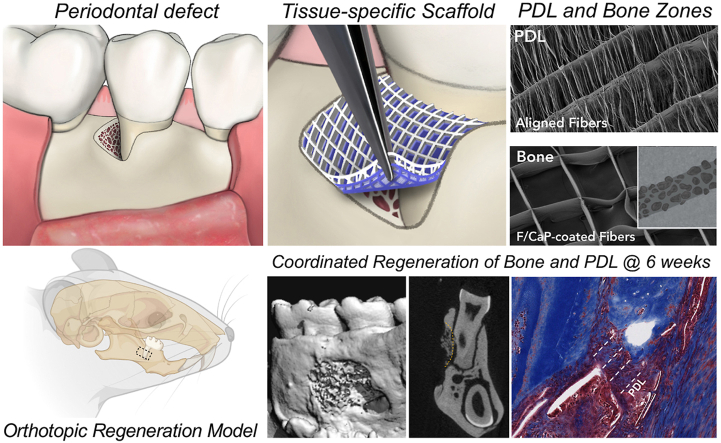
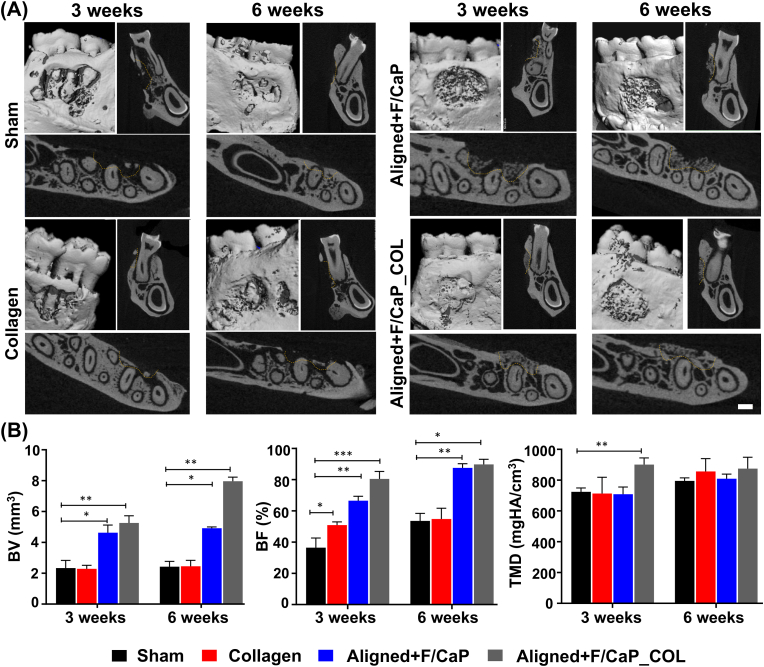
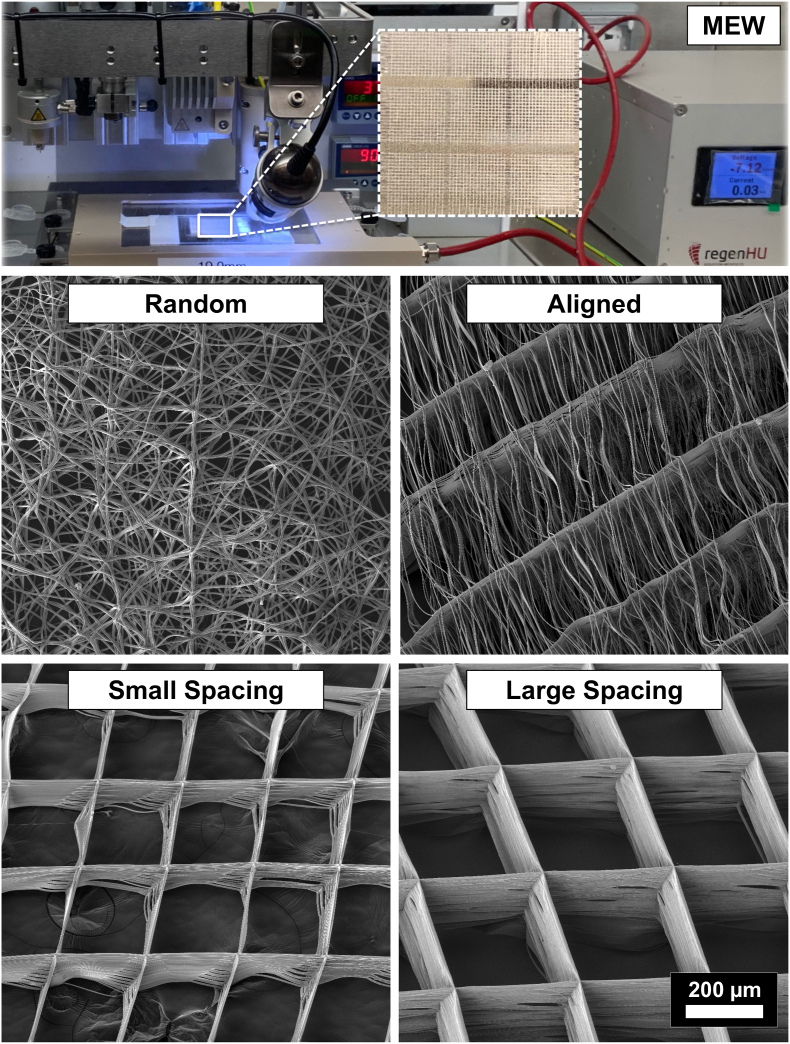
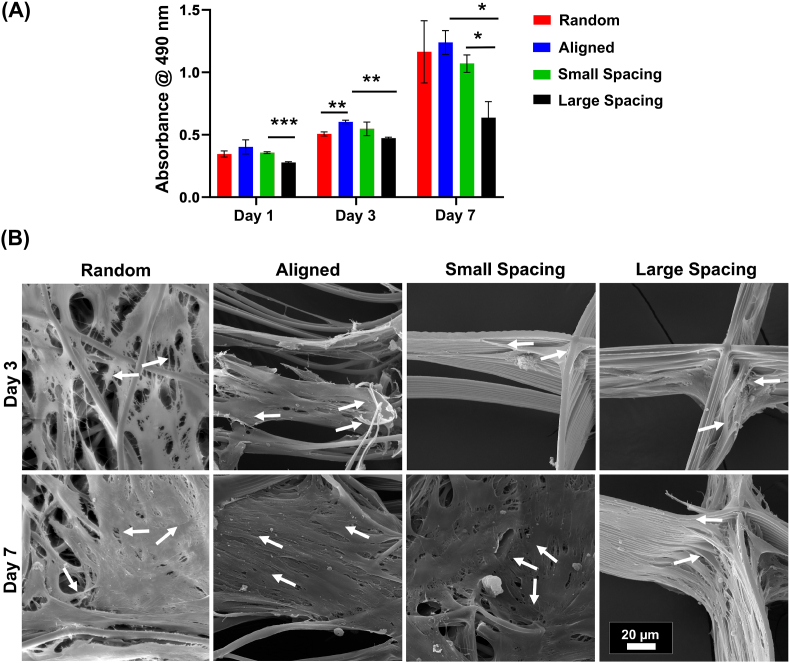
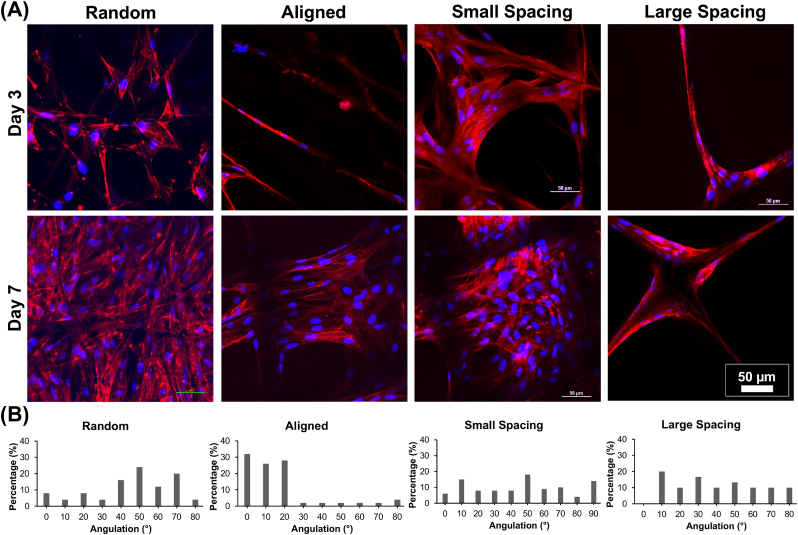
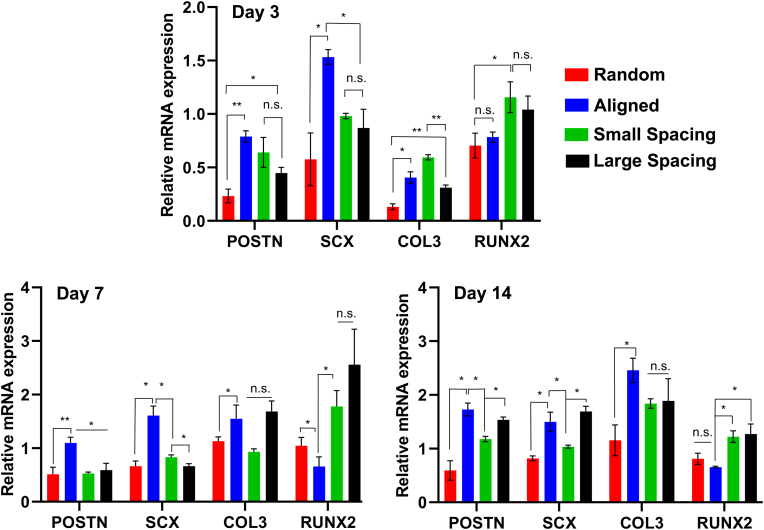
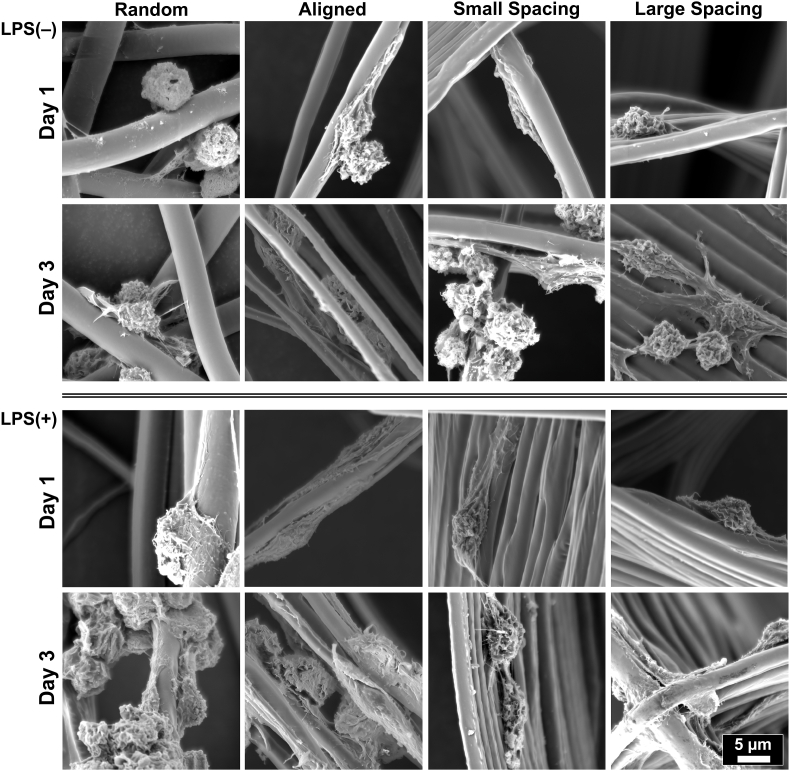
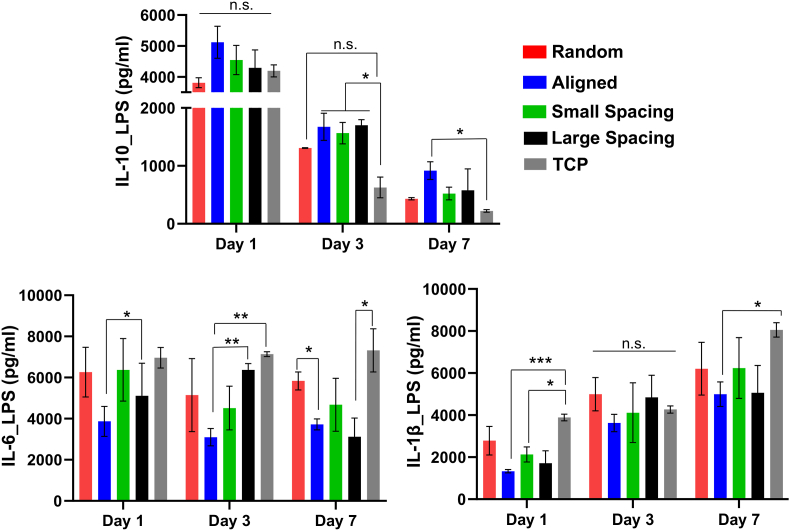
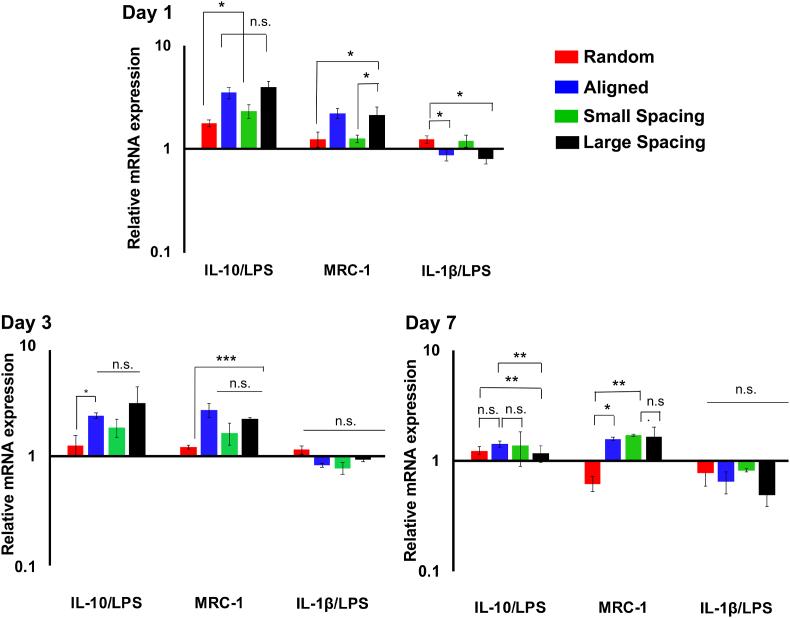
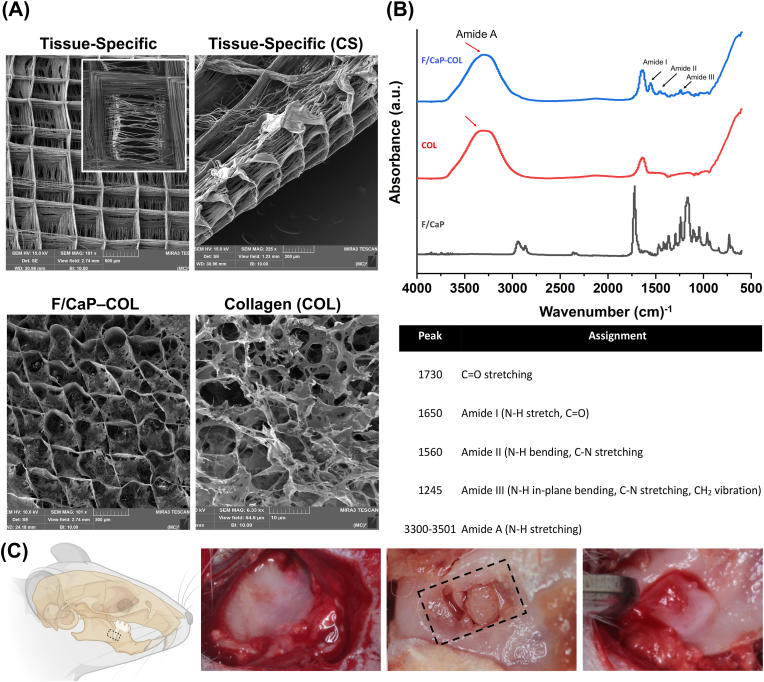
Periodontitis is a chronic inflammatory condition that often causes serious damage to tooth-supporting tissues. The limited successful outcomes of clinically available approaches underscore the need for therapeutics that cannot only provide structural guidance to cells but can also modulate the local immune response. Here, three-dimensional melt electrowritten (, poly(ε-caprolactone)) scaffolds with tissue-specific attributes were engineered to guide differentiation of human-derived periodontal ligament stem cells (hPDLSCs) and mediate macrophage polarization. The investigated tissue-specific scaffold attributes comprised fiber morphology (aligned vs. random) and highly-ordered architectures with distinct strand spacings (small 250 μm and large 500 μm). Macrophages exhibited an elongated morphology in aligned and highly-ordered scaffolds, while maintaining their round-shape on randomly-oriented fibrous scaffolds. Expressions of periostin and IL-10 were more pronounced on the aligned and highly-ordered scaffolds. While hPDLSCs on the scaffolds with 500 μm strand spacing show higher expression of osteogenic marker (Runx2) over 21 days, cells on randomly-oriented fibrous scaffolds showed upregulation of M1 markers. In an orthotopic mandibular fenestration defect model, findings revealed that the tissue-specific scaffolds (, aligned fibers for periodontal ligament and highly-ordered 500 μm strand spacing fluorinated calcium phosphate [F/CaP]-coated fibers for bone) could enhance the mimicking of regeneration of natural periodontal tissues.
牙周炎是一种慢性炎症性疾病,常对牙齿支持组织造成严重损害。临床现有方法取得的成功有限,这凸显了对治疗方法的需求,这些方法不仅能为细胞提供结构导向,还能调节局部免疫反应。在此,设计了具有组织特异性属性的三维熔体静电纺丝(聚己内酯)支架,以引导人牙周膜干细胞(hPDLSCs)的分化并介导巨噬细胞极化。所研究的组织特异性支架属性包括纤维形态(排列与随机)和具有不同股间距(小250μm和大500μm)的高度有序结构。巨噬细胞在排列和高度有序的支架中呈现伸长形态,而在随机取向的纤维支架上保持圆形。骨膜蛋白和IL-10在排列和高度有序的支架上表达更明显。虽然股间距为500μm的支架上的hPDLSCs在21天内显示出更高的成骨标志物(Runx2)表达,但随机取向纤维支架上的细胞显示M1标志物上调。在原位下颌骨开窗缺损模型中,研究结果表明,组织特异性支架(用于牙周膜的排列纤维和用于骨的高度有序的500μm股间距氟化磷酸钙[F/CaP]涂层纤维)可以增强对天然牙周组织再生的模拟。