Jia Wei, Wei Jianjian, Cheng Pan, Wang Qun, Li Yuguo
Department of Mechanical Engineering, The University of Hong Kong, Pokfulam Road, Hong Kong SAR, China.
Institute of Refrigeration and Cryogenics/Key Laboratory of Refrigeration and Cryogenic Technology of Zhejiang Province, Zhejiang University, Hangzhou, China.
Build Environ. 2022 Jul 1;219:109166. doi: 10.1016/j.buildenv.2022.109166. Epub 2022 May 10.
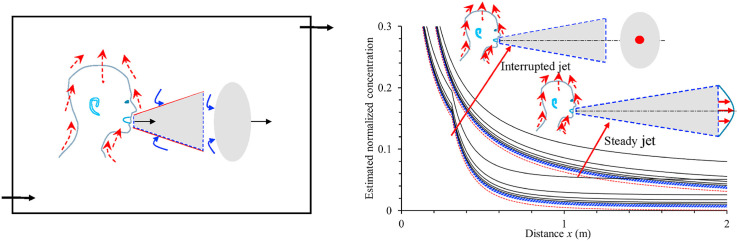
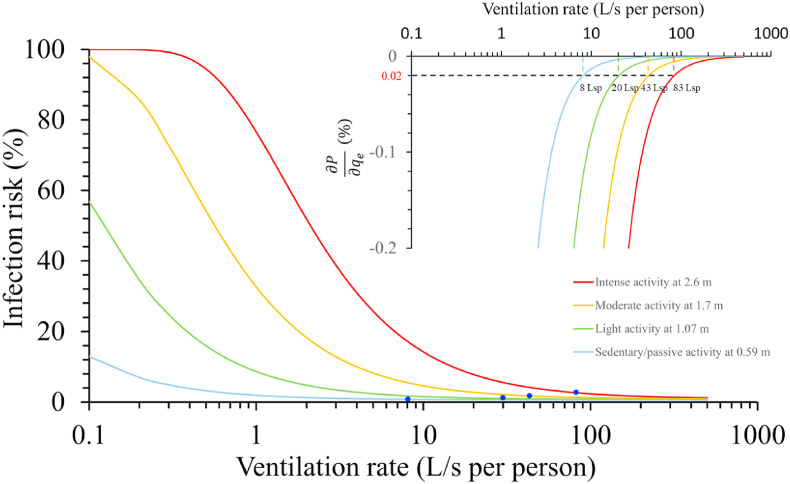
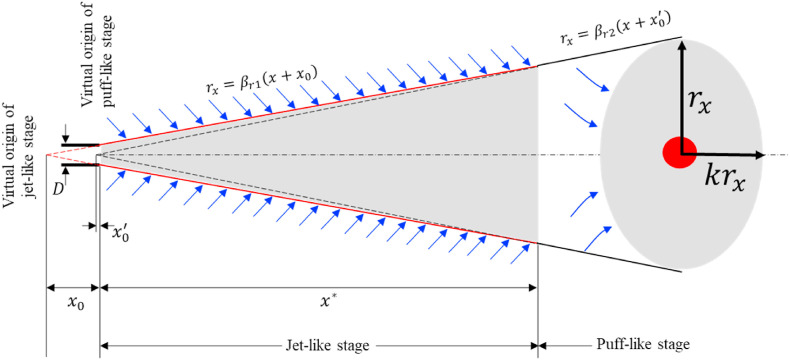
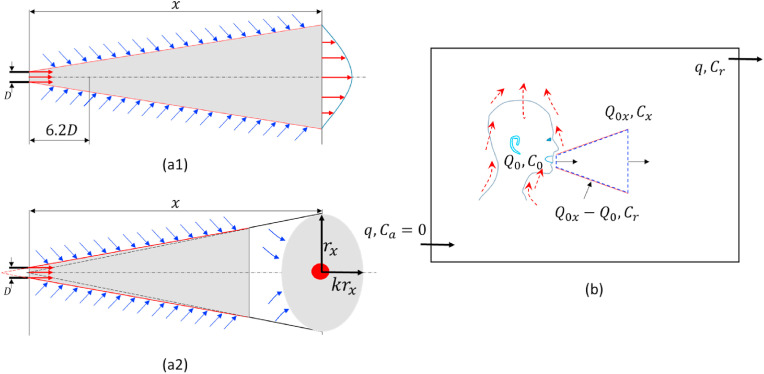
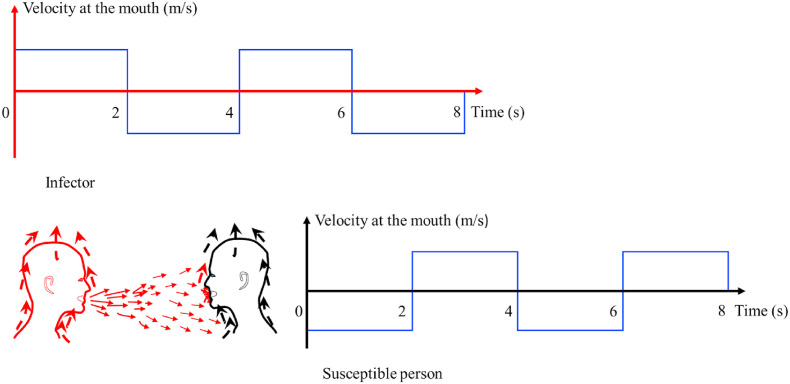
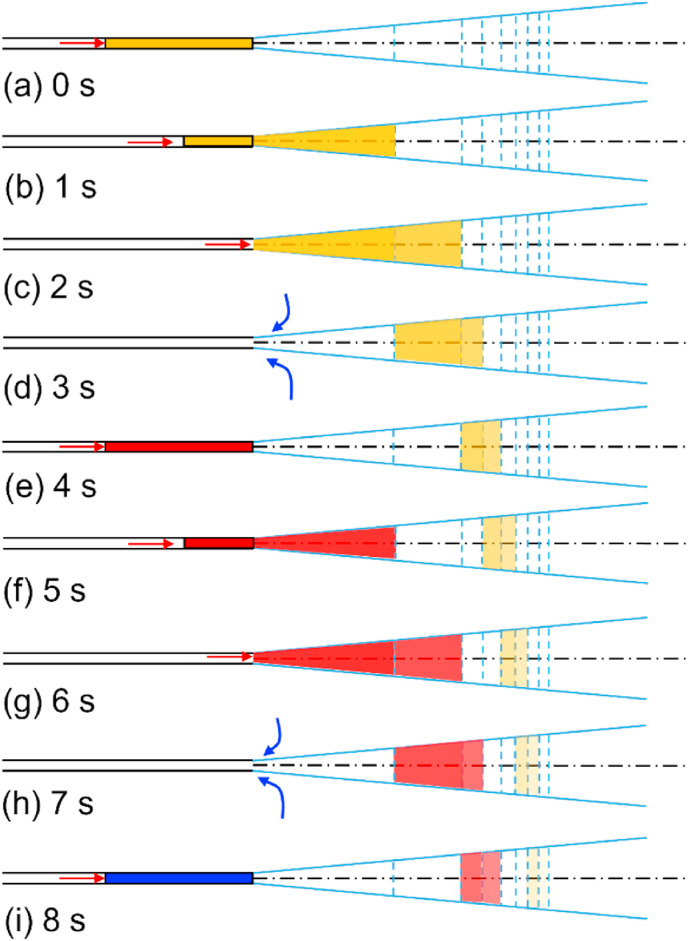
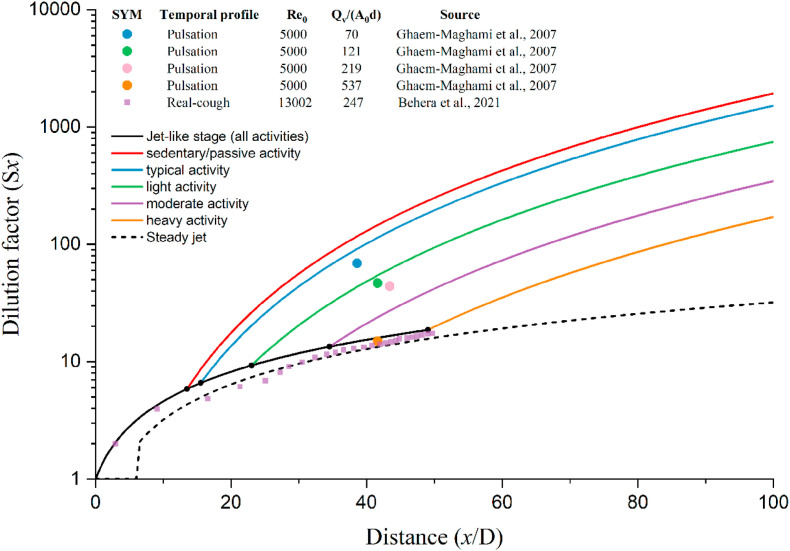
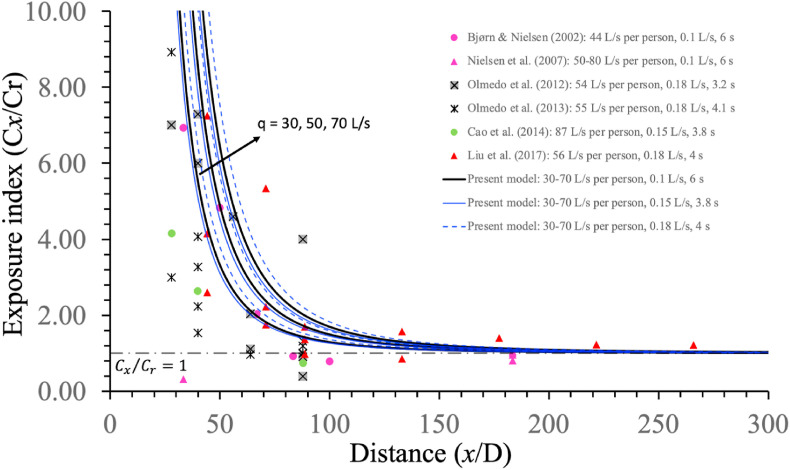
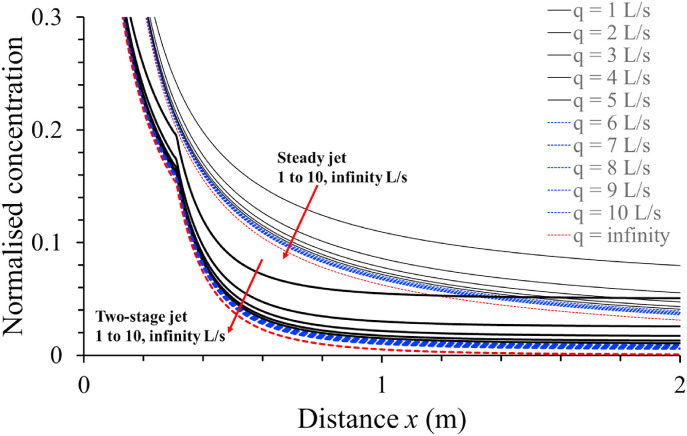
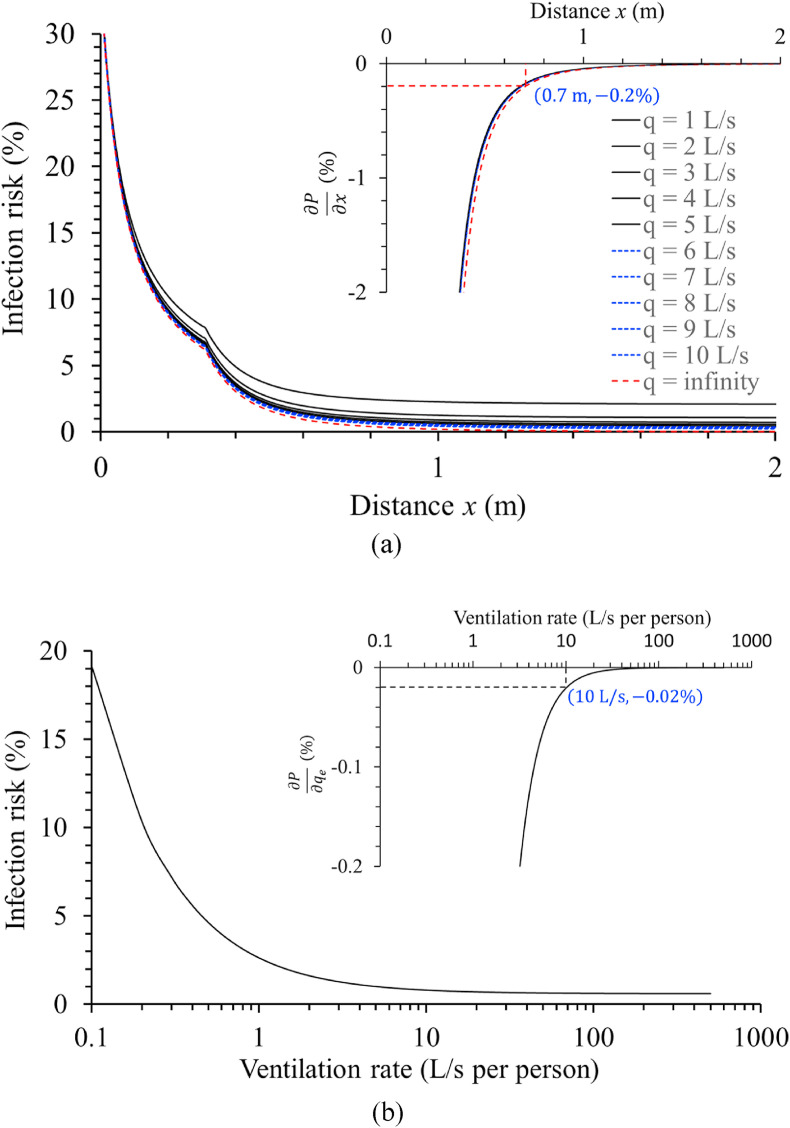
Leading health authorities have suggested short-range airborne transmission as a major route of severe acute respiratory syndrome coronavirus-2 (SARS-CoV-2). However, there is no simple method to assess the short-range airborne infection risk or identify its governing parameters. We proposed a short-range airborne infection risk assessment model based on the continuum model and two-stage jet model. The effects of ventilation, physical distance and activity intensity on the short-range airborne exposure were studied systematically. The results suggested that increasing physical distance and ventilation reduced short-range airborne exposure and infection risk. However, a diminishing return phenomenon was observed when the ventilation rate or physical distance was beyond a certain threshold. When the infectious quantum concentration was less than 1 quantum/L at the mouth, our newly defined threshold distance and threshold ventilation rate were independent of quantum concentration. We estimated threshold distances of 0.59, 1.1, 1.7 and 2.6 m for sedentary/passive, light, moderate and intense activities, respectively. At these distances, the threshold ventilation was estimated to be 8, 20, 43, and 83 L/s per person, respectively. The findings show that both physical distancing and adequate ventilation are essential for minimising infection risk, especially in high-intensity activity or densely populated spaces.
主要卫生当局已表明,短程空气传播是严重急性呼吸综合征冠状病毒2(SARS-CoV-2)的主要传播途径。然而,目前尚无简单方法来评估短程空气传播感染风险或确定其控制参数。我们基于连续介质模型和两阶段射流模型提出了一种短程空气传播感染风险评估模型。系统研究了通风、物理距离和活动强度对短程空气传播暴露的影响。结果表明,增加物理距离和通风可降低短程空气传播暴露和感染风险。然而,当通风率或物理距离超过一定阈值时,会出现收益递减现象。当口腔处的感染量子浓度低于1量子/升时,我们新定义的阈值距离和阈值通风率与量子浓度无关。我们分别估算出久坐/被动、轻度、中度和剧烈活动的阈值距离为0.59米、1.1米、1.7米和2.6米。在这些距离下,每人的阈值通风量分别估计为8升/秒、20升/秒、43升/秒和83升/秒。研究结果表明,保持物理距离和充足通风对于将感染风险降至最低至关重要,尤其是在高强度活动或人口密集的空间中。