Cremers Constance Gaya, Nguyen Lan K
Department of Biochemistry and Molecular Biology, School of Biomedical Sciences, Monash University, Clayton, Victoria 3800, Australia.
Biomedicine Discovery Institute, Monash University, Clayton, Victoria 3800, Australia.
Cancer Drug Resist. 2019 Dec 19;2(4):1106-1126. doi: 10.20517/cdr.2019.60. eCollection 2019.
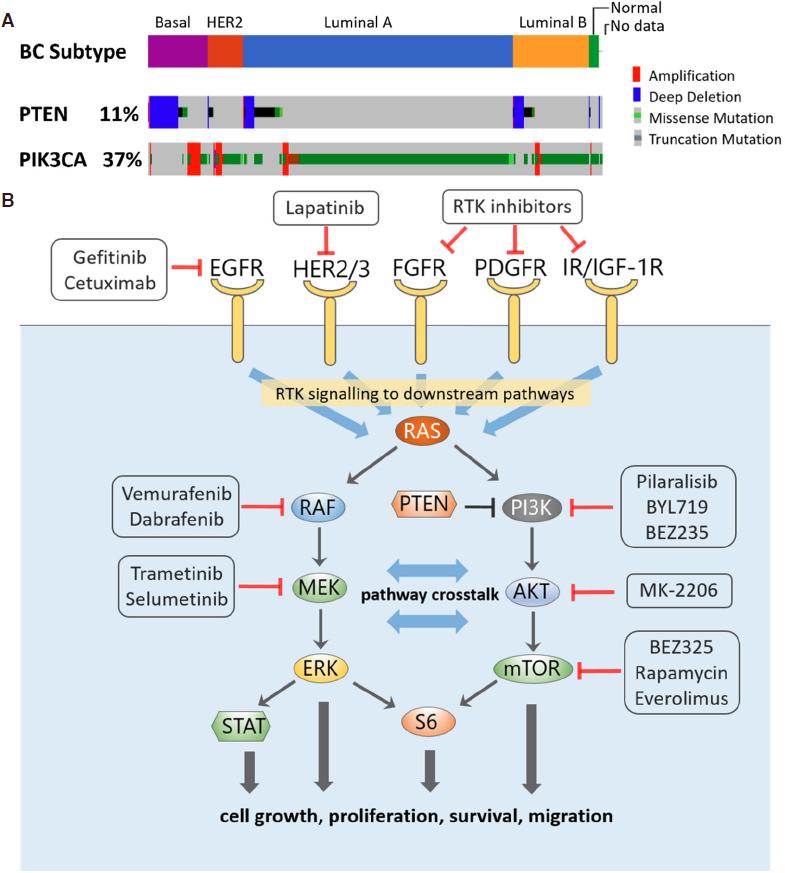
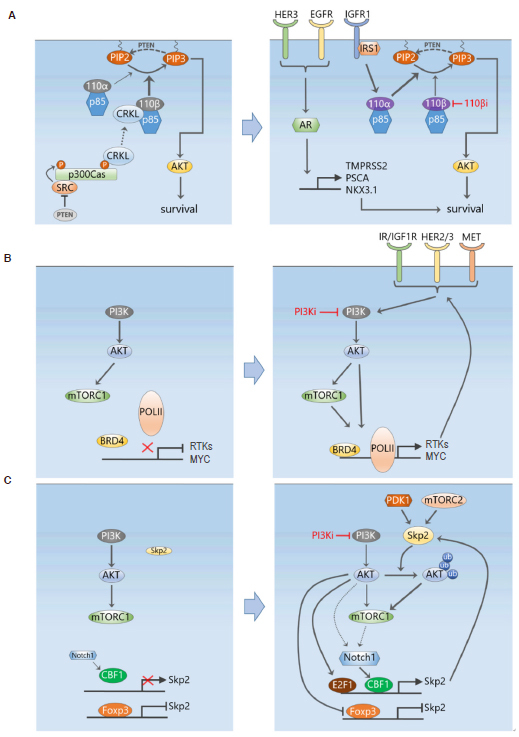
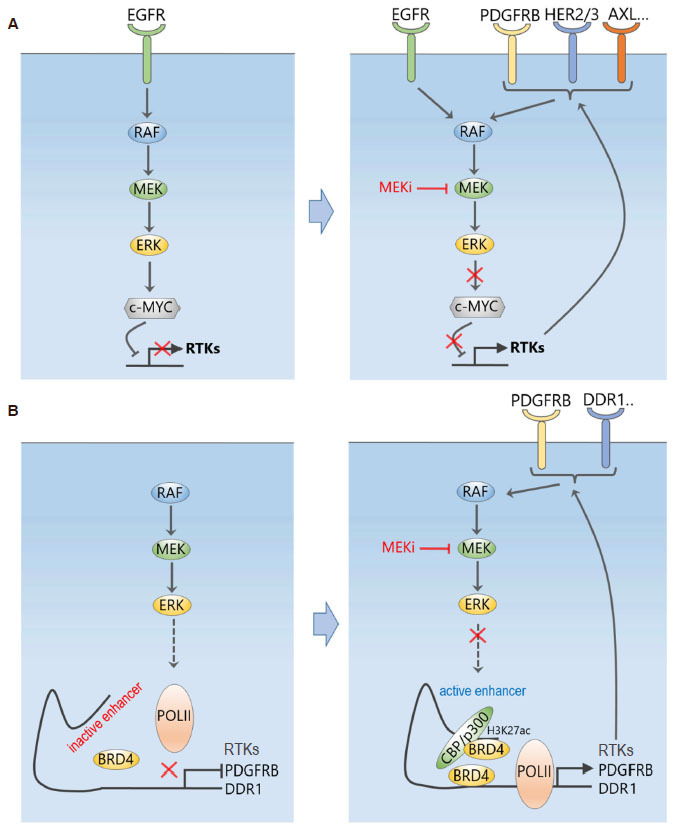
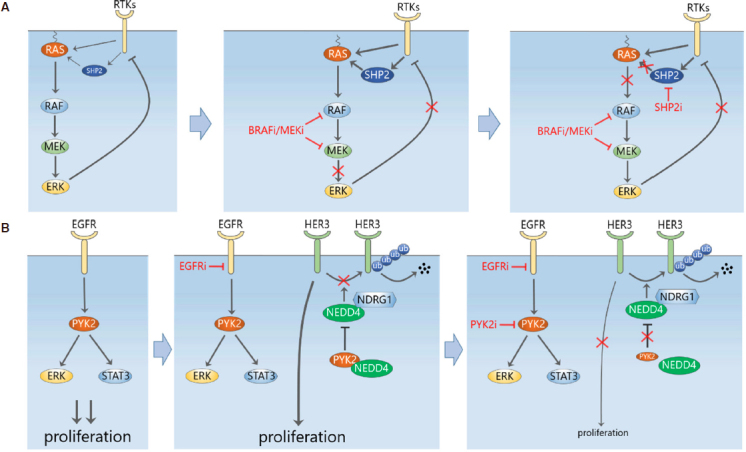
Resistance to targeted anti-cancer drugs is a complex phenomenon and a major challenge in cancer treatment. It is becoming increasingly evident that a form of acquired drug resistance known as "adaptive resistance" is a common cause of treatment failure and patient relapse in many cancers. Unlike classical resistance mechanisms that are acquired via genomic alterations, adaptive resistance is instead driven by non-genomic changes involving rapid and dynamic rewiring of signalling and/or transcriptional networks following therapy, enabled by complex pathway crosstalk and feedback regulation. Such network rewiring allows tumour cells to adapt to the drug treatment, circumvent the initial drug challenge and continue to survive in the presence of the drug. Despite its great clinical importance, adaptive resistance remains largely under-studied and poorly defined. This review is focused on recent findings which provide new insights into the mechanisms underlying adaptive resistance in breast cancer, highlighting how breast tumour cells rewire intracellular signalling pathways to overcome the stress of initial targeted therapy. In particular, we investigate adaptive resistance to targeted inhibition of two major oncogenic signalling axes frequently dysregulated in breast cancer, the PI3K-AKT-mTOR and RAS-MAPK signalling pathways; and discuss potential combination treatment strategies that overcome such resistance. In addition, we highlight application of quantitative and computational modelling as a novel integrative and powerful approach to gain network-level understanding of network rewiring, and rationally identify and prioritise effective drug combinations.
对靶向抗癌药物的耐药性是一种复杂的现象,也是癌症治疗中的一项重大挑战。越来越明显的是,一种被称为“适应性耐药”的获得性耐药形式是许多癌症治疗失败和患者复发的常见原因。与通过基因组改变获得的经典耐药机制不同,适应性耐药是由非基因组变化驱动的,这些变化涉及治疗后信号和/或转录网络的快速动态重新布线,由复杂的信号通路串扰和反馈调节促成。这种网络重新布线使肿瘤细胞能够适应药物治疗,规避最初的药物挑战,并在药物存在的情况下继续存活。尽管适应性耐药具有重大的临床意义,但在很大程度上仍未得到充分研究且定义不清。本综述聚焦于近期的研究发现,这些发现为乳腺癌适应性耐药的潜在机制提供了新的见解,突出了乳腺肿瘤细胞如何重新布线细胞内信号通路以克服初始靶向治疗的压力。特别是,我们研究了对乳腺癌中经常失调的两个主要致癌信号轴(PI3K-AKT-mTOR和RAS-MAPK信号通路)的靶向抑制的适应性耐药;并讨论了克服这种耐药性的潜在联合治疗策略。此外,我们强调了定量和计算建模作为一种新颖的综合且强大的方法的应用,以在网络层面理解网络重新布线,并合理地识别和优先考虑有效的药物组合。